Smash Chicken Caesar Tacos: A Modern Culinary Fusion of Traditional Italian Flavors and Contemporary Cooking Techniques

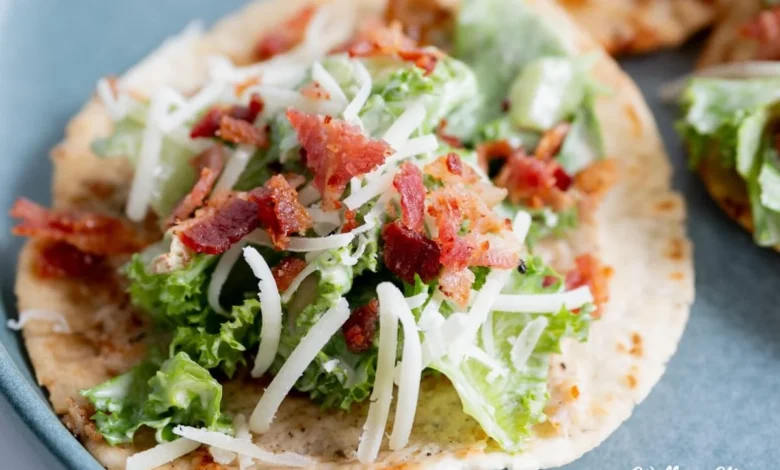
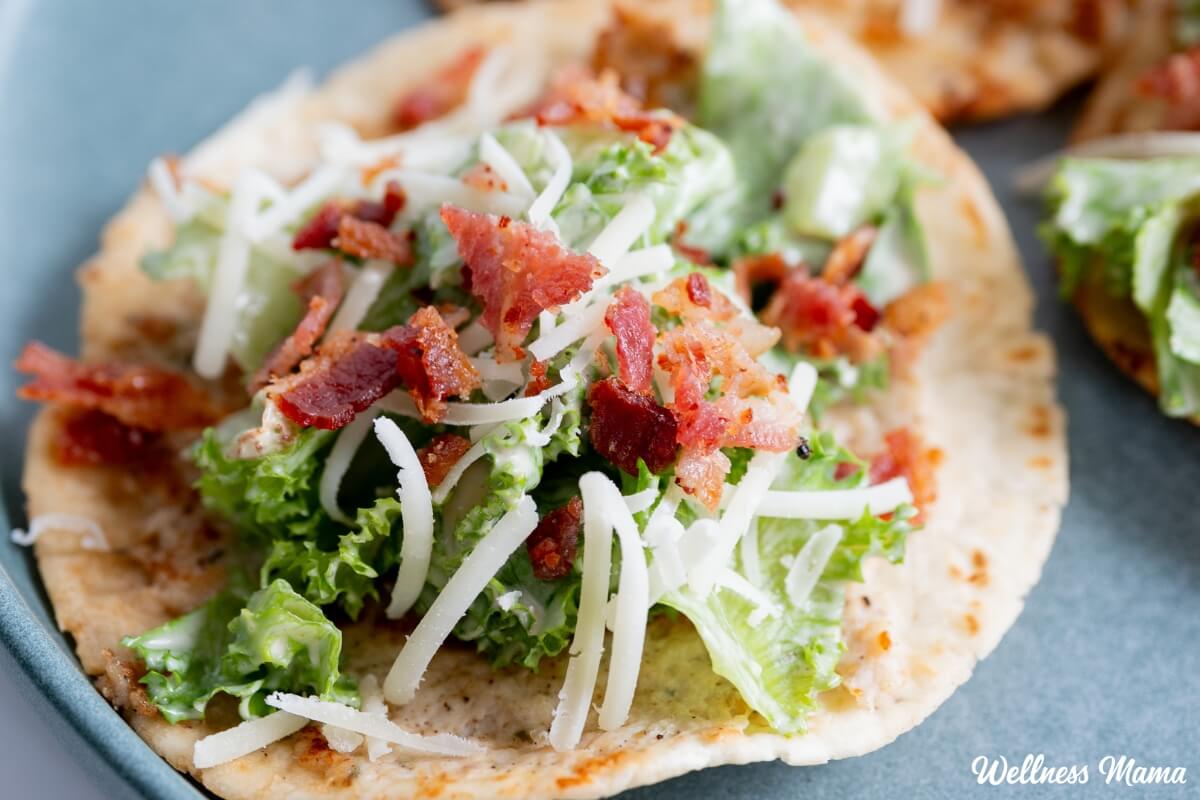
The culinary landscape of 2024 continues to be defined by the intersection of traditional flavor profiles and innovative preparation methods, a trend exemplified by the emergence of the Smash Chicken Caesar Taco. This dish represents a significant departure from conventional taco fillings, merging the classic elements of a Caesar salad—developed in the early 20th century—with the "smash" cooking technique that has recently dominated social media platforms and professional kitchens alike. By integrating high-protein poultry directly into a tortilla through a high-heat pressing method, the recipe offers a textural complexity that traditional shredded or sliced chicken often lacks. This fusion provides a balanced nutritional profile, featuring a combination of lean protein, healthy fats, and cruciferous vegetables, catering to a growing consumer demand for nutrient-dense yet familiar comfort foods.
The Evolution of the Caesar Profile and the Smash Technique
The foundation of this dish, the Caesar salad, has a storied history dating back to 1924, when restaurateur Cesare Cardini is credited with its creation in Tijuana, Mexico. Traditionally consisting of romaine lettuce, croutons, and a dressing of lemon juice, olive oil, egg, Worcestershire sauce, anchovies, garlic, and Parmesan cheese, the Caesar flavor profile has become a global standard for savory "umami" excellence. In the context of the Smash Chicken Caesar Taco, these historical elements are reimagined. The crouton’s crunch is replaced by the crispiness of a seared tortilla, while the creamy dressing serves as both a binder and a flavor enhancer.
The "smash" technique, popularized primarily through the "smashburger" movement, involves pressing a protein source against a hot cooking surface to maximize the Maillard reaction. This chemical reaction between amino acids and reducing sugars gives browned food its distinctive flavor and texture. In this specific taco application, seasoned ground or finely chopped chicken is pressed directly onto a tortilla and cooked on a griddle. This method ensures that the chicken adheres to the base while developing a golden, crispy exterior that contrasts with the fresh, cold salad toppings added post-cooking.
Nutritional Composition and Ingredient Analysis
From a nutritional standpoint, the Smash Chicken Caesar Taco is designed to provide a comprehensive array of macro and micronutrients. According to standardized nutritional data for this preparation, a single serving (one taco) contains approximately 475 calories. The macronutrient breakdown includes 36 grams of total fat, 20 grams of carbohydrates, and 19 grams of protein. While the fat content is relatively high at 55% of the Daily Value (DV), a significant portion is derived from monounsaturated and polyunsaturated sources, particularly when using avocado oil-based mayonnaises or homemade emulsions.
The micronutrient profile is particularly notable for its high Vitamin A content, providing 7,935 IU or 159% of the recommended Daily Value, primarily sourced from the inclusion of fresh romaine lettuce. Additionally, the dish provides 190mg of calcium (19% DV) and 3mg of iron (17% DV). The use of alternative tortillas, such as those made from almond or cassava flour, allows the dish to be adapted for gluten-free or grain-free diets without compromising the structural integrity required for the "smash" cooking process.
The Chemistry of the Modern Caesar Dressing
Central to the success of this fusion dish is the dressing, which serves as the bridge between the hot protein and the cold greens. Modern iterations of Caesar dressing have moved toward a hybrid base of mayonnaise and Greek yogurt. This combination provides the necessary viscosity to coat the lettuce while introducing a probiotic element and a sharper tang that complements the savory chicken.
The inclusion of anchovy paste and Worcestershire sauce is critical for achieving the "earthy" depth associated with authentic Caesar flavors. Anchovies are a concentrated source of glutamates, which enhance the perception of saltiness and savory richness. When combined with the acidity of fresh lemon juice and the pungency of garlic, the dressing acts as a powerful seasoning agent that cuts through the richness of the seared chicken and the tortilla.
Strategic Meal Preparation and Culinary Efficiency
In the fast-paced environment of modern domestic life, the Smash Chicken Caesar Taco offers significant advantages in terms of meal efficiency and "make-ahead" viability. Culinary experts note that while the final assembly must be served fresh to maintain the contrast between the hot tortilla and the cold salad, the components are highly stable.
- Protein Preparation: The chicken mixture, seasoned with Italian herbs, lemon pepper, garlic, and onion, can be prepared 24 to 48 hours in advance. This allows the spices to penetrate the meat more deeply, leading to a more flavorful end product.
- Dressing Maturation: Emulsified dressings, particularly those containing garlic and anchovies, benefit from a "resting period" in refrigeration. This allows the volatile aromatic compounds to meld, resulting in a more cohesive flavor profile.
- Scalability: The recipe is easily doubled or tripled, making it a viable option for large families or institutional food service where high-protein, "handheld" meals are preferred.
Market Trends and Consumer Shifts
The rise of recipes like the Smash Chicken Caesar Taco reflects broader shifts in the global food market. There is an increasing move toward "clean label" pantry essentials. Consumers are increasingly bypassing traditional shelf-stable condiments in favor of options that utilize avocado oil or organic ingredients, as seen in the growth of brands like Primal Kitchen or the popularity of membership-based retailers like Thrive Market.
Furthermore, the "sneaky veggie" strategy—incorporating significant amounts of greens into traditionally "unhealthy" formats like tacos—continues to be a primary driver for parents and health-conscious individuals. By framing a salad within the context of a taco, the dish bypasses the "palatability gap" often associated with raw vegetable consumption in younger demographics.
Professional Reception and Culinary Implications
While some purists may view the "taco-ization" of the Caesar salad as an unconventional departure from tradition, culinary analysts suggest it is a logical progression of the "fusion" era. The dish successfully addresses the three main pillars of modern consumer preference: speed of preparation, nutritional density, and "Instagrammable" aesthetic appeal.
Industry professionals have noted that the "smash" method provides a solution to one of the most common complaints regarding chicken tacos: the tendency for the meat to fall out of the shell. By "smashing" the meat into the tortilla, the protein becomes an integrated part of the vessel, improving the ease of consumption. This structural innovation, combined with the timeless appeal of the Caesar flavor profile, suggests that the Smash Chicken Caesar Taco is more than a fleeting trend; it is a refined evolution of the domestic dinner staple.
Conclusion and Broader Impact
The Smash Chicken Caesar Taco stands as a testament to the versatility of modern home cooking. It bridges the gap between the 1920s Tijuana culinary scene and the 2020s "smash" cooking craze. By prioritizing high-quality fats, lean proteins, and fresh produce, the dish aligns with contemporary wellness goals without sacrificing the sensory satisfaction of a crispy, savory meal.
As the food industry continues to evolve, the success of such fusion dishes highlights a clear path forward: the recontextualization of classic flavors into more efficient, nutritionally balanced, and structurally innovative formats. Whether viewed as a quick weeknight dinner for a large family or a sophisticated take on a classic salad, the Smash Chicken Caesar Taco represents a successful synthesis of history, science, and culinary creativity. The implications for future recipe development are clear: the boundaries between salads, sandwiches, and tacos will continue to blur as chefs and home cooks alike seek to maximize flavor and function in every bite.
Related posts: