The Comprehensive Guide to Sustainable and Ethical Bag Brands in the United Kingdom

The fashion industry, responsible for approximately 8% to 10% of global carbon emissions, is undergoing a profound structural shift as consumer demand for transparency and environmental accountability reaches an all-time high. Within the United Kingdom, the surge in interest toward circular fashion has transformed the accessory market. For the conscious consumer, the selection of a bag—a daily utility item—has become a significant decision point in reducing individual carbon footprints. This report evaluates the current landscape of ethical bag manufacturing, examining brands that prioritize recycled materials, zero-waste production, and fair labor practices.
The Environmental Mandate for Sustainable Accessories
To understand the necessity of this transition, one must look at the data. According to the Ellen MacArthur Foundation, less than 1% of clothing and material used to produce fashion is recycled into new garments. The remainder often ends up in landfills or is incinerated. Traditional bag production, which frequently relies on virgin plastics, energy-intensive leather tanning processes, and synthetic dyes, contributes heavily to water pollution and toxic waste.

In response, a cohort of UK-based and international brands has adopted the "circular economy" model. This approach moves away from the linear "take-make-dispose" system, instead focusing on reclaiming waste streams—such as industrial offcuts, decommissioned fire hoses, and post-consumer plastics—to create durable, high-quality goods.
Chronology of the Sustainable Fashion Movement in the UK
The shift toward ethical fashion did not happen overnight. It is the result of years of advocacy and regulatory pressure:
- 2013: The Rana Plaza collapse in Bangladesh served as a catalyst for the global fashion industry to re-examine supply chain transparency, leading to the rise of ethical auditing bodies.
- 2018: The UK government launched the "Resources and Waste Strategy," setting ambitious targets for businesses to reduce waste and increase the usage of recycled content in manufacturing.
- 2020–2022: A post-pandemic retail shift saw a 35% increase in searches for "sustainable" and "vegan" accessories, as consumers began to align their spending power with environmental values.
- 2023–Present: The introduction of more stringent ESG (Environmental, Social, and Governance) reporting requirements for mid-sized enterprises has forced brands to provide verifiable data on their material sourcing and factory conditions.
Case Studies in Circular Manufacturing
Several key players have emerged as leaders in this transition, each utilizing unique methodologies to mitigate environmental impact.

BEEN London: Waste-to-Wear Innovation
BEEN London operates on a model that treats waste as a premium resource. The company sources materials such as tannery offcuts and regenerated nylon, effectively diverting these items from landfills. Their design philosophy relies on geometric efficiency—using rectangular and square patterns to ensure that the cutting process produces virtually no fabric scrap. This zero-waste approach is critical in an industry where textile waste is often discarded during the manufacturing stage. By handcrafting products in the UK, the brand also maintains a low carbon transport footprint compared to brands that rely on transcontinental shipping for assembly.
Elvis & Kresse: The Upcycling Pioneer
Since its inception, Elvis & Kresse has redefined the "luxury" category by utilizing materials that were previously deemed "industrial refuse." Their primary material, decommissioned British fire hoses, provides a high-durability, weather-resistant exterior that traditional leathers often struggle to match without heavy chemical treatment. The brand’s commitment extends to its interior linings, which repurpose luxury offcuts from the fashion industry, such as high-grade parachute silk. Beyond the product, their financial model—donating 50% of profits from the fire-hose range to The Fire Fighters Charity—demonstrates a commitment to social responsibility that mirrors their environmental stewardship.
Baggu and Roka: Scaling Sustainability
International brands like Baggu have successfully scaled the use of recycled nylon to a mass-market level without sacrificing labor ethics. Their compliance with the International Labour Organisation’s (ILO) fundamental principles serves as a benchmark for international production. Similarly, Roka has capitalized on the durability of pre-consumer recycled nylon. By using fiber recovered from unused garments and factory offcuts, Roka produces weather-resistant bags that address the practical needs of the UK climate while maintaining a low virgin-plastic profile.

Sandqvist: Transparency and Fair Labor
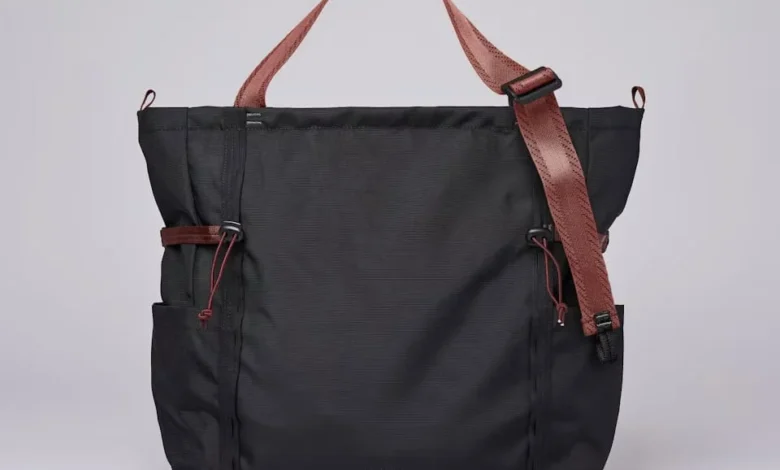
Swedish brand Sandqvist has gained significant traction in the UK market by focusing on the "Fair Wear" model. Their membership with the Fair Wear Foundation necessitates an open-book policy regarding factory conditions. For a consumer, this offers an objective assurance that the manufacturing of their bag involves fair wages, reasonable working hours, and the absence of child or forced labor. Their focus on repairability—designing bags so that components can be replaced rather than the entire product discarded—aligns with the "Right to Repair" movement currently gaining momentum in EU and UK policy circles.
Economic and Ethical Implications
The shift toward ethical accessories has tangible economic implications. While sustainable products often carry a higher initial price point—frequently ranging from £50 to over £100—the "cost-per-wear" metric provides a more accurate assessment of value. A bag designed for longevity, using high-quality recycled materials, is statistically likely to outlast "fast fashion" alternatives by a factor of three to five.
Furthermore, the integration of vegan materials, such as pineapple-leaf leather (Piñatex) and apple-peel derivatives, represents a technological advancement in material science. These alternatives are designed to mimic the properties of animal leather without the high carbon and water footprint associated with livestock agriculture and heavy-metal tanning.

Expert Analysis of Market Trends
Sustainability experts note that the primary challenge for the coming decade is not just the use of recycled materials, but the creation of a "take-back" infrastructure. Currently, while many of these brands offer repair services, the ability to fully recycle a complex bag—which often contains zippers, buttons, and mixed materials—remains a technical hurdle.
The industry is currently moving toward "Design for Disassembly," where bags are constructed in a way that allows them to be easily deconstructed at the end of their life cycle. This will be the next frontier in the sustainability narrative. As brands continue to refine their supply chains, the onus also remains on the consumer to move away from impulsive purchasing habits and toward an investment-based approach, prioritizing durability and timeless aesthetics over seasonal trends.
Conclusion: A Strategic Shift for the Conscious Consumer
The current UK market for ethical bags is robust and expanding. Whether through the hyper-local manufacturing of BEEN London, the innovative upcycling of Elvis & Kresse, or the supply-chain rigor of Sandqvist, consumers now have access to products that do not compromise on function or style.

The transition to a sustainable wardrobe is not merely an aesthetic choice; it is a direct participation in a necessary economic transformation. As regulatory frameworks tighten and consumer awareness grows, the brands that thrive will be those that can provide verifiable, transparent, and durable solutions to the challenges of modern consumption. By choosing brands that prioritize recycled materials and fair labor, the individual consumer plays a vital role in curbing the environmental impact of the global fashion industry.
Related posts: