Mediterranean Bean Salad: A Nutritional Analysis of Sustainable Meal Prep Solutions

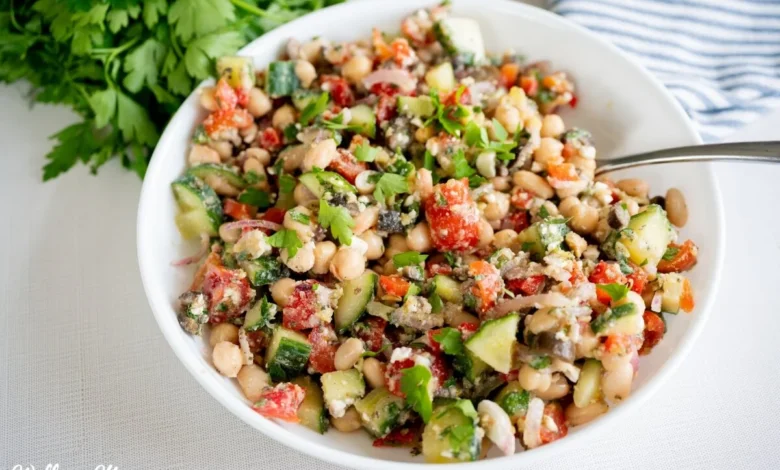
The modern culinary landscape is witnessing a significant shift toward nutrient-dense, shelf-stable, and time-efficient meal preparation strategies. As busy schedules become the norm for the average household, the Mediterranean bean salad has emerged as a focal point for nutritionists and home cooks alike. This dish, characterized by a combination of legumes, fresh vegetables, and a base of healthy monounsaturated fats, represents a intersection between traditional Mediterranean dietary patterns and the contemporary demand for "batch-cooking" efficiency. Unlike leafy green salads that succumb to oxidation and wilting within hours, legume-based salads maintain their structural integrity and flavor profile for several days when stored under refrigeration.
The Nutritional Architecture of Legume-Based Salads
At the core of the Mediterranean bean salad lies a deliberate balance of macronutrients. By combining chickpeas—scientifically known as Cicer arietinum—and cannellini beans (Phaseolus vulgaris), the dish provides a robust supply of both soluble and insoluble fiber. According to data from the U.S. Department of Agriculture (USDA), a standard serving of mixed beans contains approximately 6 to 8 grams of fiber, which is instrumental in maintaining digestive health and regulating blood glucose levels.
The inclusion of olive oil serves as the primary lipid source, providing a high concentration of oleic acid, a monounsaturated fatty acid associated with cardiovascular health. When paired with lemon juice, which acts as a natural preservative and flavor enhancer due to its citric acid content, the dressing serves as a functional component that prevents the browning of vegetables like cucumbers and bell peppers. The addition of fresh herbs, including parsley, mint, and oregano, introduces secondary metabolites and antioxidants, including apigenin and rosmarinic acid, which contribute to the anti-inflammatory properties of the dish.
Chronology of Culinary Adaptation
The rise of the Mediterranean bean salad in the domestic sphere can be traced to the broader adoption of the "Mediterranean Diet," which was formally recognized by UNESCO as an Intangible Cultural Heritage of Humanity in 2010. While the components of this salad have been staples in Greek and Italian households for centuries, their systematic integration into Western "meal prep" culture began to accelerate around 2015.
During the 2020 global health crisis, supply chain disruptions and a renewed focus on home cooking led to a surge in interest regarding shelf-stable pantry staples. Legumes, being both affordable and long-lasting, moved from being secondary ingredients to primary protein sources. Data from retail food trackers during the 2020–2022 period indicated a 22% increase in the consumption of canned and dry pulses, as consumers sought meals that minimized the frequency of grocery store visits. The Mediterranean bean salad became a popular solution because it allowed for large-batch production, providing up to four days of stable, nutrient-dense meals.
Supporting Data and Compositional Analysis
A typical 8-serving batch of Mediterranean bean salad provides a calculated caloric density of approximately 200 calories per serving. The composition breakdown is as follows:
- Total Fat: 11 grams, with 7 grams derived from monounsaturated sources (olive oil).
- Carbohydrates: 20 grams, largely complex carbohydrates from the legume starch matrix.
- Protein: 8 grams per serving, providing a significant portion of plant-based amino acids.
- Micronutrients: The dish is a substantial source of Vitamin C (approx. 35% of the Daily Value) and Iron (17% of the Daily Value), largely contributed by the inclusion of fresh bell peppers and pulses.
The relatively high sodium content—often totaling around 797mg per serving—is primarily a function of the brining process used in canned beans and the inherent salt content of feta cheese. Nutritionists often advise that home cooks looking to lower the sodium profile can mitigate this by rinsing canned beans thoroughly under cold water for 30 to 60 seconds, which can reduce sodium content by up to 40%.
Comparative Analysis of Preparation Methods
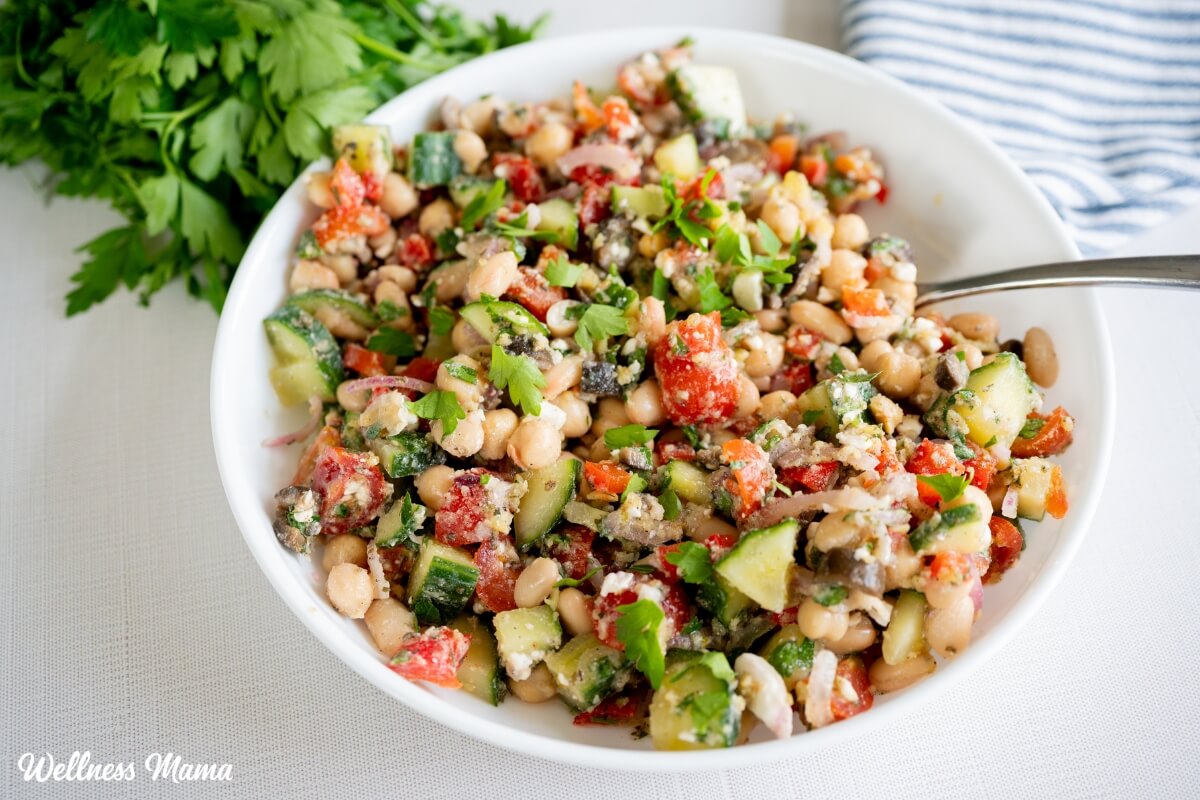
The logistical advantage of the Mediterranean bean salad over traditional salads is its lack of reliance on delicate foliage. Leafy greens, such as iceberg or romaine lettuce, contain high water content and high surface area, making them prone to rapid enzymatic browning when exposed to dressing. In contrast, the dense cellular structure of beans and the low-moisture environment of chopped peppers and cucumbers allow the dressing—a vinaigrette of oil, lemon, and herbs—to marinate the ingredients without causing structural breakdown.
Culinary experts note that the "resting period"—a minimum of 15 minutes post-assembly—is critical. During this time, the osmotic pressure allows the dressing to penetrate the skins of the beans, effectively seasoning the dish from the inside out. This makes the salad a "functional food" that arguably improves in quality 24 hours after preparation, a stark departure from most prepared foods which lose freshness over time.
Broader Impact and Economic Implications
The prevalence of such recipes reflects a broader economic trend: the "do-it-yourself" (DIY) approach to meal components. By manufacturing salad dressings at home, consumers avoid the preservatives, stabilizers, and high-fructose corn syrups often found in commercial alternatives. A standard pint-sized Mason jar method for dressing production—incorporating olive oil, lemon, and dried or fresh herbs—represents an estimated 60% cost savings compared to purchasing pre-made vinaigrettes.
Furthermore, the versatility of the salad allows for significant waste reduction. Because the recipe is "ingredient-agnostic," it serves as an effective vessel for utilizing leftover produce. For instance, the substitution of cannellini beans for Great Northern or butter beans allows the consumer to utilize whatever is currently in their pantry. This flexibility is a key tenet of sustainable kitchen management, directly addressing the issue of household food waste, which accounts for approximately 30–40% of the food supply in the United States according to Environmental Protection Agency (EPA) estimates.
Expert Perspectives on Dietary Sustainability
Registered dietitians have increasingly championed plant-forward meals like the Mediterranean bean salad as a bridge for individuals transitioning away from high-meat-consumption diets. The "satiety index" of the dish is high, owing to the fiber-to-protein ratio. When paired with secondary proteins, such as grilled chicken or salmon, the dish transforms from a side to a comprehensive, calorically complete dinner.
The cultural impact of such dishes is also notable. As the world becomes more connected, the globalization of Mediterranean flavor profiles has made ingredients like feta, kalamata olives, and chickpeas ubiquitous in mainstream supermarkets. This accessibility lowers the barrier to entry for cooking healthy meals at home, effectively democratizing access to high-quality nutrition.
Conclusion and Future Outlook
The Mediterranean bean salad stands as a testament to the effectiveness of simple, traditional food preparation methods in solving modern logistical problems. By prioritizing long-lasting, nutrient-dense ingredients and emphasizing the science of flavor infusion, it provides a replicable model for sustainable eating. As consumers continue to face the pressures of time-constrained schedules and rising food costs, the reliance on such versatile, batch-prepared dishes is expected to persist. Future iterations of this dish will likely continue to evolve, incorporating regional variations of legumes and local, seasonal produce, further cementing its place as a cornerstone of the modern, health-conscious pantry. Through the combination of fiber-rich pulses, heart-healthy fats, and the careful application of fresh aromatics, the Mediterranean bean salad proves that culinary excellence does not require complexity, but rather a strategic understanding of ingredients and their long-term stability.
Related posts: