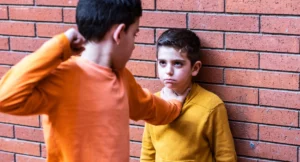
The Enduring Significance of Sportsmanship in Youth Athletics: Cultivating Character Beyond the Scoreboard

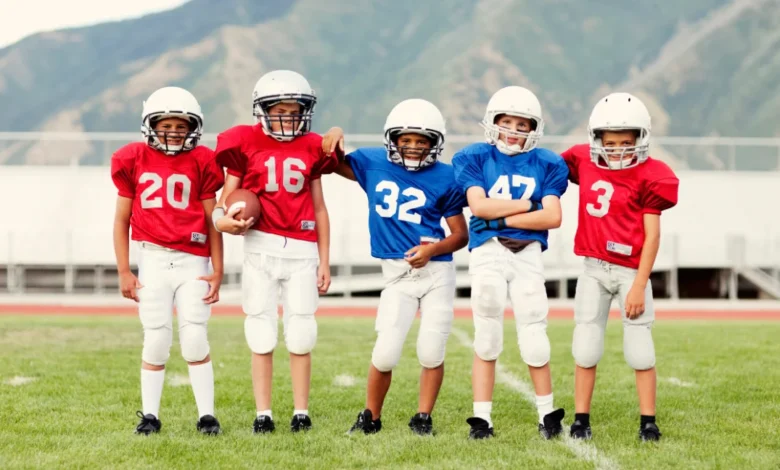
In the increasingly competitive world of youth sports, the true measure of success extends far beyond wins and losses. While the thrill of victory is undeniable, the fundamental value of sportsmanship stands as the cornerstone of character development, shaping young athletes into respectful, resilient, and empathetic individuals. This comprehensive approach to youth sports parenting underscores that the skills acquired on the field – emotional regulation, accountability, and respect for all participants – are invaluable life lessons that transcend athletic arenas.
The Evolving Landscape of Youth Sports: A Historical Perspective
Organized youth sports, as we know them today, have undergone a significant transformation. What began as informal community-based activities focused on physical recreation and camaraderie in the early to mid-20th century has gradually evolved into a highly structured, often professionalized, industry. Historically, neighborhood games and school-yard contests prioritized participation and intrinsic enjoyment. However, the latter half of the century witnessed a shift, fueled by the professionalization of adult sports and the increasing aspiration for athletic scholarships and elite pathways. This evolution has, in many instances, inadvertently fostered a "win-at-all-costs" mentality, where the outcome of a game can overshadow the developmental process and the cultivation of positive character traits.
This intensified focus on performance has introduced considerable pressure on young athletes and their families. Early specialization in a single sport, year-round training regimens, and the pursuit of elite travel teams have become commonplace. While such environments can hone athletic skills, they also risk diminishing the joy of play and placing undue stress on children, potentially leading to burnout, anxiety, and a diminished sense of self-worth if success is solely tied to results. Recognising this trend, prominent organizations like the Positive Coaching Alliance (PCA) and the Aspen Institute’s Project Play have emerged as advocates for a balanced approach, urging a return to fundamental principles that prioritize child development, physical literacy, and, critically, sportsmanship. Their research consistently highlights that when fun, development, and character are emphasized, young athletes are more likely to stay engaged in sports longer and reap greater benefits.
The Imperative of Sportsmanship: Data and Developmental Benefits
The importance of sportsmanship is not merely anecdotal; it is substantiated by extensive research into child development and psychology. Sports provide a unique laboratory for children to learn crucial life skills in real-time, under varying degrees of pressure.
- Psychological Resilience: Studies, such as those published in the Journal of Sport Psychology, consistently demonstrate that children engaged in sports with a strong emphasis on sportsmanship develop greater emotional regulation skills. They learn to manage disappointment, frustration, and excitement in healthy ways. The ability to lose graciously, for instance, teaches humility and the capacity to rebound from setbacks, fostering a resilient mindset that is vital for navigating challenges in all aspects of life. Conversely, a hyper-focus on winning can lead to increased anxiety, fear of failure, and a tendency to externalize blame.
- Social Competence and Empathy: Team sports inherently require cooperation, communication, and an understanding of others’ roles and feelings. The PCA advocates for "Honoring the Game," which includes respect for rules, officials, opponents, teammates, and self. This framework directly promotes empathy, as children learn to consider the perspectives of others, celebrate collective achievements, and support teammates through difficulties. Research indicates that children who consistently demonstrate good sportsmanship tend to exhibit higher levels of social intelligence and are better equipped to form positive interpersonal relationships.
- Long-term Life Skills Transfer: The skills honed through sportsmanship—leadership, perseverance, problem-solving, and respect for authority—are highly transferable. A 2018 study by the National Association of Sports Officials (NASO) highlighted that youth sports officials often face verbal abuse, a stark indicator of declining sportsmanship. Addressing this issue at the parental level is crucial, as it models respect for rules and authority, lessons that are directly applicable to academic settings, future workplaces, and civic engagement. These soft skills are increasingly valued by educators and employers, far outweighing the transient glory of a childhood trophy.
- Athlete Retention and Well-being: Data from Project Play reveals that a significant percentage of children drop out of organized sports by age 13, with a lack of fun and excessive pressure being primary reasons. When sportsmanship is prioritized, and the focus shifts from winning to growth and enjoyment, children are more likely to maintain their enthusiasm and continue participating, reaping the long-term physical and mental health benefits of an active lifestyle. A positive sports environment, underpinned by good sportsmanship, contributes significantly to a child’s overall well-being and positive self-identity.
Parenting Strategies for Nurturing a Respectful Athlete
Parents are the primary architects of their children’s character. In youth sports, their influence is unparalleled, shaping attitudes, behaviors, and ultimately, the athlete’s entire experience. Here are ten positive sports parenting strategies, enriched with expert insights and practical applications, to foster a respectful and resilient athlete.
1. Shifting Paradigms: From Victory to Virtue
It is natural for parents to celebrate their child’s athletic achievements. However, the emphasis should subtly shift from outcome-based praise (e.g., "Great goal!") to effort-based recognition (e.g., "I admired your perseverance even when your team was trailing," or "You maintained composure under pressure today"). This approach aligns with psychologist Carol Dweck’s concept of a "growth mindset," where intelligence and ability are seen as malleable and capable of development through dedication and hard work, rather than fixed traits. By praising effort, resilience, and teamwork, parents instill lasting confidence and teach children that true success lies in continuous improvement and character building, irrespective of the scoreboard. This fosters intrinsic motivation and a lifelong love for the game, as opposed to external validation.
2. Weaving Teamwork into the Family Fabric
Teamwork is not confined to the playing field; it is a fundamental life skill that begins at home. Parents can actively encourage children to support teammates, offer assistance during drills, and acknowledge others’ contributions. Crucially, parents must model this behavior by enthusiastically applauding excellent plays by any child, even those on opposing teams. Expressing gratitude to coaches, referees, and volunteers further reinforces the collaborative spirit that underpins organized sports. As many youth sports coaches attest, parental support for the entire team, rather than just their own child, significantly elevates the team’s morale and performance, teaching children that collective success is as important as individual achievement. This also helps children develop social intelligence, understanding group dynamics and their role within them.
3. The Home Arena: Practicing Graciousness
Character development is an ongoing process that extends beyond formal training sessions. Everyday family interactions, such as board games, friendly family competitions, or even video games, offer invaluable opportunities to practice sportsmanship. These low-stakes environments are ideal for teaching children how to lose with dignity and win with humility. When a child experiences disappointment, parents can guide them through the emotions, helping them articulate feelings without resorting to blame or negativity. Child psychologists emphasize that practicing emotional literacy in a safe home environment significantly enhances a child’s ability to regulate their emotions during high-pressure situations on the field. This consistent reinforcement builds a strong foundation for managing both success and failure in a healthy manner.
4. Empowering Self-Advocacy: A Voice for Young Athletes
A common parental instinct is to intervene when a child faces perceived injustice, such as limited playing time or a coach’s decision. However, resisting this urge and instead teaching children to articulate their concerns respectfully and problem-solve independently is a powerful developmental tool. Parents can role-play difficult conversations or help children draft their thoughts. This approach, supported by developmental psychology, cultivates critical communication skills, builds self-confidence, and empowers children to navigate conflict constructively. It fosters a "resilient athlete" who possesses the agency to address challenges head-on, rather than relying solely on external intervention. This skill is vital not just in sports but in academic and future professional settings.
5. The Accountability Imperative: Beyond Blame
Adversity is an inevitable component of sports, whether it’s a controversial referee call, challenging weather conditions, or a teammate’s mistake. When a child attributes negative outcomes to external factors, parents have a crucial role in gently redirecting their focus towards what they can control: their effort, attitude, and sportsmanship. Asking questions like, "What do you think you could do differently next time?" encourages self-reflection and personal responsibility. This practice of accountability is one of the most profound character-building tools in youth sports parenting, teaching children to analyze their performance objectively and take ownership of their development. This internal locus of control is a hallmark of resilient individuals.
6. The Post-Game Ritual: Being an Emotional Anchor
A parent’s reaction immediately following a game, regardless of the score, has a profound impact on a child’s emotional processing. Maintaining a calm, positive, and supportive demeanor is paramount. It is generally advisable to refrain from immediate performance critiques unless the child initiates the conversation. Instead, simple, affirming statements like, "I loved watching you play today," or "You truly gave it your all out there," create a safe space. If the child wishes to discuss mistakes or frustrations, parents should listen empathetically and ask open-ended questions, allowing the child to process their experiences honestly. This consistent emotional support provides the security a young athlete needs to navigate the highs and lows of competition, fostering psychological well-being.

7. Respecting Roles: The Coach’s Domain
While well-intentioned, yelling instructions or critiques from the sidelines often distracts children, undermines the coach’s authority, and adds unnecessary pressure. Parents serve as crucial role models for appropriate sideline behavior. Enthusiastic cheering and positive reinforcement are beneficial, but detailed coaching should be left to the designated coaches. Youth sports organizations, such as the National Alliance for Youth Sports (NAYS), consistently issue guidelines for respectful spectator behavior, emphasizing that parents’ primary role is to provide unconditional support. When parents consistently model respect for the coaching staff, they reinforce the child’s respect for authority and the team structure, contributing to a more cohesive and productive environment.
8. Parental Modeling: The Power of Emotional Regulation
Children are keen observers of adult behavior. A parent’s reaction to a tough game, a controversial call, or a challenging situation is often mirrored by their child. If a parent loses their temper, it is vital to take responsibility for that lapse. A transparent admission, such as, "I got frustrated, and I didn’t handle that situation well. Here’s what I should have done instead," offers a powerful lesson in emotional maturity. This kind of authentic self-correction is a masterclass in emotional regulation, demonstrating that even adults make mistakes and, more importantly, how to acknowledge and learn from them. This transparency is crucial for cultivating the resilient athlete mindset parents wish to instill.
9. Media as a Mirror: Teachable Moments in Sports Culture
Sports movies, documentaries, and televised professional games offer rich material for character-building conversations. Parents can pause the action and engage children with questions like, "What qualities did that player demonstrate effectively?" or "How do you think their teammate felt in that moment?" These low-stakes discussions provide an excellent platform to explore complex values such as empathy, accountability, ethical decision-making, and sportsmanship without the pressure of a direct lecture. Analyzing real-world examples helps children internalize these values and apply them to their own experiences.
10. Prioritizing Joy: The Foundation of Lasting Engagement
The primary reason children engage in sports is for fun. When competitive pressure overshadows the inherent joy, children often lose interest and disengage. Parents must remain attuned to their child’s enthusiasm. Are they eager for practice? Do they genuinely enjoy playing? A significant decline in enthusiasm might signal burnout or excessive pressure. Data from youth sports surveys consistently show that "fun" is the top reason children play sports, and its absence is the leading reason they quit. Reassessing goals together and ensuring the experience remains enjoyable is crucial for long-term engagement and holistic development. The intrinsic motivation derived from joy is often the bedrock of sustained success, both in sports and in life.
The Bonus Imperative: Understanding When to Step Back
Even the most dedicated and supportive parents can inadvertently overstep. If a child consistently expresses frustration, anxiety, or a desire to quit, these signals must be taken seriously. Resilience in youth sports is not synonymous with never quitting; rather, it is about understanding when to pivot, reassess, and make informed decisions with confidence and self-awareness. Sometimes, the most empowering action a parent can take is to hit pause, openly discuss the child’s feelings, and explore alternative paths or ways to re-engage with the sport in a healthier manner. This teaches children the invaluable skill of self-assessment and prioritizing their well-being.
Broader Societal Implications: Cultivating Future Citizens
The lessons of sportsmanship learned in youth athletics extend far beyond the confines of the playing field. The ability to respect rules, cooperate with diverse individuals, manage emotions under pressure, and demonstrate empathy are foundational skills for responsible citizenship. Children who internalize these values are better equipped to navigate complex social interactions, contribute positively to their communities, and uphold ethical standards in their personal and professional lives. In an increasingly polarized world, the unifying power of sports, when played with integrity and mutual respect, offers a compelling model for civil discourse and collaborative problem-solving. Investing in sportsmanship in youth athletes is, therefore, an investment in the future quality of our society.
Conclusion: A Legacy Beyond Trophies
Raising a respectful and resilient athlete demands patience, consistent modeling, and a long-term perspective that prioritizes character over fleeting competitive outcomes. By focusing on effort, personal growth, and the development of intrinsic values, parents are not merely shaping a skilled player; they are cultivating a well-rounded human being. The scores and statistics of childhood games will eventually fade from memory, but the enduring values of sportsmanship – integrity, empathy, resilience, and respect – will remain, forming the bedrock of a fulfilling life. The most profound legacy a parent can leave is not a shelf full of trophies, but a child who carries these invaluable character traits into every area of their life, contributing positively to the world around them.
Frequently Asked Questions
Q: How do you raise a child who is a good sport?
A: Raising a good sport begins with consistent parental modeling. Prioritize effort and personal growth over winning, actively encourage empathy for both teammates and opponents, and help your child calmly process victories and defeats. Engage in discussions about fair play and respect, and consistently reinforce these values through your own actions and reactions. Psychologists emphasize that consistent positive reinforcement and a supportive home environment are key to fostering these traits.
Q: What should I say to my child after they lose a game?
A: After a loss, keep your message simple, positive, and supportive. Focus on their effort and enjoyment rather than performance. Phrases like, "I’m proud of how hard you worked today," or "I loved watching you play," are effective. Allow your child to lead any discussion about the game, and refrain from immediate performance critiques. Your role is to be an emotional anchor, providing comfort and stability, which helps them process disappointment constructively.
Q: Is it okay for my child to quit a sport?
A: Whether it’s okay for a child to quit a sport depends on the circumstances. If it’s a momentary frustration after a tough practice, encourage perseverance. However, if the sport consistently causes stress, anxiety, or no longer brings joy, it’s crucial to reevaluate. Experts suggest having an open conversation with your child to understand their feelings and motivations. Teaching a child to recognize when an activity is no longer serving their well-being and to make a confident decision to pivot is a valuable lesson in self-awareness and resilience, not a sign of failure.
Q: How Should Parents Handle Bad Calls in Youth Sports?
A: When your child experiences a perceived bad call, acknowledge their frustration, but immediately redirect their focus. You might say, "That was a tough call, and I understand why you’re upset, but I’m proud of how you continued to play with integrity." This approach teaches emotional management, demonstrating that while external factors are sometimes beyond control, one’s reaction and continued sportsmanship are always within their power. Modeling respectful behavior towards officials, even when disagreeing, is paramount in teaching children to navigate difficult situations with grace and respect for authority.