Pia Baroncini Shares Candid Journey of Parenting a Daughter with Autism, Highlighting Challenges and Unconditional Love

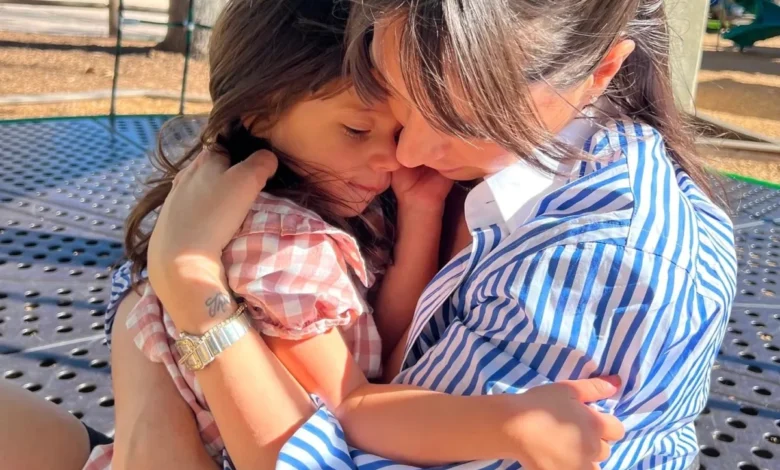
Influential creative director and podcast co-host Pia Baroncini has openly shared the deeply personal and often arduous journey of raising her daughter, Carmela, who was diagnosed with Autism Spectrum Disorder (ASD) and the SCN2A genetic variant. Baroncini’s recent essay offers a raw, unfiltered look into the daily realities, emotional complexities, and profound love that define her family’s experience, providing a critical perspective during Autism Awareness Month. Her account resonates with countless families navigating similar paths, underscoring the urgent need for understanding, support, and effective intervention.
A Challenging Path to Parenthood and Early Concerns
The road to parenthood for Pia Baroncini and her husband, Davide, was marked by significant hurdles even before Carmela’s birth. The couple endured over a year of trying to conceive, a painful miscarriage, and the subsequent grief. Faced with a fertility doctor’s grim prognosis that natural conception was unlikely, they were on the brink of beginning IVF treatments when a "miracle" pregnancy occurred. This period of intense emotional and physical strain set a precedent for the resilience that would become a cornerstone of their lives as parents.
Carmela’s arrival initially brought immeasurable joy. As a baby, she was described as happy and social, making eye contact and laughing. However, around six months, subtle physical delays began to surface. Baroncini noted Carmela’s inability to hold her own bottle and observed that other babies her age exhibited greater physical strength. By one year, and more pronouncedly at 18 months, these concerns escalated into a "real panic." Carmela was not meeting critical developmental milestones such as pulling to stand or walking, which typically qualify children for early government intervention programs. While well-meaning friends and family often offered reassuring platitudes like "crawling for a long time is great for development," Baroncini’s intuition signaled that something was profoundly amiss. This marked the beginning of a new reality for the family, characterized by an acute awareness of difference and the subtle, sometimes overt, societal reactions to it.
The Quest for Answers and a Life-Altering Diagnosis
The search for answers led Baroncini to a new pediatrician, a compassionate professional with personal experience raising a neurodivergent child. This doctor’s observation—that Carmela had not made eye contact during a 45-minute examination and was physically delayed—was a pivotal moment. The recommendation for immediate intervention at a regional center initiated a bureaucratic and often frustrating process that demanded immense patience. While navigating this system, Baroncini independently sought a local physical therapist whose specialized approach proved instrumental in Carmela’s progress, leading to her eventually learning to walk six months later.
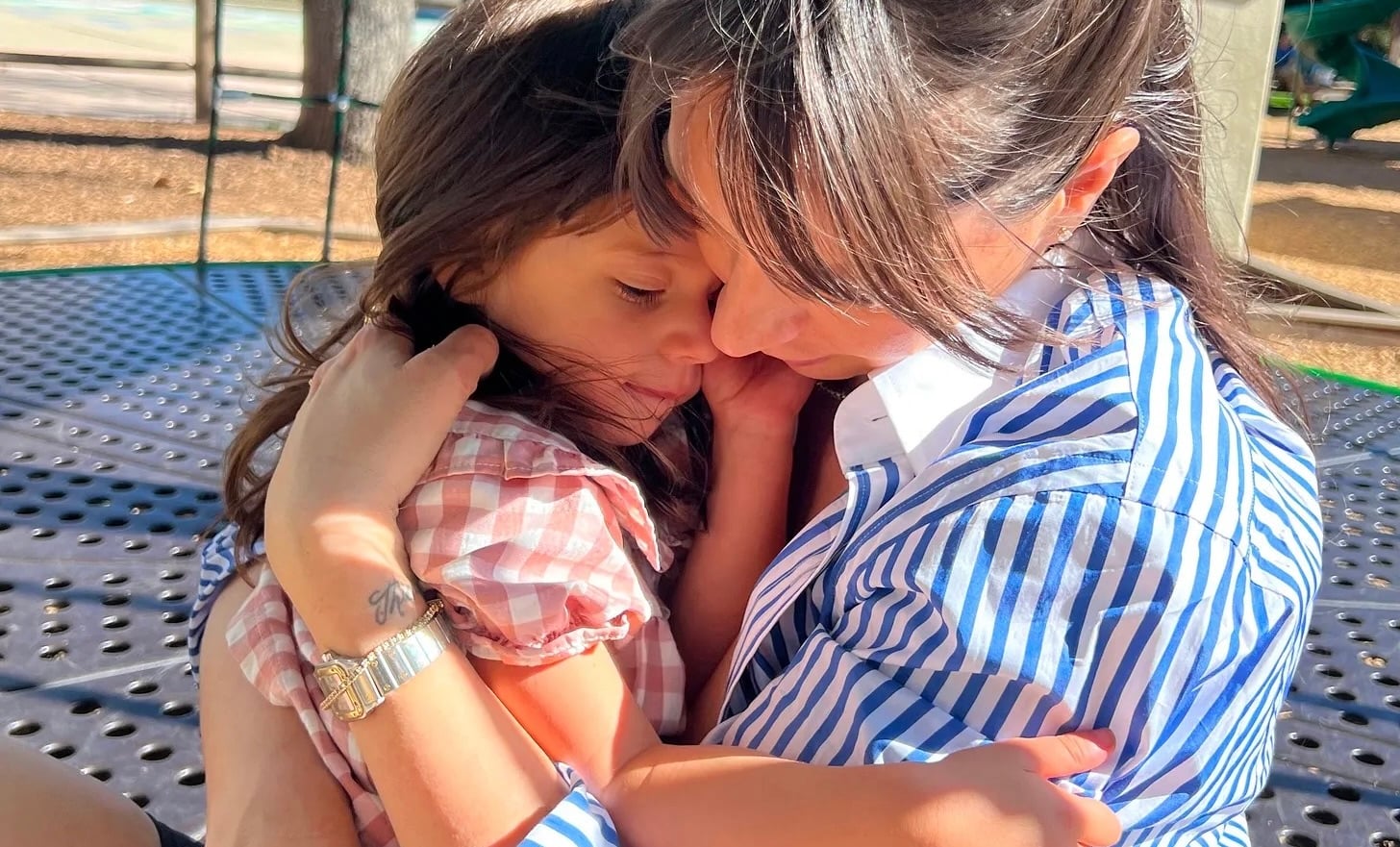
Concurrent with physical therapy, Baroncini immersed herself in research, leading to a critical realization: physical delays often signal underlying neurological issues. This understanding prompted a visit to a neurologist, where genetic tests were ordered. The results came back swiftly, confirming that Carmela carried the SCN2A variant, a genetic mutation known to cause autism, hypotonia (low muscle tone), and a spectrum of other related conditions. This official diagnosis, received when Carmela was two years old, was a watershed moment. Baroncini vividly recounts the raw grief shared with her husband in their car, a moment tragically echoed by Carmela’s own wails, as if she intuitively sensed the profound shift in her parents’ world. This poignant experience underscored for Baroncini the critical importance of managing her emotions around her daughter, no matter the internal turmoil.
Navigating the Complexities of Life with Autism
The period since Carmela’s diagnosis has been a "blur" of relentless activity: countless appointments, daily therapy sessions, navigating preschool admissions and subsequent switches, and an unending quest for specialists, programs, and even insights from online platforms like TikTok. This intense engagement in "the doing" has become Baroncini’s coping mechanism, a way to feel proactively involved in laying a foundational path for Carmela’s future.
Baroncini articulates a nuanced perspective on intervention, distinguishing it from an attempt to "fix" or change her daughter’s inherent nature. She firmly believes that Carmela’s brain possesses a unique beauty worthy of study. However, she emphasizes the profound suffering caused by Carmela’s inability to communicate basic needs—hunger, thirst, pain, or the need to use the bathroom. This communication barrier manifests as aggression, regression, sleep disruptions, and brain fog, severely impacting Carmela’s quality of life. For Baroncini, intervention is not about altering Carmela’s "frequency" but about equipping her with essential tools to navigate a world not inherently designed for her. The driving force is to empower Carmela to exist independently, without constant translation and navigation from her mother, especially given the finite nature of parental presence.
The daily reality is one of constant vigilance. Baroncini describes Carmela, nearly five years old, as having no sense of danger. She would "run into traffic if I let go of her hand," "put a knife in her mouth," or "swallow rocks." This necessitates an "ON" state for Baroncini every waking moment, a stark contrast to the development of her younger, neurotypical son, Carlo, who responds when called and exhibits typical affectionate behaviors.
The Juxtaposition of Neurotypical and Neurodivergent Parenting
The arrival of Carmela’s younger brother, Carlo, introduced an entirely new layer of complexity and emotional depth to Baroncini’s parenting experience. The juxtaposition of raising one neurotypical and one neurodivergent child, she explains, is "something I don’t have words for." The ease with which Carlo achieves milestones and expresses affection highlights the immense effort required for Carmela to navigate similar aspects of life. While Baroncini clarifies that her "almost anger" is never directed at Carlo, it stems from the painful disparity between what comes effortlessly to him and what costs Carmela "everything."
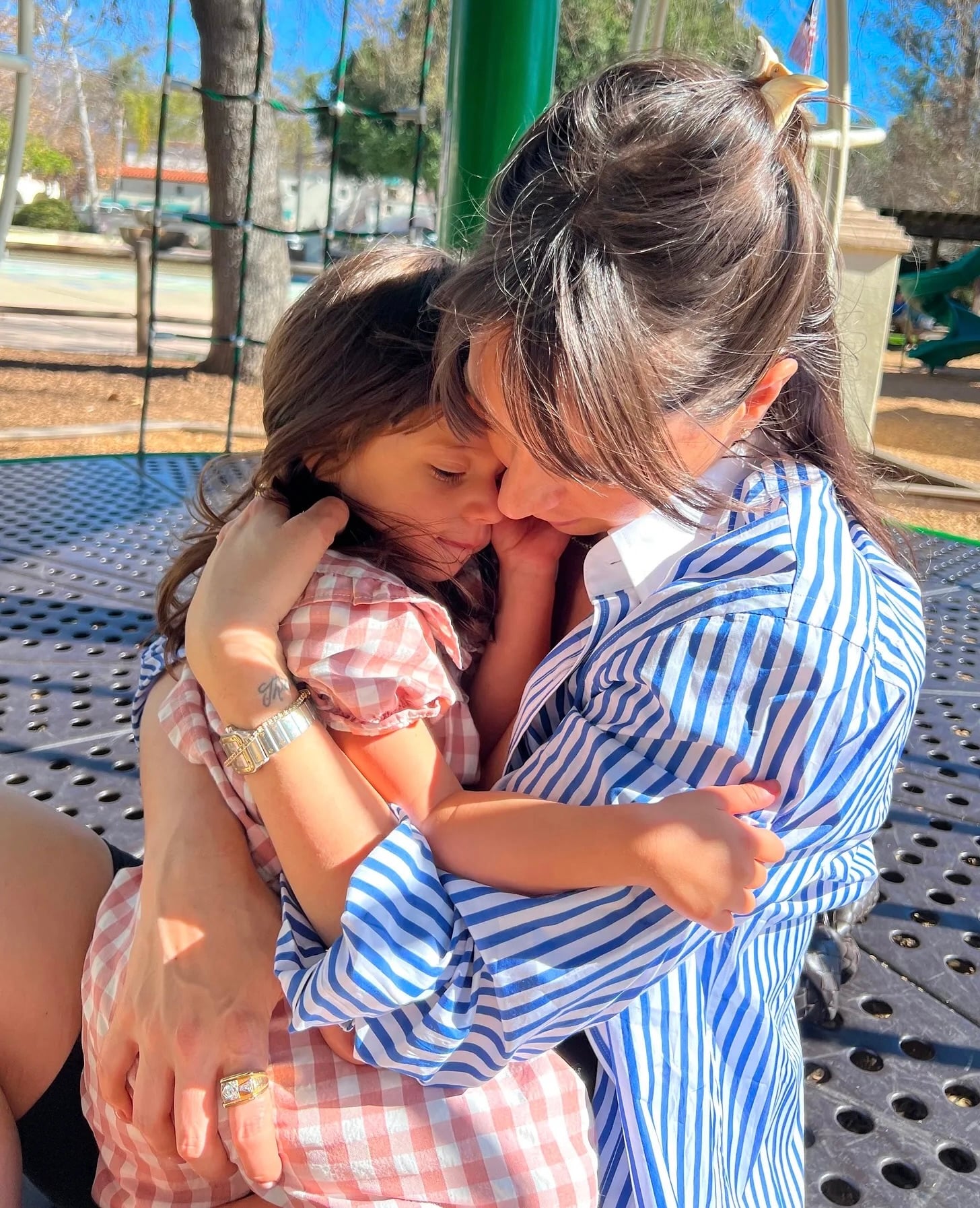
Carlo, in his innocent affection, "loves her," "pines for her," and expresses his care by washing her hair and showering her with hugs. Carmela, however, largely tolerates him, often pushing him away. Baroncini notes the profound connection felt when Carmela does make eye contact, making one feel like the "only person in the world." Yet, the experience of having a son who is deeply affectionate alongside a daughter who struggles with physical touch is a unique and challenging "experience."
Parental Grief, Societal Pressures, and the Future
Baroncini candidly shares the profound grief associated with relinquishing the imagined life for Carmela. Dreams of shared activities like ballet, cooking, painting, movies, and simple conversations have been quietly mourned, "without a funeral." While she regards Carmela as one of the "most magnificent creatures" she has ever known, the arduous work of reaching her and gently integrating her into a world not built for her is a slow, incremental process.
This emotional landscape is characterized by extreme highs and lows. Moments of "over the moon" joy are punctuated by sudden outbursts of screaming in her car, reflecting the immense pressure and emotional toll. Despite a "constant chorus of people saying, ‘She’s going to be great. It’ll be fine,’" Baroncini confronts the stark possibility that Carmela’s current state might be her permanent reality, and that a "real conversation" might never occur. She is learning, imperfectly, to hold this truth without collapsing, allowing fear and acceptance to coexist. The ultimate, haunting fear for Baroncini is Carmela’s future after her own passing: "What happens to her when I’m gone?"
Broader Context: Autism Spectrum Disorder, SCN2A, and Support Systems
Pia Baroncini’s story provides a deeply personal lens into the broader landscape of Autism Spectrum Disorder (ASD). ASD is a neurodevelopmental condition characterized by difficulties with social interaction and communication, and by restricted or repetitive patterns of thought and behavior. According to the Centers for Disease Control and Prevention (CDC), approximately 1 in 36 children in the United States has been identified with ASD, highlighting its significant prevalence. The range of symptoms and their severity varies widely, leading to the term "spectrum."
The SCN2A gene variant, identified in Carmela, is a specific genetic mutation associated with a spectrum of neurodevelopmental disorders, including autism, developmental delays, intellectual disability, and epilepsy. SCN2A encodes for a subunit of a voltage-gated sodium channel in the brain, which plays a crucial role in electrical signaling between neurons. Mutations in this gene can disrupt normal brain function, leading to the diverse clinical presentations observed. Research into specific genetic variants like SCN2A is vital for understanding the underlying mechanisms of autism and for developing targeted therapies, although the field is still evolving.
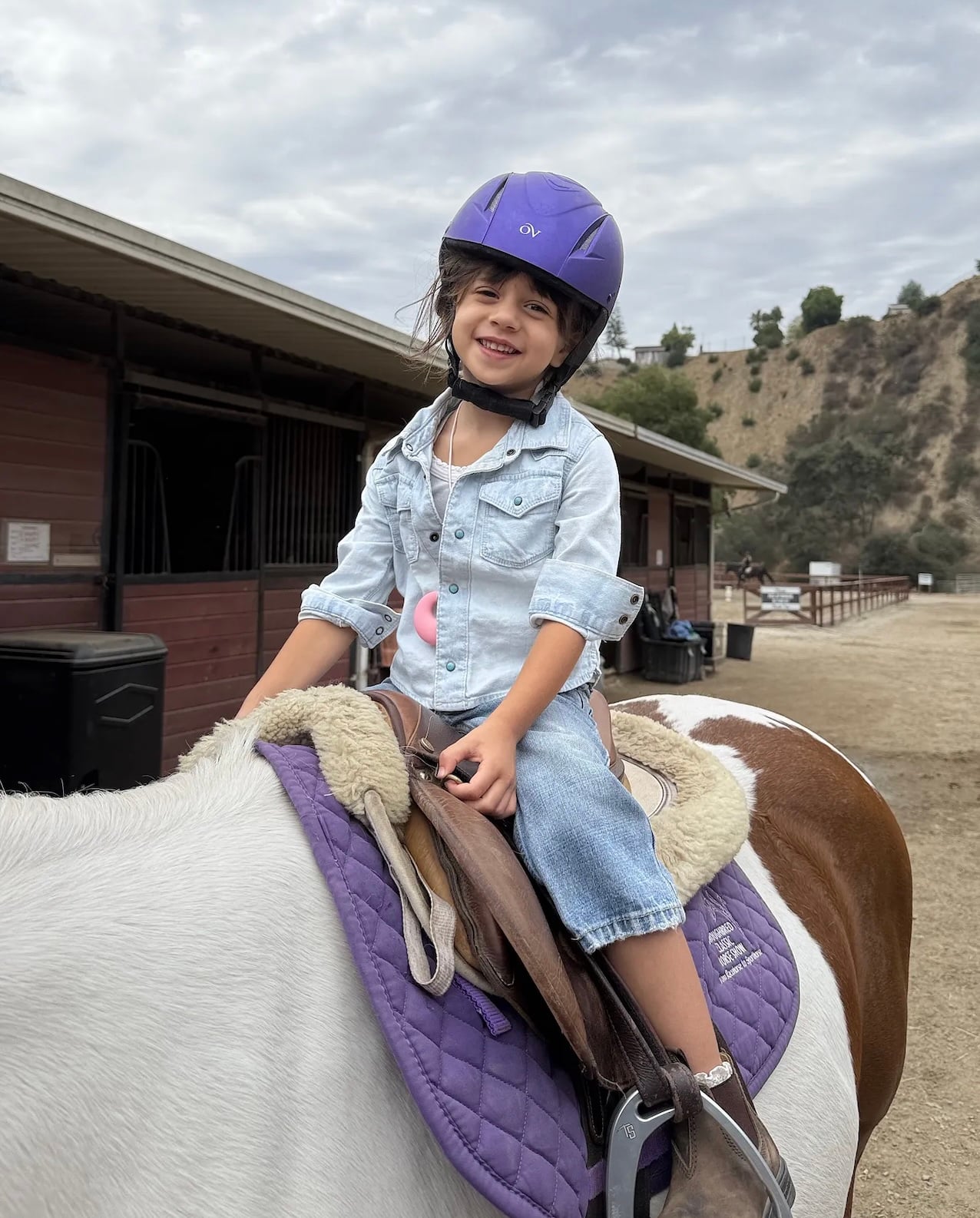
Early intervention, as emphasized by Baroncini’s experience, is widely recognized by medical and developmental professionals as critical for children with ASD and other neurodevelopmental delays. Comprehensive early intervention programs, often involving a multidisciplinary team of therapists (physical, occupational, speech), behavioral specialists, and educators, aim to improve developmental outcomes, enhance communication skills, and teach adaptive behaviors. Regional centers, as mentioned by Baroncini, are often key governmental or non-profit organizations that coordinate these services, helping families navigate the complex network of support.
The neurodiversity movement advocates for the acceptance of neurological differences as natural human variations, promoting the idea that autism is not a disease to be cured but a different way of experiencing the world. However, as Baroncini’s narrative powerfully illustrates, this perspective coexists with the very real and often debilitating challenges faced by individuals with significant support needs, particularly those with profound communication difficulties and safety risks. For these families, interventions are not about "fixing" identity but about alleviating suffering and fostering functional independence.
Implications and the Call for Awareness
Pia Baroncini’s decision to share her family’s story, particularly during Autism Awareness Month, serves as a powerful call to action. It sheds light on the often-invisible struggles of parents raising children with significant neurodevelopmental challenges, emphasizing the constant emotional labor, the financial strain of therapies, and the societal pressures they endure. Her candidness helps to destigmatize the conversations around special needs parenting, allowing others to feel seen and understood.
The implications of her narrative extend beyond individual families. It underscores the critical need for robust, accessible, and well-funded support systems for children with autism and their families. This includes not only early intervention programs but also ongoing educational support, respite care for parents, and long-term planning for adult care. Furthermore, Baroncini’s story highlights the importance of public awareness and empathy, encouraging a shift from well-meaning but often unhelpful platitudes to genuine understanding and support for the complex realities of neurodivergent lives. Her voice contributes significantly to a broader dialogue that seeks to balance acceptance of neurodiversity with the imperative to provide meaningful assistance to those who cannot advocate for themselves.
Related posts: