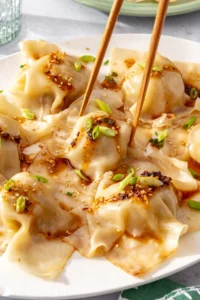
Understanding "normal" toddler eating patterns is paramount for parents seeking to reduce mealtime stress, minimize worry, and decrease food waste, thereby also lowering food costs. This comprehensive guide offers practical advice distilled from extensive experience, aiming to provide clarity and confidence to families navigating the complexities of feeding young children. While not every tip may revolutionize mealtimes, the collective wisdom presented here has been instrumental in alleviating parental concern over children’s eating habits and preferences. The accompanying image showcases a Spinach Grilled Cheese, a versatile dish whose filling can also be used in Spinach Quesadillas, offering a well-storing and palatable option for families.
The Foundation of Confident Family Feeding
The landscape of toddler nutrition is often perceived as a minefield of picky preferences and mealtime battles. However, a deeper understanding of typical developmental stages in eating habits can significantly demystify this process. From around the age of one, children naturally begin to assert their independence, and food often becomes a primary arena for this exploration. This can manifest as a reluctance to try new foods, a preference for familiar items, or a seemingly erratic appetite. Recognizing these behaviors as developmentally appropriate, rather than a personal failing, is the first crucial step for parents.
The YTF Community, as highlighted by its platform, serves as a vital support system for parents. It’s a space designed for the safe exchange of both the challenges and the triumphs associated with feeding families. The overarching philosophy is that informed parents are empowered parents, capable of creating more harmonious and less wasteful mealtimes. The initiative behind this advice underscores a commitment to providing actionable strategies that address the everyday realities of family nutrition.
Understanding Toddler Eating Patterns: A Developmental Perspective
Toddlerhood is a period characterized by rapid growth and development, but also by a burgeoning sense of autonomy. This desire for control extends to food choices. Statistics from organizations like the American Academy of Pediatrics indicate that picky eating is a common phase, affecting a significant percentage of toddlers, often peaking between the ages of two and six. This phase is not necessarily indicative of nutritional deficiencies if a varied diet is offered consistently. The challenge for parents lies in navigating this phase without resorting to pressure or short-order cooking, which can inadvertently reinforce picky behaviors.
The advice presented here aims to equip parents with strategies that foster a positive relationship with food, encouraging exploration and acceptance without coercion. It recognizes that consistency, patience, and a balanced approach are key. The goal is not to force children to eat specific foods, but to create an environment where they feel safe to explore and learn about different tastes and textures.
Key Principles for Encouraging Healthy Eating Habits
Central to the philosophy of confident family feeding is the principle of division of responsibility, a concept often advocated by feeding experts. This suggests that parents are responsible for what, when, and where food is offered, while the child is responsible for whether and how much they eat from what is offered. This framework can alleviate parental anxiety and reduce power struggles at the table.
Exposure and repetition are also critical. It can take multiple exposures, sometimes 10-15 or even more, for a child to accept a new food. This means continuing to offer a food, even if it’s initially rejected, without pressure. The visual appeal of food, its texture, and the way it is presented can all play a role in a child’s willingness to try it.

Involving children in the food process, from grocery shopping to simple meal preparation, can also increase their interest and willingness to eat. When children feel a sense of ownership over their meals, they are more likely to be adventurous.
Practical Strategies for Navigating Picky Eating
The 20 tips offered in the YTF Community are designed to be actionable and adaptable to various family dynamics. While the full list is exclusive to paid subscribers, the underlying themes often revolve around:
- Creating a positive mealtime environment: This includes minimizing distractions, eating together as a family whenever possible, and avoiding pressure or bribes.
- Offering variety and balance: Ensuring that meals include a range of food groups and that nutritious options are consistently available.
- Respecting a child’s appetite: Understanding that appetites fluctuate and that children are generally good at self-regulating their intake when offered appropriate foods.
- Modeling healthy eating: Children learn by example, so parents who demonstrate enjoyment of a diverse diet are more likely to raise children who do the same.
- Introducing new foods strategically: Pairing new foods with familiar favorites, offering them in different preparations, or presenting them in a fun and engaging way.
The Spinach Grilled Cheese, for instance, is a prime example of a "bridge food" – a familiar and well-loved item that incorporates a nutritious ingredient. By blending spinach into the cheese, the vibrant green is less visually intimidating, and the familiar comfort of grilled cheese makes it more approachable. This approach aligns with the strategy of making nutritious foods more palatable.
The Value of Community and Subscription-Based Resources
The decision to place a significant portion of this valuable advice behind a paid subscription model reflects a common strategy for content creators to sustain their work and offer deeper engagement. The YTF Community, as described, provides more than just a collection of tips. It offers a platform for ongoing discussion, peer support, and access to exclusive content such as:
- Weekly Meal Plans: These are often customizable, taking into account dietary needs, preferences, and seasonality, and can significantly reduce the mental load of meal planning.
- Bonus Recipes: Expanding the repertoire of family-friendly meals and snacks.
- Paywalled Essays: In-depth explorations of specific topics related to child nutrition and development.
- Commentary and Interaction: Direct engagement with other parents and potentially the content creator, fostering a sense of shared experience and problem-solving.
This tiered approach allows for a broad reach with free content while offering enhanced resources for those who wish to delve deeper and actively participate in a dedicated community. The implication is that investing in such resources can yield tangible benefits in terms of reduced stress and improved family mealtimes.
Broader Implications for Family Well-being
The impact of effective strategies for managing picky eating extends beyond mere food consumption. It contributes to a more peaceful home environment, reduces parental anxiety, and can prevent the development of disordered eating patterns later in life. When children learn to trust their bodies and develop a positive relationship with food from an early age, they are better equipped to make healthy choices throughout their lives.
Furthermore, reducing food waste has significant environmental and economic implications. By equipping parents with tools to create meals that are more readily accepted and by promoting the use of versatile ingredients like the one in the Spinach Grilled Cheese, the advice indirectly contributes to more sustainable household practices. The cost savings associated with reduced waste can also be substantial for families.
The YTF Community’s approach, therefore, represents a holistic effort to empower parents with knowledge and tools that can positively influence not only their children’s eating habits but also the overall well-being and harmony of the family unit. The commitment to providing accessible information, coupled with premium resources for those seeking more, positions the platform as a valuable ally in the ongoing journey of family nourishment.