The humble waffle, a breakfast classic, has been reimagined into a bite-sized marvel that is quickly becoming a go-to for parents seeking nutritious and convenient meal solutions. These Mini Waffles, distinguished by their traditional crispy texture and the inclusion of yogurt in the batter for an added nutritional boost, are proving to be a particular hit with young eaters. Their true value, however, lies in their exceptional batch-prep and freezing capabilities, allowing families to enjoy a wholesome breakfast or snack throughout the week with minimal effort.
The appeal of these miniature waffles is rooted in their adaptability and the inherent challenges many parents face in getting their children to consume balanced meals. As documented by numerous parenting resources, picky eating is a common developmental stage, often leading to mealtime stress. This recipe appears to circumvent those challenges by transforming familiar waffle flavors into a format that is both appealing and manageable for small hands. The author notes that children who might be hesitant with larger waffles readily embrace these mini versions, regardless of whether the batter incorporates ingredients like yogurt, protein powder, banana, or chocolate chips. This suggests that the size and presentation play a significant role in a child’s willingness to try new foods, a concept supported by child development experts who emphasize the importance of sensory exploration and positive food associations.
The underlying principle behind the success of these Mini Waffles lies in a blend of culinary simplicity and nutritional foresight. By utilizing basic, yet nutrient-dense ingredients, the recipe aims to provide a more wholesome alternative to commercially prepared frozen waffles, which often contain higher levels of sugar and preservatives and fewer beneficial nutrients. The inclusion of yogurt not only contributes to a tender texture but also introduces beneficial probiotics and protein, while other variations can further enhance the nutritional profile with added fiber and vitamins. This approach aligns with the growing trend among parents to prioritize homemade meals that offer both convenience and superior nutritional value, a trend amplified by concerns over processed foods and their long-term health implications.

A Deeper Look at the Nutritional Advantages
The nutritional profile of these Mini Waffles is a key selling point for health-conscious families. While specific ingredient quantities are detailed in the full recipe, the core concept emphasizes the integration of protein and fiber. These macronutrients are crucial for satiety, helping children feel fuller for longer periods and reducing the likelihood of mid-morning or mid-afternoon energy slumps. For toddlers, in particular, consistent energy levels are vital for cognitive development and physical activity. The inclusion of yogurt, a fermented dairy product, offers a source of calcium and can contribute to gut health due to its probiotic content. When prepared with whole-wheat flour or other whole grains, the fiber content can be further enhanced, aiding in digestion and promoting a feeling of fullness. The average nutritional breakdown per serving (two mini waffles) indicates approximately 119 calories, 14g of carbohydrates, 5g of protein, and 5g of fat. While the sugar content is relatively low at 3g, the protein and fiber contribute to a balanced macronutrient distribution, making them a more sustaining option than many typical breakfast cereals or pastries.
The Convenience Factor: Batch Preparation and Freezing
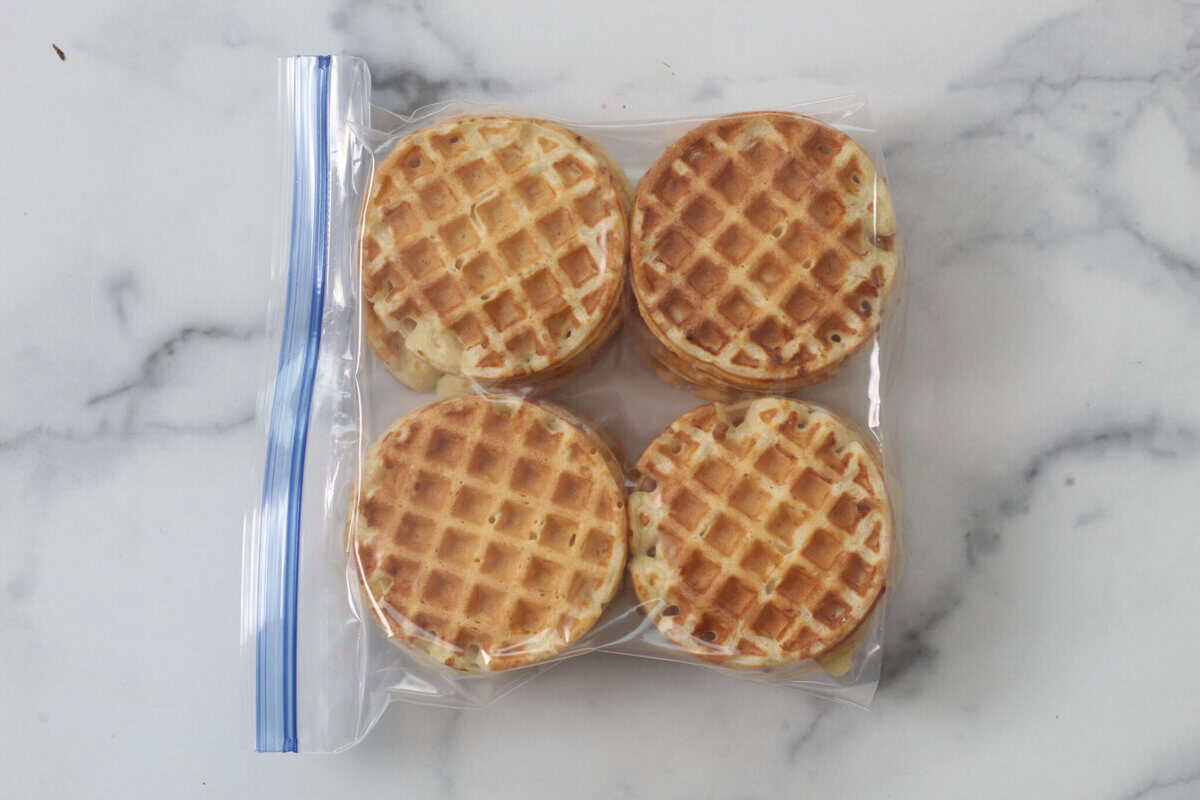
Perhaps the most significant advantage of the Mini Waffles recipe is its emphasis on meal preparation and storage. In today’s fast-paced world, parents are constantly seeking ways to streamline their routines without compromising on the quality of their children’s diets. The ability to batch-prep and freeze these waffles addresses this need directly. Once cooled completely, the waffles can be stored in airtight containers or freezer bags for extended periods, typically up to six months. This allows for an "on-demand" breakfast or snack solution. Reheating is as simple as placing them in a toaster on a low setting, which not only warms them through but also restores their desirable crispness. This strategy not only saves precious time on busy mornings but also reduces food waste, as excess batter can be efficiently preserved for later use. This method is particularly beneficial for working parents or those with multiple children, where consistent, healthy meal options are paramount.
Versatile Serving Suggestions
The versatility of Mini Waffles extends beyond their preparation and storage. They can be enjoyed in a multitude of ways, catering to different tastes and dietary needs. Served plain, they offer a simple, yet satisfying base. However, they truly shine when paired with complementary toppings. Popular suggestions include:
- Syrup: A classic accompaniment, though parents may opt for lower-sugar or natural syrup alternatives.
- Fruit Sauces: Homemade or store-bought fruit sauces, such as blueberry chia jam or strawberry sauce, add natural sweetness and a burst of vitamins and antioxidants. These can be particularly appealing to children due to their vibrant colors.
- Yogurt or Cream Cheese: For an extra protein and calcium boost, a dollop of yogurt or cream cheese can be a delightful addition.
- Nut Butters: A tablespoon of peanut butter, almond butter, or sunflower seed butter can provide healthy fats and additional protein, making the waffles even more filling.
Furthermore, the small size of the waffles makes them an excellent choice for baby-led weaning (BLW). Cut into strips, they provide an easy-to-grasp finger food for infants and toddlers, allowing them to practice self-feeding skills while enjoying a nutritious meal. This adaptability makes the Mini Waffles recipe a long-term asset for families, evolving with a child’s dietary needs and preferences from infancy through their early childhood years. They are also frequently incorporated into "breakfast for dinner" meals, offering a comforting and familiar option for any time of day.
The "Why This Recipe Works" Rationale
The success of this recipe is attributed to several key factors that resonate with its target audience:
- Nutritional Superiority: Compared to many store-bought alternatives, these homemade waffles offer a more controlled and beneficial ingredient list, prioritizing whole foods and reducing reliance on artificial additives and excessive sugars.
- Cost-Effectiveness: Preparing waffles from scratch is generally more economical than purchasing pre-made frozen options, especially when considering the volume that can be produced through batch cooking.
- Kid-Friendly Appeal: The miniature size and classic waffle texture are inherently appealing to children, making them a less contentious food option.
- Time-Saving Convenience: The batch-prep and freezing aspect significantly reduces daily cooking time, a critical factor for busy households.
- Adaptability: The core recipe can be easily modified to accommodate various dietary preferences and to incorporate a wider range of nutrients.
Ingredients and Preparation: A Straightforward Process
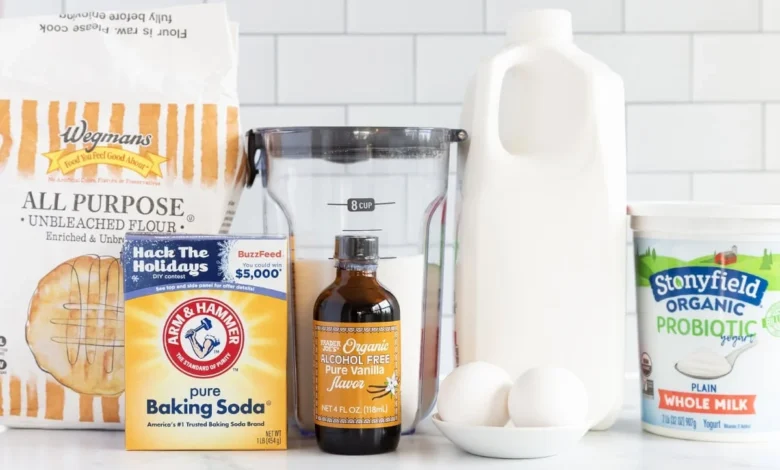
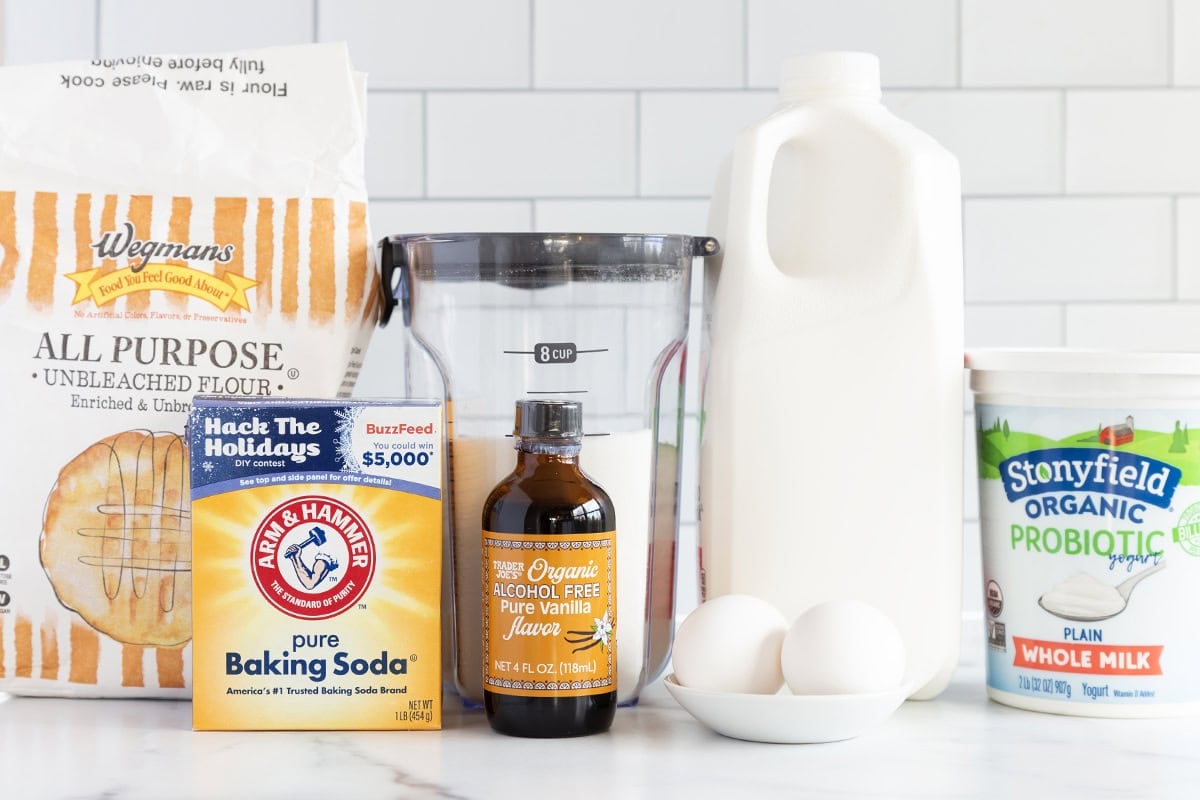
The ingredients required for these Mini Waffles are typically found in most home pantries, contributing to the recipe’s accessibility. While the exact list will vary based on the specific recipe variation, common components include:
- Flour: All-purpose flour, whole wheat flour, or a blend.
- Leavening Agents: Baking powder and/or baking soda to ensure a light and fluffy texture.
- Eggs: Provide structure and richness.
- Liquid: Milk, buttermilk, or yogurt, contributing moisture and flavor. Yogurt, as noted, adds a nutritional punch.
- Fat: Melted butter or oil for tenderness and to prevent sticking.
- Sweetener: Sugar, maple syrup, or honey, used judiciously.
- Flavorings: Vanilla extract, cinnamon, or other spices.
The preparation process itself is designed for ease:
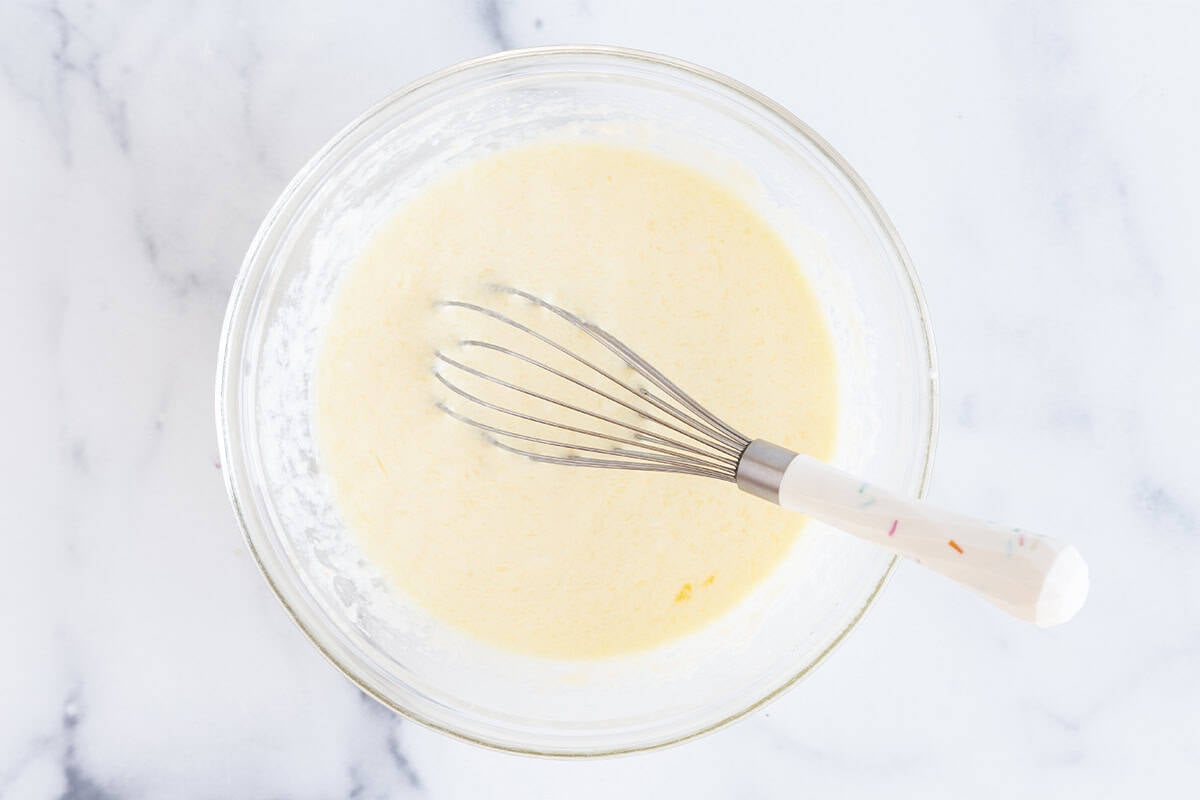
- Combine Wet Ingredients: Whisk together the liquid ingredients, eggs, and any liquid sweeteners or flavorings in a medium bowl.
- Combine Dry Ingredients: In a separate bowl, whisk together the dry ingredients, including flour, leavening agents, and salt.
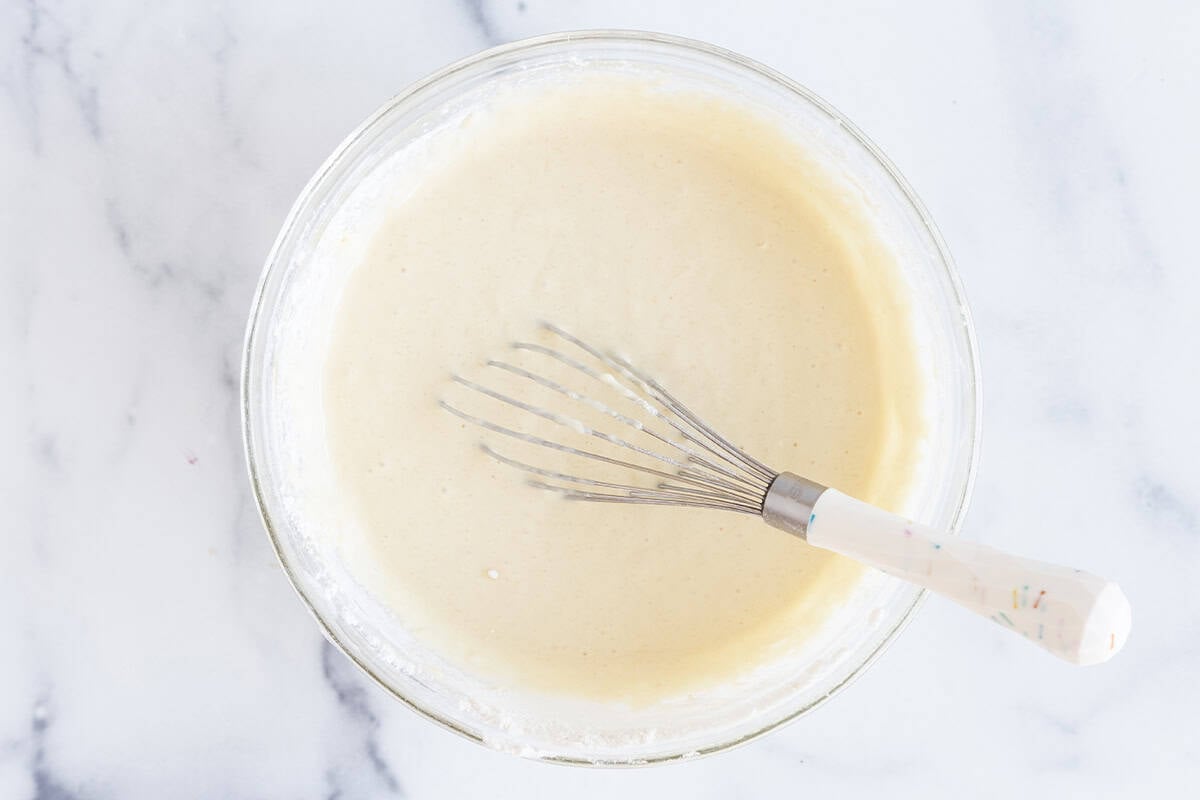
- Combine Wet and Dry: Gradually add the dry ingredients to the wet ingredients, mixing until just combined. Overmixing can lead to tough waffles. Some recipes may recommend a brief resting period for the batter to allow the flour to hydrate.
- Cook Waffles: Heat a waffle iron according to the manufacturer’s instructions. Lightly grease if necessary. Spoon or pour the batter onto the hot waffle iron, filling each mold without overcrowding.
- Cook and Cool: Cook until golden brown and cooked through. Remove the waffles from the iron and let them cool completely on a wire rack before storing. This step is crucial for maintaining crispness and preventing sogginess, especially if the waffles are intended for freezing.
Tips for Achieving Optimal Crispness and Storage
Maintaining the desired texture of waffles, particularly after they have been stored, is a common concern. The article offers practical advice:
- Cooling on a Wire Rack: Allowing waffles to cool on a wire rack post-cooking is essential. This permits air circulation, preventing steam from accumulating underneath and making the waffles soggy. This is particularly important for waffles that will be stored.
- Toasting for Reheating: For waffles that have been refrigerated or frozen, a quick toast in a toaster oven or regular toaster on a low setting is the best method for reheating. This not only warms them up but also reintroduces a delightful crispness, making them almost as good as freshly made.
- Proper Storage: Once completely cooled, store waffles in an airtight container in the refrigerator for up to five days. For longer storage, freeze them in a sealed freezer bag, ensuring as much air is removed as possible to prevent freezer burn.
Broader Implications for Family Nutrition and Meal Planning
The popularity and success of recipes like these Mini Waffles highlight a significant shift in how families approach meal preparation. There is an increasing awareness and demand for practical, healthy, and kid-approved food options. This trend is driven by several factors:
- Health Concerns: Growing concerns about childhood obesity, diabetes, and the long-term effects of processed foods are prompting parents to seek out more nutritious alternatives.
- Time Constraints: The demands of modern life, including dual-income households and busy schedules, necessitate efficient meal solutions that don’t sacrifice nutritional quality.
- Parental Empowerment: The internet and social media have provided parents with unprecedented access to information, recipes, and a community of like-minded individuals, empowering them to take a more active role in their family’s nutrition.
- Focus on Early Childhood Nutrition: Experts increasingly emphasize the critical role of nutrition in early childhood for long-term health and development. Recipes that cater to the specific needs and preferences of young children are highly valued.
The implications of such recipes extend beyond the individual family unit. They contribute to a broader culinary landscape that values both health and convenience. Food bloggers, recipe developers, and manufacturers are increasingly responding to this demand by offering more wholesome and time-saving options. The success of Mini Waffles serves as a testament to the enduring appeal of comfort food when it can be made both nutritious and incredibly convenient, offering a practical solution for the daily challenge of feeding families well.
Related posts: