A Comprehensive Guide to Spoon-Feeding Purees: Ensuring Healthy Eating Habits from the Start


Introducing solid foods to an infant is a pivotal moment in their development, often beginning with pureed meals. While the concept of blending fruits and vegetables for a baby seems straightforward, the practice of spoon-feeding purees is a nuanced process that significantly impacts a child’s lifelong relationship with food. Beyond the simple act of blending, parents must navigate crucial decisions regarding timing, technique, and the selection of appropriate tools. This guide, drawing on insights from pediatric dietitians and child development experts, aims to provide a comprehensive understanding of how to effectively and developmentally support a baby’s transition to solid foods through purees.
Understanding Pureed Baby Food
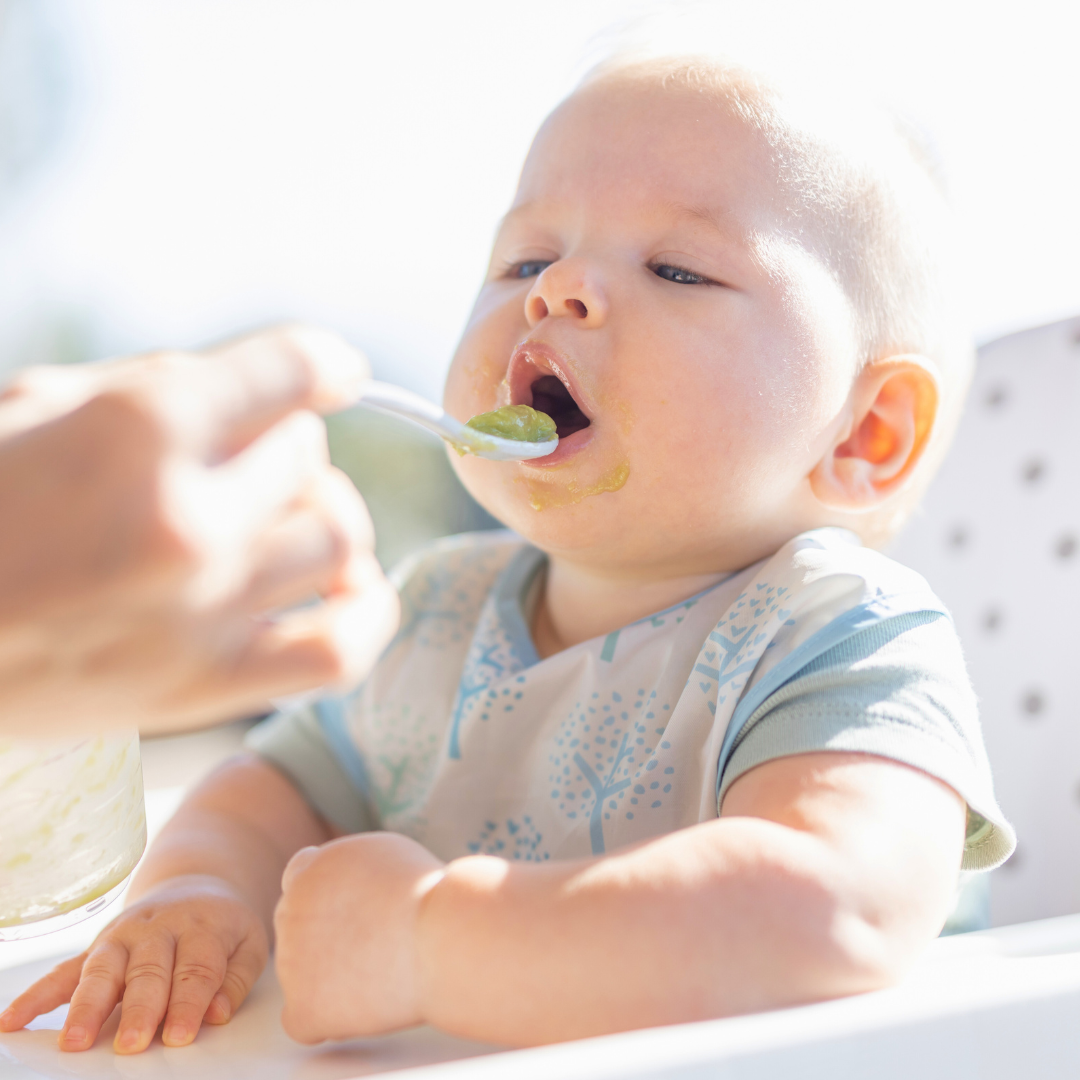
Pureed food is defined as any food that has been blended, mashed, or strained to achieve a smooth, spoonable consistency. This texture is typically thinned with breast milk, formula, or water, making it easy for infants to swallow. For babies commencing their solid food journey, purees serve as a vital bridge between the liquid nutrition of breast milk or formula and the more textured foods they will eventually consume. This method is a common starting point for many families, particularly those who do not opt for an immediate transition to baby-led weaning, which focuses on offering soft, graspable finger foods from the outset.
Some foods, like yogurt, are naturally pureed. Others, such as carrots or sweet potatoes, are mechanically transformed into a puree using blenders or food processors, often with the addition of a liquid to achieve the desired consistency. This versatility allows for a wide range of nutritional options to be introduced to infants.
The Evolution of Recommendations: When to Start Solids
Historically, it was common to advise parents to introduce purees as early as four months of age, with a subsequent transition to finger foods around six months. However, current pediatric nutritional guidelines have evolved significantly. Leading health organizations, including the World Health Organization (WHO), Health Canada, and the American Academy of Pediatrics (AAP), now recommend introducing complementary foods, whether purees or finger foods, around the six-month mark. This recommendation is contingent upon the infant demonstrating specific signs of developmental readiness, rather than adhering to a strict age-based timeline.
Developmental Readiness: The True Indicator

The shift in guidance from age-based to development-based readiness is rooted in a deeper understanding of infant physiology and oral motor skills. At four months, most infants have not yet developed the necessary motor skills and digestive maturity to safely and effectively process solid foods. Introducing solids prematurely can pose several risks:
- Increased Risk of Choking: Immature tongue-thrust reflexes and underdeveloped swallowing mechanisms can make it difficult for infants to manage purees, increasing the likelihood of choking.
- Digestive Issues: An infant’s digestive system is still maturing, and introducing solids too early can lead to discomfort, gas, and potential nutrient absorption challenges.
- Nutritional Displacement: Solid foods introduced before six months may displace the intake of breast milk or formula, which remain the primary source of nutrition for infants during this critical period. This can lead to inadequate calorie and nutrient intake.
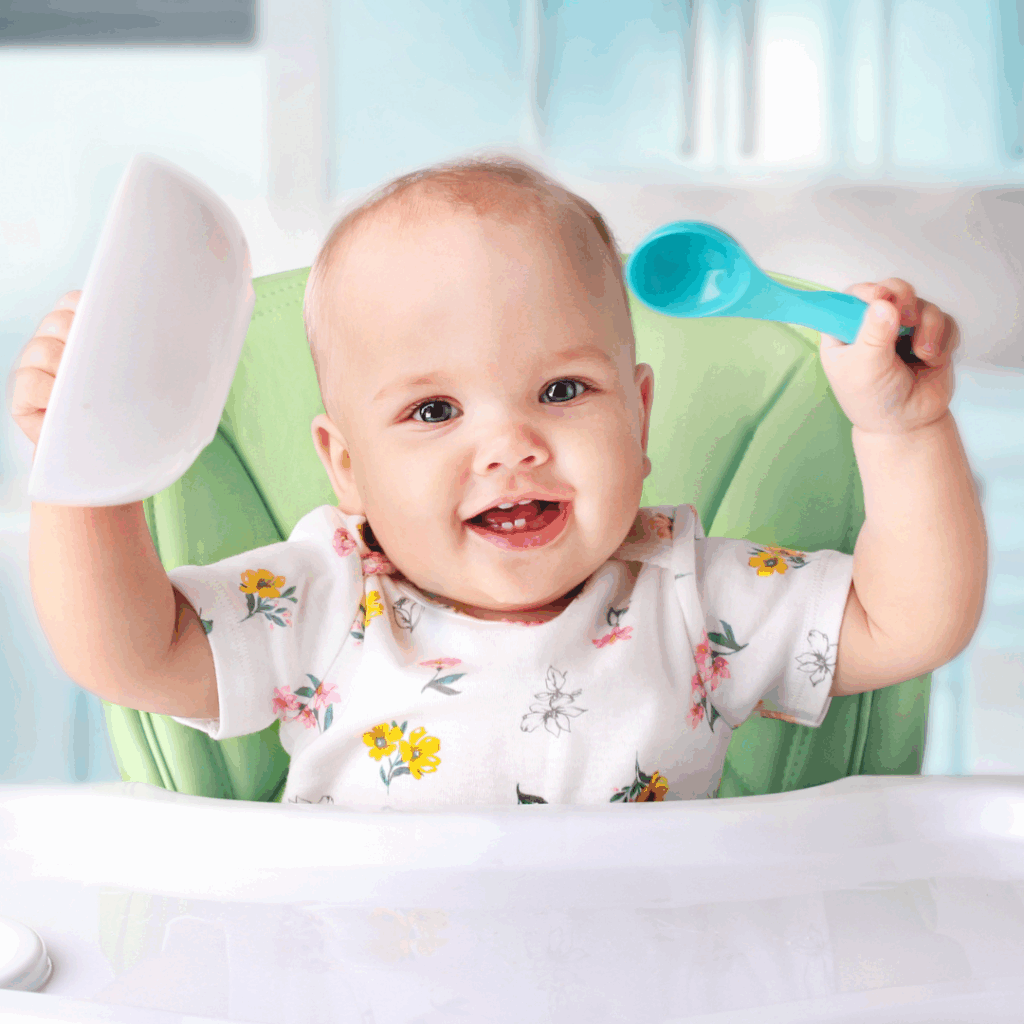
The readiness signs typically observed around six months include the ability to sit up with support, good head and neck control, a diminished tongue-thrust reflex (meaning they don’t automatically push food out with their tongue), and an interest in food. These developmental milestones are universal indicators that an infant is better equipped to handle the complexities of eating solid foods.
The Rationale Behind Starting with Purees
While not a mandatory first step, pureed foods are a popular and often beneficial starting point for introducing solids for several reasons:
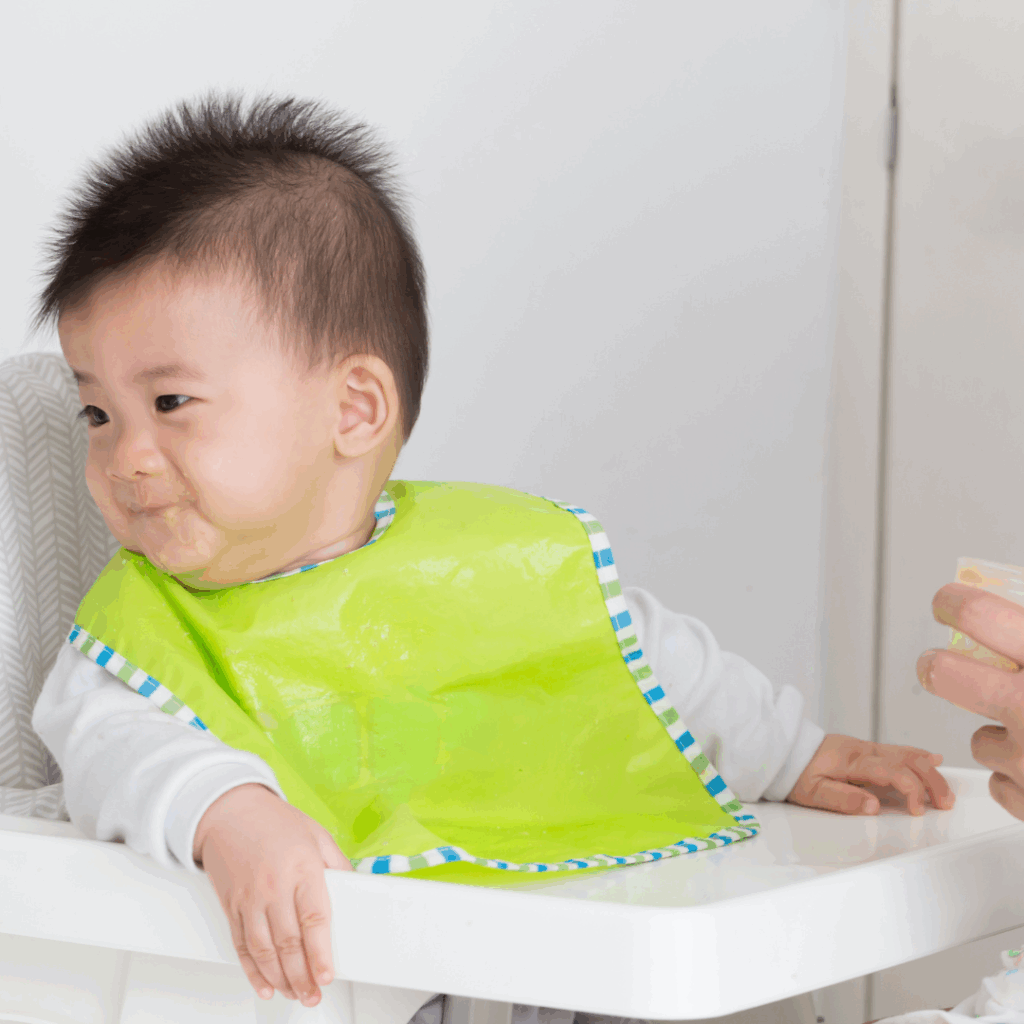
- Controlled Texture: The smooth consistency of purees allows parents to control the texture and volume of each bite, facilitating easier swallowing and reducing the initial learning curve for infants.
- Nutrient Delivery: Purees are an excellent vehicle for delivering essential nutrients, vitamins, and minerals from a variety of fruits, vegetables, and grains.
- Foundation for Texture Progression: Purees serve as an initial step in a carefully planned progression of textures. This gradual introduction helps babies develop the necessary oral motor skills for chewing and swallowing more complex foods later on. My Little Eater’s proprietary "Texture Timeline" framework is designed to guide parents through this progression, moving from smooth purees to mashed, lumpy, and eventually solid foods, thereby preventing picky eating habits.
The Art of Responsive Feeding: Beyond Spooning
Effective spoon-feeding extends beyond simply delivering food; it encompasses a philosophy known as responsive feeding. This approach emphasizes a partnership between parent and child, where the infant’s hunger and fullness cues are paramount in guiding the mealtime experience.
What is Responsive Feeding?
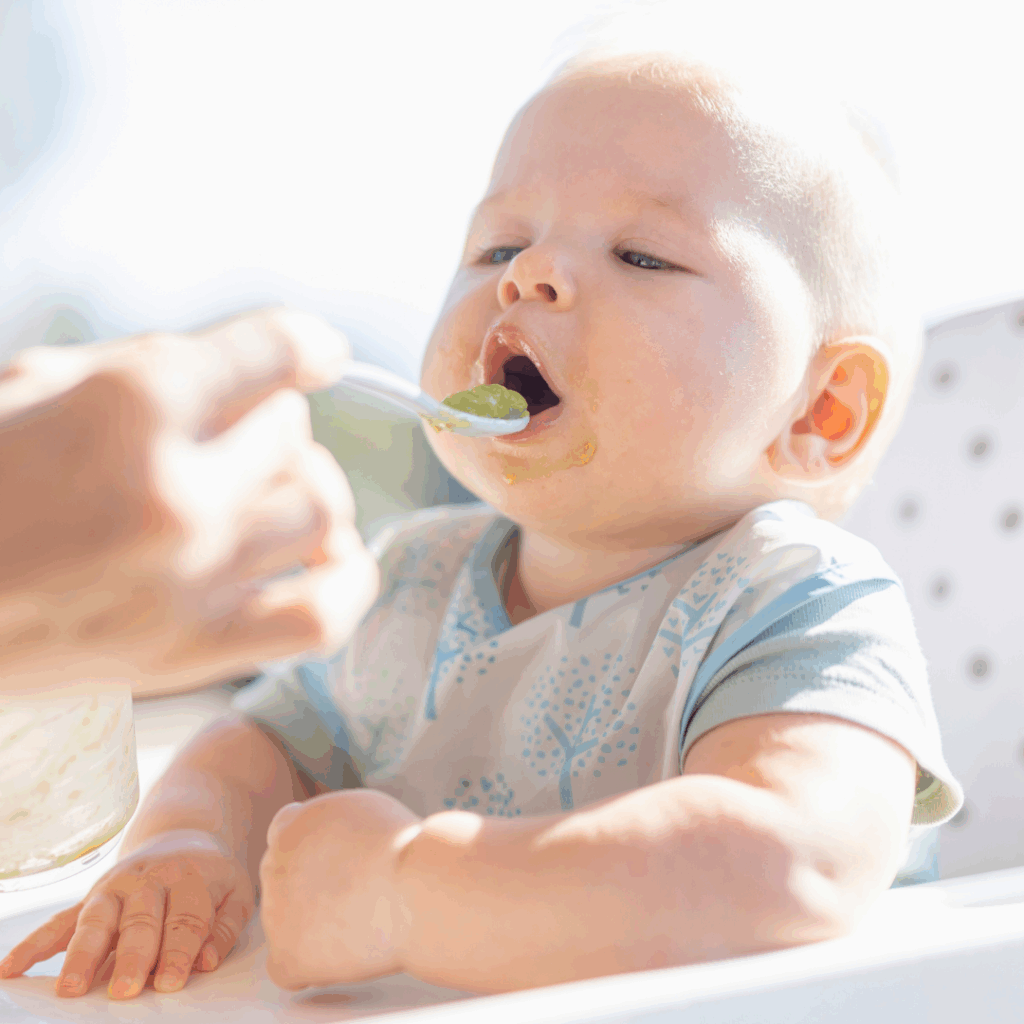
Responsive feeding is characterized by an attentive and sensitive approach to feeding, where parents observe and respond to their baby’s signals. It involves trusting the infant’s innate ability to regulate their food intake. Instead of focusing on the quantity of food consumed, responsive feeding prioritizes the quality of the interaction and the baby’s internal cues. This method is rooted in the understanding that babies, like adults, possess an intuitive sense of hunger and satiety, which they have already demonstrated through their feeding patterns with breast milk or formula.
Why Responsive Feeding Matters with Pureed Food
When parents engage in responsive feeding while offering purees, several positive outcomes emerge:
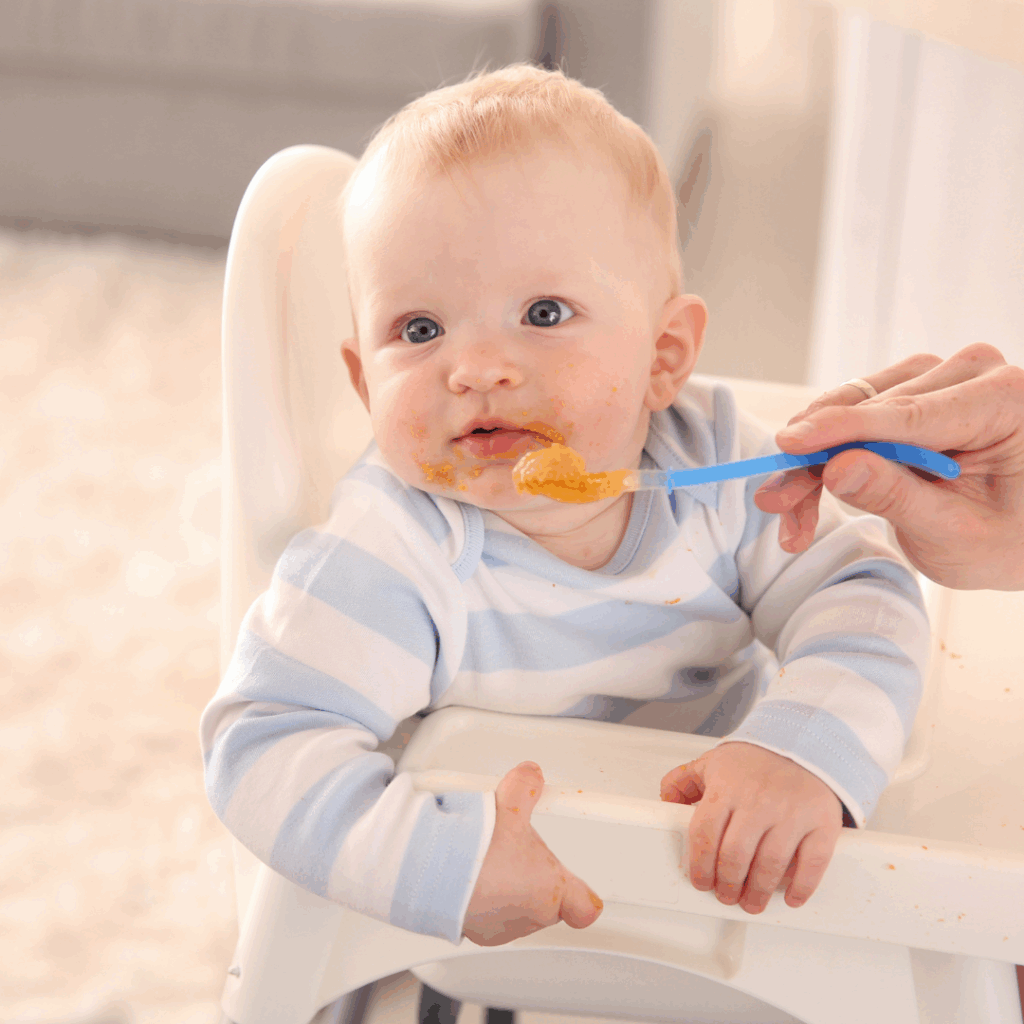
- Healthy Eating Habits: Babies learn to recognize and respond to their own hunger and fullness signals, fostering a positive and balanced relationship with food from the outset.
- Oral Motor Development: By allowing the baby to control the pace and amount of food taken, they are encouraged to practice the complex tongue and jaw movements necessary for chewing and swallowing.
- Reduced Risk of Picky Eating: A respectful feeding dynamic that honors the baby’s cues can help prevent power struggles and the development of food aversions later in childhood.
- Enhanced Trust and Connection: Responsive feeding strengthens the bond between parent and child, creating a safe and supportive environment around mealtimes.
Recognizing Your Baby’s Cues
Attuned observation of a baby’s cues is fundamental to responsive feeding. These signals can be subtle but are critical for understanding when a baby is ready to eat, when they are enjoying their food, and when they have had enough.
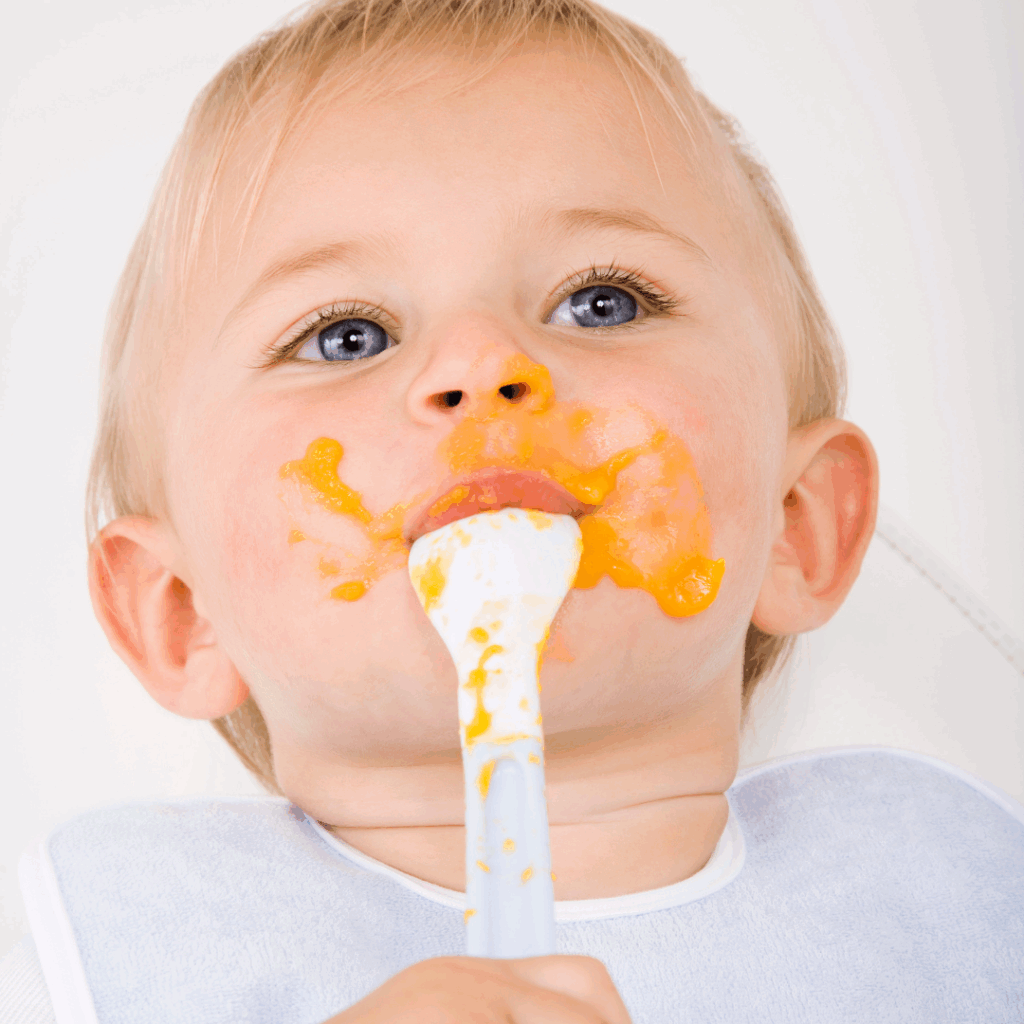
Hunger Cues: Signs that your baby is ready for more food include:
- Leaning forward with an open mouth.
- Reaching for the spoon or the food.
- Excitement and eagerness at the sight of food.
- Rooting or turning their head towards the spoon.
- Sucking on their hands or fingers.
Fullness Cues: When your baby is satisfied, they may exhibit the following signals:

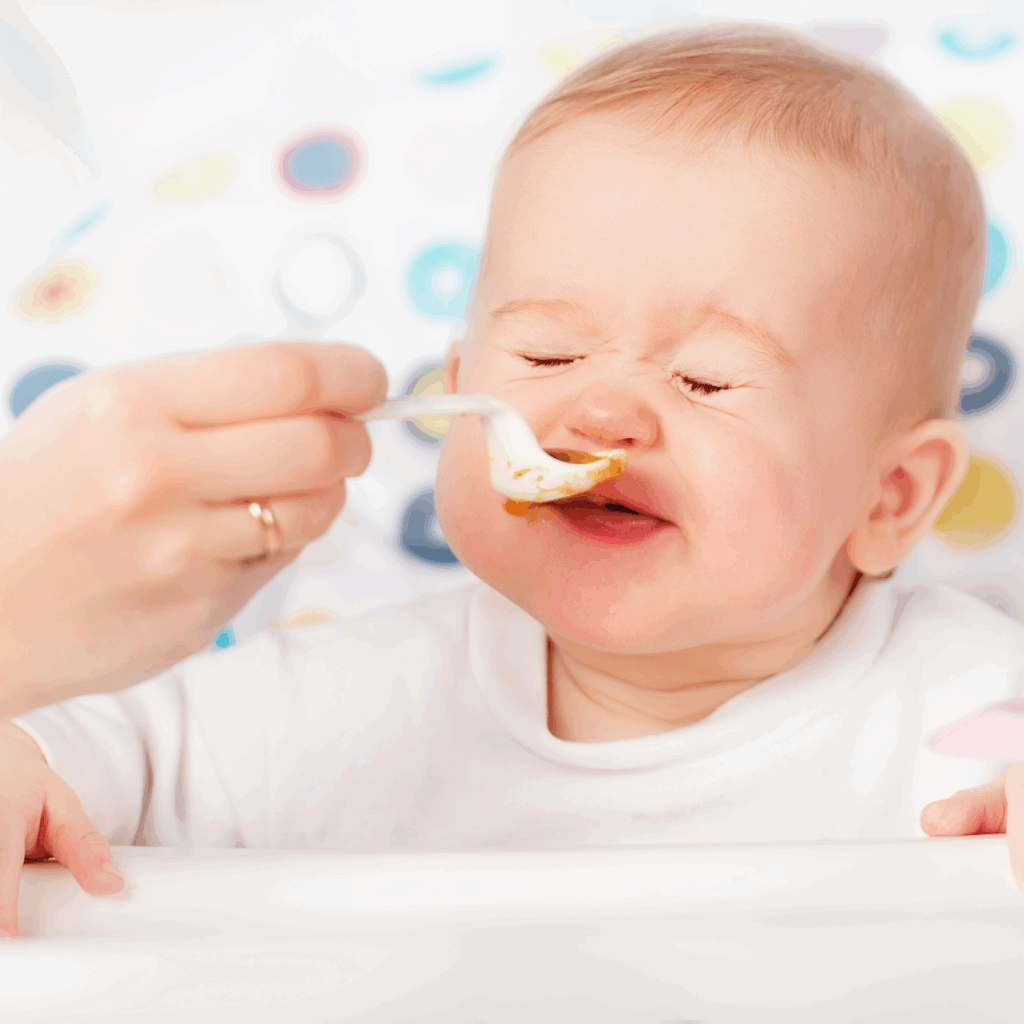
- Turning their head away from the spoon.
- Closing their mouth tightly.
- Pushing the spoon away.
- Becoming distracted or fussy.
- Spitting out food or playing with it.
- Relaxing their body.
Putting Responsive Feeding into Practice
Implementing responsive feeding with purees involves a conscious effort to relinquish some control and trust your baby’s lead. The process can be broken down into several key steps:

- Prepare the Environment: Ensure your baby is comfortably and securely seated in their high chair, free from distractions. Position yourself at eye level with your baby, creating a connection.
- Offer the Spoon: Load a baby-safe spoon with a small amount of puree and present it a few inches from your baby’s mouth.
- Wait for Initiation: Crucially, wait for your baby to lean forward and open their mouth to signal their readiness for the bite. This active participation is a key component of responsive feeding.
- Gentle Feeding: Once the spoon is in your baby’s mouth, hold it still and horizontally. Allow your baby to initiate the removal of the food from the spoon using their tongue and lips. This teaches them to manage the food quantity and consistency.
- Withdraw the Spoon: Once the food is removed, gently withdraw the spoon horizontally.
- Pace the Meal: Allow pauses between bites. This gives your baby time to process the food and signals their readiness for the next spoonful. Avoid rushing the process, as this can overwhelm them.
Encouraging Self-Feeding
As babies develop, they will naturally show interest in feeding themselves. This is a positive sign that supports motor skill development and independence.
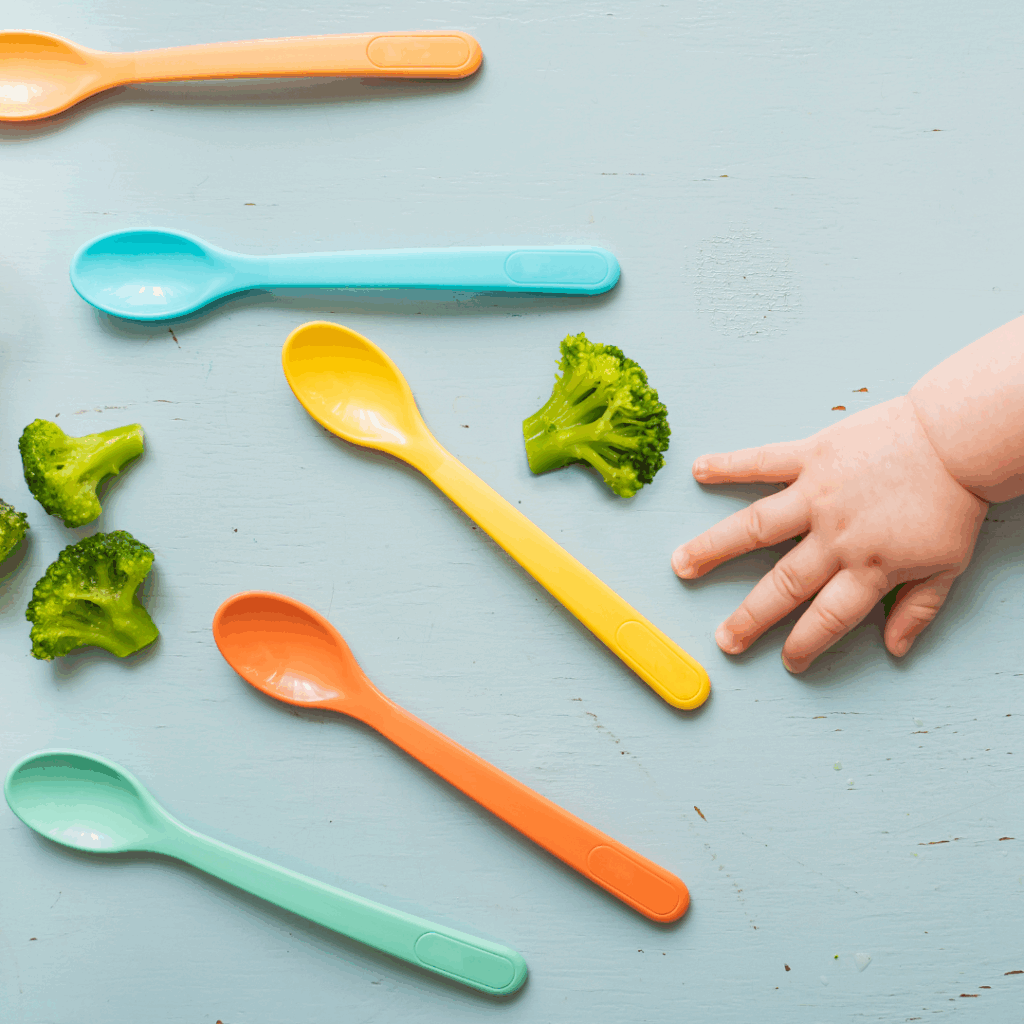
Signs Your Baby Wants to Self-Feed:
- Reaching for the spoon or attempting to grab it.
- Trying to feed themselves with their hands.
- Showing a desire to hold the spoon.
When these cues emerge, it’s an opportune moment to introduce tools that facilitate self-feeding. "Pre-spoons" are designed for this transitional phase, allowing babies to dip food and bring it to their mouths without requiring advanced scooping skills.
Common Pitfalls to Avoid
Even with the best intentions, parents may inadvertently fall into common feeding traps:
- Force-Feeding: Never force food into a baby’s mouth. This creates negative associations with food, disregards their cues, and can increase the risk of choking.
- Tricking or Distracting: Attempting to sneak bites by distracting your baby is counterproductive. It undermines trust and increases the risk of choking as the baby is not prepared to swallow. Always wait for an open mouth.
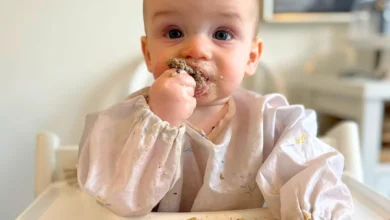
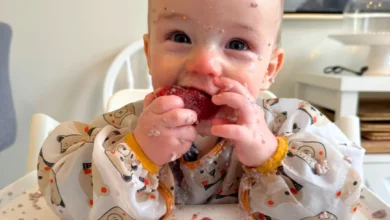
- Excessive Wiping: While hygiene is important, constantly wiping the baby’s mouth with the spoon can limit sensory exploration. The feeling of food on their skin helps them acclimate to different textures and reduces fear of mess.
- Overloading the Spoon: Offering too much puree on a single spoonful can be overwhelming. Start with small, manageable amounts.
- Feeding Too Quickly: Babies need time to explore each bite. Rushing the meal can hinder their development of oral motor skills and create anxiety.
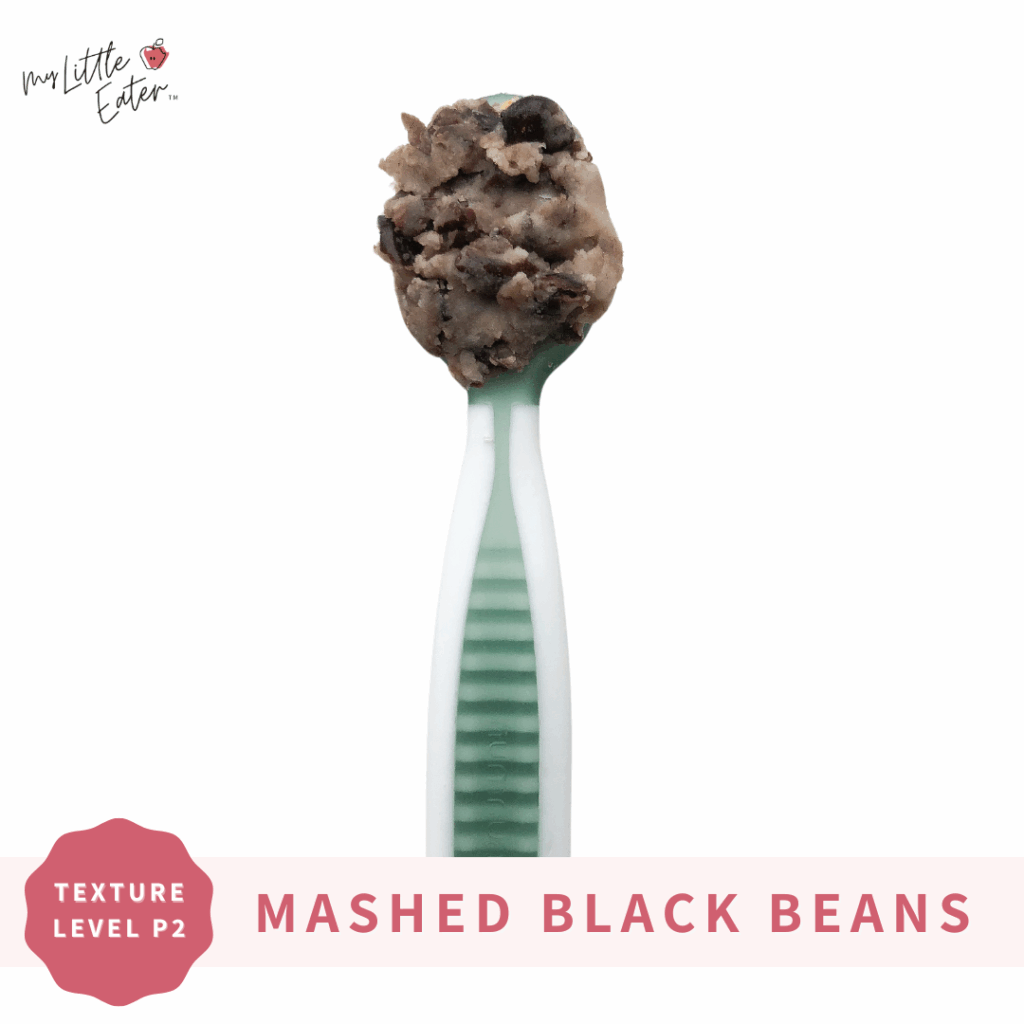
- Prolonged Reliance on Purees: Babies need to be exposed to a variety of textures, including mashed, lumpy, and soft finger foods, ideally by 8-9 months. Delaying texture progression significantly increases the risk of picky eating. The period between 6 and 9 months is a critical window for introducing new textures and flavors.
Selecting the Right Utensils
The choice of spoon evolves with the baby’s feeding journey:
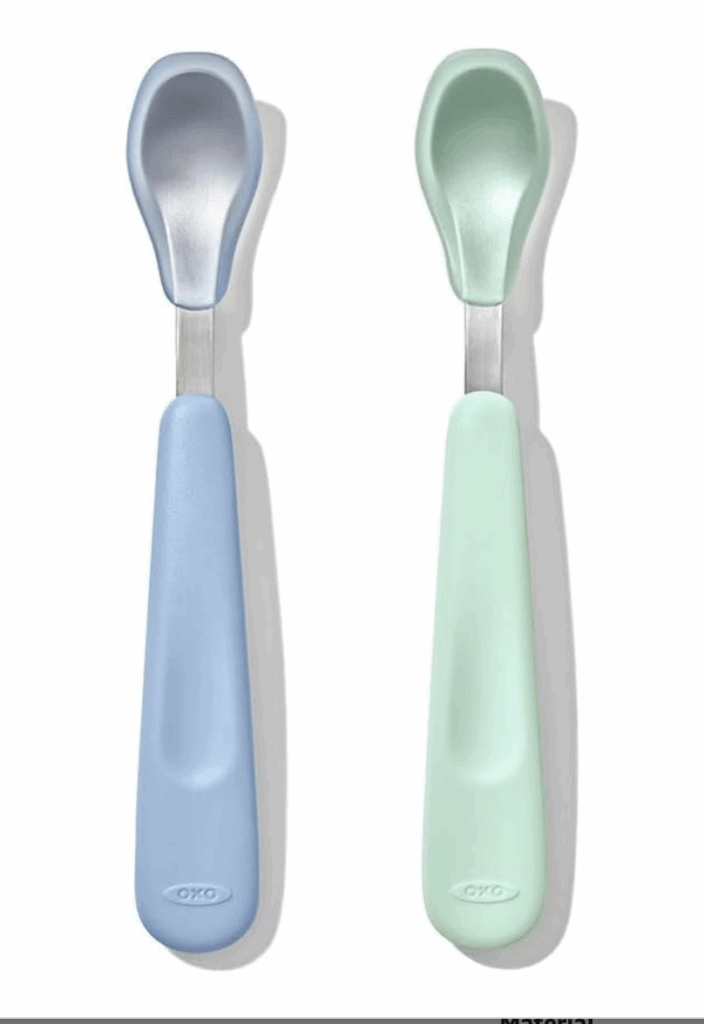
- For Spoon-Feeding (4-6 months): Soft, silicone spoons with narrow, shallow bowls are ideal. They are gentle on gums and fit comfortably in a baby’s small mouth. The OXO Tot Silicone Spoon Set is a recommended option due to its ergonomic design and durability.
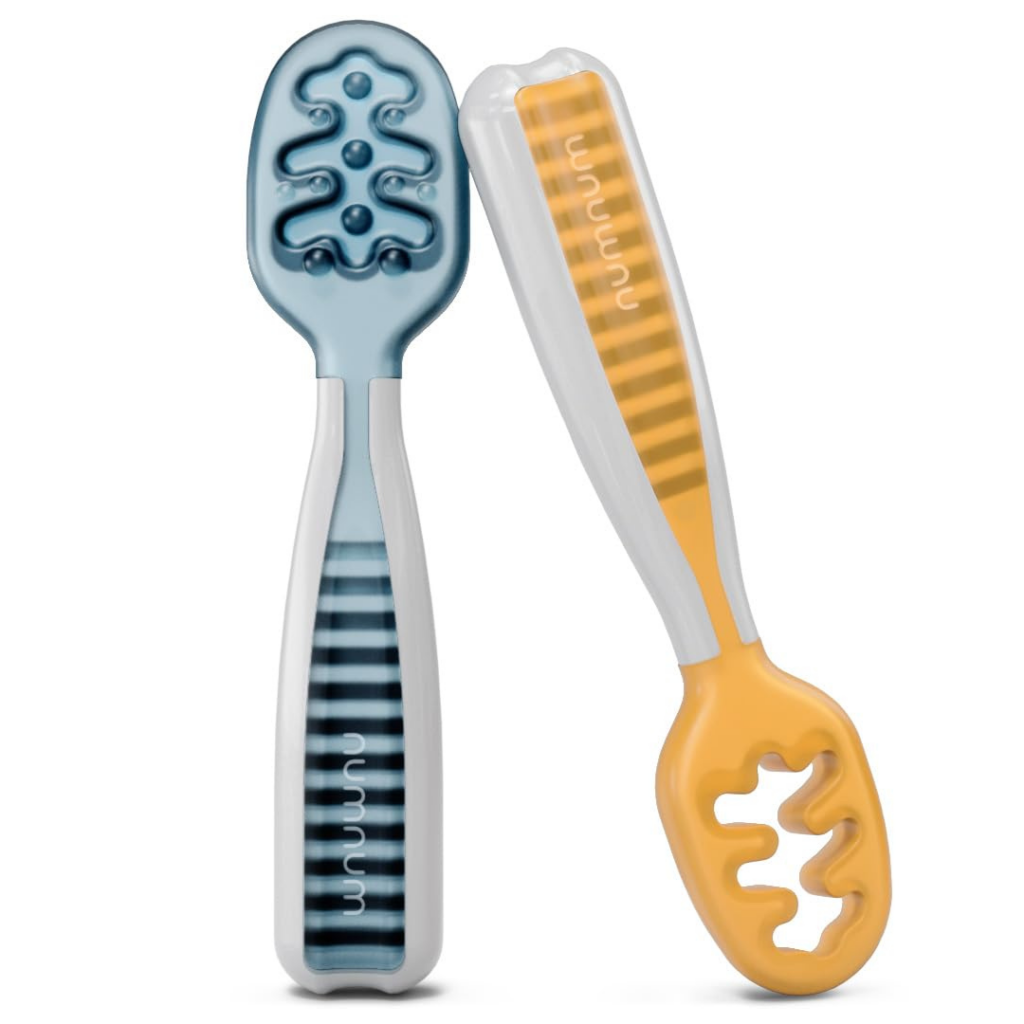
- Pre-Spoons (6-9 months): Tools like the NumNum Gootensil are designed for early self-feeding. Their textured surface holds purees, allowing babies to dip and transfer food to their mouths with less difficulty.
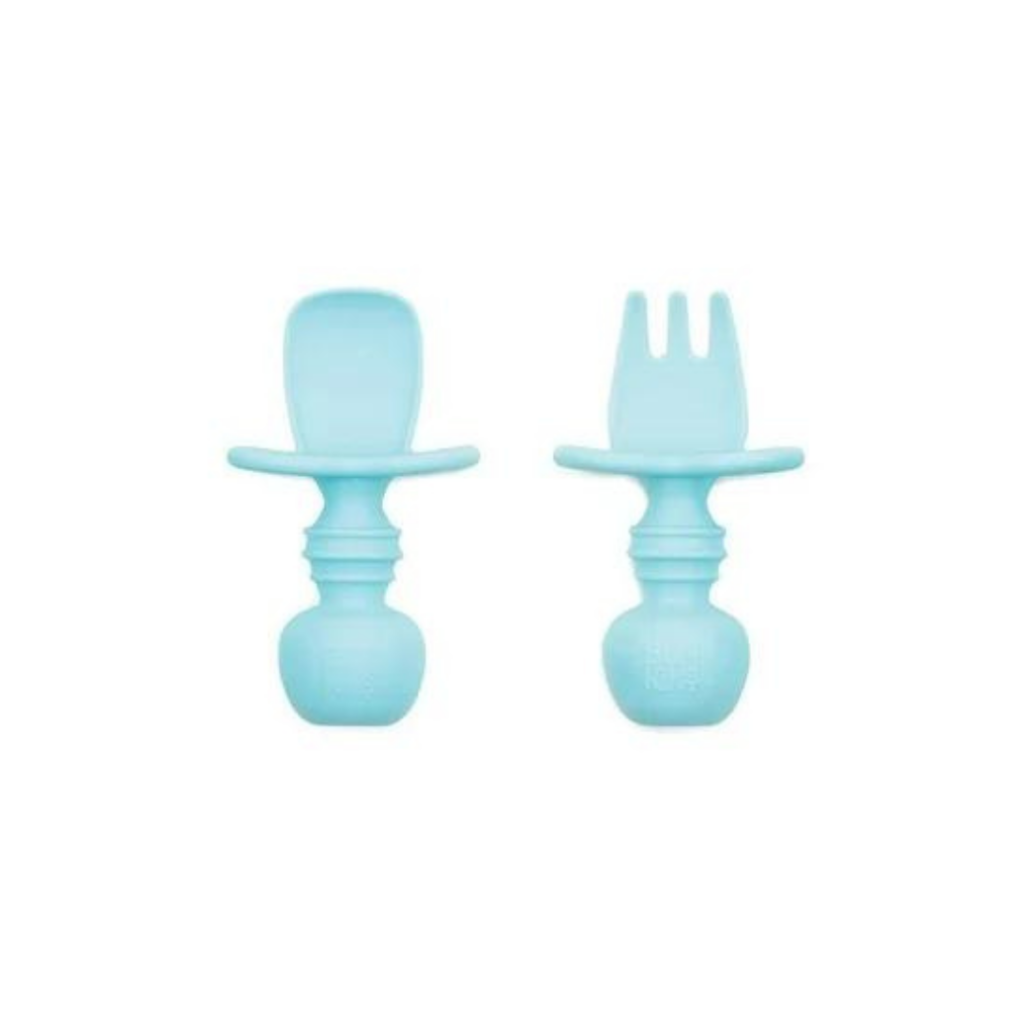
- Developing Self-Feeders (9-12 months+): As babies gain proficiency, spoons with wider handles and more substantial bowls become suitable. The Bumkins Chewtensil, with its easy-to-grip handle and soft silicone construction, is a good choice for this stage.
Nutrient-Rich Puree Options
While smooth purees are a starting point, it’s essential to progress to thicker, lumpier textures as recommended by the Texture Timeline. Examples of nutrient-dense purees include:
- Fruits: Avocado, banana, mango, peach, pear, apple (cooked).
- Vegetables: Sweet potato, butternut squash, carrots, peas, green beans, broccoli, cauliflower.
- Proteins: Lentils, beans, chicken, fish, tofu.
- Grains: Oatmeal, quinoa, rice (cooked and pureed).
Conclusion
Introducing purees to an infant is more than just a feeding milestone; it’s an opportunity to lay the foundation for a lifetime of healthy eating habits. By understanding developmental readiness, embracing responsive feeding, carefully observing cues, and selecting appropriate tools, parents can navigate this journey with confidence. The transition from liquid to solid foods is a dynamic process that fosters not only physical nourishment but also crucial motor skills, sensory exploration, and a positive emotional connection with food. Early exposure to a variety of textures and flavors, guided by expert advice and a child-centered approach, is key to raising an adventurous and healthy eater.
Related posts: