The Registered Dietitian’s Guide to Protein-Packed Meal Prep Lunch Bowls

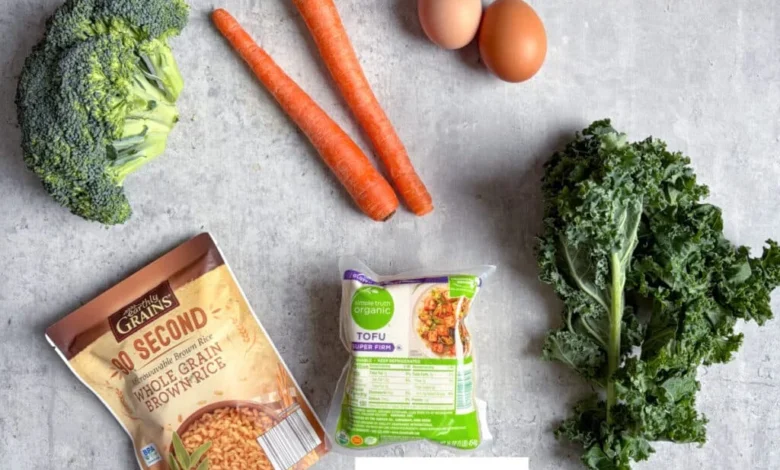
A registered dietitian has unveiled her highly effective and adaptable strategy for crafting nutrient-dense lunch bowls, emphasizing protein to promote sustained energy and satiety throughout the workday. This approach, grounded in a simple formula of starch base, protein, vegetables, and sauce, offers a practical solution for individuals seeking to elevate their midday meals beyond haphazard snacking. The dietitian, who recently transitioned to a hybrid work schedule involving some days in an office setting, highlights the personal challenges and subsequent development of this meal preparation method as a means to combat midday energy slumps and reduce evening overeating.
The core of this meal prep philosophy lies in its flexibility, allowing for extensive customization based on individual preferences and dietary needs. This adaptability is particularly beneficial for those who find traditional recipes restrictive or time-consuming. The dietitian’s particular focus on tofu as a plant-based protein source is noteworthy, with a specific technique – shredding – recommended to overcome textural objections often associated with it. This innovative approach transforms tofu into a more appealing and versatile ingredient, making it a compelling option for a wider audience.
The Strategic Advantage of Protein-Rich Lunches
The shift in the dietitian’s work environment, moving from a full-time at-home capacity to incorporating office days, necessitated a reevaluation of her daily eating habits. The initial period of adjustment was marked by minor logistical hurdles, such as forgetting essential work items and grappling with office temperature variations. However, the most significant impact was on her lunch routine, which had previously been characterized by a "nibble and graze" approach. This often led to less than optimal nutritional intake and a subsequent tendency to overconsume calories later in the day.
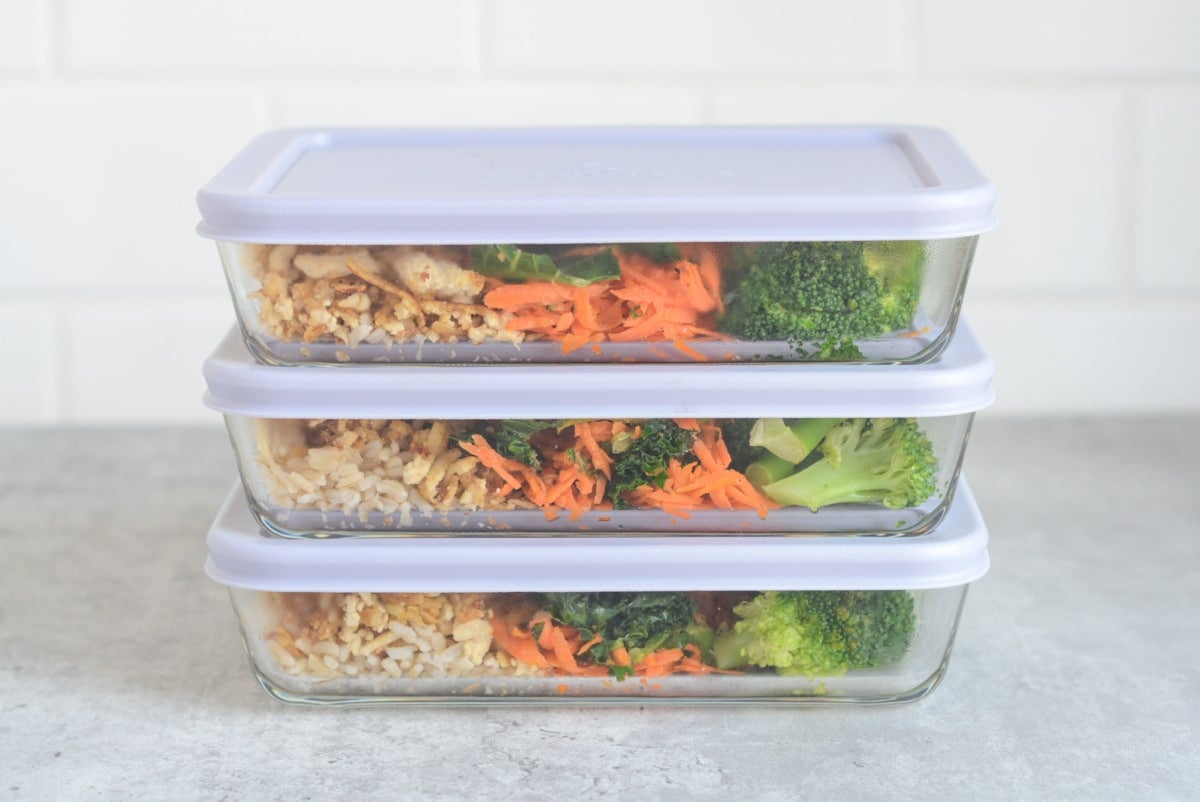
Recognizing the profound link between a structured, nourishing lunch and overall energy levels, the dietitian began dedicating Sunday afternoons to preparing lunches for the entire week. This proactive measure proved instrumental in establishing a consistent and healthy eating pattern. The protein-packed bowls emerged as a favorite due to their ease of preparation and their ability to deliver sustained energy.
"I found that if I eat an actual, nourishing lunch, I’m less likely to devour the contents of the refrigerator when I get home at the end of the day," the dietitian explained in her online publication. This sentiment underscores a common challenge faced by many professionals: the battle against post-work hunger driven by insufficient midday nutrition. By prioritizing protein, these bowls aim to bridge that gap, providing a feeling of fullness that can curb cravings and support healthier eating habits overall.
The Foundational Formula for Customizable Bowls
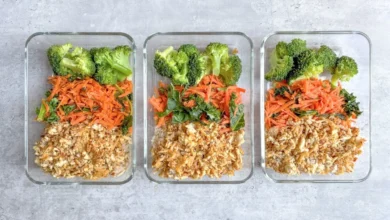
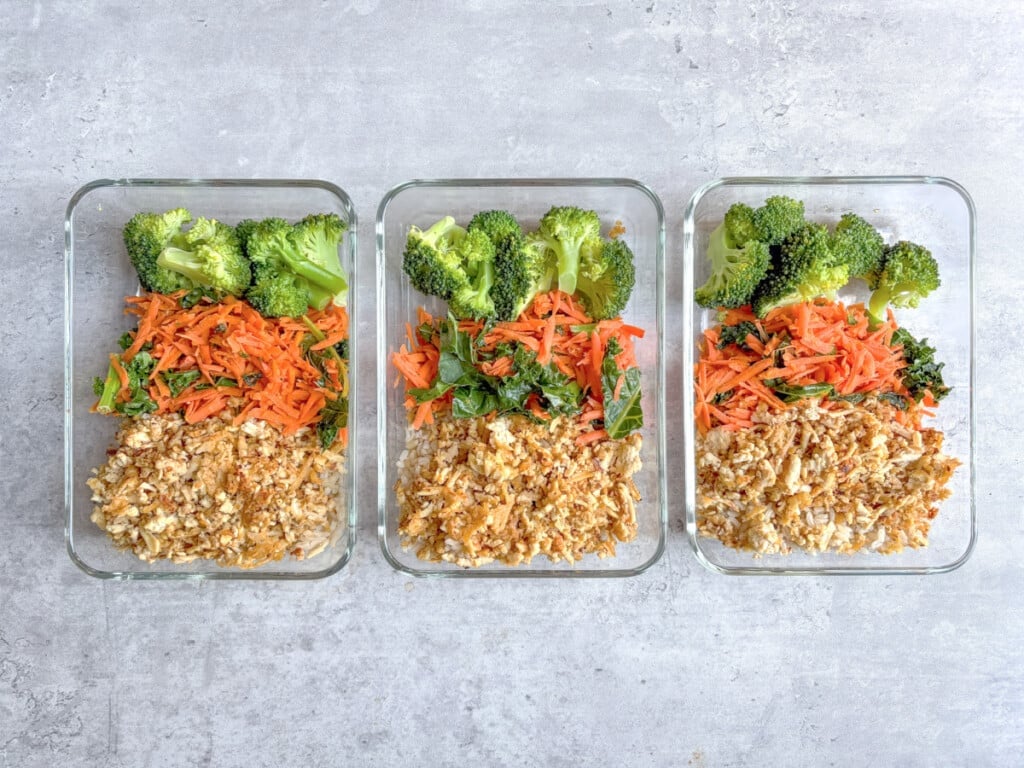
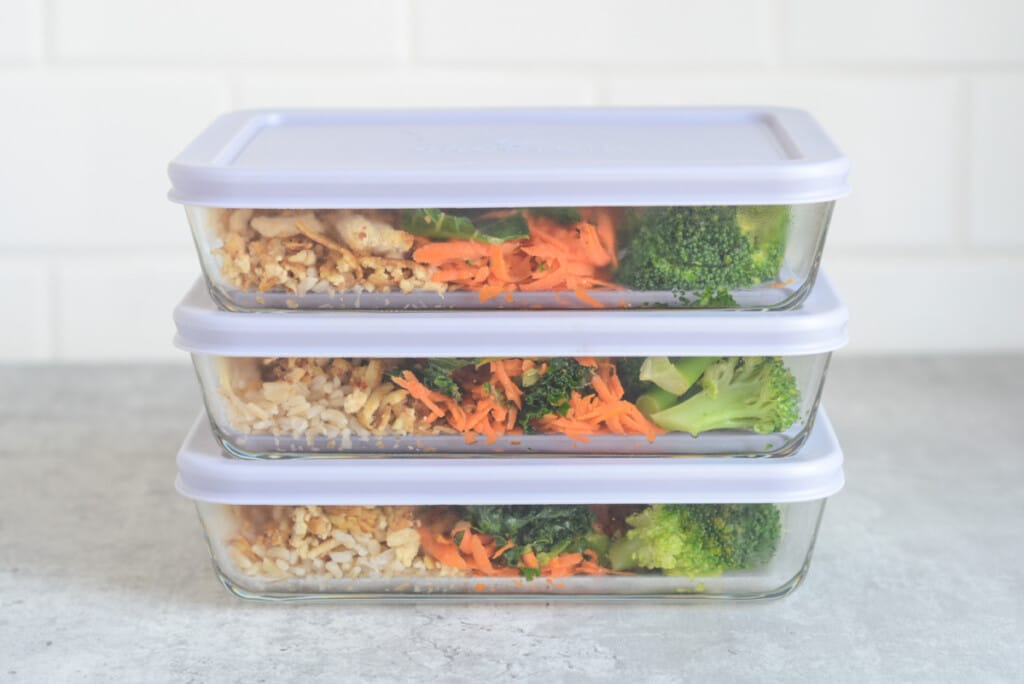
The dietitian’s meal prep system is not a rigid recipe but rather a versatile framework. This "formula" is broken down into four key components:
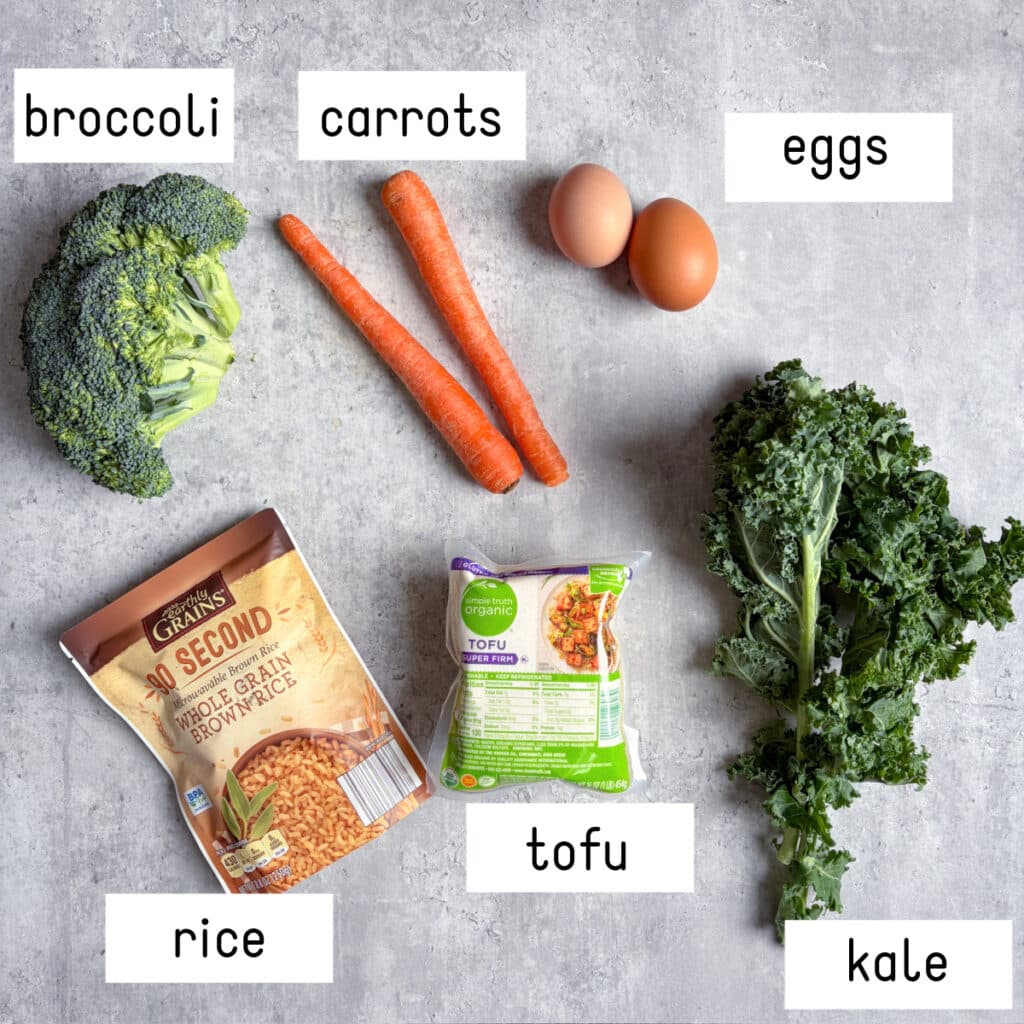
- Starch Base: This provides essential carbohydrates for energy. Options can range from whole grains like brown rice, quinoa, or farro, to other starches such as sweet potatoes or even whole-wheat pasta. The choice of starch can significantly influence the nutritional profile and textural variety of the bowl. For instance, quinoa offers a complete protein profile, while sweet potatoes provide a wealth of vitamins and fiber.
- Protein Source: This is crucial for satiety and muscle maintenance. The dietitian champions shredded tofu as a primary plant-based option, but other proteins can be incorporated. These might include lean meats like chicken breast or turkey, fish such as salmon or tuna, legumes like lentils or chickpeas, or eggs. The variety of protein sources allows for different flavor profiles and nutrient combinations. For example, salmon provides omega-3 fatty acids, while chickpeas offer both protein and fiber.
- Vegetables: A diverse array of vegetables adds essential vitamins, minerals, and fiber. The dietitian’s examples include broccoli and carrots, but the possibilities are vast. Leafy greens like kale or spinach, cruciferous vegetables like cauliflower or Brussels sprouts, bell peppers, zucchini, and onions are all excellent choices. The inclusion of colorful vegetables ensures a broad spectrum of phytonutrients, which are known for their antioxidant and anti-inflammatory properties.
- Sauce/Dressing: This component ties all the elements together, adding flavor and moisture. The dietitian suggests a simple sauce, but homemade or store-bought options like a tahini dressing, a light vinaigrette, or a savory soy-ginger sauce can be used. The sauce can also contribute additional healthy fats and micronutrients, depending on its ingredients.
This modular approach empowers individuals to tailor their lunches to their specific tastes, dietary restrictions (such as gluten-free or vegetarian), and the ingredients readily available. The ease of assembly means that even on busy weekdays, a nutritious and satisfying meal is within reach.
The Tofu Transformation: Shredding for Superior Texture
A key element of the dietitian’s advice centers on her preparation of tofu. Many individuals express a dislike for tofu due to its perceived "squishy" or bland texture. The dietitian offers a simple yet effective solution: shredding the tofu. This method breaks down the tofu into smaller, more manageable pieces that can absorb marinades and seasonings more readily, leading to a more appealing mouthfeel.
"If you love the idea of tofu as a plant-based protein but aren’t keen on the squishy texture, shredding it like I do here is a game-changer, I promise!" she asserts. This technique not only improves texture but also allows the tofu to crisp up when cooked, providing a delightful contrast to softer components of the bowl. The shredded tofu can be seasoned and sautéed, baked, or even pan-fried to achieve a desirable level of crispiness, making it a versatile and appealing protein option.
Practical Meal Preparation: A One-Pan Approach
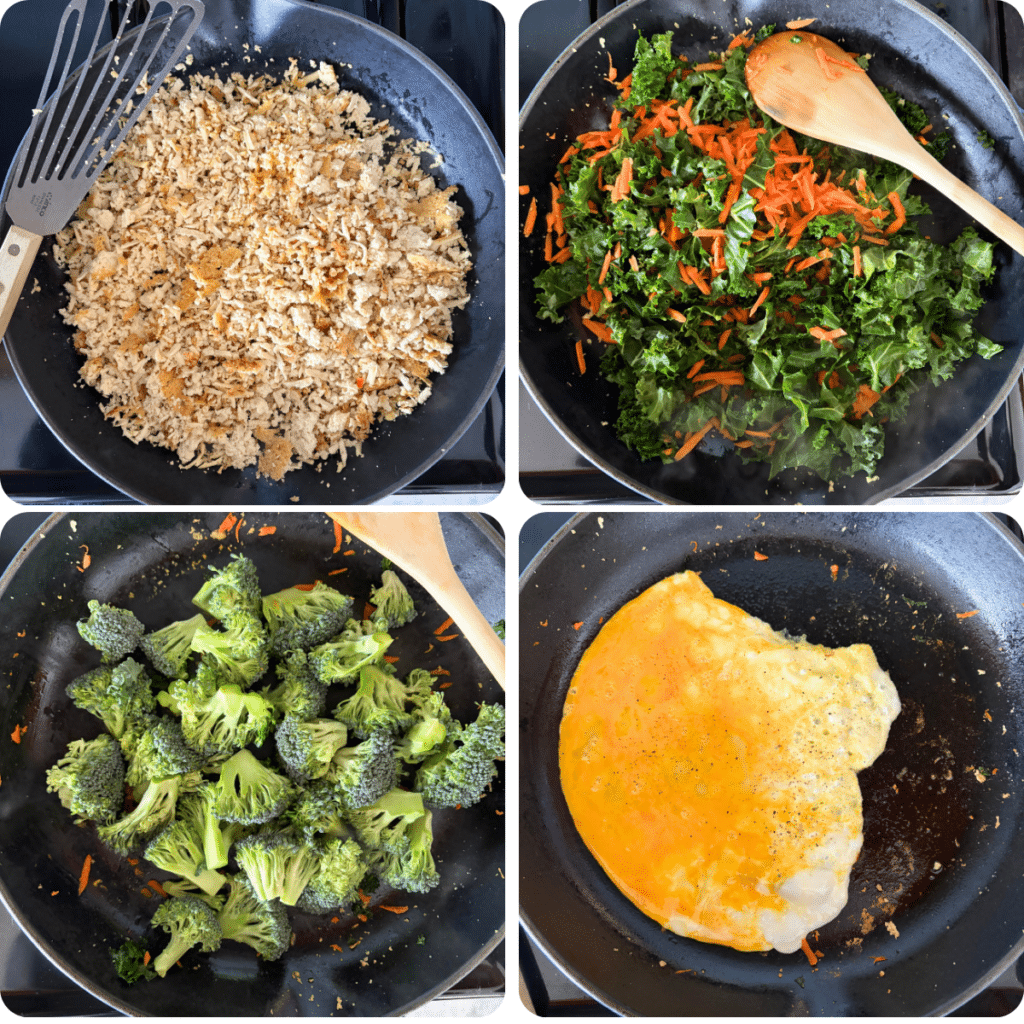
The dietitian emphasizes a streamlined cooking process, advocating for the use of a single pan to minimize cleanup. This "one-pan" method is a cornerstone of efficient meal preparation, particularly for busy individuals. The typical process involves:
- Cooking the Starch: Often, pre-cooked grains or starches are used for speed, or they are cooked separately beforehand.
- Sautéing the Protein: The shredded tofu, seasoned and perhaps marinated, is cooked until golden and slightly crispy.
- Cooking the Vegetables: Vegetables are added to the same pan, often after the protein has been removed, and cooked until tender-crisp. This ensures they retain some bite and their nutritional value.
- Assembly: Once all components are cooked, they are portioned into individual meal prep containers.
- Adding the Sauce: The sauce is typically added just before serving to maintain optimal texture and prevent sogginess.
This methodical yet simple approach ensures that all components are cooked efficiently, and the minimal number of dishes used makes the entire process less daunting.
Nutritional Breakdown and Protein Enhancement
The dietitian provides specific nutritional information for her example bowl, which includes tofu and an egg. Each serving is estimated to contain approximately 444 calories, 22 grams of total fat, 4 grams of saturated fat, 188 milligrams of cholesterol, 178 milligrams of sodium, 49 grams of carbohydrates, 11 grams of fiber, 5 grams of sugar, and a substantial 17 grams of protein. This protein content, combined with the significant fiber from the vegetables and starch base, contributes to the bowl’s satiating power.
For individuals seeking to further boost protein intake, the dietitian suggests several variations:
- Adding an Egg: As demonstrated in her example, a hard-boiled or fried egg can significantly increase protein content.
- Incorporating Legumes: Adding a serving of chickpeas, black beans, or lentils provides both protein and fiber.
- Choosing Higher Protein Grains: Opting for quinoa or farro over rice can offer a more protein-dense starch base.
- Supplementing with Other Proteins: Including grilled chicken, fish, or even a sprinkle of seeds like pumpkin or sunflower seeds can further enhance the protein profile.
These protein-boosting strategies are vital for individuals aiming to build muscle, manage weight, or simply maintain higher energy levels throughout the day. The World Health Organization (WHO) recommends a daily protein intake of approximately 0.8 grams per kilogram of body weight for adults, though this can vary based on activity level, age, and health status. For active individuals or those looking to optimize satiety, higher protein intake is often beneficial.
Storage and Reheating Recommendations
Proper storage and reheating are critical for maintaining the quality and safety of meal-prepped lunches. The dietitian advises keeping the bowls in airtight containers in the refrigerator for up to five days. This duration is generally considered safe for most cooked foods, provided they are stored at appropriate temperatures.
When it comes to reheating, the dietitian suggests a straightforward microwave method. To prevent the food from becoming dry or rubbery, she recommends removing the lid, covering the container with a paper towel, and heating for 1-2 minutes, stirring halfway through. This technique helps to distribute heat evenly and retain moisture. After reheating, a final stir and the addition of the sauce just before eating ensures the best flavor and texture.
Broader Implications and Accessibility
The popularity of meal prepping has surged in recent years, driven by a growing awareness of the importance of healthy eating, time constraints, and the desire for cost-effective food solutions. This trend aligns with public health initiatives promoting balanced diets and preventative health measures. The dietitian’s approach to protein-packed lunch bowls is a testament to the practicality and effectiveness of such strategies.
The accessibility of this meal prep formula is a significant factor in its appeal. By focusing on a fundamental structure rather than a prescriptive recipe, it caters to a wide range of culinary skills and ingredient availability. The emphasis on whole foods, lean proteins, and vegetables aligns with dietary guidelines promoted by numerous health organizations worldwide.
The implications of such practical advice extend beyond individual dietary habits. For families, adopting meal prep can lead to reduced food waste and more controlled grocery spending. For workplaces, fostering an environment where employees can readily access and consume healthy lunches could potentially lead to increased productivity and improved overall well-being.
In conclusion, the registered dietitian’s protein-packed meal prep lunch bowls offer a tangible and adaptable solution for individuals seeking to improve their midday nutrition. By demystifying the process and providing a flexible framework, this approach empowers users to create satisfying, nutrient-dense meals that support sustained energy and healthy eating habits, even amidst busy schedules. The emphasis on simple techniques, customizable components, and efficient preparation makes this strategy a valuable addition to the modern dietary landscape.