Navigating Your Child’s Vegetarian Journey: A Parent’s Guide to Nutrition and Support

The dinner table, once a familiar territory of shared meals and conversation, can sometimes become a stage for unexpected declarations. A child, perhaps after a thought-provoking question about the origin of their food, might announce a decision to forgo meat. This shift, while potentially surprising for parents accustomed to a more traditional diet, is increasingly common and entirely manageable, according to nutrition experts. This guide offers parents a comprehensive framework for supporting a child’s meatless transition, ensuring their growth and development remain robust and uncompromised.
Understanding the "Why" Behind the Choice
Children’s decisions to adopt a vegetarian or vegan lifestyle can stem from a variety of motivations. For some, it’s an ethical awakening, a dawning realization about animal welfare that leads to a profound aversion to consuming animal products. Others may find the taste or texture of meat unappealing, or simply prefer the variety and flavor profiles of plant-based cuisine. Regardless of the specific reason, the critical takeaway for parents is that a well-planned vegetarian or vegan diet can indeed support a child’s health and well-being throughout their formative years.
Key Nutrients for Thriving Vegetarian Children
As a registered dietitian, I can confidently state that children can thrive on a vegetarian or vegan diet. The absence of meat necessitates a mindful approach to nutrient intake, ensuring that essential vitamins and minerals typically found in animal products are adequately sourced from plant-based alternatives. The following five nutrients are particularly crucial for children embarking on a meatless path:
Vitamin B-12 and Other B Vitamins: The Energy and Nerve Foundation
Vitamin B-12 is a vital nutrient that plays a critical role in nerve function, DNA synthesis, and the formation of red blood cells. It is naturally found almost exclusively in animal-derived foods. For children abstaining from meat, a consistent intake of B-12 is paramount to prevent deficiencies that can lead to neurological issues and anemia.
- Sources: Fortified foods are the primary reliable source of B-12 for vegetarians and vegans. This includes fortified breakfast cereals, plant-based milks (soy, almond, oat), nutritional yeast (ensure it is fortified), and some meat substitutes. Regular consumption of these fortified items is essential. Other B vitamins, while often found in plant-based foods, also benefit from fortified sources to ensure adequate levels.
- Importance of Fortification: The bioavailability of B-12 from fortified foods can vary, making it essential to select products clearly labeled as fortified and to consume them regularly. Supplementation may be recommended by a healthcare professional, particularly for vegan children.
Iron: Fueling Growth and Cognitive Function
Iron is indispensable for oxygen transport throughout the body, supporting energy levels and cognitive development. Heme iron, found in meat, is more readily absorbed than non-heme iron, found in plant foods. This difference in absorption necessitates a strategic approach to iron intake for vegetarian children.

- Plant-Based Iron Sources: Abundant plant-based sources of iron include pumpkin seeds, quinoa, beans (kidney, black, pinto), dried apricots, lentils, peas, and dark leafy greens like spinach.
- Enhancing Absorption: The absorption of non-heme iron can be significantly enhanced by co-consuming it with vitamin C. This synergy is a cornerstone of successful vegetarian nutrition planning.
Vitamin C: The Iron Absorption Ally
Vitamin C acts as a powerful enhancer of non-heme iron absorption. By pairing iron-rich plant foods with vitamin C sources, parents can significantly boost their child’s iron intake and mitigate the risk of deficiency.
- Synergistic Combinations: Effective pairings include serving bean chili (beans are rich in iron, tomatoes in vitamin C), lentil soup with a side of orange slices, or a spinach salad adorned with strawberries. These simple culinary combinations make a significant nutritional difference.
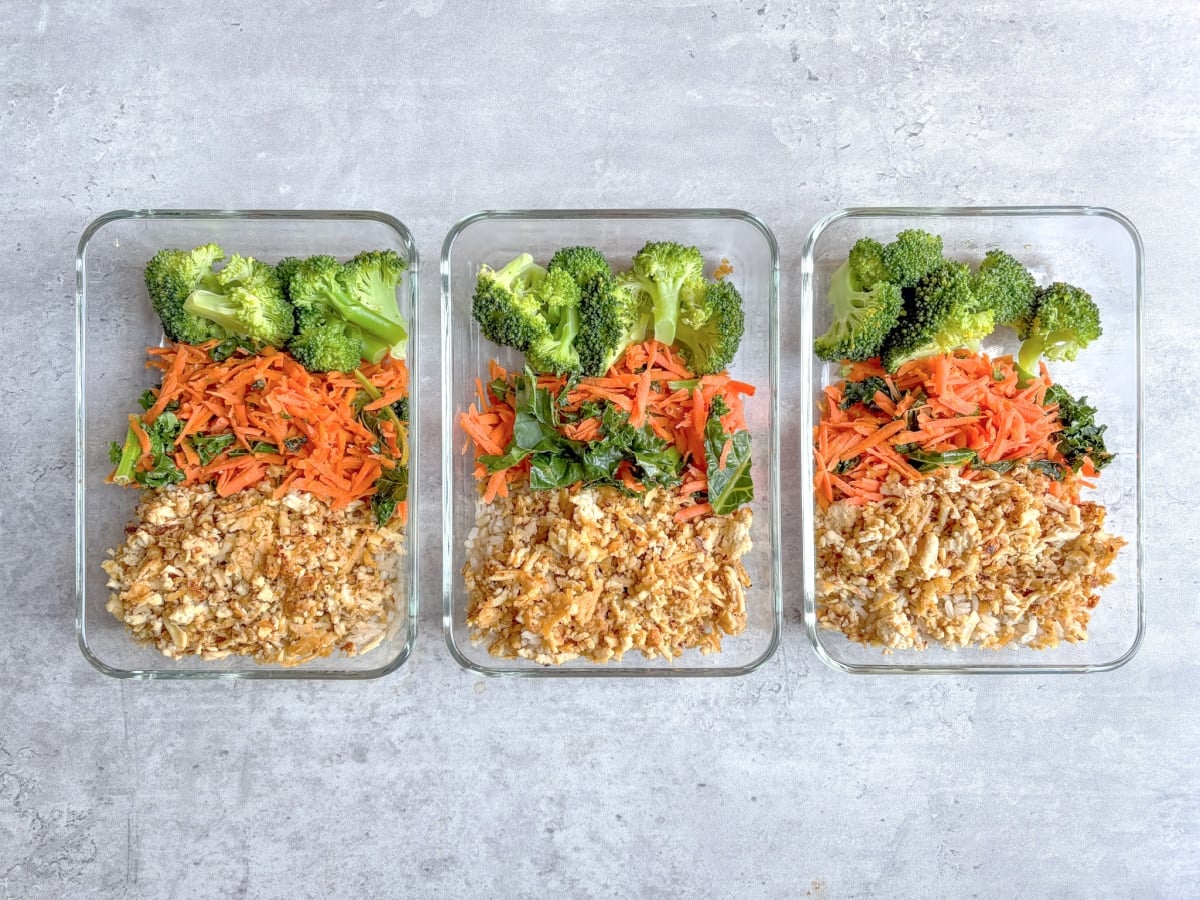
- Other Vitamin C Sources: Bell peppers, broccoli, citrus fruits, and berries are all excellent sources of vitamin C and can be easily incorporated into meals and snacks.
Zinc: Supporting Immunity and Development
Zinc is a crucial mineral for immune function, cell growth, and wound healing. While meat is a significant source of zinc, numerous plant-based foods also provide this essential nutrient.
- Plant-Based Zinc Sources: Legumes such as chickpeas, lentils, and soybeans (in the form of edamame, soy milk, and tofu) are excellent sources of zinc. Nuts and seeds also contribute to zinc intake.
- Considerations for Absorption: Like iron, zinc absorption from plant foods can be influenced by phytates, compounds found in grains and legumes. Soaking, sprouting, or fermenting these foods can help reduce phytate levels and improve zinc bioavailability.
Protein: The Building Blocks of a Growing Body
Protein is fundamental for muscle development, tissue repair, and overall growth. While meat is a well-known protein source, the concern that vegetarian children will not get enough protein is often overstated. A diverse plant-based diet can easily meet protein requirements.
- Diverse Protein Sources: Beyond beans, lentils, and soy products (edamame, tofu, tempeh), protein is readily available from nuts, seeds, nut butters, dairy products (if not vegan), and eggs (if ovo-vegetarian).
- Complete Proteins: Quinoa and soy are recognized as "complete proteins," meaning they contain all nine essential amino acids that the body cannot produce on its own and must obtain from food. This makes them particularly valuable in a meatless diet.
Essential Food Staples for Meatless Diets

To simplify meal planning and ensure adequate nutrient intake, several food groups stand out as invaluable for children transitioning to a vegetarian diet.
- Beans and Lentils: These versatile legumes are nutritional powerhouses, offering protein, fiber, and iron. They can be seamlessly integrated into tacos, soups, salads, pasta dishes, and bowls. For a kid-friendly introduction, consider a mild Red Lentil Soup. Even sweeter applications, like Red Lentil Chocolate Chip Cookies, can be a gateway for picky eaters.
- Quinoa: As a complete protein, quinoa is an excellent substitute for rice in various dishes. Its mild, nutty flavor makes it adaptable to both savory and sweet preparations. Gluten-free peanut butter bars made with quinoa offer a nutritious snack option.
- Strawberries: These vibrant berries are a delicious and accessible source of vitamin C, crucial for iron absorption. They can be added to fortified cereals, oatmeal, or incorporated into fruit salads, complementing iron-rich meals like bean burritos.
- Soy Products: Soy foods, including edamame, soy milk, tofu, and tempeh, are rich in iron, zinc, and protein. Edamame, with its fun "pop-out" nature, is often a hit with children. Crispy tofu, prepared to a pleasing texture, can also be a family favorite.
- Fortified Cereals: For a convenient boost of iron and vitamin B-12, fortified breakfast cereals are a valuable option. Parents should consult the Nutrition Facts Panel and ingredient list to identify cereals with significant vitamin and mineral content. Guidance on selecting healthy boxed cereals can further assist parents in making informed choices.
Addressing Parental Concerns and Navigating Challenges
The Picky Eater’s Predicament
For children who are already selective eaters, introducing a meatless diet requires a more deliberate strategy. If a child’s existing limited diet further shrinks with the exclusion of meat and potential plant-based protein sources like beans and tofu, it is advisable to consult a pediatrician or a registered dietitian. Professional guidance can help identify potential nutritional gaps and develop tailored strategies to ensure adequate intake.
The Question of Supplements
The need for supplements for vegetarian and vegan children varies. Children who consume dairy and eggs may more easily meet their nutrient needs. However, even with these inclusions, levels of iron, vitamin B-12, vitamin D, and calcium might still be insufficient. Vegan children, in particular, are at higher risk for certain nutrient deficiencies. A discussion with a pediatrician or pediatric dietitian is essential to assess individual needs and determine if supplementation is necessary.

Vegetarianism and Teenagers
Teenagers can safely adhere to well-planned vegetarian and vegan diets. However, this is a period of rapid growth and increased nutritional demands, making careful meal planning even more critical. Teen athletes may require higher protein intake, and adolescent girls are particularly susceptible to iron deficiency, especially if their overall calorie consumption is low. A balanced diet that includes a variety of nutrient-dense vegetarian options is key.
Protein Concerns: A Reassurance
The concern about protein intake is common, yet generally unfounded for children consuming a varied diet. As highlighted, protein is abundant in numerous foods beyond meat. A child who regularly consumes sources like beans, lentils, soy, dairy, eggs, and whole grains is likely meeting their protein requirements. Resources offering extensive lists of non-meat protein sources can further empower parents.
Integrating Meatless Meals into a Mixed-Diet Household
When some family members eat meat and others do not, meal preparation can be adapted. Many meals can be made vegetarian with simple substitutions, such as offering a veggie burger alongside beef burgers on the grill. Furthermore, this presents an opportunity to explore and embrace delicious plant-based meals that the entire family can enjoy together. Tofu bowls with peanut sauce and vegetable stir-fries with noodles are examples of universally appealing meatless dishes.
Seeking Professional Support and Further Resources

For parents seeking to deepen their understanding and gain practical strategies for feeding their vegetarian children, numerous resources are available. Websites authored by registered dietitian-moms offer valuable meal and snack ideas, along with a wealth of recipes.
In instances where parents feel uncertain about planning balanced meals and snacks or harbor concerns about their child’s nutrient intake, consulting a registered dietitian is highly recommended. Pediatricians or local children’s hospitals can often provide referrals to qualified pediatric dietitians.
The journey to a meatless diet for a child is a significant one, but with informed guidance and a commitment to balanced nutrition, it can be a path that leads to a healthy, thriving, and ethically conscious young individual.