Essential Books and Educational Strategies for Celebrating Black History Month in Preschool Classrooms

The integration of diverse literature in early childhood education has emerged as a cornerstone of modern pedagogical practice, particularly during the annual observance of Black History Month. Educators and child development experts increasingly emphasize that the selection of classroom materials serves a dual purpose: providing a "mirror" for children to see their own identities reflected and a "window" into the lives of others. For preschoolers, whose understanding of the world is rapidly expanding beyond their immediate family units, the introduction of stories highlighting the contributions, resilience, and daily lives of Black Americans is instrumental in fostering empathy, self-esteem, and a nuanced understanding of history.

The Historical Context and Evolution of Black History Month in Education
Black History Month originated from "Negro History Week," established in 1926 by historian Carter G. Woodson and the Association for the Study of Negro Life and History. Woodson chose the second week of February to coincide with the birthdays of Abraham Lincoln and Frederick Douglass. By 1976, the observance was expanded to a full month, with President Gerald Ford urging Americans to "seize the opportunity to honor the too-often neglected accomplishments of Black Americans in every area of endeavor throughout our history."

In the context of early childhood education, the focus has shifted over decades. Historically, Black history was often taught through a narrow lens of struggle or relegated to the study of a few prominent figures. Modern educational standards, however, advocate for a more comprehensive approach. This includes the "Own Voices" movement, which prioritizes stories written by authors from the communities they depict, ensuring authenticity and depth in representation.

Supporting Data on Diversity in Children’s Literature
Despite the growing awareness of the importance of representation, data suggests that a significant gap remains in the publishing industry. According to the Cooperative Children’s Book Center (CCBC) at the University of Wisconsin-Madison, which has tracked diversity in children’s literature since 1985, there has been a documented increase in representation, yet parity has not been achieved.

In 2022, the CCBC reported that approximately 13% of children’s books featured Black/African American characters, and roughly 11% were written by Black authors. While these figures represent an improvement from a decade ago—when the percentage of books about Black characters often hovered below 8%—educators argue that the quality of representation is as vital as the quantity. The selection of books for preschoolers must move beyond "tokenism" to include stories where Black characters are protagonists in a wide array of narratives, from historical biographies to tales of everyday joy.

Chronological Approaches to Teaching History to Early Learners
Preschoolers, typically aged three to five, process history differently than older students. They are in a developmental stage where they are beginning to grasp the concepts of "past" and "present." Educators recommend a chronological and thematic approach that links historical events to universal values.

- The Concept of Legacy (19th Century to Early 20th Century): Introducing figures like Mary Walker, who was born into slavery and learned to read at age 116, helps children understand the value of lifelong learning and the historical barriers to education.
- The Civil Rights Era (1950s–1960s): Stories such as the Birmingham Children’s Crusade of 1963 allow children to see themselves as agents of change. Books focusing on this era emphasize "fairness" and "courage," concepts that resonate with a preschooler’s developing sense of justice.
- Modern Achievements (Late 20th Century to Present): Highlighting contemporary figures like astronaut Mae Jemison or musician Melba Liston connects history to current possibilities, showing that the narrative of Black achievement is ongoing.
Biographical Literature: Humanizing History for Young Minds
Biographies for preschoolers must simplify complex historical contexts without stripping away the significance of the individual’s journey. Mae Among the Stars by Roda Ahmed serves as a primary example, focusing on Mae Jemison’s childhood aspirations. By emphasizing her parents’ support and her own perseverance, the book translates a monumental achievement—becoming the first African American woman in space—into an inspirational narrative about following dreams.

Similarly, The Oldest Student by Rita Lorraine Hubbard and Oge Mora provides a unique entry point into American history. By following Mary Walker’s life through the Civil War and the Civil Rights Movement, children gain a sense of the vast timeline of the American experience. This narrative structure helps young learners understand that history is composed of individual lives that span major societal shifts.

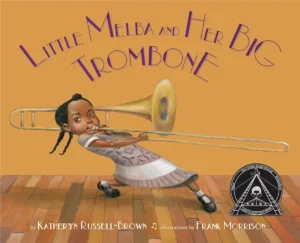
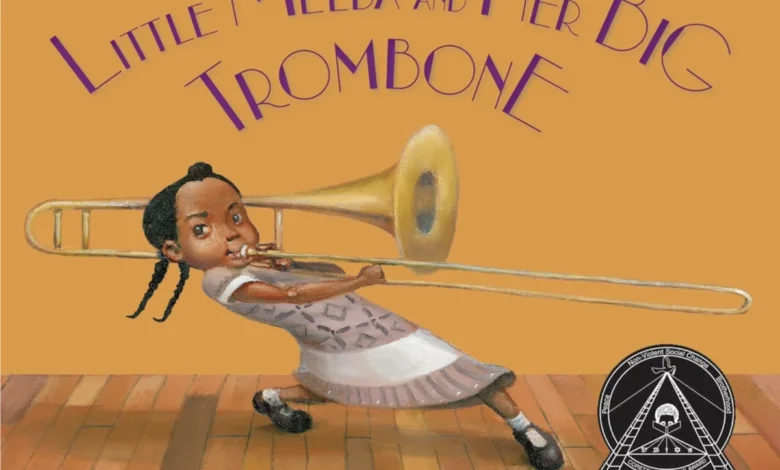
Musical history also offers a rich avenue for exploration. Little Melba and Her Big Trombone by Katheryn Russell-Brown introduces children to the jazz era through the life of Melba Liston. The book addresses themes of gender and racial barriers in the arts while celebrating the technical mastery and creative contributions of Black musicians to the American cultural fabric.

The Significance of "Everyday Joy" and Positive Representation
A critical shift in contemporary early childhood education is the move toward "Black Boy Joy" and "Black Girl Joy" narratives. Experts, including those from the National Association for the Education of Young Children (NAEYC), suggest that if children only encounter Black characters in the context of historical struggle, it creates a skewed perception of Black life.

Literature that depicts Black families in ordinary, joyful settings is essential for building a well-rounded worldview. Saturday by Oge Mora and Last Stop on Market Street by Matt de la Peña are instrumental in this regard. These stories focus on universal experiences—a special day with a parent or a bus ride through a city—while featuring Black protagonists. This normalization of diverse experiences is a key component of anti-bias education.

Furthermore, books like Hair Love by Matthew A. Cherry and Sulwe by Lupita Nyong’o address themes of self-acceptance and identity. Sulwe specifically tackles "colorism," a nuanced topic within the Black community, by using a magical, celestial metaphor to teach children that all skin shades are beautiful. For preschoolers, these stories provide the emotional vocabulary to discuss physical differences with respect and pride.

Professional Reactions and Pedagogical Implications
The educational community has largely responded positively to the influx of high-quality diverse literature. The NAEYC’s "Advancing Equity in Early Childhood Education" position statement emphasizes that "all children have the right to see themselves reflected in the curriculum." Educators report that when diverse books are integrated year-round—rather than just in February—classroom dynamics often show increased levels of inclusion and reduced instances of bias-based exclusion.

Dr. Rudine Sims Bishop, often referred to as the "mother" of multicultural children’s literature, has argued that when children do not see themselves in books, they learn a powerful lesson about their perceived value in society. Conversely, when they only see themselves, they may develop an exaggerated sense of self-importance. The balanced library, therefore, is not merely a social courtesy but a psychological necessity for healthy development.

Broader Impact and Long-term Societal Benefits
The implications of using Black History Month books in preschool extend far beyond the classroom walls. Early exposure to diverse narratives is linked to the development of higher levels of cognitive empathy—the ability to understand another person’s perspective. As children grow, this foundational empathy serves as a buffer against the development of prejudice and stereotypes.

Moreover, a curriculum that values diverse histories prepares children for a globalized workforce. By understanding that "Black history is American history," students develop a more accurate and comprehensive understanding of the nation’s identity. This inclusive approach to literacy encourages a sense of belonging for students of color, which is statistically linked to better academic outcomes and higher graduation rates in later years.

In conclusion, the thoughtful selection of Black History Month books for preschool classrooms is a vital intervention in early development. By balancing historical truth with contemporary joy, and biographies with fictional narratives, educators can create a learning environment that honors the past while inspiring the future. These stories do more than teach history; they shape the character of the next generation, fostering a society built on the principles of equity, respect, and shared humanity.