Sweet and Sour Chicken: A Flavorful and Family-Friendly Weeknight Dinner Solution

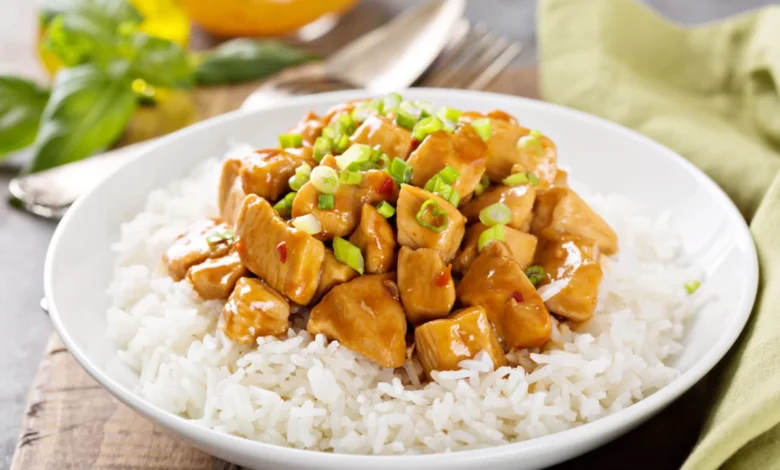
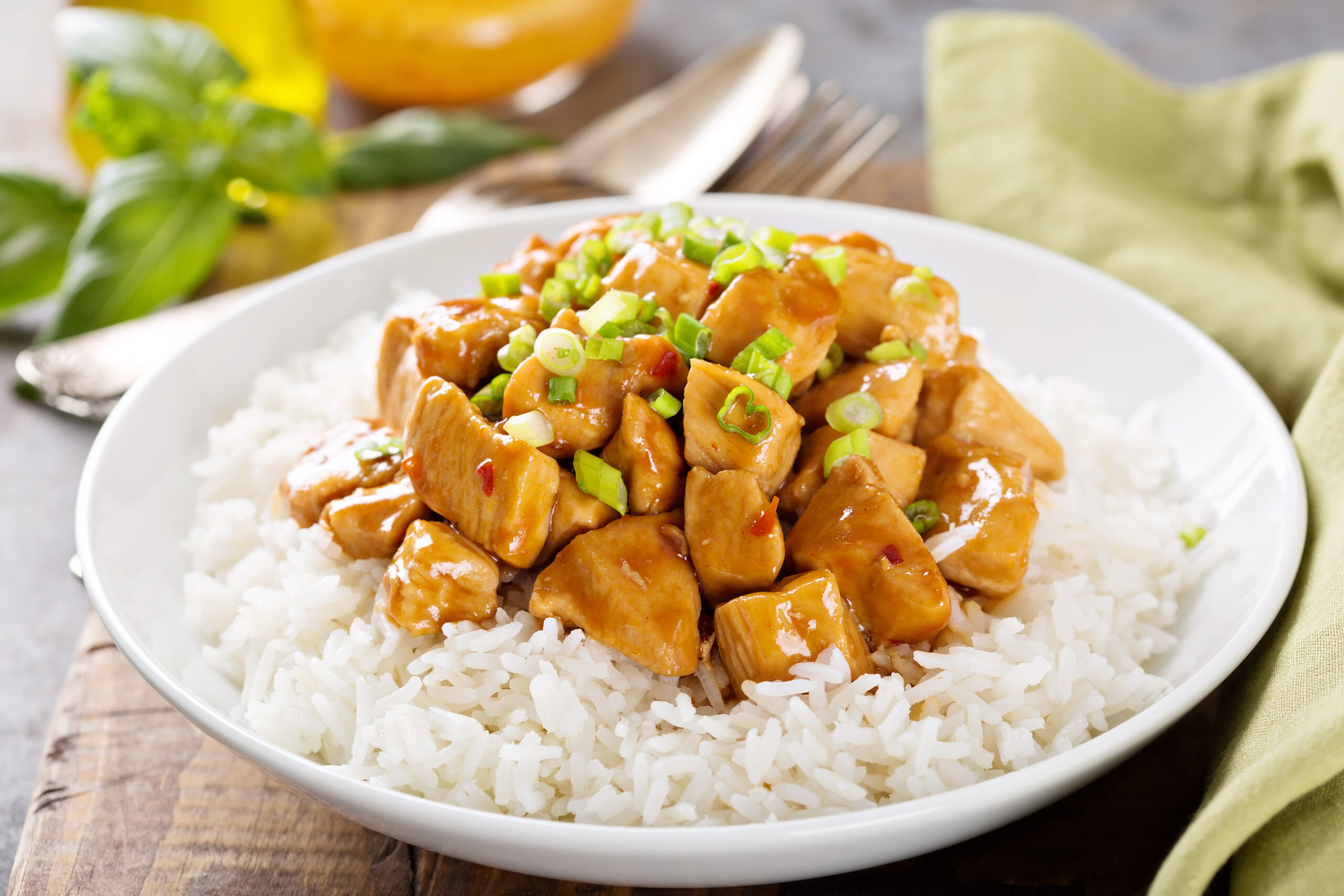
This Sweet and Sour Chicken is crispy, saucy, colorful, and full of family-friendly flavor. It makes a great weeknight dinner because it comes together quickly, and tastes like something special.
The enduring appeal of Sweet and Sour Chicken as a staple in both home kitchens and restaurant menus is a testament to its universally pleasing flavor profile. This dish, characterized by its harmonious blend of sweet and tangy notes with a savory undertone, has become a cornerstone of Chinese-American cuisine. Its accessibility and adaptability have cemented its status as a go-to option for busy families seeking a delicious and satisfying meal that doesn’t require extensive preparation. The inherent flexibility of the recipe allows for customization, making it suitable for a wide range of palates, including those of younger diners.
The Allure of Homemade Sweet and Sour Chicken
At its core, this iteration of Sweet and Sour Chicken offers a compelling alternative to takeout, delivering all the beloved flavors with the added benefit of home-cooked authenticity and ingredient control. The sauce, the soul of the dish, is meticulously balanced to achieve a perfect symphony of sweetness, tanginess, and umami. A subtle hint of warmth, derived from red pepper flakes, can be easily adjusted to cater to varying spice preferences, ensuring that both children and adults can enjoy the meal without compromise. This careful calibration of flavors makes the dish not just a meal, but an experience that evokes comfort and culinary satisfaction.
The process of preparing this dish highlights its weeknight-friendly nature. It is designed to be efficient, allowing busy individuals to create a restaurant-quality meal in a limited timeframe. The speed of preparation does not, however, come at the expense of flavor or texture. The chicken is rendered crispy, providing a delightful contrast to the luscious, glossy sauce that generously coats each piece. The visual appeal is equally important, with the vibrant colors of the sauce and any accompanying vegetables creating an appetizing presentation that is as pleasing to the eye as it is to the palate.
Culinary Techniques for Optimal Results
Achieving the perfect Sweet and Sour Chicken involves attention to several key culinary techniques that enhance both flavor and texture. These techniques are not overly complex, making them accessible to home cooks of all skill levels.
The Art of Pan-Frying: Avoiding the Steaming Trap
A crucial step in achieving crispy chicken is to avoid overcrowding the pan. When chicken pieces are packed too tightly, they tend to steam rather than fry, resulting in a less desirable, softer texture. By cooking the chicken in batches, a sufficient amount of heat can circulate around each piece, promoting even browning and a satisfying crispiness. This browning process not only improves the texture but also develops deeper, more complex flavors through the Maillard reaction, a chemical process responsible for the browning of food. This methodical approach ensures that each bite of chicken offers a delightful crunch before yielding to its tender interior.
Tailoring the Heat: A Customizable Spice Experience
The inclusion of red pepper flakes in the sauce offers a gentle warmth that can be easily modified. For households with young children or individuals sensitive to spice, the quantity of pepper flakes can be significantly reduced or omitted entirely. Conversely, those who enjoy a spicier profile can easily increase the amount of pepper flakes or add other forms of heat, such as sriracha or chili garlic sauce, at the table. This adaptability underscores the dish’s family-friendly nature, allowing every member of the household to enjoy a personalized level of spice.
The Sweetness and Tang: Leveraging Pineapple Juice
Pineapple juice plays a vital role in imparting a natural sweetness and a bright tanginess to the sauce. Its enzymatic properties also contribute to tenderizing the chicken. In instances where pineapple juice may not be readily available, orange juice can serve as a suitable substitute, offering a similar citrusy profile that complements the other sauce ingredients. The choice of liquid base significantly influences the final flavor of the sauce, highlighting the importance of ingredient selection.
Achieving the Glossy Finish: The Magic of a Cornstarch Slurry
The signature glossy sheen of Sweet and Sour Chicken sauce is achieved through the use of a cornstarch slurry. This mixture, typically consisting of cornstarch and water, is added to the simmering sauce and acts as a thickening agent. As the sauce heats, the cornstarch granules swell and absorb liquid, transforming the sauce into a rich, viscous coating that clings beautifully to the chicken. Allowing the sauce to simmer for a minute or two after the slurry is added ensures it reaches the desired consistency and develops a lustrous appearance.
The Importance of Immediate Service
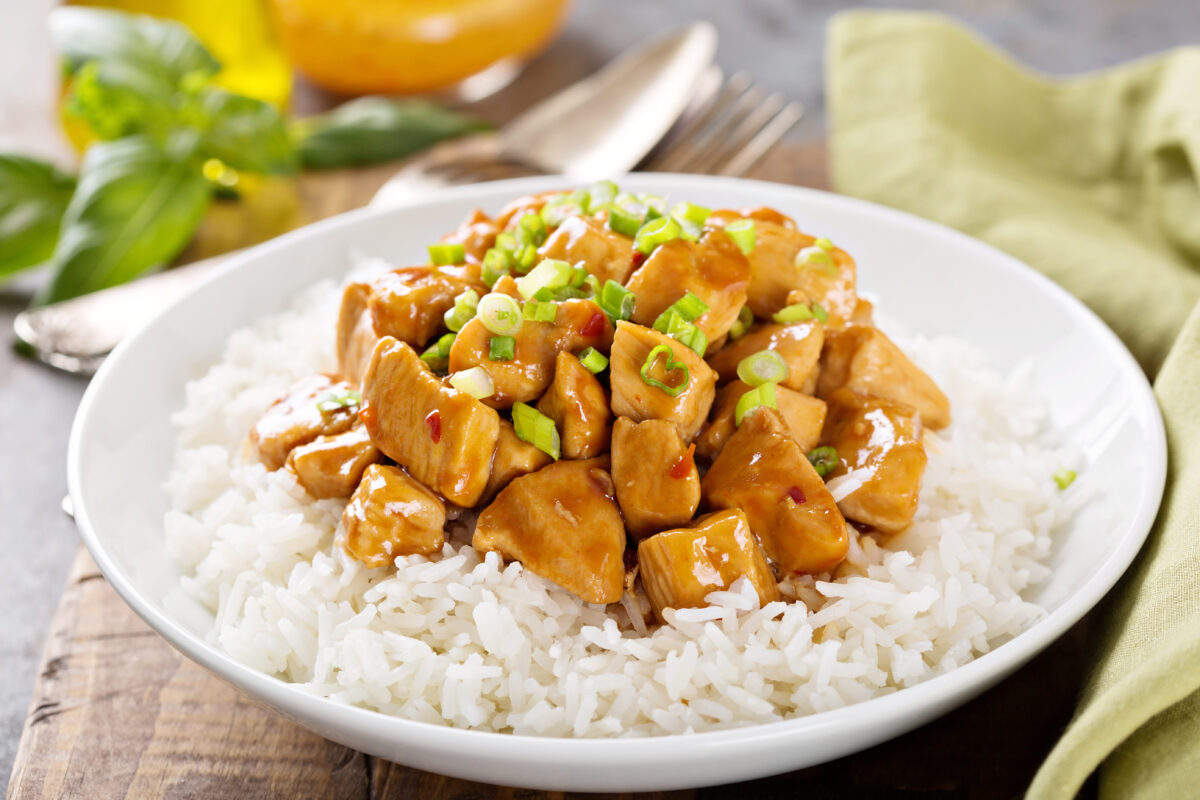
For the optimal enjoyment of Sweet and Sour Chicken, serving it immediately after preparation is highly recommended. This ensures that the chicken retains its crispiness and the sauce remains warm and glossy. The contrast between the hot, crisp chicken and the vibrant, flowing sauce is a key element of the dish’s appeal. Over time, the sauce can soften the chicken, diminishing its textural appeal. Therefore, timing the final stages of cooking to coincide with mealtime is paramount.
Exploring Creative Variations and Enhancements
The versatility of Sweet and Sour Chicken extends beyond its basic preparation, offering numerous avenues for creative customization and enhancement. These variations cater to diverse dietary preferences, ingredient availability, and culinary ambitions.
Incorporating a Bounty of Vegetables
To elevate the nutritional content and visual appeal of the dish, a wide array of vegetables can be incorporated. Colorful bell peppers of various hues, florets of broccoli and snap peas, crisp carrots, and tender zucchini all add texture, flavor, and essential vitamins and minerals. Chunks of fresh pineapple can also be added, further enhancing the sweet and tangy notes of the sauce and contributing a delightful burst of tropical flavor. These additions transform the dish into a more complete and balanced meal.
Crafting a Milder Palate Pleaser
For a decidedly kid-friendly version, the red pepper flakes can be omitted entirely. To compensate for any perceived loss of sweetness, a touch more honey or a sweeter alternative like maple syrup can be introduced into the sauce. This approach ensures that even the most sensitive palates can enjoy the classic sweet and sour flavor profile without any overwhelming heat.
Amplifying the Heat: For the Spice Enthusiast
Conversely, individuals who crave a more robust spicy kick can readily enhance the heat level. Beyond increasing the red pepper flakes, incorporating ingredients like sriracha, chili garlic sauce, or even thinly sliced jalapeños can introduce layers of complex heat and flavor. This allows for a personalized spice journey, catering to those who appreciate the fiery nuances of Asian cuisine.
The Enduring Appeal of Chicken Thighs
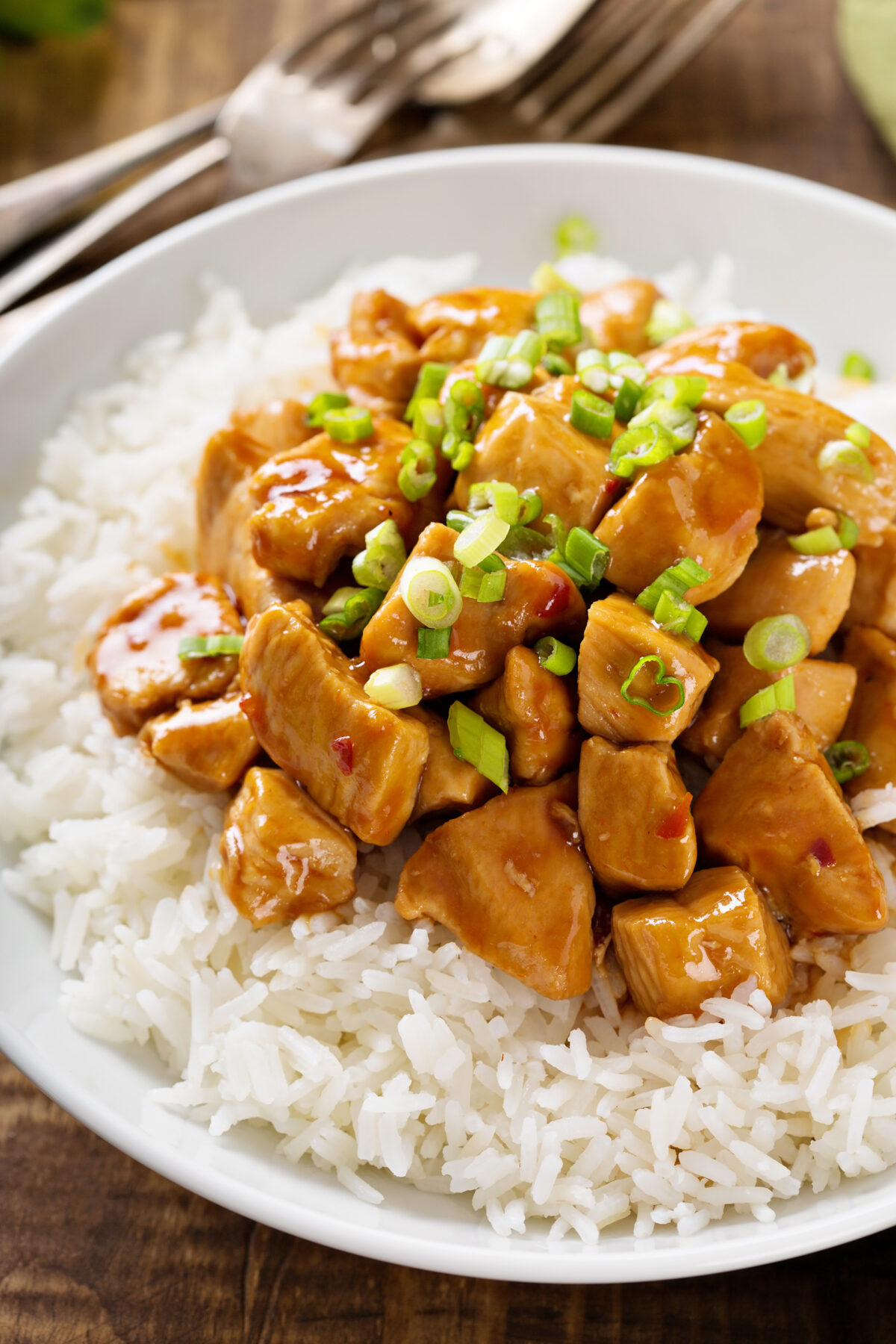
While chicken breast is a common choice, chicken thighs offer a superior level of juiciness and flavor, making them an excellent alternative for this recipe. The higher fat content in thighs renders them more forgiving during the cooking process, ensuring a consistently tender and moist result. Their rich flavor also complements the sweet and sour sauce exceptionally well.
Assembling a Complete "Bowl" Experience
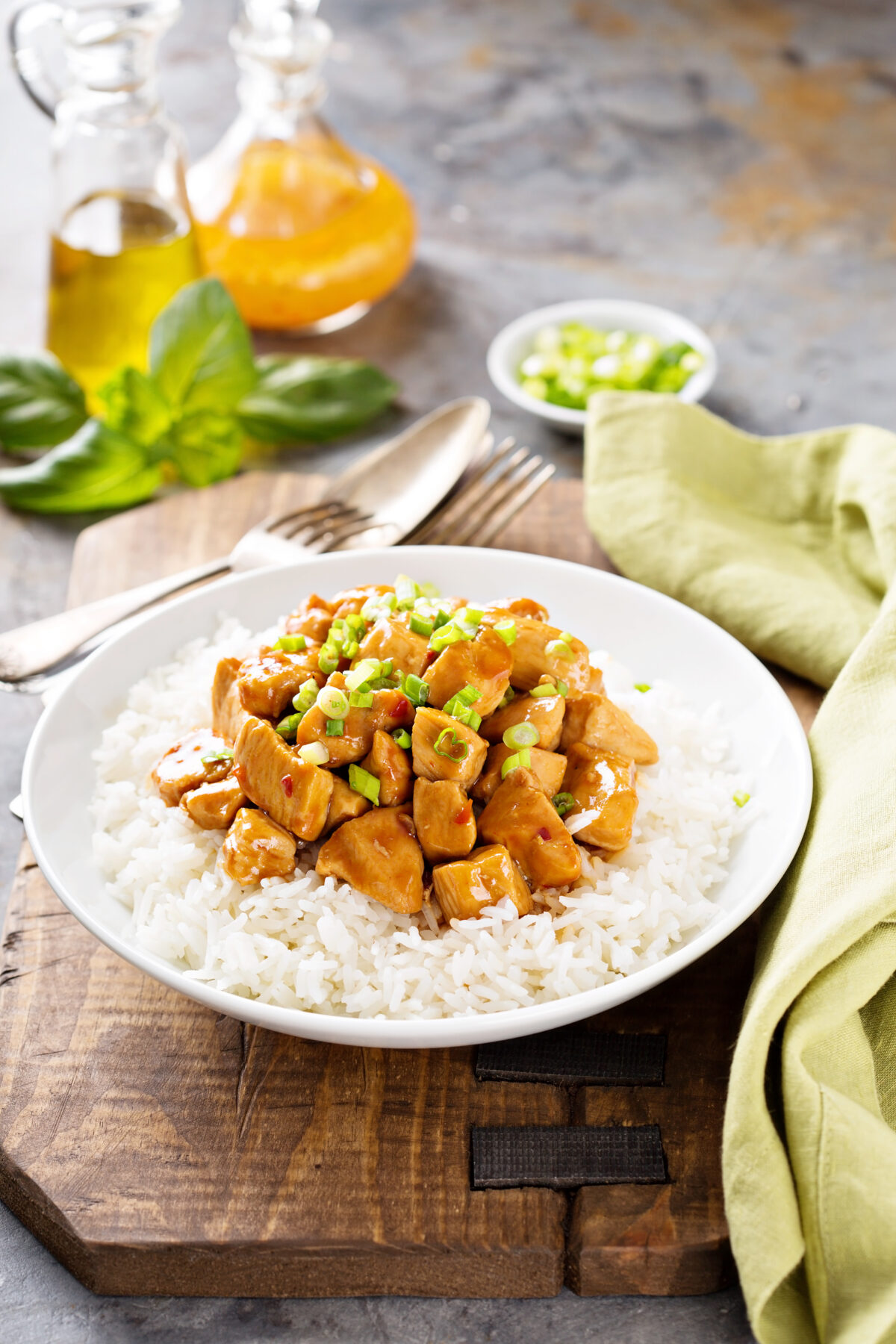
Sweet and Sour Chicken can be elegantly presented as part of a "bowl" meal, offering a complete and satisfying dining experience. Serving the chicken over a bed of fluffy white rice, alongside steamed broccoli, crisp cucumber slices, shredded carrots, and a generous garnish of fresh green onions, creates a visually appealing and nutritionally balanced meal. This presentation style has gained popularity for its convenience and customizable nature.
Catering to Young Palates: Kid-Friendly Considerations
Introducing children to new flavors can sometimes be a delicate balance. For Sweet and Sour Chicken, several strategies can ensure a positive experience for younger diners. Starting with a minimal amount of red pepper flakes, or none at all, is a prudent first step. Offering the sauce on the side allows children to control the amount they use, enabling them to dip the chicken rather than having it fully coated. This gradual introduction empowers them to explore the flavors at their own pace.
Furthermore, cutting the chicken into small, bite-sized pieces makes it easier for children to manage and consume. Pairing the chicken with familiar side dishes such as steamed broccoli, peas, or carrots can also increase their willingness to try the main dish. The goal is to create a positive association with the meal, encouraging them to explore and enjoy the delightful flavors of Sweet and Sour Chicken.
A Look at Related Culinary Offerings
The popularity of Sweet and Sour Chicken often inspires exploration into other Asian-inspired dishes that share similar flavor profiles or preparation methods. Many of these dishes are equally well-suited for weeknight dinners, offering variety and expanding the culinary repertoire of home cooks. Examples might include General Tso’s Chicken, Orange Chicken, or Kung Pao Chicken, all of which feature the characteristic blend of savory, sweet, and sometimes spicy elements that define popular Chinese-American cuisine. The shared characteristics of these dishes often lie in their quick cooking times, the use of a flavorful sauce, and their adaptability to incorporate a variety of proteins and vegetables.
Nutritional Considerations and Preparation Timeline
The Sweet and Sour Chicken recipe presented is designed for efficiency, with an estimated preparation time of 15 minutes and a cook time of 20 minutes, resulting in a total time of 35 minutes. This timeline makes it an ideal candidate for busy weeknights when time is at a premium. From a nutritional standpoint, the dish provides a good source of protein from the chicken. The sauce, while flavorful, typically contains sugar and sodium, so mindful preparation and portion control are advisable for those monitoring their intake of these components. The inclusion of vegetables can significantly enhance the fiber, vitamin, and mineral content of the meal, contributing to a more balanced nutritional profile. The specific ingredients and quantities within the recipe would determine the precise nutritional breakdown per serving.
This Sweet and Sour Chicken recipe represents a delicious and accessible entry point into the world of Asian-inspired home cooking. Its ability to be tailored to individual preferences, coupled with its rapid preparation, ensures its place as a cherished mealtime solution for families seeking both flavor and convenience.