Fueling the Future: Comprehensive Nutritional Strategies and High-Protein Snack Guide for Young Athletes

The landscape of youth sports has undergone a profound transformation over the past decade, shifting from casual neighborhood games to structured, high-intensity training regimens that often mirror collegiate schedules. Between school obligations, rigorous practices, weekend tournaments, and private coaching sessions, young athletes are expending unprecedented levels of physical energy. This modern intensification of youth athletics has placed a spotlight on a critical aspect of child development: sports nutrition. According to pediatric sports dietitians, growing bodies require far more than basic caloric intake; they demand a carefully calibrated balance of macronutrients, micronutrients, and hydration to support ongoing physical growth, athletic performance, and post-exercise recovery.
Historically, parents attempting to navigate the nutritional needs of active children faced conflicting advice, often leaning toward commercial sports bars, specialized shakes, and expensive protein supplements. However, contemporary pediatric nutritional guidelines emphasize that optimal athletic performance does not require specialized or costly commercial products. Instead, whole foods readily available in a standard household kitchen can provide the necessary carbohydrates, proteins, healthy fats, and fluids required by young competitors. As youth sports participation continues to rise globally, sports medicine professionals, educators, and culinary experts are increasingly advocating for structured food planning that emphasizes accessibility, nutritional density, and culinary simplicity.
The Physiological Demands of Youth Athletics
To understand why specific nutritional strategies are necessary for children and adolescents, one must first examine the physiological impact of exercise on a developing body. Unlike adults, young athletes are navigating a dual metabolic demand: fueling immediate physical activity while simultaneously building bone density, muscle mass, and neural pathways associated with growth.
During physical exertion—whether it is soccer, gymnastics, swimming, or basketball—a child’s muscles deplete glycogen stores, which serve as the primary source of cellular energy. Simultaneously, micro-tears occur within the muscle fibers. To repair these tissues and restore energy levels, pediatric nutritionists recommend a precise post-exercise window wherein carbohydrates and proteins are consumed together. Carbohydrates act as the primary refueler, restoring depleted glycogen, while proteins provide the essential amino acids necessary for muscle repair and structural growth.
Furthermore, healthy fats play a vital role in providing sustained, long-term energy and supporting hormone regulation, while vitamins and minerals ensure optimal metabolic function. Hydration remains an equally critical component of this physiological equation, as fluid loss through sweat can rapidly impair both physical performance and cognitive focus. Consequently, designing an effective snack strategy involves more than simply boosting protein consumption; it requires a holistic approach to total nutrient intake.
Macro-Nutrient Breakdown: Building the Ideal Sports Snack
Constructing a balanced snack for an active child requires a fundamental understanding of how different macronutrients interact within the body. Pediatric health experts categorize ideal sports nutrition components into four distinct pillars:
- Proteins: Essential for the repair and growth of muscle tissue, protein can be sourced efficiently from dairy products such as Greek yogurt and cottage cheese, as well as plant-based options like beans, lentils, nuts, seeds, and soy products.
- Carbohydrates: Serving as the body’s preferred and most efficient energy source, carbohydrates are vital for high-intensity movements such as sprinting, jumping, and rapid directional changes. Whole grains, oats, fresh fruits, and starchy vegetables provide complex and simple carbohydrates that sustain energy levels.
- Healthy Fats: Sourced from avocados, nut butters, and seeds, healthy fats provide a dense secondary energy reserve and enhance satiety, preventing premature hunger in young athletes undergoing growth spurts.
- Fluids: Water remains the gold standard for hydration. Maintaining fluid balance before, during, and after athletic participation prevents heat-related illnesses and maintains cardiovascular efficiency.
The appropriate portion size and timing of these snacks depend heavily on the child’s age, metabolic rate, the intensity and duration of the athletic activity, and the proximity of the next scheduled meal.
Curated Whole-Food Snack Recipes for Active Kids
Transitioning nutritional science into practical kitchen applications does not require gourmet culinary skills. Nutrition specialists and family wellness advocates have curated a collection of accessible, high-protein recipes tailored specifically to the palates and schedules of young athletes.
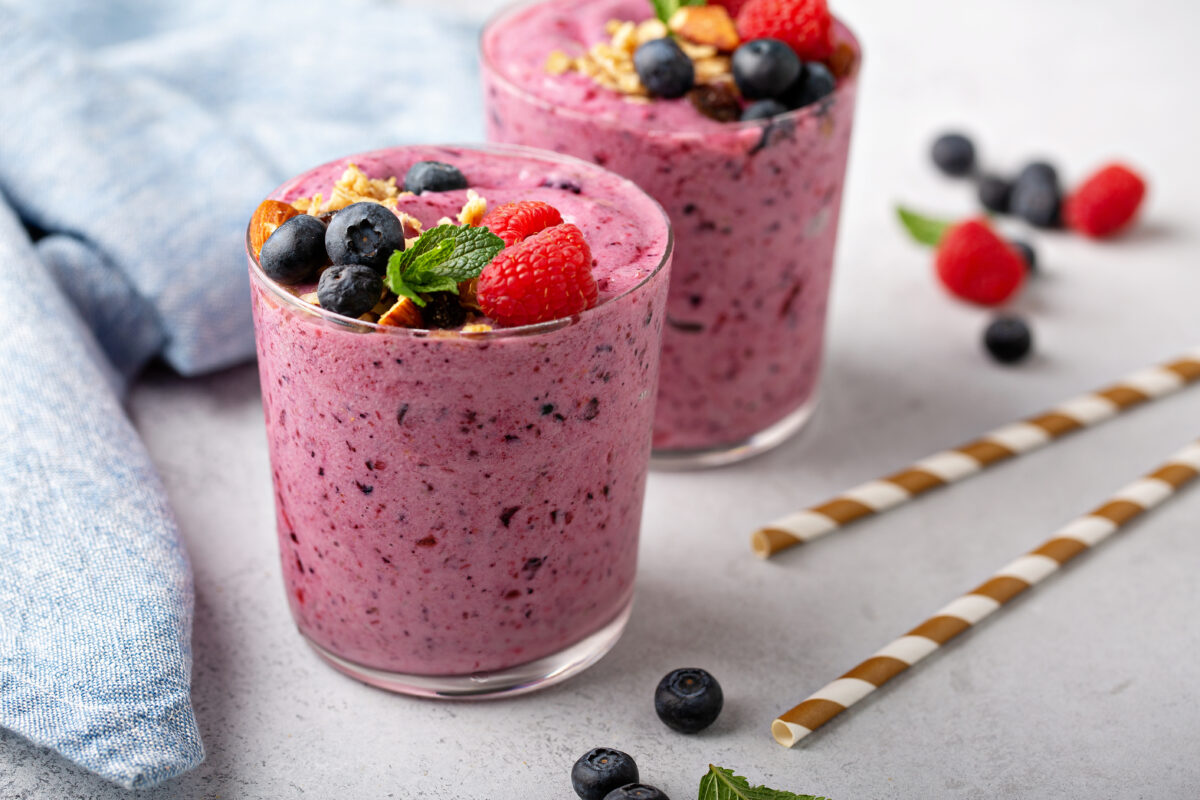
1. Mixed Berry Protein Smoothies
Blending frozen berries, a ripe banana, Greek yogurt, milk, and a clean protein source creates a nutrient-dense beverage that is easy to consume even when a child lacks an appetite immediately following a strenuous practice. The berries and banana supply immediate carbohydrates, while the Greek yogurt delivers quality protein and a creamy texture. Optional additions like chia seeds or ground flaxseed introduce essential omega-3 fatty acids.
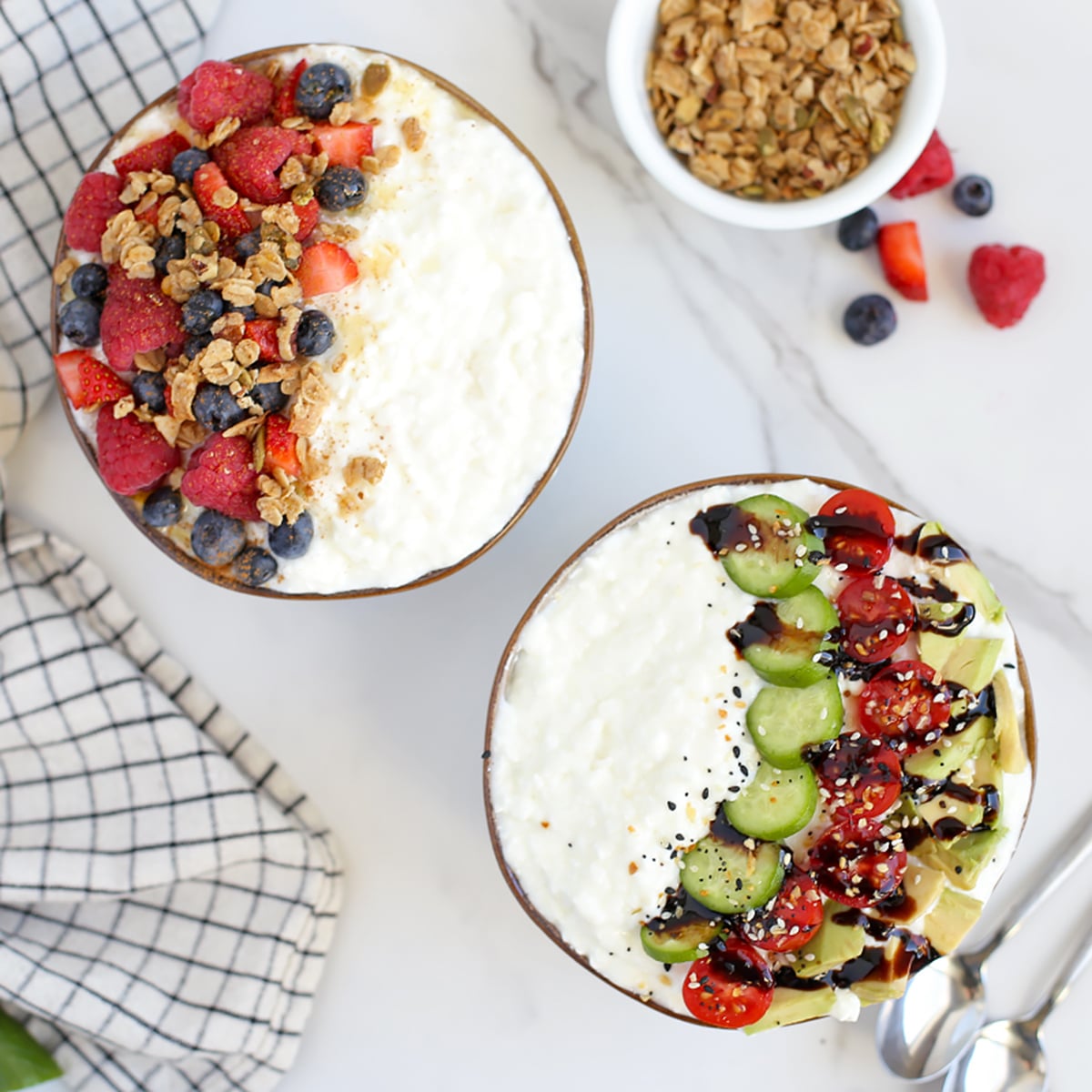
2. High-Protein Cottage Cheese Bowls
Offering remarkable versatility, cottage cheese can be adapted to suit both sweet and savory preferences. A sweet variant incorporates fresh berries, a drizzle of honey, cinnamon, and granola, whereas a savory version features diced tomatoes, cucumbers, avocado, and a touch of balsamic glaze. This preparation delivers approximately 17 grams of protein per serving, requiring zero cooking time.
3. Blueberry Protein Popsicles
Particularly popular during warm-weather sports seasons, these popsicles combine Greek yogurt, antioxidant-rich blueberries, and milk. They provide a refreshing psychological and physical reward post-game while supplying the necessary macronutrient balance to jumpstart recovery.
4. Peanut Butter Fudge Protein Energy Balls
Composed of wholesome ingredients including natural peanut butter, rolled oats, dates, sunflower seeds, and cocoa powder, these portable bites offer approximately 8 grams of plant-based protein per two-piece serving. Their compact nature makes them an ideal solution for children transitioning directly from the classroom to the athletic field.
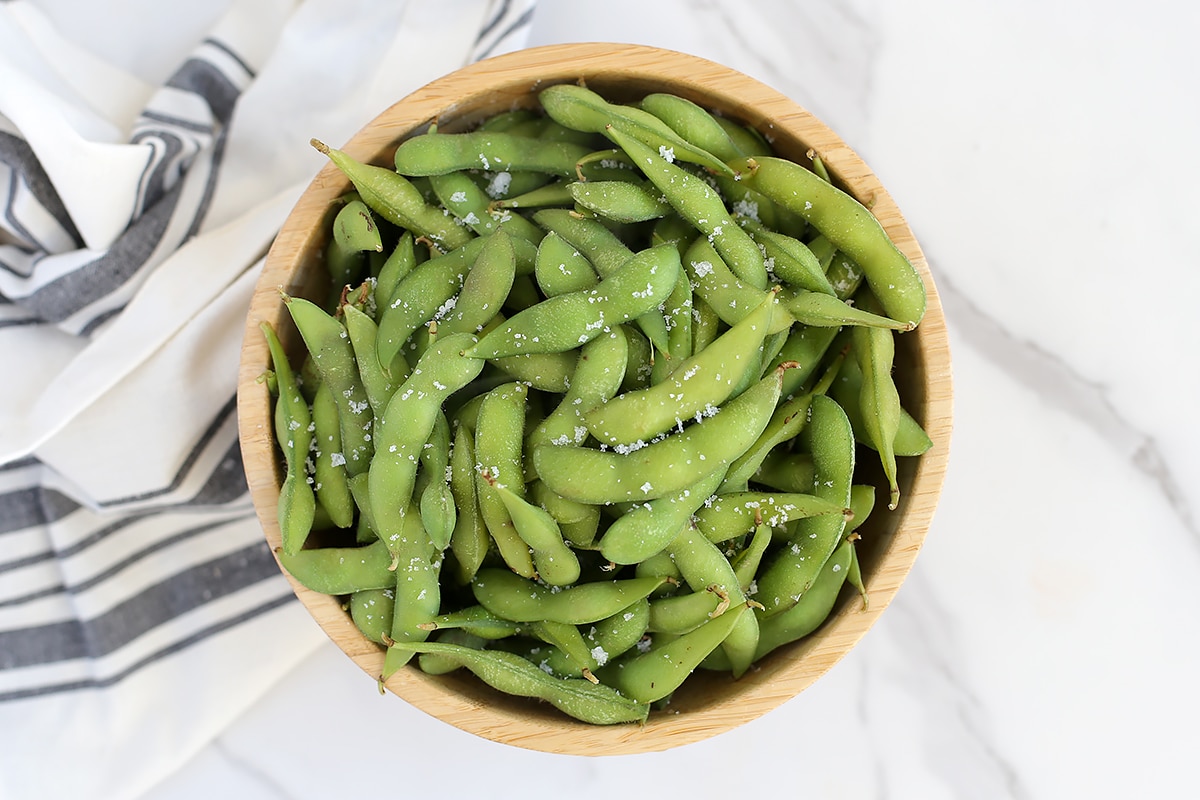
5. Quick High-Protein Edamame
As one of the simplest snack options available, steamed edamame dusted with a light layer of sea salt provides a substantial amount of plant-based protein and dietary fiber. Requiring minimal preparation, it serves as an excellent finger food that can be paired easily with whole-grain crackers or fresh fruit.
6. Homemade Chocolate RX-Style Bars
Designed for older children and teenagers engaged in all-day tournaments, these homemade bars combine dates, almonds, cashews, cocoa powder, and egg-white powder. Each bar yields roughly 10 grams of protein, offering a clean alternative to highly processed commercial snack bars.

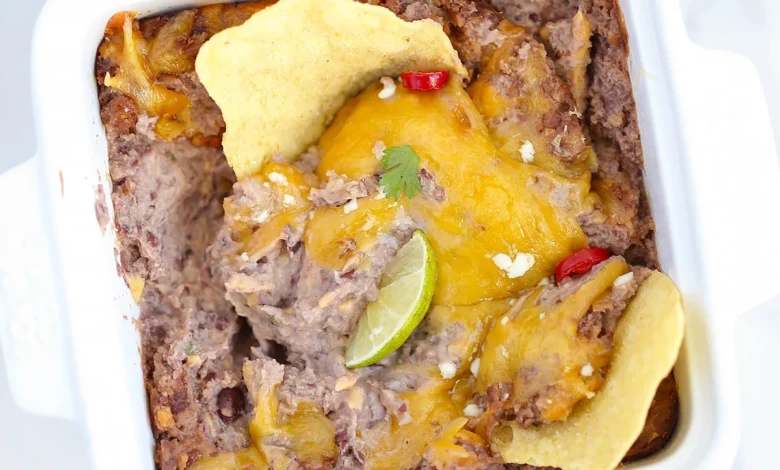
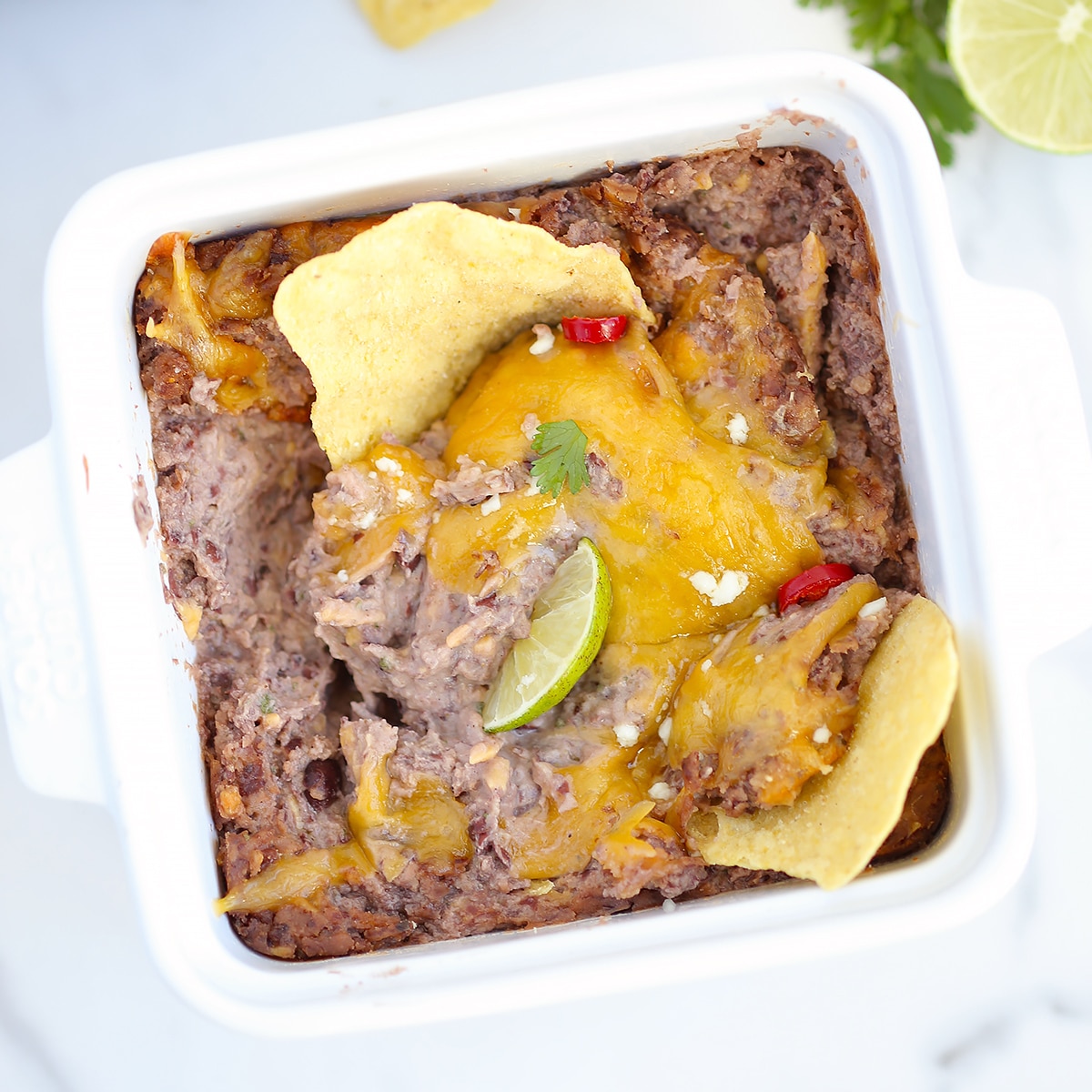
7. High-Protein Black Bean Dip
Challenging the notion that dips must be dairy- or meat-heavy, this recipe blends black beans with Greek yogurt, lime juice, and mild spices to yield roughly 14 grams of protein per serving. Paired with whole-grain tortilla chips and raw vegetable sticks, it offers a robust mix of carbohydrates and protein.
8. Kid-Friendly Protein Waffles
Incorporating Greek yogurt, milk, and whole eggs directly into a whole-wheat batter, these waffles provide approximately 15 grams of protein each. Preparing a large batch in advance allows parents to freeze and toast individual waffles for quick consumption before or after a game.
9. Flavor-Varied Roasted Chickpeas
Offering an appealing crunch, roasted chickpeas can be seasoned with various blends such as Cinnamon Sugar, Cool Ranch, Sweet Curry, or Barbecue. A standard serving provides approximately 9 grams of protein alongside significant dietary fiber, serving as an exceptional shelf-stable travel snack.
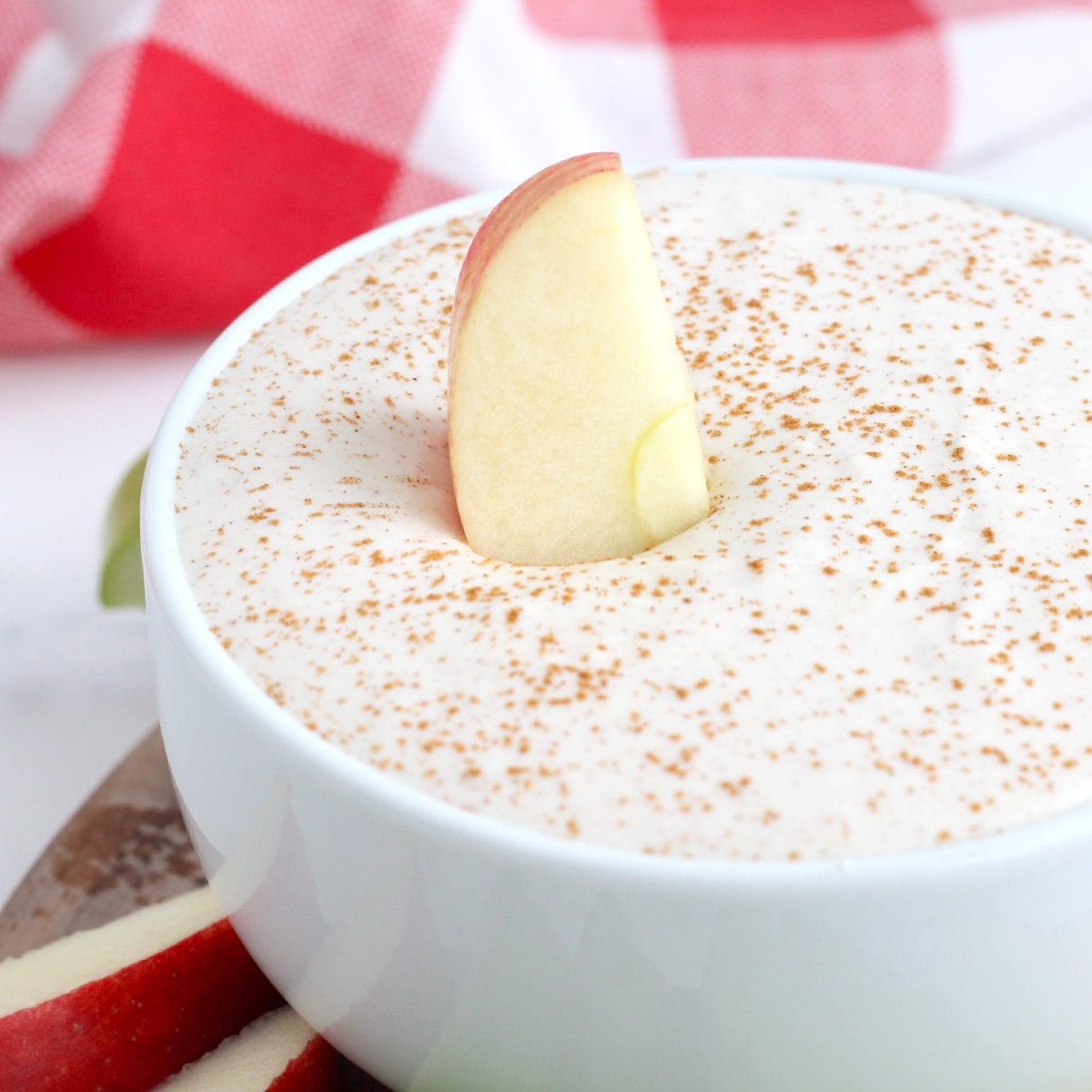
10. Healthy Yogurt Fruit Dip
By combining Greek yogurt with a touch of maple syrup, vanilla extract, and cinnamon, parents can create a compelling dip for seasonal fruits like apples, strawberries, and bananas. This combination bridges the gap between carbohydrate replenishment and protein intake without overwhelming the digestive system.
11. Roasted Green Peas
Tossed in olive oil and garlic salt before being oven-roasted until crispy, green peas offer an inexpensive, portable snack delivering approximately 5 grams of plant-based protein per serving.
12. Savory Greek Yogurt Dip with Fresh Vegetables
Utilizing a Greek yogurt base flavored with onion, dill, parsley, and garlic, this savory dip encourages vegetable consumption while providing roughly 7 grams of protein. Pairing the dip with whole-grain pita wedges transforms it into a more substantial post-workout option.
13. Collaborative Energy Bites
Engaging children directly in the preparation of no-bake energy bites—made from oats, peanut butter, flaxseed, chia seeds, and honey—fosters a positive relationship with food while yielding about 7 grams of protein per serving.
14. Chia Seed Energy Bites
Requiring minimal ingredients and preparation time, these simple refrigerator bites combine oats, peanut butter, honey, and chia seeds to supply sustained carbohydrates, plant-based proteins, and healthy fats.
15. Raspberry Quinoa Smoothie
For older adolescents with high caloric demands, blending cooked quinoa with milk, Greek yogurt, and raspberries creates a remarkably hearty beverage. This recipe yields up to 22 grams of protein per serving, providing robust nutritional support for intensive athletic training.

Timing Your Nutritional Intake: Pre- and Post-Sport Protocols
Medical professionals emphasize that the timing of snack consumption is just as important as the food’s nutritional profile.
Pre-Sport Fueling
When an athletic event is imminent, the digestive system requires foods that will not cause gastrointestinal distress. If an athlete eats several hours before competition, a balanced snack containing complex carbohydrates and moderate protein—such as oatmeal with fruit or a yogurt bowl—is optimal. However, if food is consumed immediately prior to vigorous activity, portions must be significantly reduced, favoring easily digestible carbohydrates that convert quickly into usable energy.
Post-Sport Recovery
The immediate post-exercise window is critical for muscle repair and glycogen replenishment. Nutritionists advise consuming a snack rich in both carbohydrates and protein within 30 to 45 minutes of completing an intense activity. Ideal combinations include a fruit smoothie with Greek yogurt, whole-grain toast with nut butter, or cheese and whole-grain crackers. Adequate fluid replacement must accompany this nutritional intake to offset sweat loss.
Addressing the Supplement Debate: Do Kids Need Protein Powder?
A prominent discussion among parents of young athletes concerns the safety and necessity of commercial protein powders and specialized supplements. According to consensus statements from pediatricians and sports dietitians, healthy children rarely require protein powders.
Standard dietary intake through everyday foods—including poultry, fish, eggs, dairy, beans, legumes, and grains—is more than sufficient to meet the elevated protein requirements of young athletes. Over-reliance on supplements can crowd out nutrient-dense whole foods and potentially expose developing organs to unregulated ingredients. Parents considering specialized nutritional supplements for a young athlete are strongly advised to consult a pediatrician or a registered sports dietitian before introducing these products into a child’s routine.
Broader Implications for Family Health and Athletic Longevity
The integration of thoughtful nutrition into youth athletics extends far beyond immediate game-day performance. Establishing balanced dietary habits during childhood lays the foundational framework for lifelong wellness, chronic disease prevention, and a healthy relationship with food.

By prioritizing accessible whole foods over processed alternatives, families can manage the logistical and financial challenges of supporting active children without relying on expensive specialty products. Ultimately, fueling young athletes is an exercise in practical planning: stocking refrigerators with versatile dairy staples, maintaining ready-to-eat whole foods, and understanding the core balance of carbohydrates and proteins required to sustain growing, active bodies.