The Evolution of Nutrient-Dense Baking: The Rise of the Flourless Pumpkin-Based Chocolate Cake

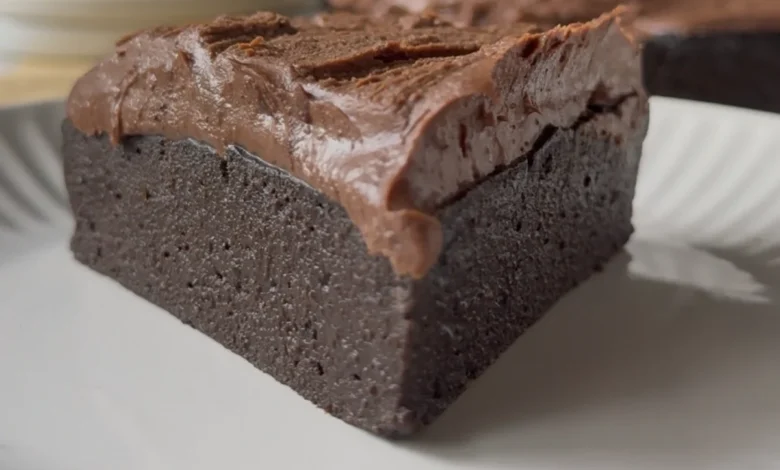
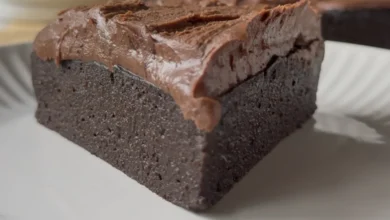
In the landscape of modern culinary innovation, a shift toward whole-food alternatives to traditional baking staples has gained significant momentum. A prime example of this trend is the emergence of the flourless, oil-free, and sugar-refined chocolate cake, a dessert that leverages the structural and moisture-retaining properties of pumpkin purée. This development reflects a broader movement within the food industry to replace processed carbohydrates and fats with nutrient-dense, plant-derived ingredients without compromising the sensory expectations of a traditional dessert.
The Scientific Shift in Baking Mechanics
Traditional baking relies heavily on the "starch network"—the gluten and structural matrices formed by wheat flour—to provide volume and stability. The introduction of pumpkin-based cake recipes represents a departure from this convention. By utilizing the fibrous, high-moisture composition of pumpkin purée, bakers have discovered a mechanism that acts as both a binding agent and a fat substitute.
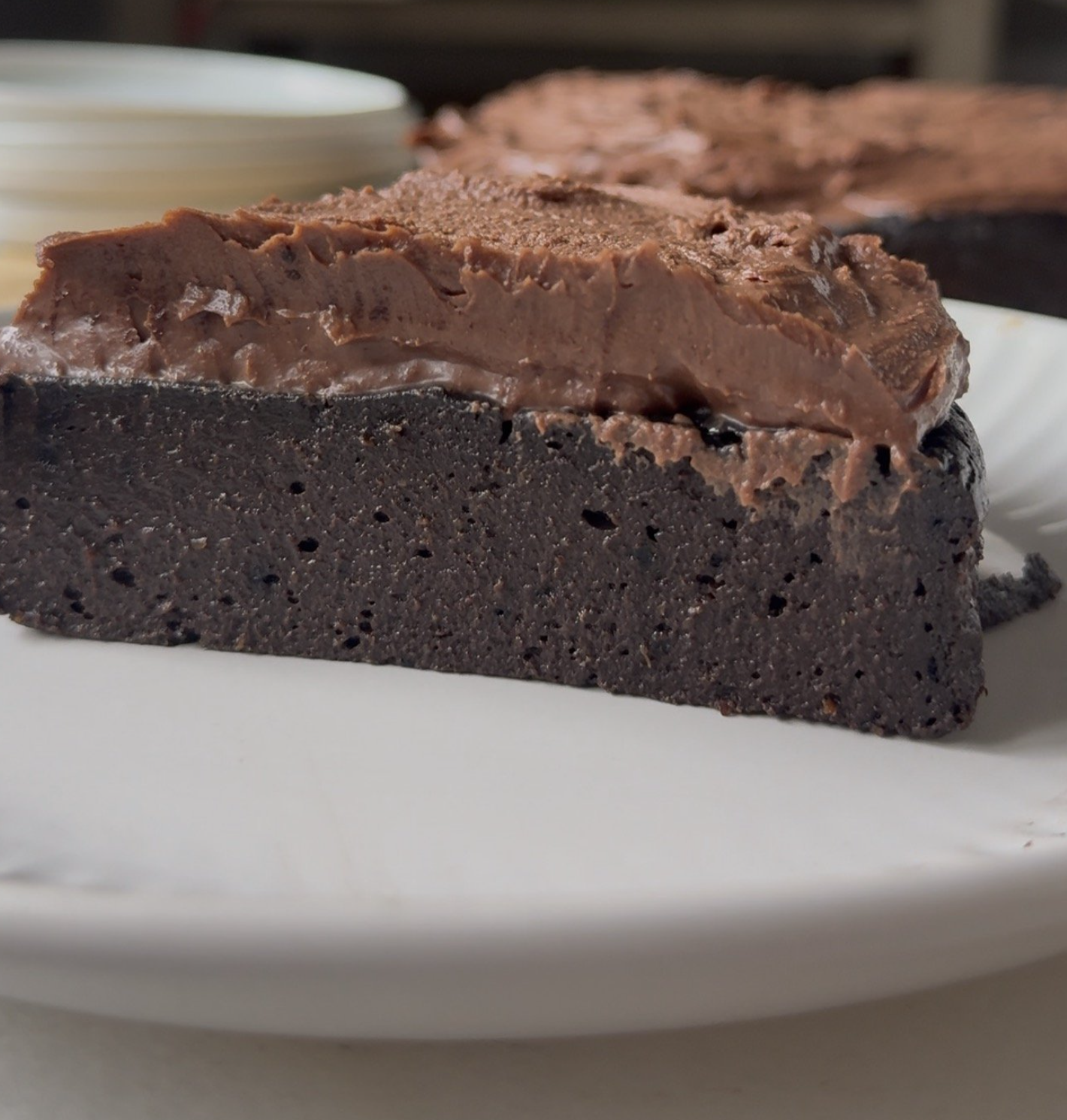
From a food chemistry perspective, the proteins in eggs, when combined with the pectin and fiber found in pumpkin, create a stable emulsion during the baking process. As the cake undergoes heat treatment, the coagulation of egg proteins provides the necessary framework to hold the moisture of the pumpkin, resulting in a product that mimics the texture of a flour-based brownie or torte. This methodology has been rigorously tested in professional and home kitchens, proving that when handled with precise cooling protocols, such cakes can achieve a structural integrity comparable to standard cakes.
A Chronology of the Flourless Movement
The transition away from refined flours can be traced back to the early 21st-century rise of the gluten-free and paleo movements. Initially, these culinary adjustments were driven primarily by dietary restrictions related to Celiac disease and metabolic sensitivities. However, over the past decade, the focus has shifted toward "clean eating," a philosophy that prioritizes minimally processed, whole-food ingredients.
The development of the pumpkin-based chocolate cake follows a clear trajectory:
- 2010–2015: The experimental phase, where home chefs began replacing fats like butter or oil with fruit or vegetable purées (such as applesauce or mashed banana).
- 2016–2020: The refinement period, where the role of cocoa powder as a "flavor mask" was perfected, allowing the earthiness of vegetables like pumpkin to be entirely subsumed by the intensity of dark chocolate.
- 2021–Present: The normalization phase, where such recipes have moved from niche dietary forums into mainstream culinary discourse, emphasizing not just health, but the texture and depth of flavor inherent in these alternative methods.
Nutritional Implications and Data
The nutritional profile of this cake contrasts sharply with traditional chocolate cake, which is typically laden with all-purpose flour, white sugar, and hydrogenated oils. A standard slice of flourless pumpkin chocolate cake, according to nutritional modeling, significantly reduces the glycemic load per serving.
By replacing refined sugar with natural sweeteners like maple syrup or honey, the dessert provides a more stable energy release. Furthermore, the use of pumpkin adds a dose of Vitamin A (beta-carotene) and dietary fiber, elements largely absent in traditional white-flour desserts. The substitution of traditional butter or vegetable oil with the moisture of pumpkin also results in a substantial decrease in saturated and trans-fat content, aligning with current dietary guidelines that suggest limiting processed lipid intake.
Culinary Methodology and Best Practices
Professional bakers and pastry chefs who have experimented with this recipe emphasize that the process is not merely a substitution of ingredients but a change in the thermodynamic approach to baking.
Key operational requirements include:
- Selection of Ingredients: The moisture content of the pumpkin purée is the primary variable. Professionals recommend using varieties with lower water content to prevent the "undersettling" of the final product.
- The Cooling Protocol: Unlike sponge cakes that set as they emerge from the oven, this recipe requires a mandatory cooling period of at least four hours, ideally including refrigeration. This is due to the process of protein coagulation. The cooling period allows the internal structure, built by the eggs and fiber, to solidify.
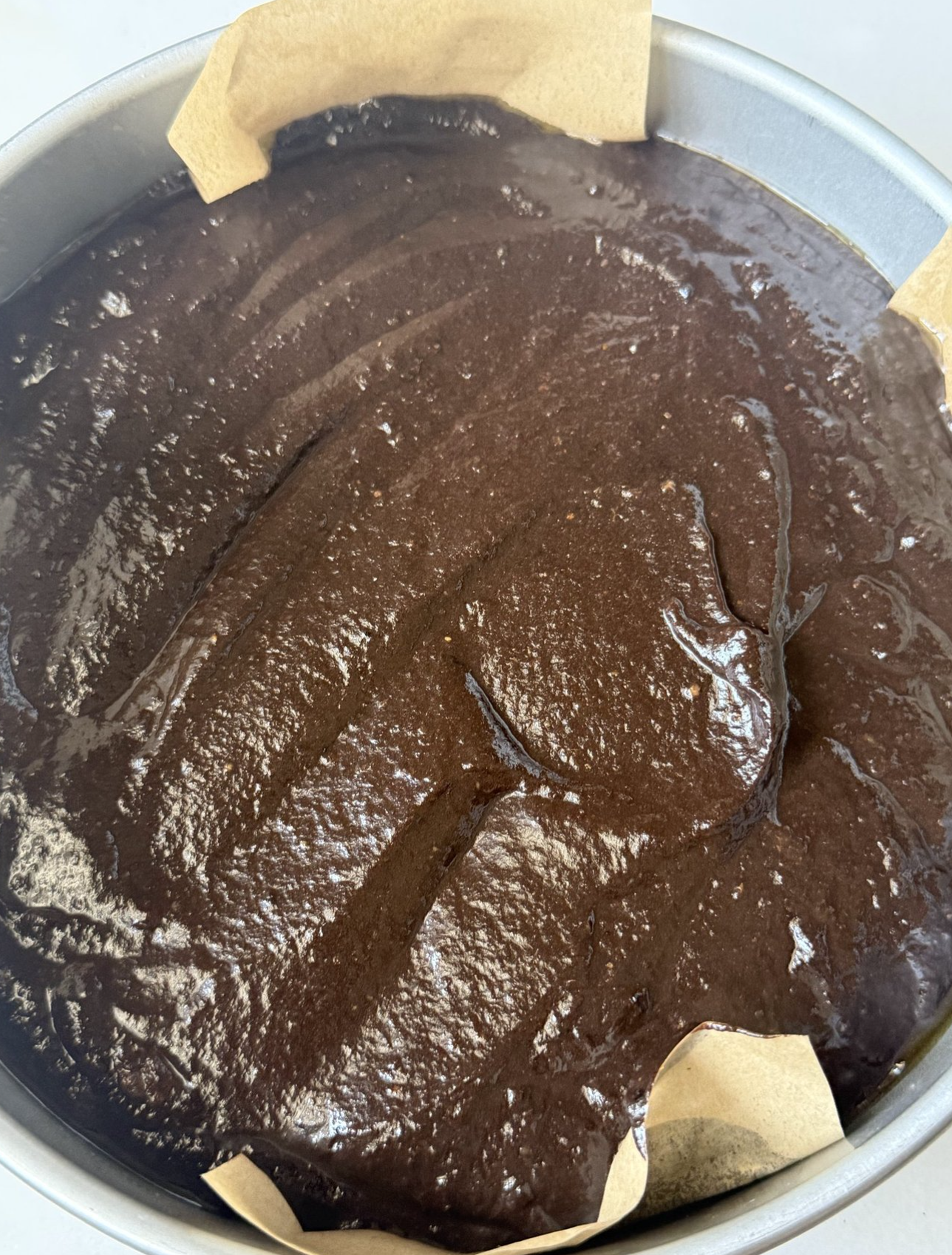
- Structural Integrity: The use of a springform pan is recommended for commercial and home execution. Because the cake lacks the traditional gluten structure, it is physically more fragile when hot, and the springform mechanism allows for the safe removal of the cake without structural failure.
Industry and Public Reaction
Consumer sentiment regarding flourless, vegetable-based desserts has evolved from skepticism to widespread acceptance. While earlier iterations of "healthy" desserts were often criticized for poor texture or a lingering "vegetable" aftertaste, the current generation of these cakes has largely resolved these issues.
Nutritionists and dietitians often point to these recipes as a successful intersection of culinary art and public health. By using dark cocoa powder—which is rich in flavonoids—the cake provides the indulgence expected of a dessert while mitigating the inflammation associated with high-sugar, high-processed-flour diets.
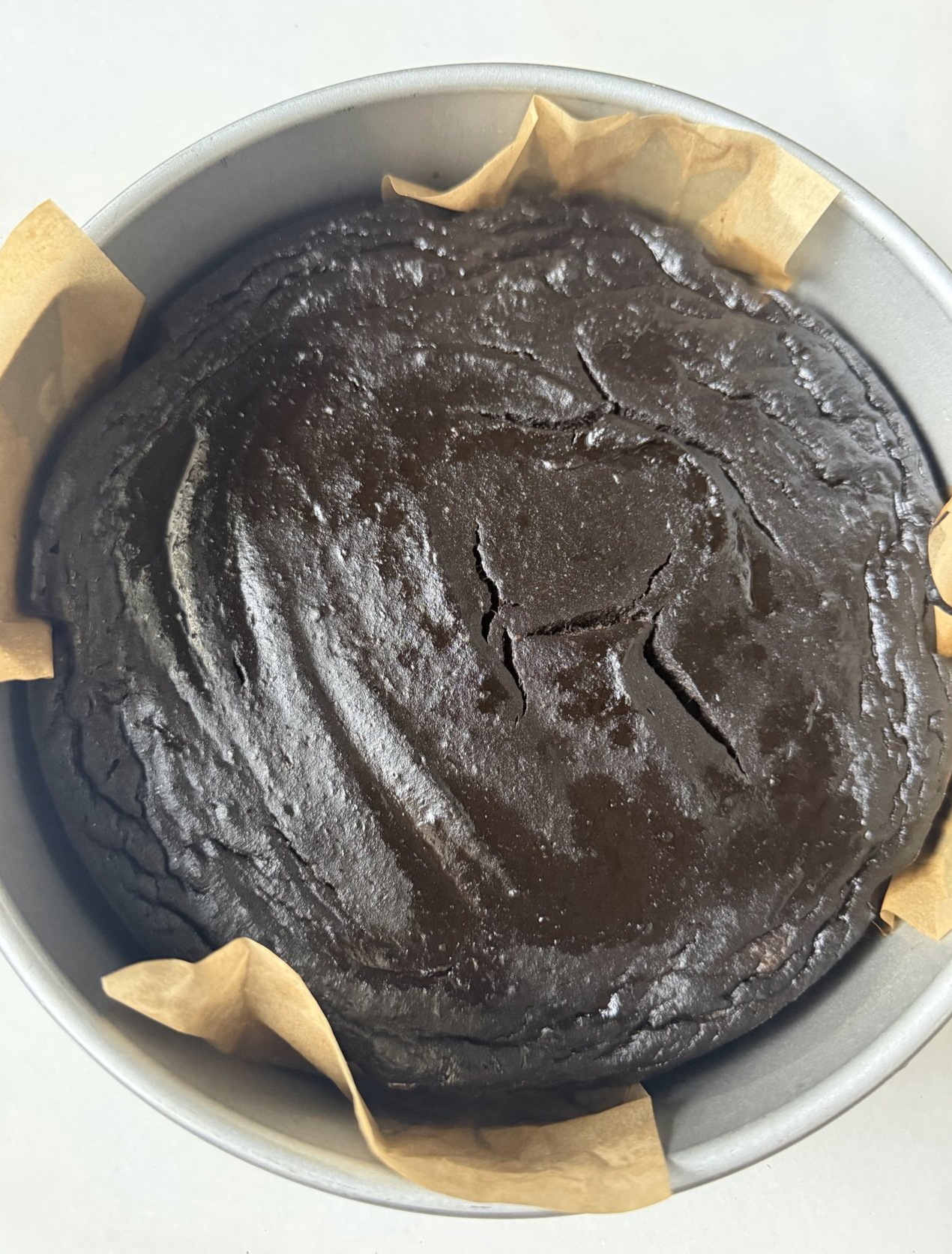
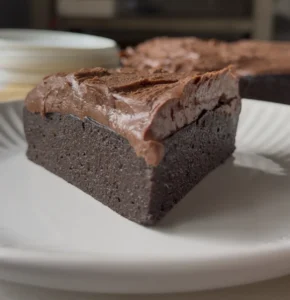
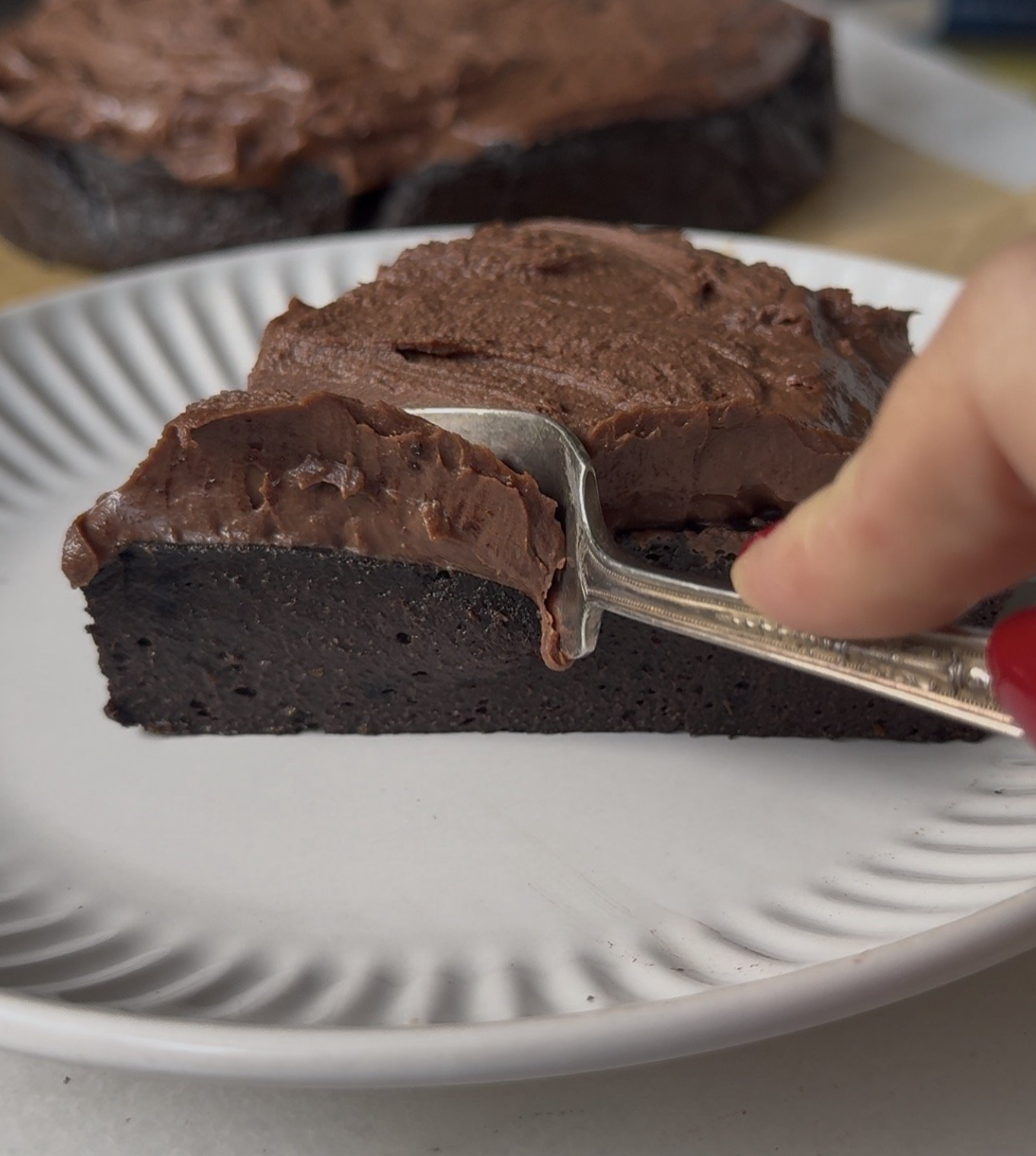
However, critics within the culinary arts sometimes note that the texture of a flourless, vegetable-based cake is fundamentally different from that of a crumb-based sponge. It is often described as "fudgy" or "brownie-like" rather than "light and airy." For those seeking a traditional birthday-style cake, this may be a limitation. Nevertheless, for those prioritizing health-conscious alternatives, the trade-off is widely considered favorable.
Broader Implications for the Baking Industry
The popularity of this dessert reflects a broader shift in the food industry: the "de-commodification" of traditional ingredients. As consumers become more aware of the health impacts of refined grains and sugars, the pressure on manufacturers to reformulate products is increasing.
The success of the pumpkin-based chocolate cake model suggests that the future of baking may rely on a more diverse range of agricultural inputs. If a common squash can successfully replace wheat and processed fats, it opens the door for further research into other tubers, legumes, and seeds that can serve dual purposes as both nutritional powerhouses and structural components.
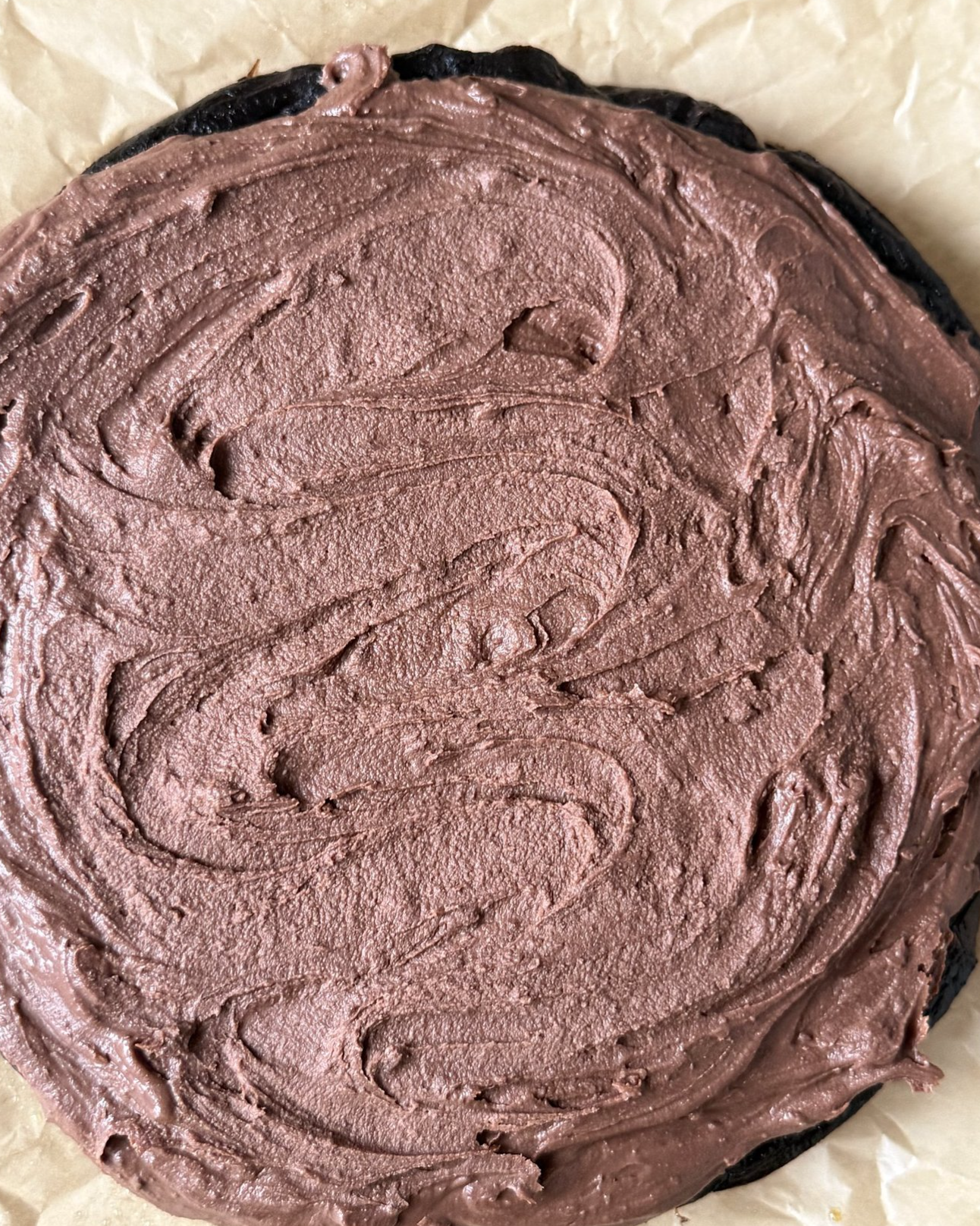
Moreover, the simplicity of the recipe—requiring only a handful of ingredients—challenges the trend of overly complicated, additive-heavy commercial baking. It encourages a return to basic, high-quality, whole-food components.
Conclusion
The evolution of the flourless pumpkin-based chocolate cake is more than a fleeting trend; it is a manifestation of a sophisticated understanding of food chemistry and a growing consumer demand for transparency in ingredients. By leveraging the natural properties of pumpkin to create a dense, satisfying, and nutrient-dense dessert, the culinary community has demonstrated that indulgence and nutrition need not be mutually exclusive. As more consumers adopt these techniques, it is likely that the standard definition of "baking" will continue to expand, incorporating a wider array of whole-food ingredients that serve both the palate and the body.
Moving forward, the focus for home bakers and commercial producers alike will likely remain on optimizing these processes, ensuring that the structural integrity of these desserts continues to meet the expectations of an increasingly health-conscious global population. With the continued availability of high-quality, whole-food ingredients, the era of the flourless, nutrient-dense dessert appears to be firmly established as a permanent fixture of the modern kitchen.