The Evolution of Nutrient-Dense Baking: The Rise of Flourless Pumpkin-Based Chocolate Cake

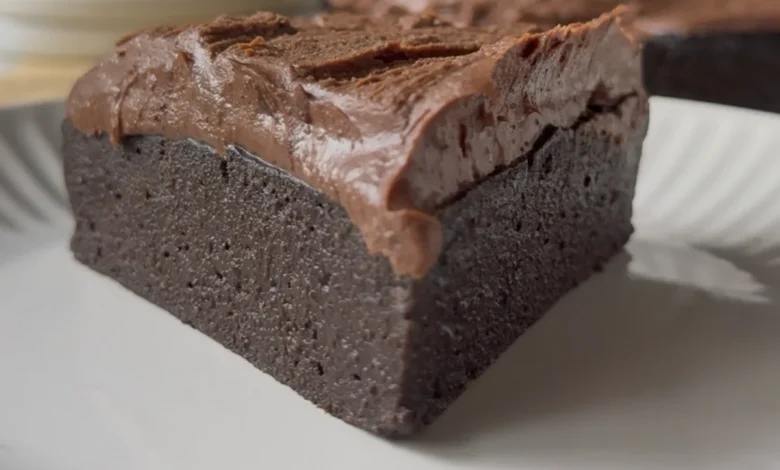
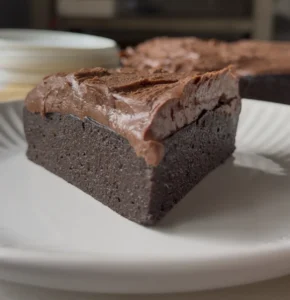
The landscape of modern home baking is undergoing a significant transformation as culinary professionals and home cooks alike shift toward ingredient-focused, nutrient-dense alternatives to traditional wheat-based desserts. A prime example of this trend is the emergence of the flourless chocolate cake, a recipe that utilizes pumpkin purée as a foundational structural agent. By eliminating processed flour, refined sugars, and industrial oils, this approach seeks to align gourmet dessert production with contemporary dietary preferences that prioritize whole-food ingredients.
Historical context in the culinary arts suggests that the shift toward grain-free baking began in earnest during the early 21st century, driven by an increasing awareness of gluten sensitivities and a broader public health focus on reducing refined carbohydrate intake. While early iterations of "healthy" desserts often suffered from textural deficiencies—frequently described as dry or crumbly—the current application of squash-based purées provides the necessary moisture and density to mimic the mouthfeel of traditional high-calorie, butter-based confections.
The Science of Structural Integrity in Flourless Baking
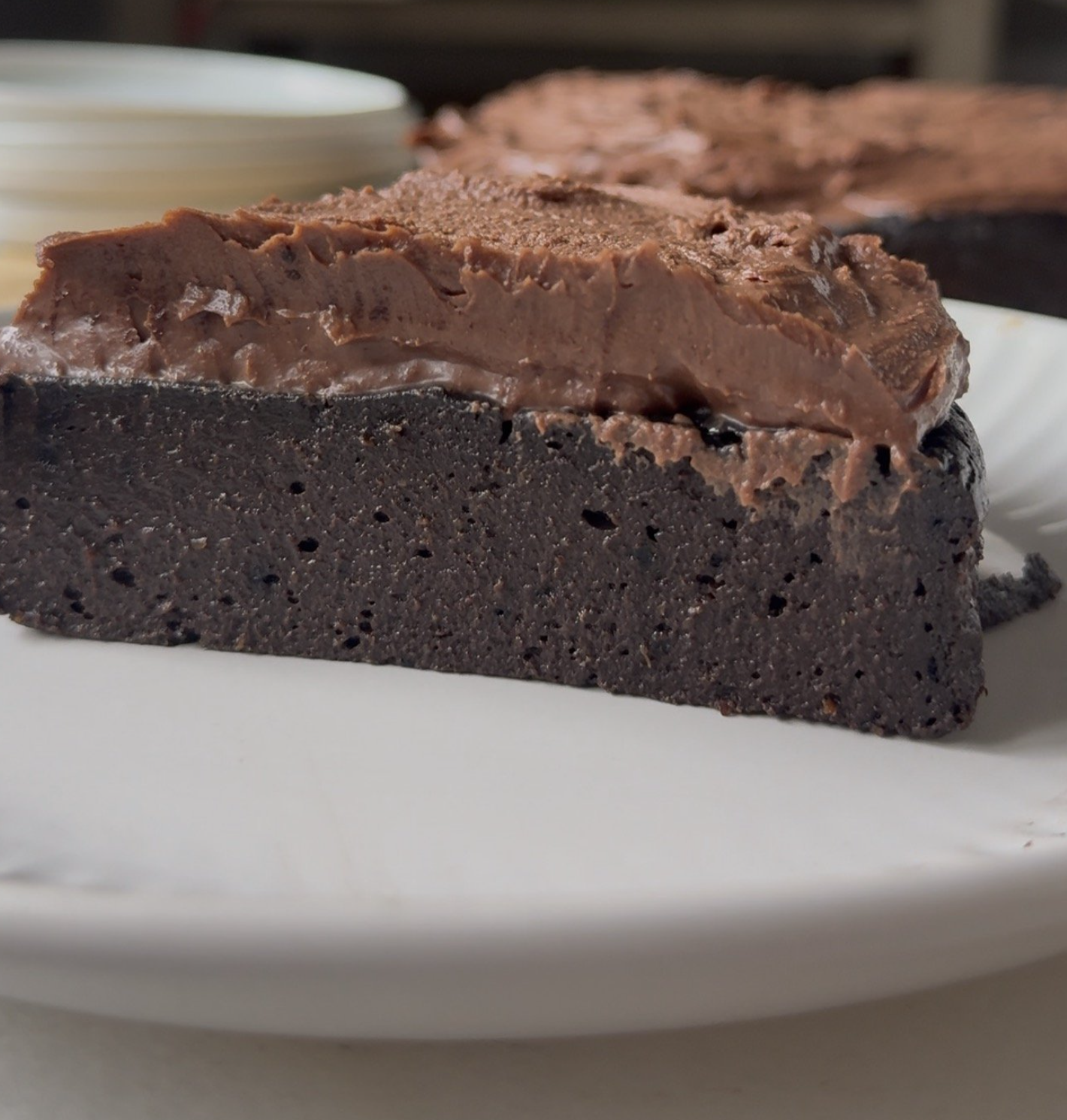
The fundamental mechanism behind this specific cake lies in the substitution of starch-heavy flour with the fibrous density of pumpkin purée. In traditional baking, wheat gluten creates a structural lattice that traps gases and sets upon heating. In this flourless iteration, that role is assumed by the coagulation of egg proteins. The pumpkin purée serves as a medium for moisture retention, preventing the high-protein structure from becoming overly rigid or rubbery.
Data from the test kitchen environment indicate that for this structural swap to be effective, the moisture content of the purée must be carefully managed. When using canned pumpkin, the variation in water content across different brands can affect the final outcome. Culinary experts recommend using low-moisture, high-density purées—often found in products specifically processed for baking—to ensure the cake does not remain under-set. If the purée exceeds a certain hydration threshold, the cake may fail to achieve the desired "fudgy" consistency, instead resulting in a loose, custard-like texture that lacks the expected sliceability.
Chronology of Preparation and Setting
A critical aspect of this recipe, which sets it apart from conventional sponge or butter cakes, is the extended cooling and setting process. While a standard flour-based cake requires only 30 to 60 minutes to reach a stable state, this flourless variant necessitates a minimum of four hours of cooling, with at least two of those hours in a refrigerated environment.
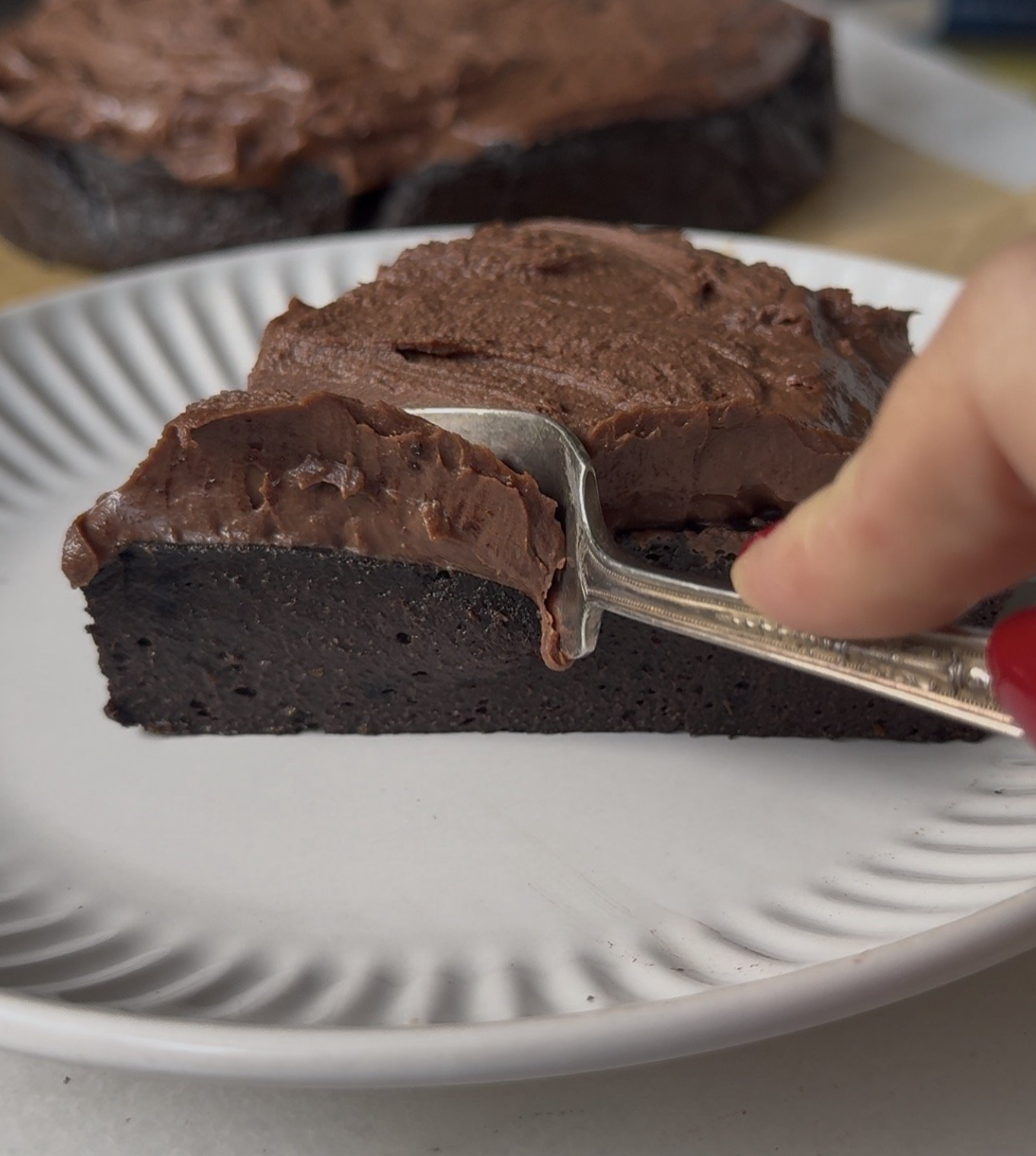
This requirement is not merely a matter of temperature; it is a chemical necessity. Because the structure relies on the cooling of egg yolks and proteins rather than the setting of starch, the structural integrity of the cake continues to evolve as it reaches room temperature and beyond. Analysts in the field of food science note that the "fudgy" quality is a direct result of this prolonged stabilization period, during which the fats in the cocoa and the fibers in the pumpkin coalesce into a cohesive matrix.
Ingredient Profiles and Nutritional Implications
The recipe composition relies on five core components: pumpkin purée, whole eggs, an additional egg yolk, dark cocoa powder, and natural sweeteners such as maple syrup or honey. The use of dark, Dutch-processed cocoa powder is of particular note, as it provides a robust flavor profile capable of completely masking the earthy notes of the pumpkin.
From a nutritional standpoint, the elimination of refined sugar—often linked to inflammatory responses and blood glucose spikes—in favor of natural sweeteners represents a shift toward more sustainable consumption habits. Furthermore, the inclusion of an extra egg yolk increases the healthy lipid content of the cake, which, when combined with the fiber-rich pumpkin, results in a dessert that may offer higher satiety levels than traditional cakes, which are often characterized by high glycemic loads and lower nutrient density.
Official Guidelines and Best Practices for Implementation
Industry standards for the preparation of this dessert are relatively straightforward but require precision in execution. The use of a springform pan is highly recommended, as the delicate, moist nature of the final product makes it prone to breaking during extraction from a standard cake tin.
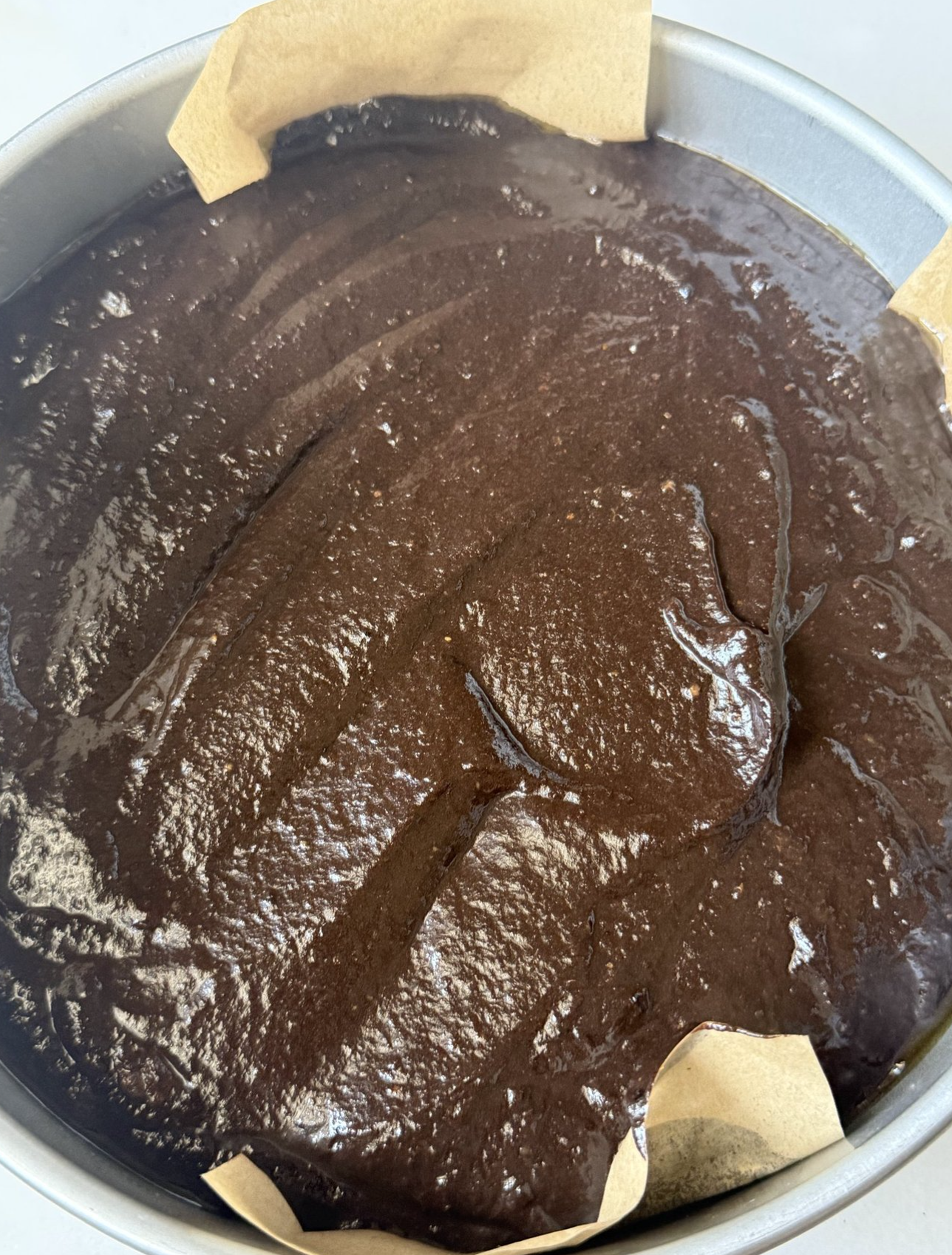
- Preheating and Preparation: The oven must be stabilized at 350 degrees Fahrenheit. The pan should be lined with parchment paper to ensure clean release, as the lack of gluten makes the cake more prone to sticking.
- Emulsification: The ingredients are combined into a single-bowl slurry. The objective is to achieve a completely smooth, uniform texture, ensuring that the cocoa powder is fully hydrated by the pumpkin and egg mixture.
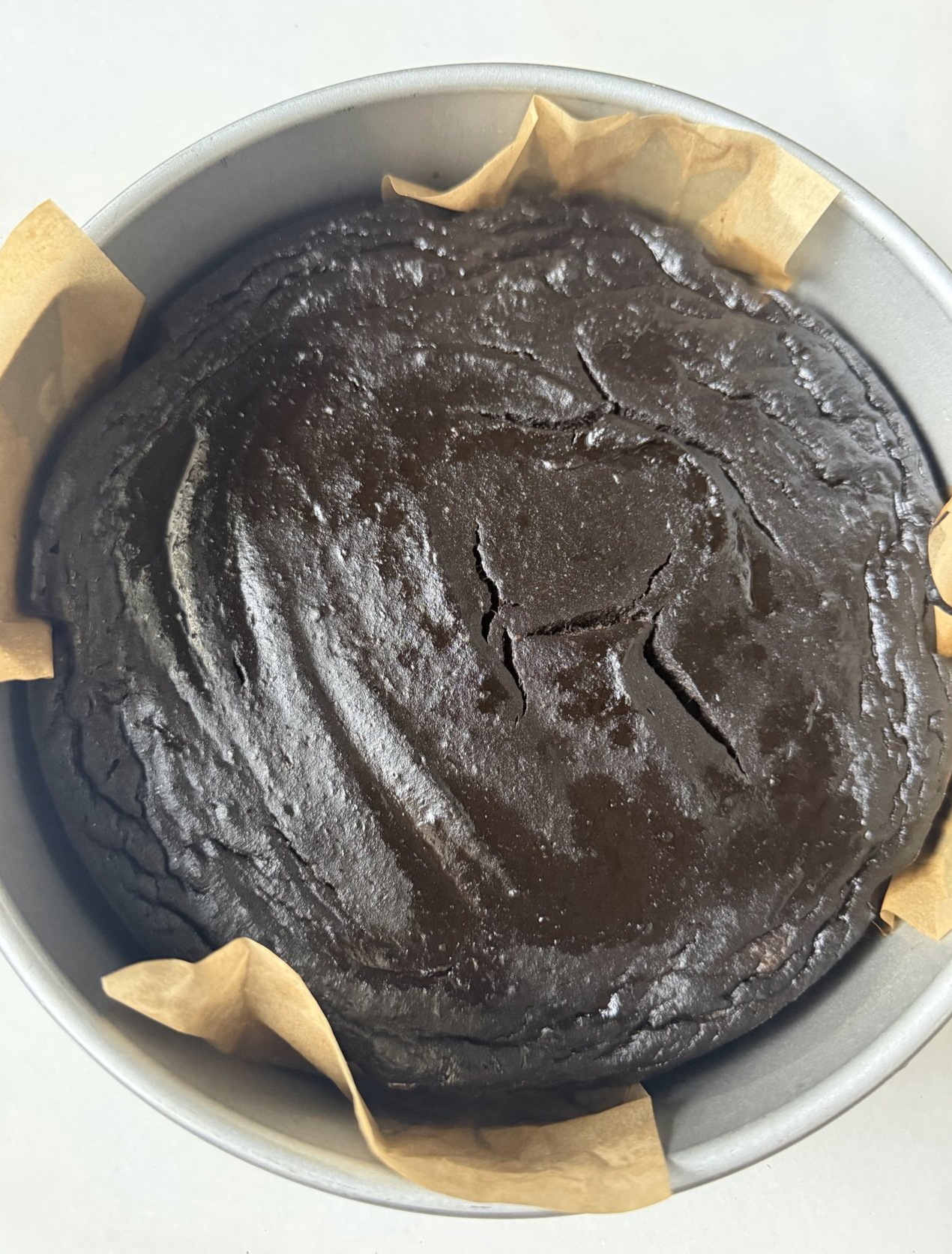
- Thermal Management: The baking process lasts approximately 60 to 65 minutes. The indicator for readiness is not a clean toothpick—which would suggest over-drying—but a top surface that appears "mostly set" with slight, gelatinous movement in the center.
- Post-Baking Stabilization: The mandatory four-hour cool-down period is the most vital step. Attempts to cut the cake before this period is complete will result in structural failure.
Broader Economic and Dietary Implications
The rise of such recipes is not occurring in a vacuum. It reflects a growing market demand for "real food" alternatives. According to recent consumer behavior studies, shoppers are increasingly prioritizing labels that feature recognizable, unprocessed ingredients. This recipe, by utilizing pantry staples that are widely available—pumpkin, eggs, cocoa, and maple syrup—lowers the barrier to entry for consumers seeking to avoid the expensive, processed stabilizers often found in gluten-free commercial baking mixes.
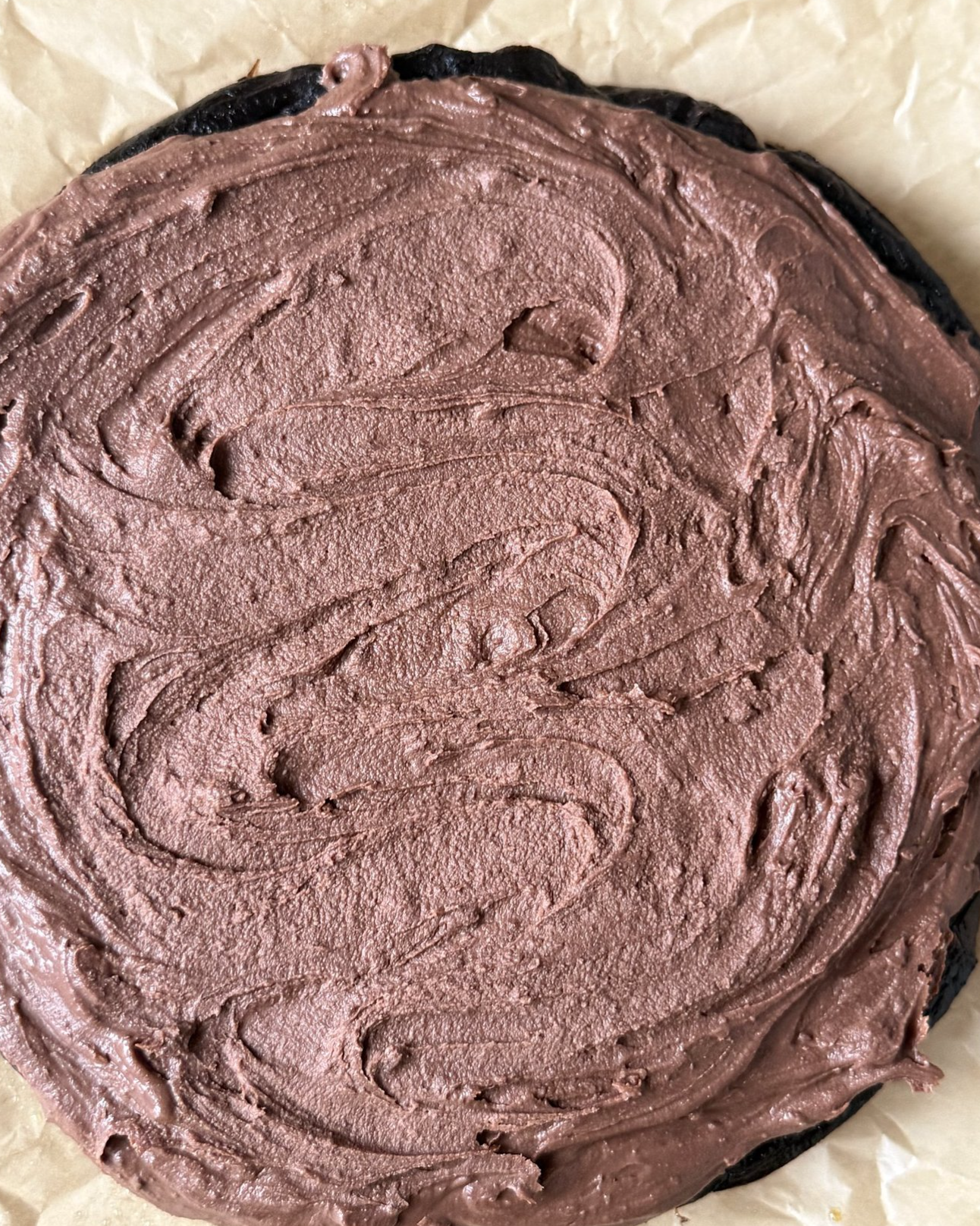
Furthermore, the versatility of this recipe allows for significant scalability. For instance, the transition to a dairy-free profile is easily achieved by substituting the heavy whipping cream in the ganache with full-fat canned coconut cream. This flexibility makes the recipe inclusive for a broader demographic, including those with lactose intolerance or those following plant-based diets.
Addressing Common Technical Queries
There remains a degree of skepticism among the public regarding the flavor profile of a cake containing squash. However, blind testing consistently demonstrates that the intensity of dark cocoa effectively neutralizes the pumpkin flavor. The success of the dish depends almost entirely on the quality of the cocoa powder; lower-quality or overly sweetened cocoa will fail to provide the necessary depth to balance the sweetness of the maple syrup.
Regarding the dietary classification, the total absence of grain-based flour confirms its status as naturally gluten-free. However, for those with severe celiac disease, strict attention must be paid to the sourcing of cocoa and chocolate chips, as cross-contamination during the manufacturing of these products remains a genuine risk.
Future Outlook on Nutrient-Dense Confectionery
As the culinary industry continues to reconcile traditional indulgence with modern health consciousness, the success of flourless, vegetable-based cakes highlights a potential future where desserts serve a dual purpose. They are no longer viewed solely as caloric indulgences, but as vehicles for fiber, protein, and antioxidants.
This transition is supported by the ease with which these recipes can be scaled and adapted for home use. The elimination of specialized equipment or complex techniques—such as folding in whipped egg whites or tempering chocolate—makes this high-quality result accessible to novice cooks. As public health organizations continue to emphasize the reduction of ultra-processed foods, recipes that lean on the inherent structural properties of natural ingredients like pumpkin will likely become a permanent fixture in the modern repertoire.
In conclusion, the flourless pumpkin-based chocolate cake represents a synthesis of culinary innovation and nutritional pragmatism. By leveraging the physical properties of natural ingredients, it achieves a standard of quality that rivals traditional baking while aligning with the health-conscious priorities of the contemporary consumer. The key to its success remains in the rigorous adherence to the cooling timeline and the selection of high-quality, low-moisture components, ensuring that the final product maintains its intended fudgy consistency and rich, complex flavor profile.