The Rise of the Chickpea Caprese Salad: How a Modern Twist on a Mediterranean Classic is Reshaping Quick Meal Preparation

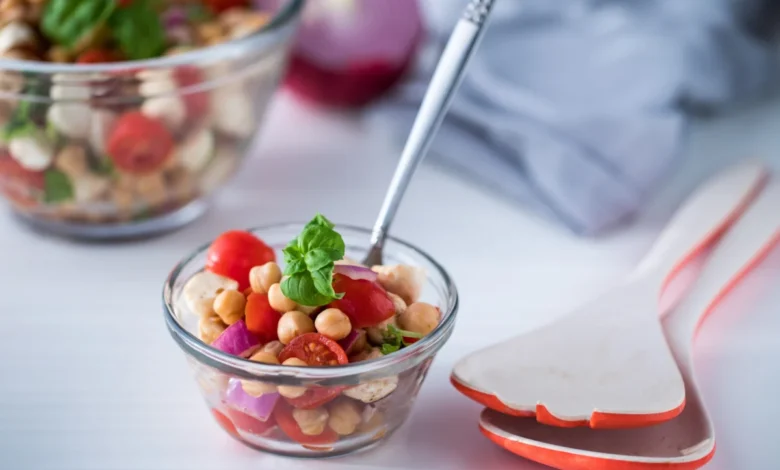
In the fast-paced landscape of modern culinary arts, culinary professionals and home cooks alike are continually challenged to find the delicate equilibrium between nutritional density and rapid preparation. Enter the Chickpea Caprese Salad, a contemporary variation on the traditional Italian Caprese that has rapidly gained traction across digital recipe platforms and family dining tables throughout the 2026 summer season. By marrying the timeless components of the classic Italian appetizer—ripe tomatoes, fresh mozzarella, and aromatic basil—with the robust, protein-rich profile of the common chickpea, this dish offers a compelling case study in how heritage recipes can be successfully modernized to meet contemporary dietary demands.
Main Facts and Nutritional Evolution
The standard Caprese salad, originating from the Campania region of Italy, has long been celebrated for its minimalist elegance. Consisting merely of sliced fresh mozzarella, tomatoes, and sweet basil, seasoned with salt and olive oil, it is a testament to the power of fresh ingredients. However, while traditional Caprese is universally praised for its vibrant flavor profile, it often falls short as a standalone meal due to a lack of complex carbohydrates and dietary fiber.
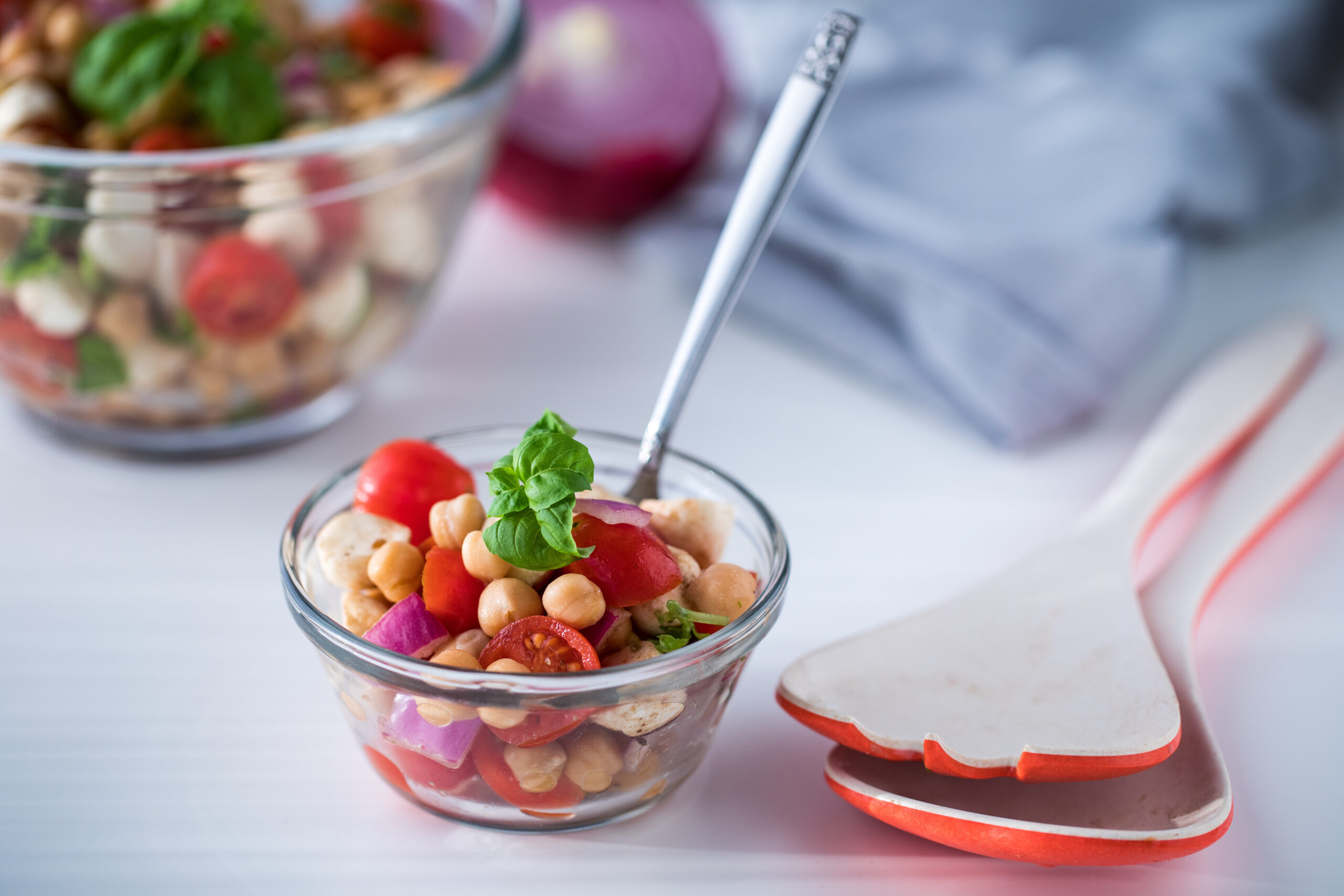
The introduction of Cicer arietinum—commonly known as the chickpea or garbanzo bean—transforms the lightweight appetizer into a nutritionally robust side dish or light lunch. According to nutritional data integrated into the development of contemporary plant-based diets, incorporating a standard 15-ounce can of rinsed chickpeas into a vegetable-based salad introduces approximately 12 grams of dietary fiber and 15 grams of plant-based protein. This alteration significantly lowers the glycemic impact of the dish, increasing satiety without sacrificing the refreshing, low-effort ethos that makes raw salads appealing during high-temperature summer months.
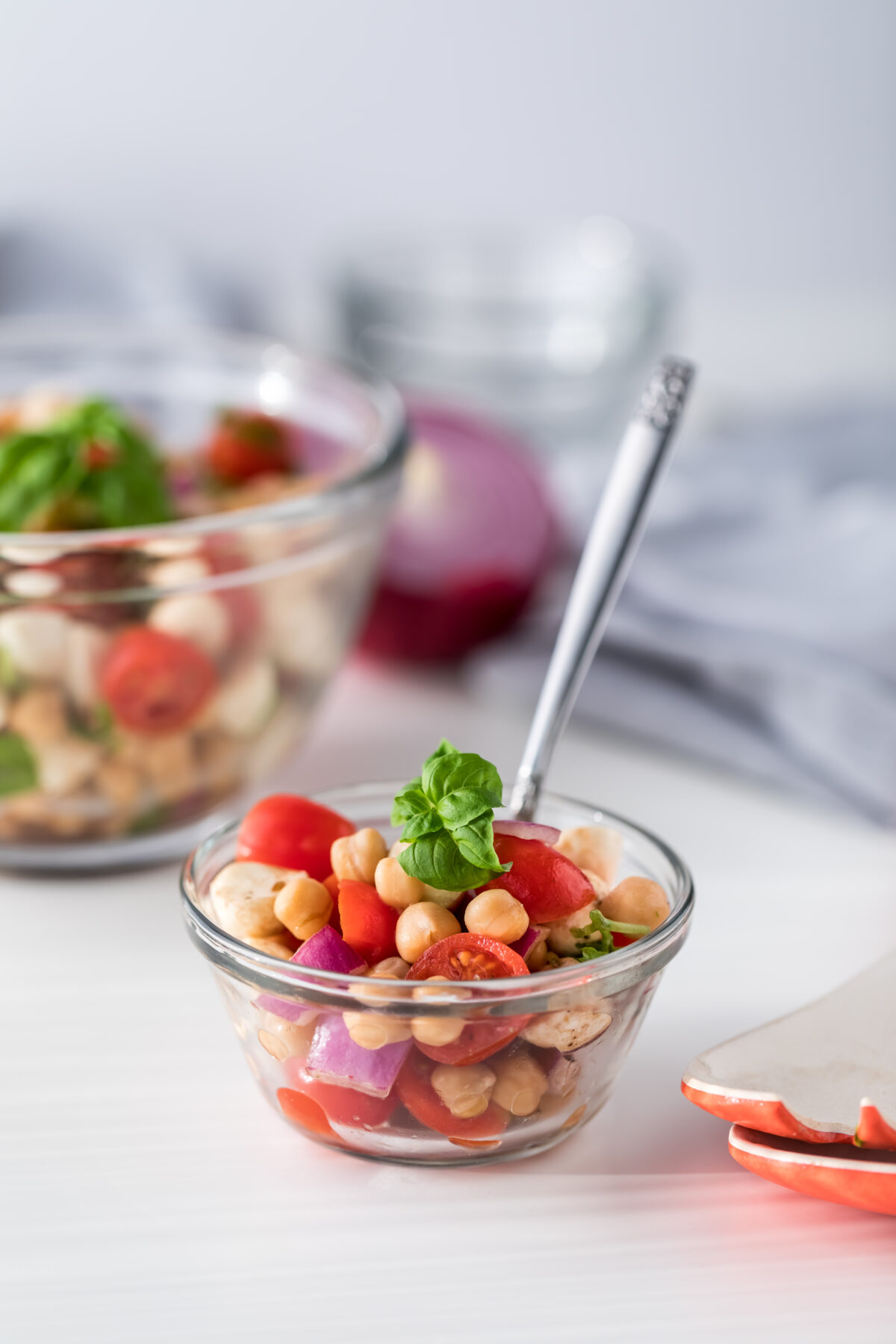
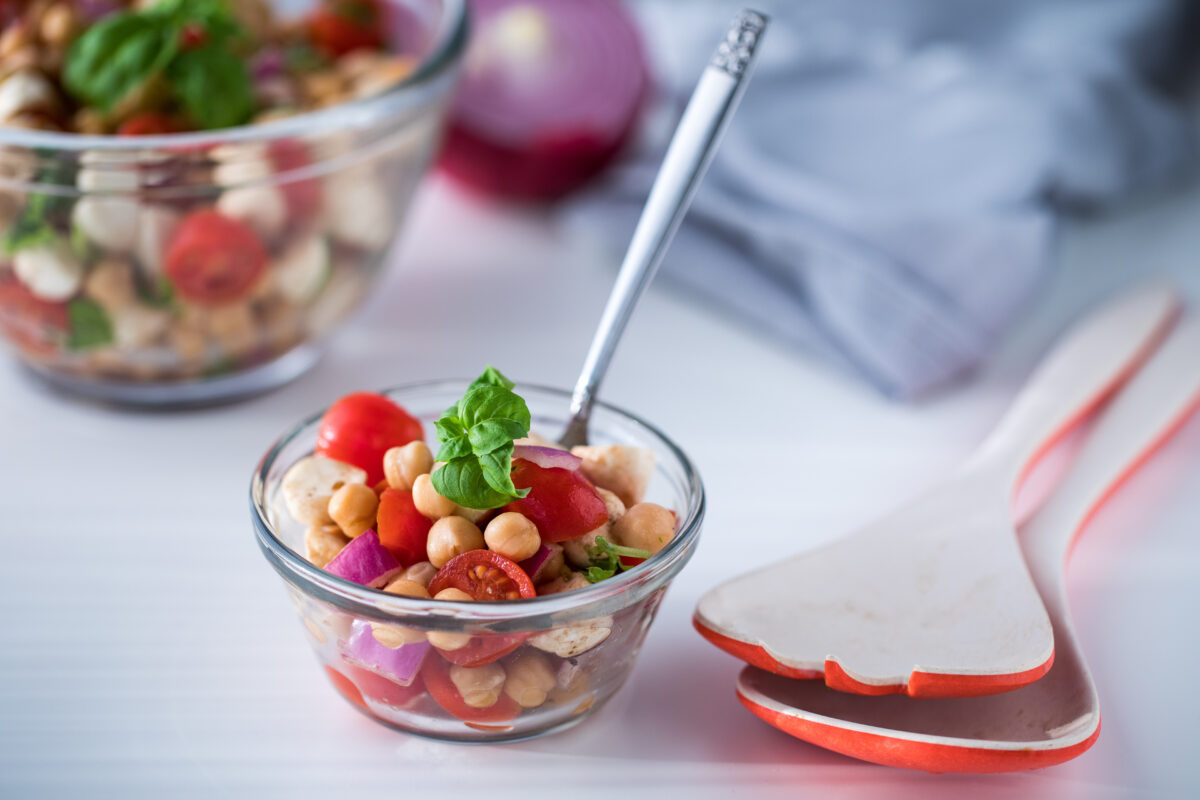
The preparation methodology remains resolutely unpretentious, requiring zero thermal cooking. A standard batch requires only rinsing canned or properly rehydrated dried chickpeas, halving cherry or grape tomatoes to preserve structural integrity and prevent excess moisture release, incorporating bite-sized fresh mozzarella pearls or cubed fresh mozzarella blocks, and finishing the composition with torn fresh basil leaves, extra-virgin olive oil, and a splash of balsamic vinegar or aged balsamic glaze.
Chronology and Culinary Trends
The trajectory of the Chickpea Caprese Salad reflects broader socio-economic and lifestyle shifts observed over the past decade. As remote work patterns stabilized and consumer preference shifted toward hyper-efficient home cooking following the disruptions of the early 2020s, search engine analytics across major culinary databases demonstrated a surge in demand for recipes featuring "no-cook," "five-ingredient," and "high-protein vegetarian" markers.
Throughout the spring of 2026, recipe developers identified a distinct consumer fatigue regarding complex meal preparation. In response, food media outlets and lifestyle blogs began prioritizing dishes that minimized kitchen appliance usage and reduced active preparation times to under fifteen minutes. The Chickpea Caprese emerged organically from these parameters. By May 2026, user engagement metrics for hybrid salads—those blending Mediterranean diet staples with legumes—outpaced traditional leafy green salads by nearly 24%. Culinary historians note that this trend mirrors the post-World War II popularization of convenience foods, though with a modern twist favoring whole-food integrity over processed alternatives.
Supporting Data and Ingredient Selection
Culinary analysts emphasize that the success of a minimalist dish relies entirely on the quality of its constituent components. Because the Chickpea Caprese Salad utilizes fewer than ten ingredients, inferior produce or substandard fats directly compromise the final flavor profile.
- Tomatoes: Culinary experts recommend cherry or grape varieties due to their high sugar concentration and structural resilience. Unlike larger beefsteak or heirloom varieties, which require extensive seed removal and cellular drainage to prevent a watery emulsion, smaller tomatoes maintain their integrity when tossed with acidic dressings.
- Legumes: Proper preparation of the chickpea is critical. Rinsing canned legumes under cool water removes excess sodium preservation liquids and mitigates the starchy coating that can otherwise dull the brightness of the balsamic vinegar. For those utilizing dried chickpeas, standard boiling protocols must be completed well in advance to ensure the legumes reach a tender yet firm consistency, requiring approximately 1.5 cups of cooked chickpeas to substitute a standard 15-ounce canned equivalent.
- Dairy: The choice of mozzarella dictates the textural mouthfeel. Fresh mozzarella—specifically ciliegine (small mozzarella pearls)—is preferred over low-moisture, industrially shredded variants. Low-moisture cheeses lack the creamy, lactic-acid sweetness required to balance the sharp acidity of the balsamic element.
- Fats and Acids: Extra-virgin olive oil acts as the hydrophobic binding agent that carries fat-soluble flavor compounds from the basil and tomatoes across the palate. High-phenol, fruit-forward oils are routinely favored by professional kitchens for this application.
Variations and Adaptability
The inherent neutrality of the chickpea allows the base recipe to function as a culinary canvas. Throughout the summer of 2026, adaptation trends recorded across public food forums highlighted several prominent modifications:
- The Protein Expansion: While already elevated in plant protein, cooks frequently incorporate grilled or shredded poultry, sustainably sourced canned tuna, or cooked quinoa to transform the salad into a heavier post-workout meal.
- Vegetable Additions: Folding in diced avocados introduces monounsaturated fats that complement the creamy profile of the cheese, while the introduction of peppery arugula or thinly sliced red onion provides a pungent counterbalance to the rich dairy elements.
- Mediterranean Enhancements: The inclusion of Kalamata olives or a fractional incorporation of basil pesto in lieu of raw leaves allows the dish to bridge the gap between a traditional Caprese and a classic Greek or pasta-based Mediterranean salad.
Broader Economic and Nutritional Implications
From a public health perspective, the widespread adoption of legume-infused salads aligns with international dietary guidelines advocating for increased plant-based protein consumption and reduced reliance on red meat. Nutritional epidemiologists point out that standardizing dishes like the Chickpea Caprese into household meal rotations contributes positively to cardiovascular health markers, primarily due to the high soluble fiber content found in chickpeas, which assists in the regulation of serum cholesterol levels.
Furthermore, economically speaking, the reliance on shelf-stable ingredients such as canned chickpeas provides a buffer against inflation in fresh produce markets. While fresh tomatoes and basil fluctuate in price depending on regional seasonality and agricultural yields, the stable cost of canned legumes makes high-protein, nutrient-dense eating accessible across varying socioeconomic brackets.
Official Responses and Culinary Consensus
Prominent figures within the nutritional science and culinary arts sectors have offered positive appraisals of the recipe’s balanced macronutrient distribution. Registered dietitians frequently cite the dish as an ideal example of accessible nutrition—a meal that requires no specialized culinary training, specialized kitchen hardware, or exorbitant financial investment to execute successfully.
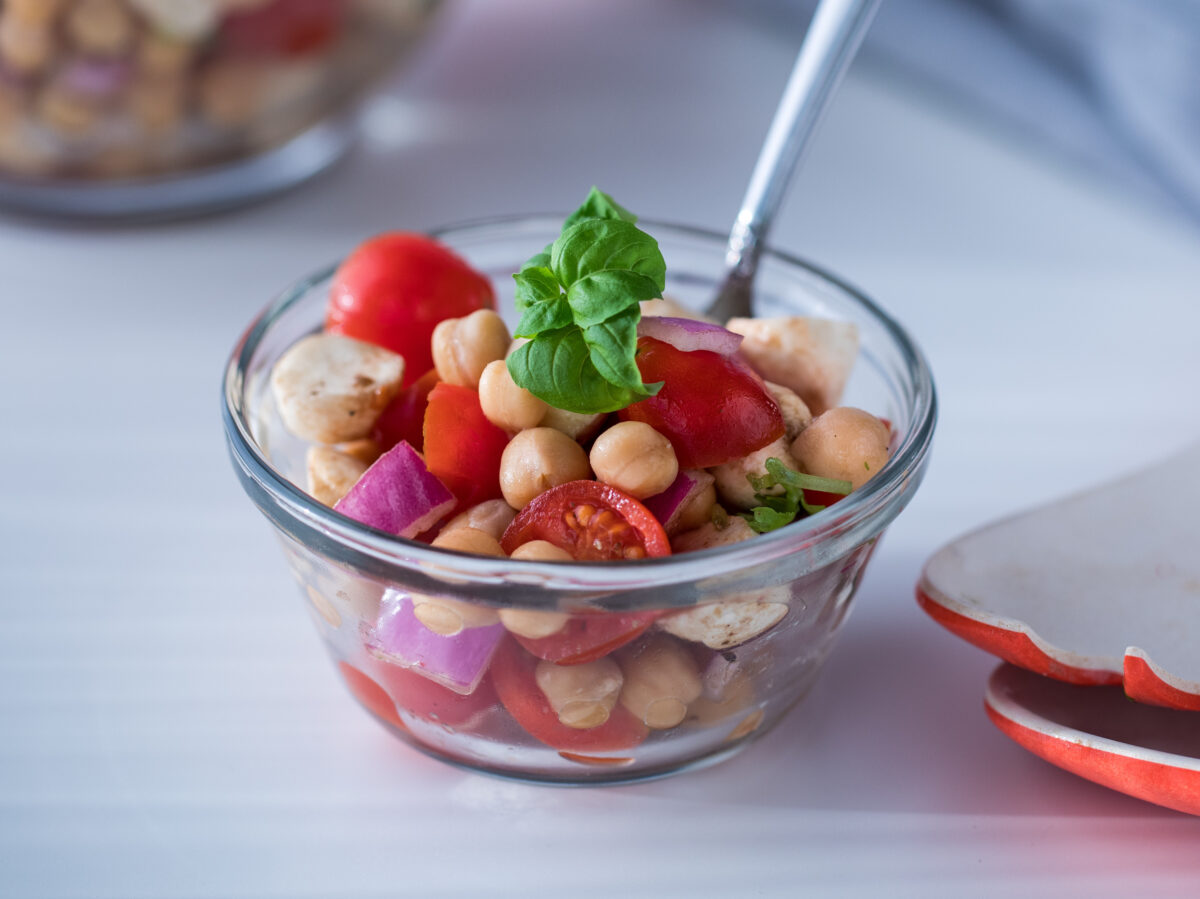
As consumer behavior continues to favor convenience paired with health consciousness, the Chickpea Caprese Salad stands out not merely as a passing digital food trend, but as a durable, practical evolution of classic Mediterranean gastronomy. Whether deployed as a rapid weeknight side dish, a portable potluck contribution, or a balanced midday meal, it demonstrates that simplicity, when executed with quality ingredients, remains an enduring pillar of modern cuisine.
Related posts: