The health and physical security of an infant during sleep hours remains a critical public health priority, with organizations such as the American Academy of Pediatrics (AAP) and the Centers for Disease Control and Prevention (CDC) continuously updating guidelines to mitigate risks associated with Sleep-Related Infant Deaths (SRIDs). These deaths, which include Sudden Infant Death Syndrome (SIDS), accidental suffocation, and strangulation in bed, remain a leading cause of mortality among infants under one year of age. Understanding the physiological vulnerabilities of newborns and the environmental factors that can jeopardize their safety is the first step in creating a secure nursery environment.
The Evolution of Safe Sleep Recommendations
The historical shift in how society approaches infant sleep began in earnest in the early 1990s. In 1992, the AAP recommended that infants be placed on their stomachs to sleep, but clinical evidence began to shift rapidly thereafter. By 1994, the "Back to Sleep" campaign was launched in the United States, following successful initiatives in other countries that observed a dramatic decline in SIDS cases when infants were placed on their backs.
Since that time, research has expanded to encompass not just sleeping position, but the entirety of the sleep environment. The modern framework for infant sleep safety is now centered on the "ABCs" of sleep—Alone, Back, and Crib—which serves as a foundational pedagogical tool for new parents. Data from the CDC indicates that since the implementation of these rigorous guidelines, the rate of SIDS has declined by more than 50% nationwide, though accidental suffocation and strangulation rates have seen a slower decline, often due to the introduction of non-compliant sleep surfaces or loose items in the sleeping area.
Deconstructing the ABCs of Safe Sleep
The "Alone" principle emphasizes that an infant should be the sole occupant of their designated sleep space. While the AAP advocates for room-sharing—having the infant’s crib or bassinet within the parents’ bedroom—it explicitly advises against bed-sharing. The physiological danger of bed-sharing arises from the risk of overlay, where a parent might inadvertently roll onto the infant, or the risk of entrapment between the mattress and a wall or headboard. Innovations such as specialized bassinets that attach to the bedside have been developed to provide the benefits of proximity while maintaining the structural separation necessary for safety.
The "Back" principle remains the most significant intervention. Infants sleeping on their stomachs are at a higher risk of rebreathing their own exhaled carbon dioxide, which can lead to hypoxia. Furthermore, the prone position is associated with higher thermal stress and an increased likelihood of airway obstruction. Regardless of whether it is a daytime nap or a full night of rest, the supine position is the standard of care for all infants until they reach the developmental milestone of rolling over independently, typically around four to six months of age.
The "Crib" principle demands a rigid, flat surface. The transition from traditional soft mattresses to firm, flat, and safety-approved crib mattresses is essential. Soft bedding, including pillows, thick blankets, stuffed animals, and bumper pads, poses a significant risk of suffocation. Pediatricians frequently advise that if an object is not essential for the infant’s immediate health, it does not belong in the crib.
Environmental Factors and Temperature Regulation
Beyond the immediate sleeping apparatus, the ambient environment plays a vital role in infant health. Overheating is a recognized risk factor for SIDS. Infants have a limited capacity to regulate their body temperature, and an overly warm room or an excess of clothing can lead to hyperthermia, which has been linked to an increased risk of infant mortality.
Current medical consensus suggests that a room temperature between 68 and 72 degrees Fahrenheit is optimal. Parents are encouraged to monitor the infant for signs of overheating, such as sweating, flushed skin, or a chest that feels hot to the touch. Rather than using loose blankets, which pose a strangulation or suffocation risk, experts recommend the use of wearable blankets or sleep sacks. These garments provide the necessary warmth while ensuring that the infant’s face remains uncovered and their airway remains clear.
Chronology of Developmental Milestones and Adjustments
Infant sleep safety is not a static process; it must evolve as the child develops.
- Birth to 4 Months: The infant is entirely dependent on the caregiver for positioning. This is the period of highest risk for SIDS.
- 4 to 6 Months: Many infants begin to show signs of rolling over. Once an infant demonstrates the ability to roll from back to stomach, parents can stop physically turning them back over, provided they have been placed on their backs initially.
- 6 to 12 Months: Infants become more mobile, increasing the risk of entrapment if the crib hardware is not maintained or if the mattress is not set at the lowest level to prevent climbing.
Regular inspections of the crib or bassinet are necessary throughout this first year. Parents should ensure that all hardware, such as screws and bolts, remain tight and that there are no gaps between the mattress and the crib frame that could trap a small limb or head.
Expert Perspectives and Institutional Guidance
The American Academy of Pediatrics continues to lead the discourse on safe sleep, emphasizing that there is no substitute for evidence-based practice. Pediatricians often note that while social media and parenting forums can provide community support, they can also perpetuate myths about sleep safety. The primary recommendation from medical professionals is to consult a pediatrician regarding specific sleep concerns, particularly for infants with underlying health conditions, such as prematurity or respiratory issues.
The retail industry has also responded to these findings by shifting product design. There is an increasing demand for products that meet ASTM International safety standards. Manufacturers are now designing bassinets, playards, and cribs with breathable materials and stable structures that prioritize functionality over decorative aesthetics.
Broader Public Health Implications
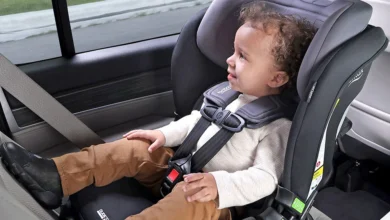
The broader impact of adhering to safe sleep practices extends beyond the immediate reduction of infant mortality. It establishes a culture of safety that permeates other aspects of child-rearing. When parents prioritize a sterile, safe environment for sleep, they are more likely to be cognizant of other safety measures, such as the proper use of car seats and the implementation of child-proofing measures in the home as the infant begins to crawl and walk.
Furthermore, the economic impact of infant mortality is profound. The loss of a child carries immeasurable emotional weight, but there is also a significant societal cost associated with preventable infant deaths. Public health campaigns that focus on education and the distribution of safe sleep products—such as portable cribs for families in need—have demonstrated efficacy in narrowing the disparities in infant mortality rates among different socioeconomic groups.
Conclusion: A Foundation for Development
Creating a safe sleep environment is an ongoing responsibility that requires vigilance, education, and the right tools. By adhering to the principles of safe sleep—ensuring the infant is alone, on their back, and in a secure crib—parents can significantly reduce the risks associated with the most vulnerable months of a child’s life. As research continues to provide deeper insights into the mechanisms of infant health, the commitment to these evidence-based practices remains the most effective defense against preventable tragedy. For new parents, the goal is simple: to provide a secure space that allows the infant to rest soundly, supporting their healthy growth and development during this critical stage of life. The collaboration between pediatric medical experts, safety standard organizations, and informed parents is the cornerstone of protecting the next generation.