The Physiology of Infant Sleep and Light Exposure
Human circadian rhythms are heavily influenced by photoperiods, or the length of daylight. Melatonin, the hormone responsible for signaling to the brain that it is time to sleep, is naturally suppressed by exposure to blue light and high-intensity sunlight. During the summer months, when sunset can occur as late as 8:30 or 9:00 PM in many latitudes, infants may struggle to produce the necessary melatonin levels to initiate sleep at their standard bedtime.
Data from the National Sleep Foundation indicates that infants (ages 4–11 months) require 12 to 15 hours of sleep per 24 hours. When the "internal clock" is disrupted by external light, the subsequent sleep deprivation can manifest as increased irritability, difficulty with self-soothing, and a decrease in cognitive processing during waking hours. Pediatricians emphasize that consistent exposure to darkness during the pre-sleep window is not merely a convenience for parents, but a biological requirement for the developing infant nervous system.
Chronology of a Summer Sleep Strategy
To mitigate these disruptions, child development experts suggest a phased approach to schedule management.
- Pre-Summer Preparation: In the weeks leading up to the longest days, parents are advised to incrementally shift nap times and evening routines by 10 to 15 minutes to adjust to the shifting light.
- The Transition Period: During the peak of summer, the focus shifts to environmental control. This includes the implementation of blackout curtains or shades that block at least 99% of external light.
- The On-the-Go Adjustment: As families increase travel and outdoor activities, the use of portable, light-blocking gear—such as specialized canopy covers for travel cribs—has become a standard recommendation to preserve the "nursery environment" regardless of the physical location.
Environmental Control and Technological Interventions
The modern nursery has evolved to incorporate technology designed to insulate infants from the sensory overload of summer evenings. Sound masking is a primary recommendation from experts to counter the increased noise pollution associated with warmer months, such as lawn maintenance, social gatherings, and street traffic.
Sound machines, particularly those offering white, pink, or brown noise, provide a consistent acoustic landscape that prevents sudden ambient noises from startling a sleeping infant. Recent developments in baby gear have seen the integration of multi-functional devices. For instance, devices that combine a humidifier, sound machine, and ambient light-management tools allow parents to maintain a micro-climate in the nursery that mimics the stability of a controlled, indoor environment.
Furthermore, temperature regulation is critical. The American Academy of Pediatrics (AAP) notes that overheating is a risk factor for sleep-related infant deaths. During summer, the use of breathable fabrics, such as 100% organic cotton wearable blankets or "sleepsacks," is preferred over traditional loose blankets. These items allow for thermal regulation while ensuring the infant remains covered throughout the night.
Implications of Overtiredness and Behavioral Trends
The "overtiredness cycle" is a significant concern for pediatric professionals. When a child misses their optimal "sleep window"—the physiological sweet spot for falling asleep—the body produces cortisol and adrenaline to compensate for the fatigue. This hormonal response, often termed a "second wind," makes it significantly more difficult for the infant to settle, leading to more frequent night wakings and earlier, more difficult mornings.
Analysis of family sleep trends suggests that parents who prioritize a rigid "wind-down" sequence during the summer—regardless of the day’s activities—experience fewer behavioral challenges. This sequence often includes a standardized bath, a final feed, and a quiet activity such as reading, which acts as a transitionary ritual from the high-stimulation environment of the outdoors to the low-stimulation environment of the bedroom.
Perspectives on Travel and Nap Preservation
Summer travel presents a unique set of variables. When away from home, the loss of a familiar sleep environment can lead to "first-night effect," where one hemisphere of the brain remains more alert than the other in an unfamiliar setting. To counteract this, experts suggest:
- Replicating the Home Environment: Utilizing portable white noise machines and blackout covers helps maintain a sensory bridge between the home and the travel destination.
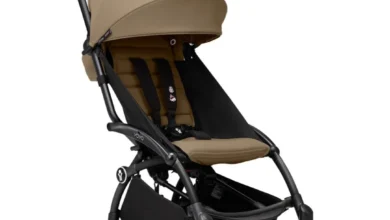
- Maintaining Nap Integrity: Even when traveling, keeping the mid-day recharge consistent is vital. If the child is in a stroller, the use of reclining mechanisms and sun-blocking fabrics is essential to encourage restorative rest.
- Strategic Scheduling: Avoiding long car rides or busy social events during the standard nap period can prevent the aforementioned overtiredness.
Policy and Professional Recommendations
Professional organizations, including the American Academy of Pediatrics, consistently advocate for "safe sleep" environments. While technology like infant loungers and specialized canopies are popular consumer choices, it is imperative that caregivers follow manufacturer safety guidelines. For example, while a lounger may be effective for supervised relaxation, it is not a substitute for a crib or bassinet during nighttime sleep.
The broader implication of successful summer sleep management is the overall health of the family unit. Sleep-deprived parents are at higher risk for postpartum depression and diminished physical health. By adopting a proactive stance toward sleep hygiene, families can enjoy the recreational benefits of the season without sacrificing the developmental needs of the child.
Conclusion: Sustaining Health Through the Season
As the summer progresses, the key to success lies in the balance between flexibility and discipline. While the season invites spontaneity, the infant’s need for predictability remains a constant. By leveraging environmental controls—such as temperature-appropriate clothing, sound-masking technology, and light-reduction tools—parents can effectively manage the challenges posed by the extended summer daylight.
The objective of these strategies is not to limit the joy of summer, but to create a sustainable framework where the infant can recharge effectively. Through careful planning, the use of appropriate baby gear, and a steadfast commitment to routine, the disruption of summer can be minimized, ensuring that the developmental milestones and overall well-being of the infant remain on track until the seasonal shift brings shorter days and cooler nights. Ultimately, the integration of these practices supports a healthier, more rested, and more resilient family environment, regardless of the time of year.