Best Store Bought Popsicles for Summer 2026: A Nutritional Analysis for Consumers

As summer temperatures rise in 2026, consumer demand for frozen confections has surged, placing a renewed spotlight on the nutritional composition of commercially available popsicles. Historically, the frozen novelty market has been dominated by products heavily reliant on high-fructose corn syrup, artificial dyes, and synthetic sweeteners. However, shifting consumer preferences toward clean-label ingredients and reduced-sugar profiles have prompted a significant transformation in the freezer aisle. Registered Dietitians and food safety advocates are increasingly urging parents and consumers to look beyond branding, focusing instead on the distinction between real fruit-based products and those reliant on flavored water bases.
The Evolution of the Frozen Novelty Market
The trajectory of the popsicle industry has shifted dramatically since the early 2010s. Market data indicates that health-conscious demographics are increasingly scrutinizing "added sugar" labels. Traditional popsicles frequently contain upwards of 20 grams of added sugar per serving—a figure that represents nearly the entire daily recommended limit for children according to American Heart Association guidelines.
The current landscape reflects a transition toward transparency. Manufacturers are now competing to provide options that utilize fruit purees—which retain fiber and essential nutrients—rather than fruit juice concentrates, which often strip the fruit of its beneficial pulp. This trend has been bolstered by the rise of "better-for-you" brands that prioritize natural coloring agents, such as spirulina or vegetable extracts, over synthetic petroleum-based dyes like Yellow 5 or Red 40.
Nutritional Standards and Label Literacy
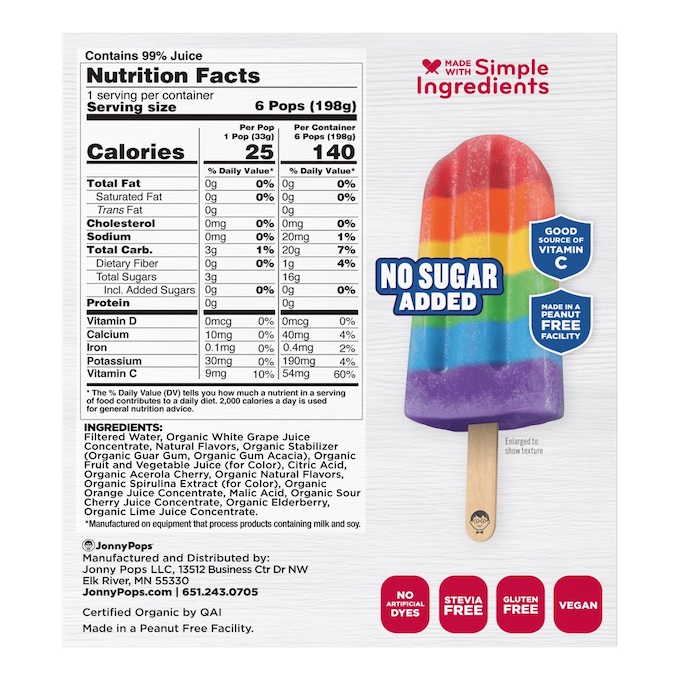
For the average consumer, navigating the nutrition label on a box of frozen treats requires an understanding of the difference between total sugar and added sugar. Total sugar values can be misleadingly high due to the naturally occurring fructose found in whole fruit. However, the "added sugar" line provides the critical metric for identifying how much caloric sweetener has been introduced during processing.
Nutritional experts suggest that the ideal frozen treat should possess a degree of "staying power." This is achieved when a product includes small amounts of protein or healthy fats, which slow the absorption of glucose into the bloodstream, thereby preventing the rapid insulin spikes associated with high-sugar snacks. For instance, Greek yogurt-based bars have emerged as a prominent alternative to traditional water-based popsicles, offering a modest protein boost that can satisfy cravings without the typical metabolic crash.
Industry Leaders and Retail Availability
Major retail chains, including Target, Walmart, and Costco, have adjusted their inventory to reflect these nutritional priorities. A review of current shelf offerings highlights several brands leading this shift:
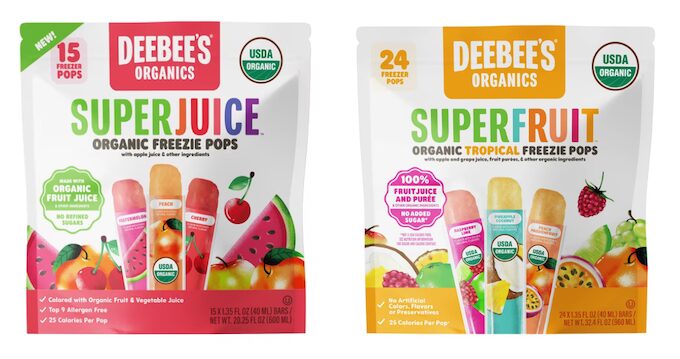
- DeeBee’s Organics: Widely recognized for their "SuperFruit" and "SuperJuice" lines, this brand has gained market share by offering products with no added sugar, relying entirely on the sweetness profile of organic fruit juices and purees.
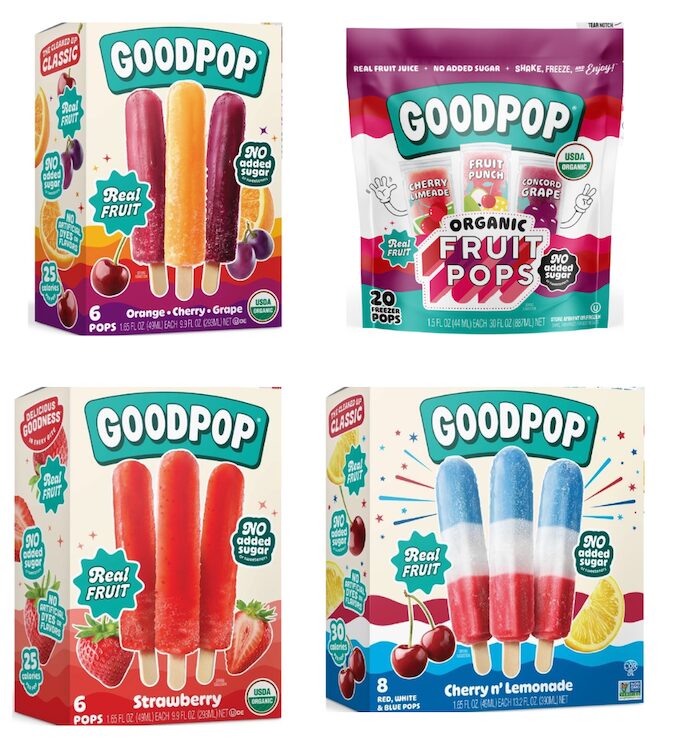
- GoodPop: Known for its commitment to ingredient integrity, this manufacturer provides freezer pops that utilize carrot juice and spirulina for color, effectively removing the need for artificial dyes.
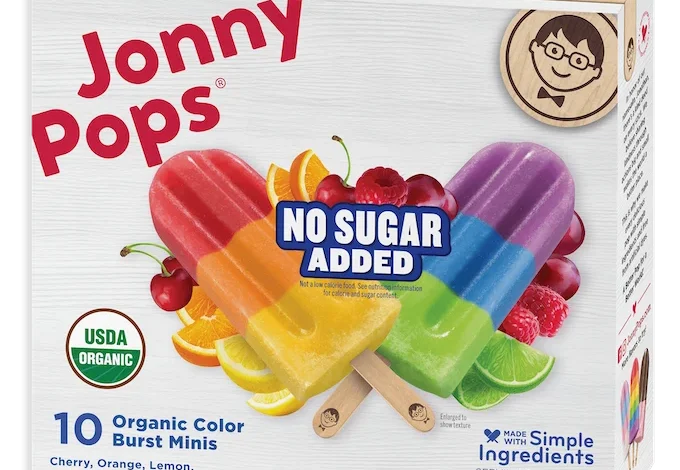
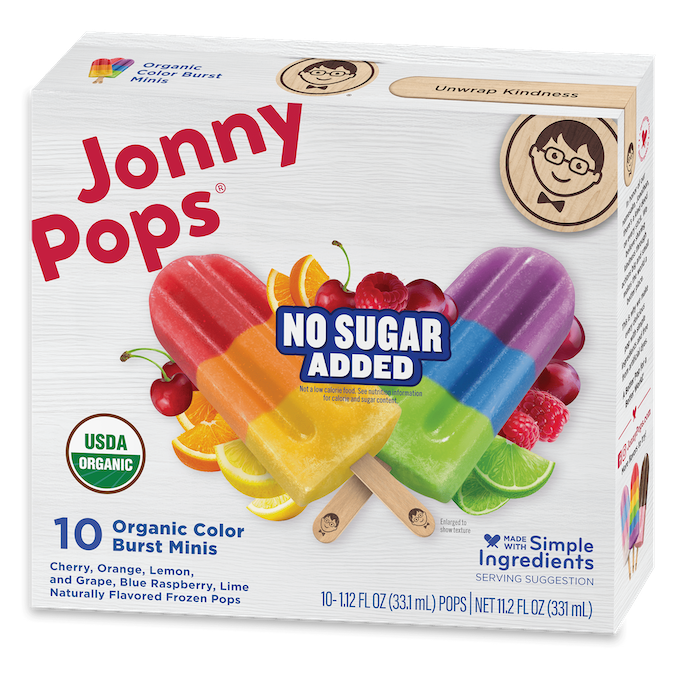
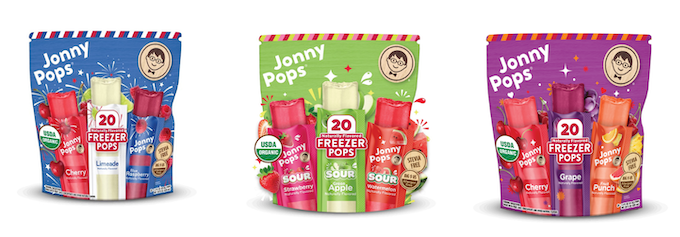
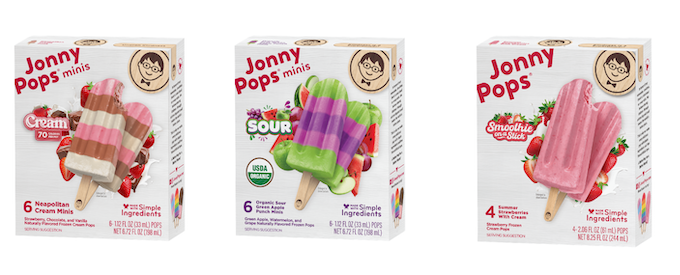
- JonnyPops: By providing a diverse range of options—from "Rainbow Mini Pops" to smoothie-style bars—this brand addresses different consumer needs, specifically catering to those seeking lower-sugar alternatives that do not resort to synthetic sweeteners like sucralose or aspartame.
- Yasso: As a leader in the frozen yogurt category, Yasso has effectively bridged the gap between ice cream and fruit bars. By utilizing Greek yogurt as a base, they have provided a product that is creamy in texture while maintaining a controlled sugar profile.
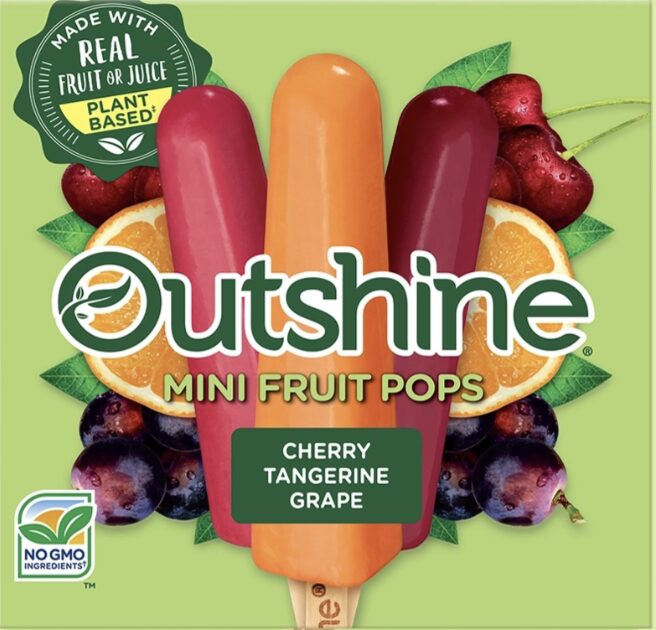
- Outshine: While their standard fruit bars remain popular, their mini-pop line has become a staple for parents seeking smaller portion sizes, which naturally limits the total intake of added sugar per sitting.
The Rise of DIY Alternatives
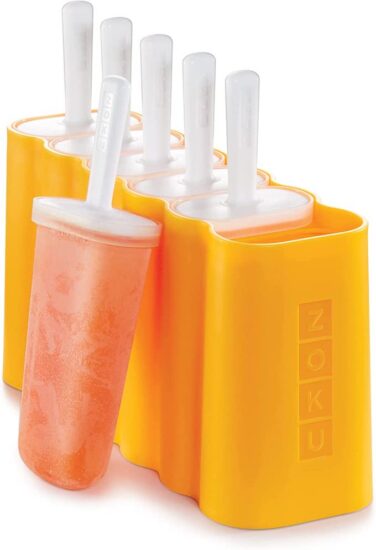
Despite the improved quality of commercial offerings, nutritionists continue to emphasize the benefits of homemade frozen treats. The increasing availability of affordable, BPA-free silicone popsicle molds has allowed households to reclaim control over the ingredient list. By utilizing 100% fruit juice, Greek yogurt, or leftover smoothies, consumers can eliminate additives, stabilizers, and emulsifiers entirely.
Stabilizers such as guar gum and xanthan gum are commonly found in store-bought popsicles. While these ingredients are generally recognized as safe by the FDA, they are used primarily to prevent the formation of large ice crystals, ensuring a smooth mouthfeel. For those sensitive to these additives, the homemade approach provides a viable pathway to clean consumption.
Broader Public Health Implications
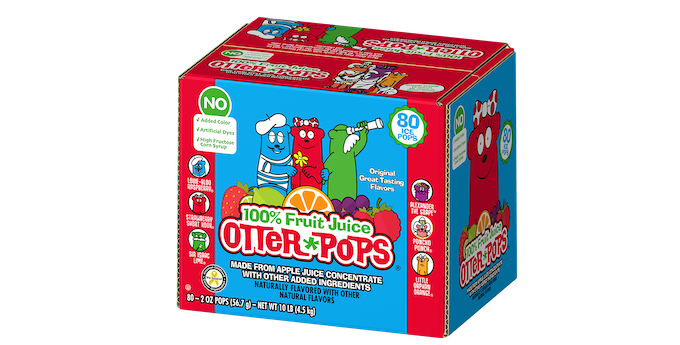
The shift toward healthier frozen novelties is part of a broader, systemic movement in the food industry to mitigate the prevalence of childhood obesity and metabolic syndrome. Public health officials have long campaigned for the reduction of refined sugars in the diets of school-aged children. When products like 100% fruit juice freezer pops replace high-sugar alternatives, the cumulative impact on public health outcomes can be significant, particularly during the high-consumption summer months.
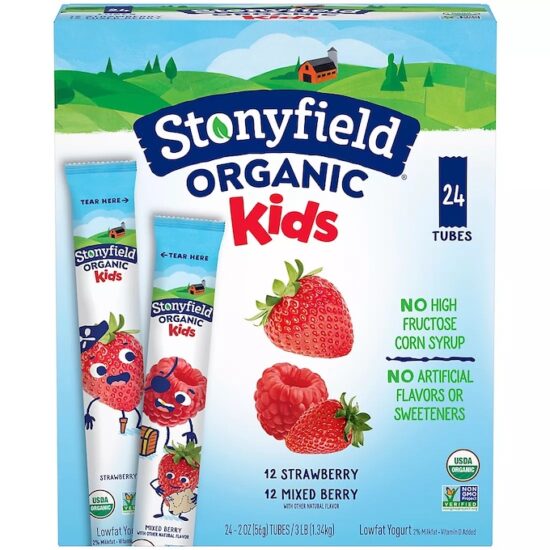
Furthermore, the "freeze-your-own" trend—using yogurt tubes or small containers—represents a significant shift in consumer behavior. By freezing standard, low-sugar yogurt products, consumers are effectively bypassing the high-sugar, high-cost nature of premium frozen novelties, demonstrating that healthy choices are becoming more accessible across various socioeconomic brackets.
Strategic Considerations for Consumers
When assessing the "healthiest" option in the freezer aisle, consumers should prioritize the following hierarchy of ingredients:
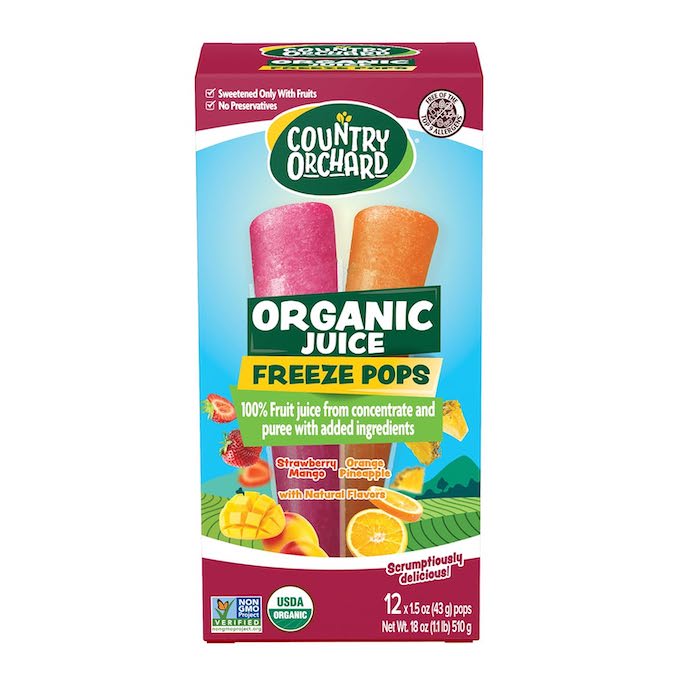
- Primary Ingredient: Always look for whole fruit or fruit puree at the top of the ingredient list.
- Sugar Profile: Prioritize products with zero added sugar. If that is unavailable, select products with less than 10 grams of added sugar.
- Sweeteners: Avoid products containing high-fructose corn syrup or artificial sweeteners such as sucralose and aspartame, which some studies suggest may influence gut health and palate preference.
- Additives: Check for natural coloring agents. While synthetic dyes are common, the industry is increasingly moving toward plant-based alternatives.
As we move through the summer of 2026, the frozen treat market serves as a prime example of how consumer demand can drive corporate responsibility. By favoring brands that prioritize nutritional density and transparent labeling, shoppers are not only improving their own dietary intake but are also sending a powerful market signal that will likely continue to reshape the industry for years to come. Ultimately, the best choice remains one that balances enjoyment with a commitment to long-term health, whether that treat is found in a grocery store freezer or crafted in the home kitchen.
Related posts: