Healthy Beef and Broccoli: A Nutritional Analysis of Modernizing Takeout Classics


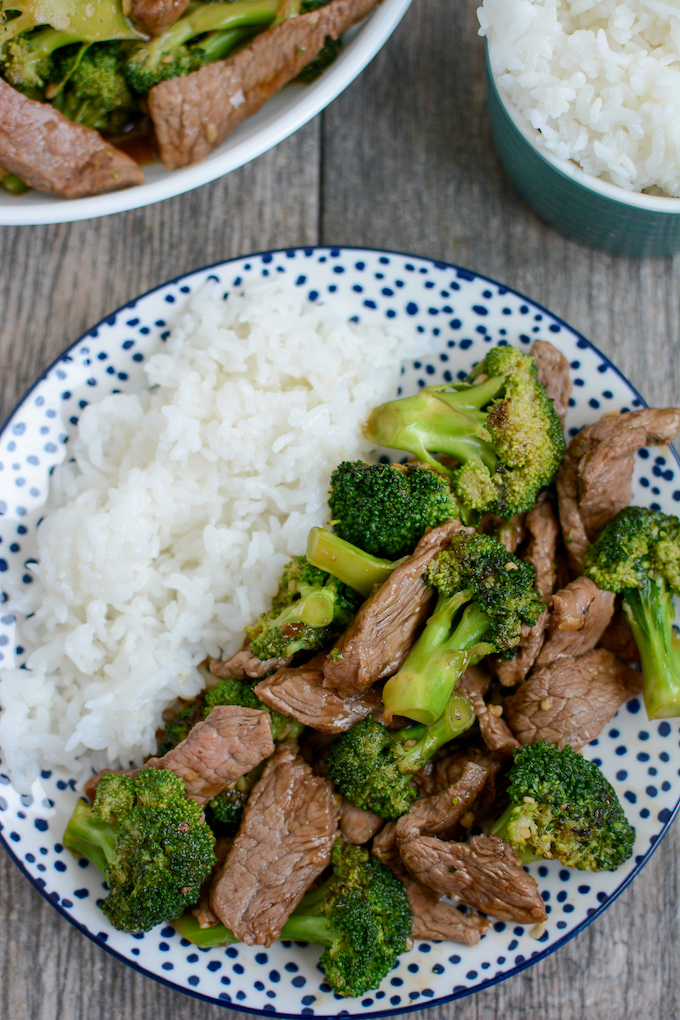
The evolution of home-cooked meals has increasingly focused on the intersection of culinary tradition and nutritional optimization. As consumers become more conscious of their dietary intake—specifically regarding sodium, refined sugars, and caloric density—classic dishes like beef and broccoli are undergoing significant reformulation. By stripping away the heavy oils and excessive sweeteners characteristic of mass-market takeout, home cooks are discovering that the integrity of the dish’s flavor profile can be preserved while significantly improving its nutritional profile. This shift is not merely a trend but a response to rising public health concerns regarding diet-related chronic conditions.
Nutritional Background and Industry Context
Traditional Americanized Chinese takeout often relies on high-sodium soy sauces, cornstarch-thickened gravies, and substantial amounts of added sugars, such as brown sugar or honey, to create a glossy, umami-rich coating. A standard restaurant-style serving of beef and broccoli can exceed 1,000 milligrams of sodium—nearly half of the American Heart Association’s recommended daily limit—and often contains upwards of 20 grams of added sugar.
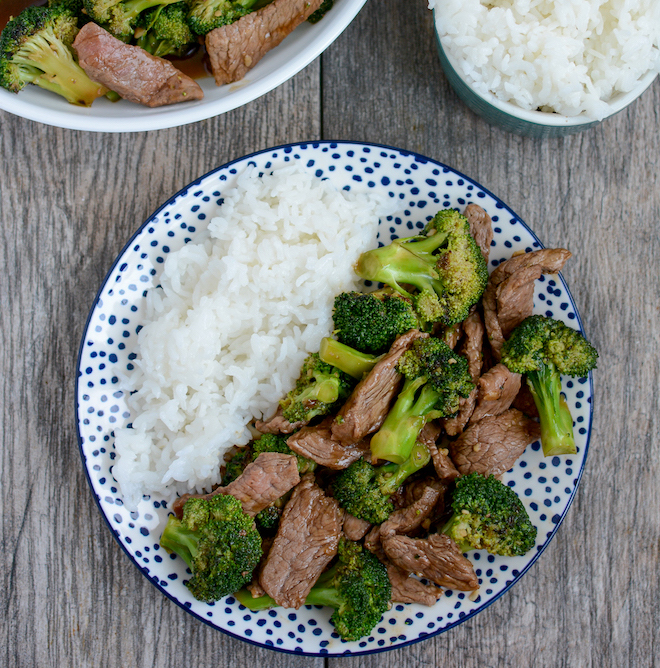
Registered Dietitians, such as Lindsay Livingston, have advocated for a "lightened-up" approach to these staples. The strategy involves replacing high-calorie additives with aromatic, nutrient-dense ingredients like fresh garlic and ginger, which provide complexity without the caloric cost. Furthermore, the substitution of standard soy sauce for lower-sodium varieties or tamari offers a viable path toward meeting specific health goals, such as blood pressure management or gluten sensitivity requirements.
Culinary Techniques for Nutritional Integrity
The transition to healthier home cooking necessitates a change in preparation methods. One of the most effective ways to reduce calorie density is through water-steaming vegetables. By utilizing water to soften broccoli florets in a pan before introducing the protein, cooks can eliminate the need for significant amounts of vegetable or canola oil.
Maintaining the quality of the beef is equally essential to the success of this nutritional pivot. To prevent the meat from becoming tough—a common issue when high-heat, oil-heavy stir-frying is removed—professional techniques include slicing the beef against the grain and, if necessary, freezing the steak for approximately 30 minutes prior to slicing. This ensures a consistent, tender texture that mimics the mouthfeel of restaurant-prepared dishes without the excess lipid content.
Chronology of Preparation and Implementation
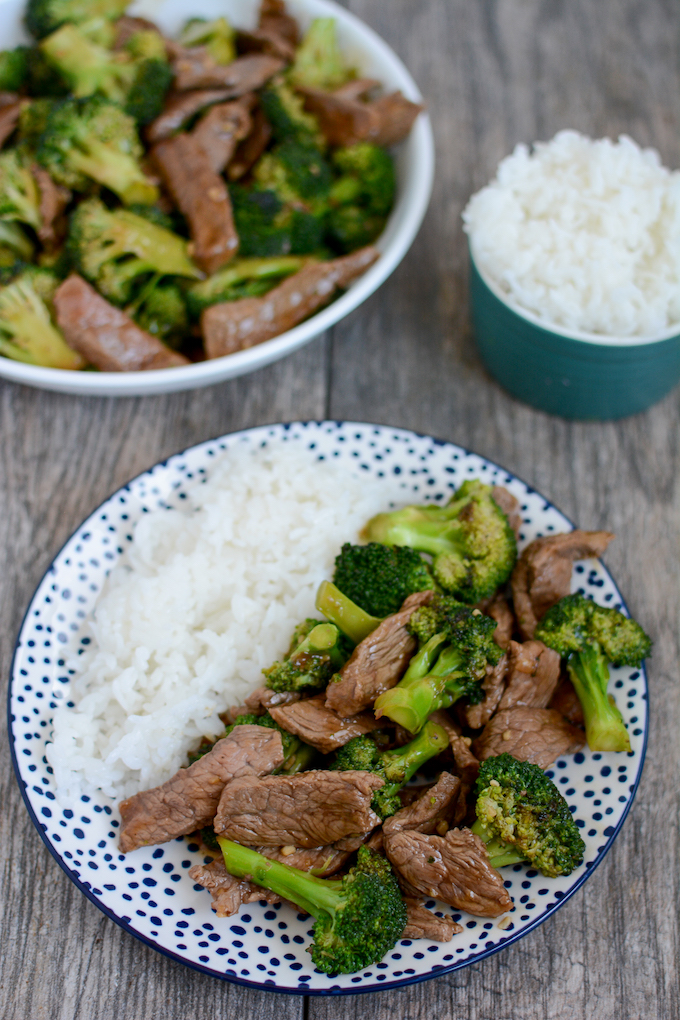
For the home cook, time efficiency remains a significant barrier to adopting healthier eating habits. The modernized beef and broccoli preparation follows a strict, accelerated timeline:
- Preparation Phase (0–10 minutes): Slicing the beef thinly against the grain to ensure tenderness. Preparing the aromatics, specifically fresh minced garlic and grated ginger, which serve as the flavor foundation.
- Thermal Processing (10–15 minutes): Initial searing of the protein followed by the addition of broccoli. The use of a small amount of water for steaming allows for a rapid, uniform cook time, preserving the vibrant color and nutrient density of the cruciferous vegetable.
- Integration (15–20 minutes): Incorporation of the sauce components, typically a blend of low-sodium soy sauce, a minimal amount of natural sweetener, and aromatics. A cornstarch slurry is introduced at the final stage to achieve the desired viscosity.
Supporting Data on Dietary Shifts
According to recent data from the Department of Agriculture, there is a measurable shift in household cooking behaviors, with an 18% increase in searches for "healthy stir-fry" alternatives over the last five years. This data suggests that the home cook is no longer satisfied with passive consumption of restaurant-prepared food but is seeking ways to replicate restaurant-quality experiences at home.
The nutritional implications of these choices are profound. Reducing sugar intake in savory sauces helps mitigate spikes in blood glucose levels, while increasing the ratio of broccoli to beef improves the fiber content of the meal. Fiber, often lacking in traditional takeout, is critical for digestive health and satiety, which in turn can prevent overeating.
Comparative Analysis of Preparation Methods
While stovetop stir-frying is the industry standard for this dish, the rise of "set-and-forget" technology has introduced slow-cooker adaptations. While the slow-cooker method is lauded for its convenience, it requires specific adjustments to maintain food safety and texture. For instance, the cornstarch must be added in the final 30 minutes of the cooking cycle to prevent a watery consistency, and the broccoli must be introduced late to avoid over-steaming, which would degrade its nutritional value and aesthetic appeal.
Professional Perspectives on Substitution
Dietitians emphasize that the "takeout experience" is heavily influenced by the sauce. When reducing sugar, the use of sesame oil—in moderation—can provide a depth of flavor that compensates for the lack of sweetness. However, professionals warn that sesame oil is calorie-dense and should be used as a finishing element rather than a cooking fat.
Furthermore, the choice of accompaniments significantly alters the glycemic impact of the meal. Serving the beef and broccoli over cauliflower rice instead of traditional white rice can lower the overall carbohydrate load, making the dish suitable for low-carb or ketogenic dietary patterns. Alternatively, pairing the dish with quinoa provides a complete protein source, adding to the amino acid profile already present in the beef.
Broader Public Health Implications
The broader implication of this movement toward healthier home cooking is a potential reduction in the reliance on processed, high-sodium, and high-sugar convenience foods. By empowering consumers to prepare their own "takeout" at home, individuals gain granular control over their nutrient intake. This autonomy is a cornerstone of preventative health.
As the food landscape continues to shift, the availability of clear, actionable, and scientifically sound recipes serves as a bridge between culinary enjoyment and wellness. The "Healthy Beef and Broccoli" model demonstrates that flavor and nutrition are not mutually exclusive. Through the use of fresh aromatics, controlled cooking temperatures, and a mindful approach to seasoning, the home kitchen can effectively serve as a hub for both health and flavor.
Conclusion and Future Outlook
The modernization of beef and broccoli serves as a microcosm for a larger trend in the culinary arts: the democratization of healthy, restaurant-quality dining. As more individuals adopt these methods, the food industry will likely face pressure to reformulate its own offerings, moving toward reduced sodium and lower sugar profiles. Until then, the home kitchen remains the most effective tool for nutritional management. By prioritizing fresh ingredients and simple, efficient cooking techniques, home cooks can continue to enjoy the comfort of a classic dish while actively participating in their own health outcomes. Whether opting for the quick-cook stovetop method or the convenient slow-cooker variation, the goal remains the same: a balanced, flavorful meal that supports, rather than hinders, long-term health.