20+ High Protein After School Snacks For Kids: A Comprehensive Guide to Nutritional Stability and Growth

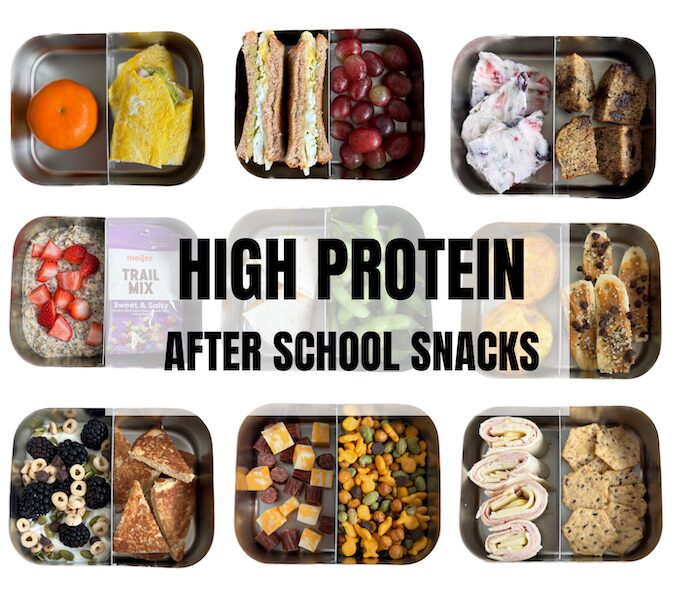
The period between the final school bell and the evening meal is a critical window for childhood nutrition. Pediatric nutritionists and child development experts have long identified the "after-school hunger gap" as a pivotal time when blood glucose levels fluctuate, often leading to irritability and poor dietary choices if left unmanaged. Maintaining satiety through high-protein, fiber-rich snacks is not merely a strategy for preventing pre-dinner grazing; it is an essential component in supporting the sustained cognitive and physical energy required by active, school-aged children.
The Physiology of After-School Satiety
The fundamental objective of an after-school snack is to provide a bridge to dinner without overwhelming the child’s appetite for their evening meal. Scientifically, this is achieved by balancing macronutrients. Protein, when paired with complex carbohydrates and dietary fiber, slows the gastric emptying process and prevents rapid spikes in blood glucose.
According to guidelines from the American Academy of Pediatrics (AAP), children require varying amounts of protein based on age, sex, and activity level. Generally, a benchmark of 0.5 grams of protein per pound of body weight serves as a foundational recommendation. However, for young athletes engaged in competitive sports, these requirements can increase significantly to support muscle fiber repair and glycogen replenishment.
Strategic Nutrient Timing for Young Athletes
For children participating in after-school sports or high-intensity physical activity, the timing and composition of snacks are paramount. Nutritional research suggests a bifurcated approach: pre-activity snacks should focus on easily digestible carbohydrates to provide immediate fuel, while post-activity recovery requires a deliberate combination of protein and carbohydrates.
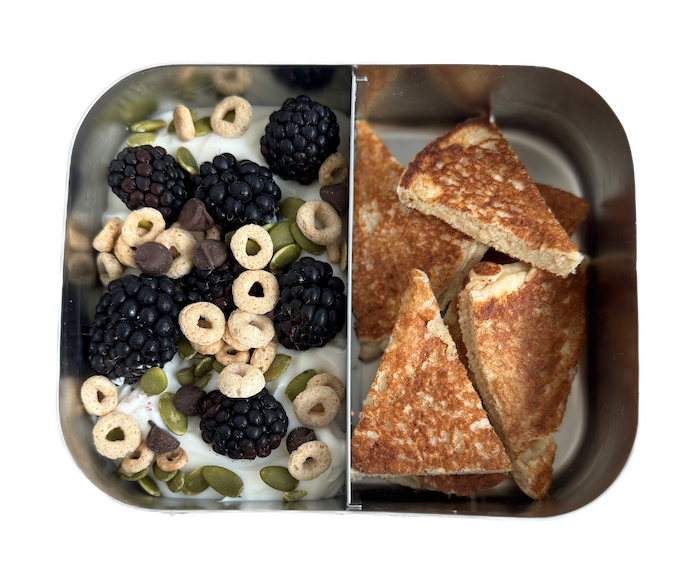
The protein-to-carbohydrate ratio in a recovery snack is critical for muscle protein synthesis. Clinical studies indicate that consuming 10 to 15 grams of high-quality protein within the post-exercise window helps repair micro-tears in muscle tissue caused by exertion. For many families, this translates into practical choices such as Greek yogurt with fruit, turkey roll-ups, or whole-grain crackers with a protein-dense spread.
Categorizing High-Protein Snack Solutions
To address the diverse dietary needs and preferences of school-aged children, snacks can be categorized by their primary protein source, ensuring that even children with specific dietary restrictions—such as meat-free or nut-free requirements—can meet their nutritional targets.
Egg-Based and Dairy-Derived Options
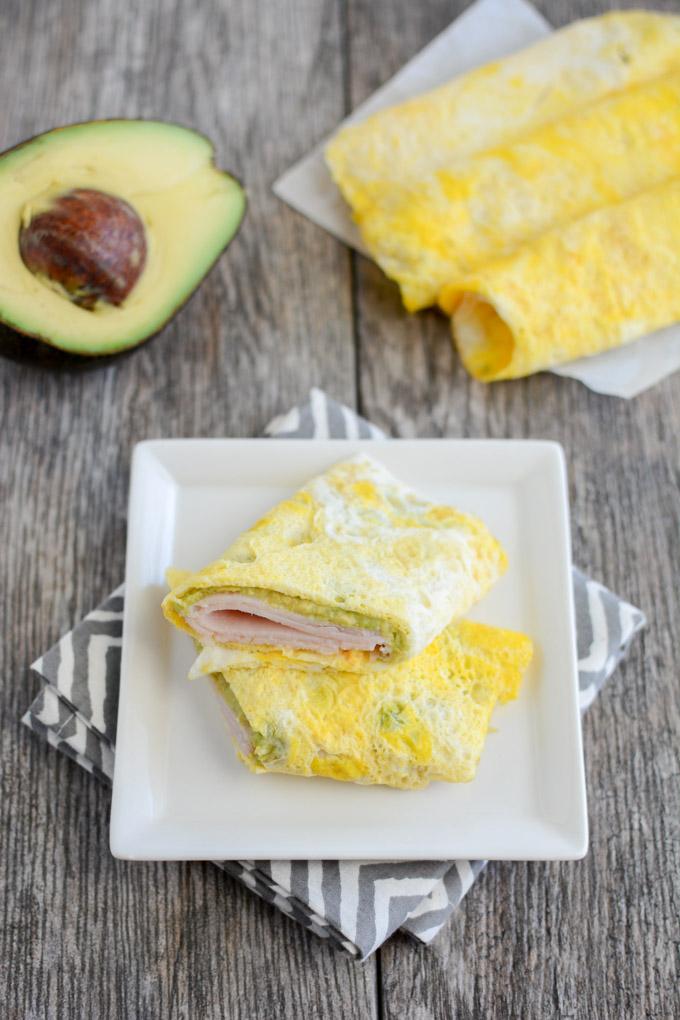
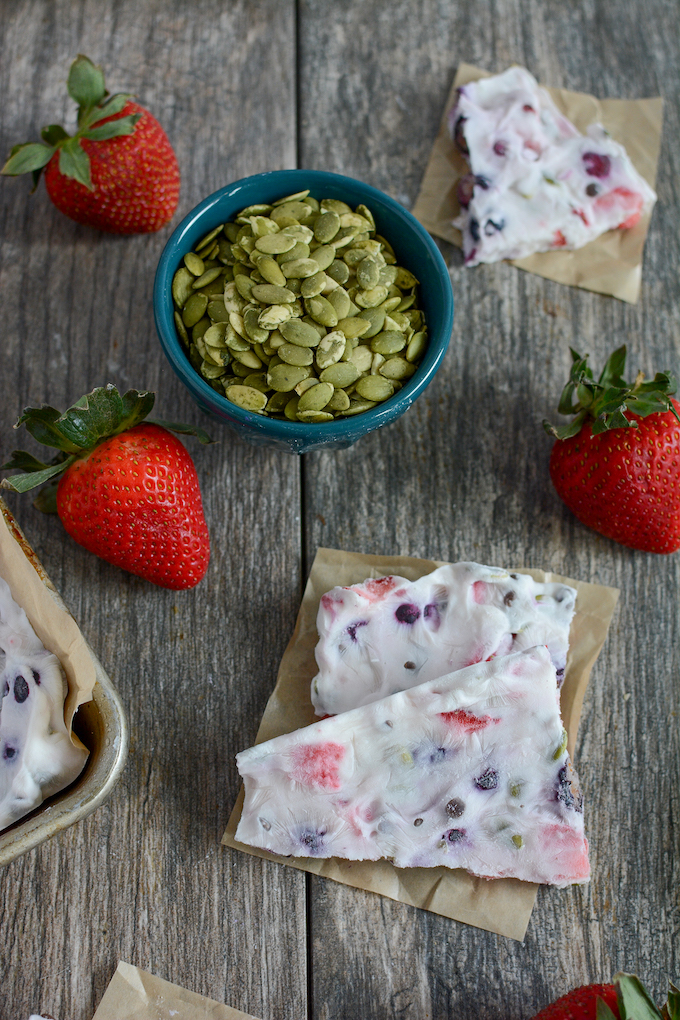
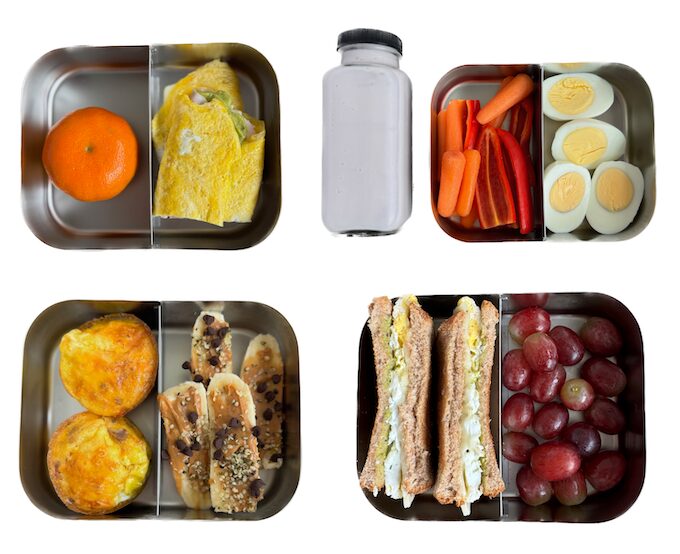
Eggs remain a "gold standard" for biological protein value, containing all nine essential amino acids. Hard-boiled eggs or egg-based wraps provide roughly 6–7 grams of protein per serving. Similarly, dairy products are dense in calcium and protein. Greek yogurt, which contains nearly double the protein of traditional yogurt, serves as an excellent base for parfaits. Cottage cheese, often overlooked due to its texture, offers a high casein protein content, which is digested more slowly, providing a sustained release of amino acids.
Plant-Based and Legume-Rich Alternatives
For families seeking non-meat options, legumes provide a robust alternative. Roasted chickpeas, edamame, and lentil-based snacks offer both protein and a significant fiber boost. These options are particularly effective for nut-free environments, such as schools with strict allergen policies. Furthermore, the inclusion of seeds—such as chia, hemp, or sunflower—into homemade energy balls or baked goods can significantly elevate the protein profile of a snack without the need for animal products.
Addressing Nutritional Challenges: Picky Eaters and Time Constraints
The challenge of "picky eating" is a documented hurdle for many parents. Nutritionists suggest that the delivery mechanism for protein is as important as the protein itself. Smoothies that incorporate milk or yogurt, or "hidden" protein sources like protein-enriched pasta or nut-butter-infused muffins, can bridge the gap for children who are hesitant to consume meat or whole legumes.
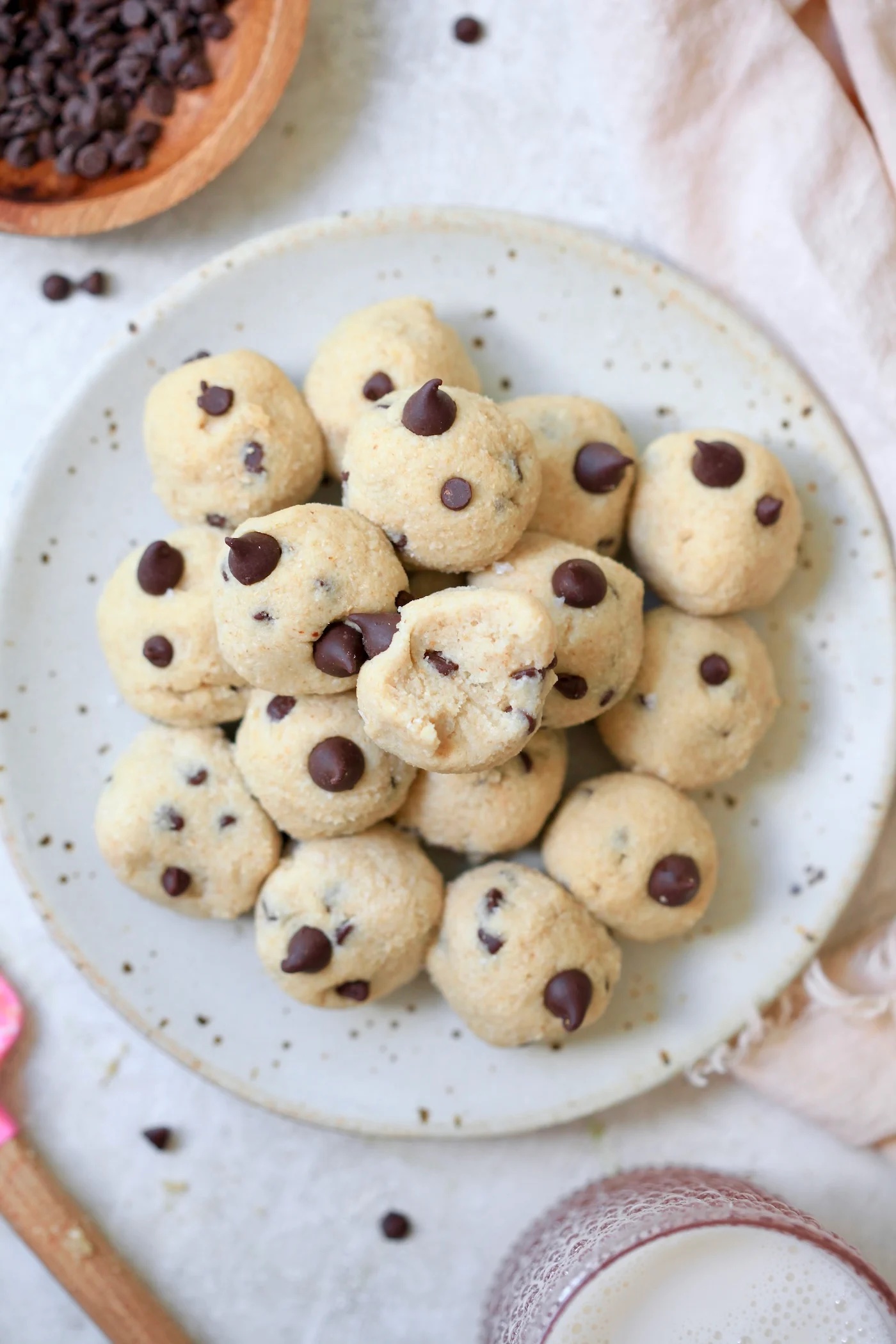
For busy households, the reliance on store-bought, shelf-stable options is often inevitable. When selecting processed snacks, experts advise looking for labels that prioritize protein content over added sugars. Beef jerky sticks, tuna pouches, and high-protein cereal bars can be viable options, provided they are vetted for sodium content and ingredient quality.
Impact on Academic and Behavioral Outcomes
The broader implications of consistent, high-protein snacking extend into the academic sphere. Studies have shown that stable blood glucose levels correlate with improved concentration and task persistence in classroom and extracurricular settings. When children experience the "sugar crash" associated with high-glycemic, low-protein snacks, their executive function—the ability to focus, plan, and regulate emotions—can be compromised.
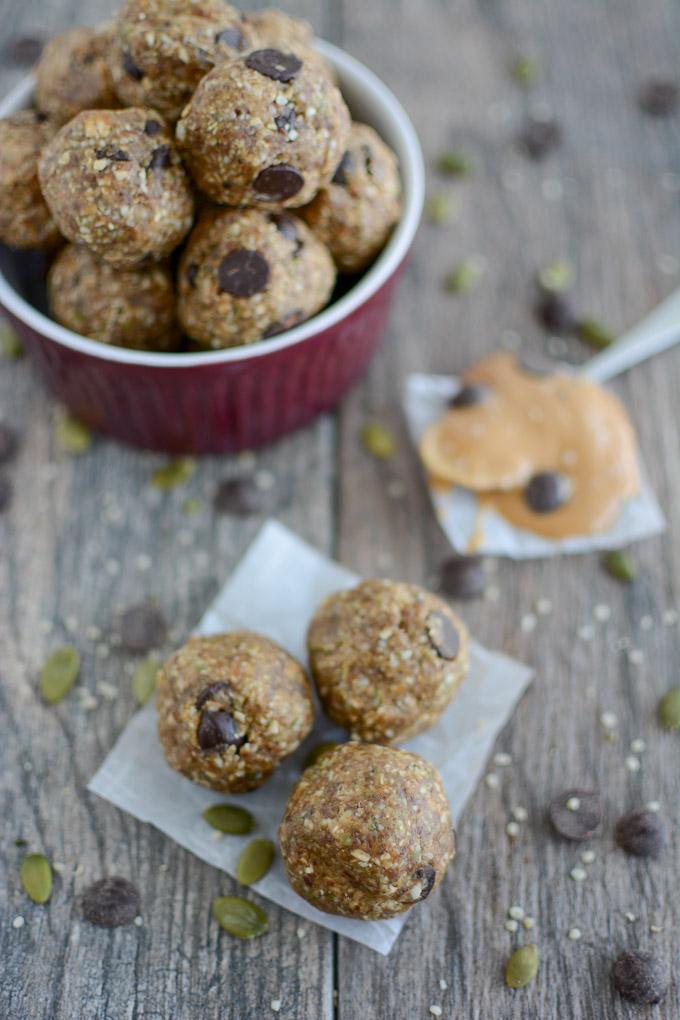
By prioritizing snacks that contain 10 or more grams of protein, parents can help mitigate the physiological stress of the afternoon, leading to more productive homework sessions and a more balanced demeanor during evening routines.
Best Practices for Long-Term Implementation
To effectively integrate these nutritional standards, families are encouraged to adopt a "snack formula" approach:
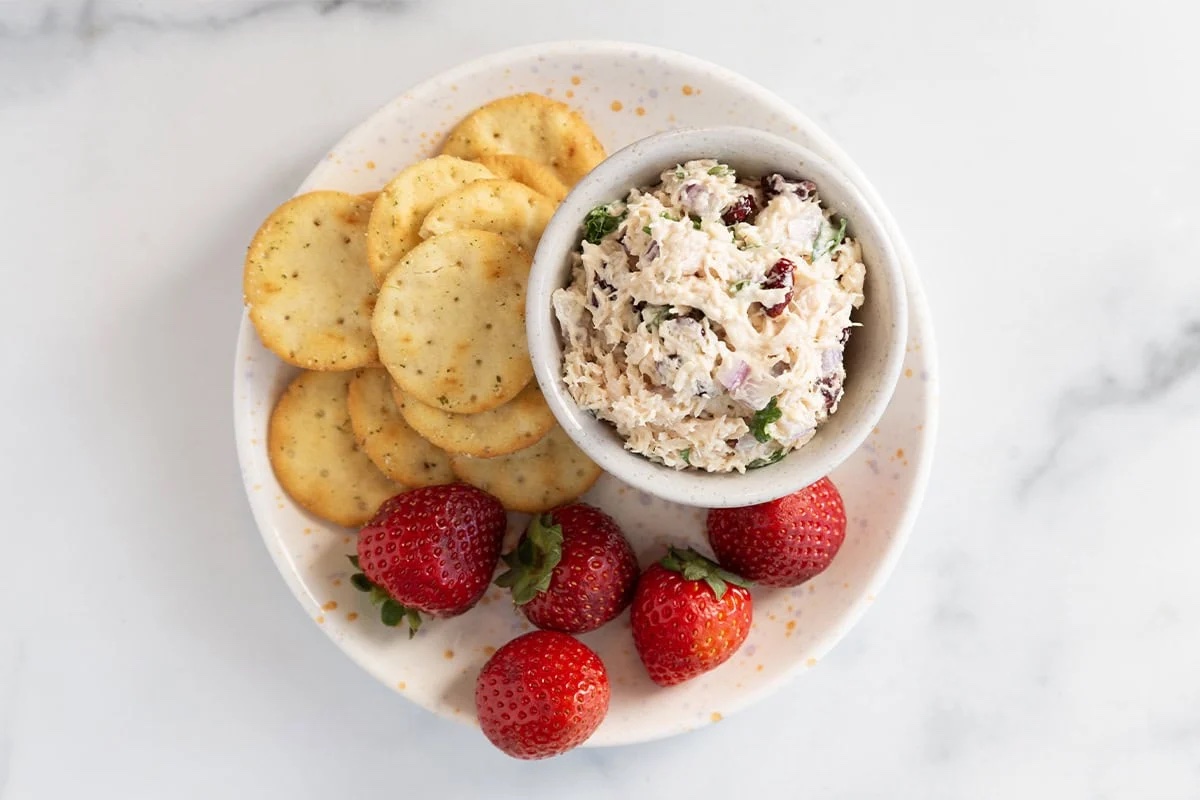
- Prioritize Protein: Aim for 10–15 grams of protein per snack for school-aged children.
- Include Fiber: Pair protein with fruits, vegetables, or whole grains to enhance satiety.
- Minimize Refined Sugars: Avoid high-glycemic snacks that trigger rapid energy fluctuations.
- Plan for Recovery: Tailor the snack composition to the intensity of the child’s daily activity.
A Chronology of Nutritional Evolution
Historically, the American approach to after-school snacking has shifted from a reliance on processed, convenience-heavy snacks toward a more health-conscious, nutrient-dense model. Over the last decade, the surge in information regarding metabolic health has led to a measurable increase in the consumption of Greek yogurt, nut-based spreads, and protein-fortified whole foods.
Industry analysis indicates that the children’s snack market is currently undergoing a "clean label" transition, with parents demanding transparency in ingredient lists. This shift is not merely a trend; it is a direct response to the rising awareness of how diet impacts long-term metabolic health and childhood obesity rates.
Future Perspectives in Pediatric Nutrition
As we look forward, the integration of personalized nutrition into the lives of children will likely become more prevalent. While general guidelines exist, individual metabolic responses to various protein sources may eventually dictate more tailored snacking schedules. For now, the consensus among pediatric health professionals remains clear: the focus must stay on whole-food, balanced, and nutrient-dense options.
The transition from a simple "snack" to a "nutritional bridge" is a foundational step in ensuring that children not only survive the school day but thrive within it. By implementing these high-protein strategies, parents can foster healthy eating habits that will serve their children well into adolescence and adulthood. As the research continues to evolve, the focus on protein-rich, fiber-packed, and minimally processed snacks remains the most effective tool for managing the physical and mental demands of a growing child.
Related posts: