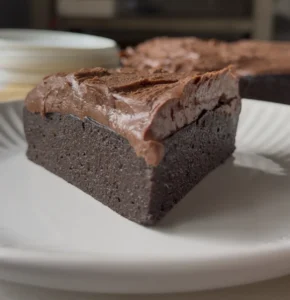
The Evolution of Nutrient-Dense Baking: The Rise of Cottage Cheese Brownies

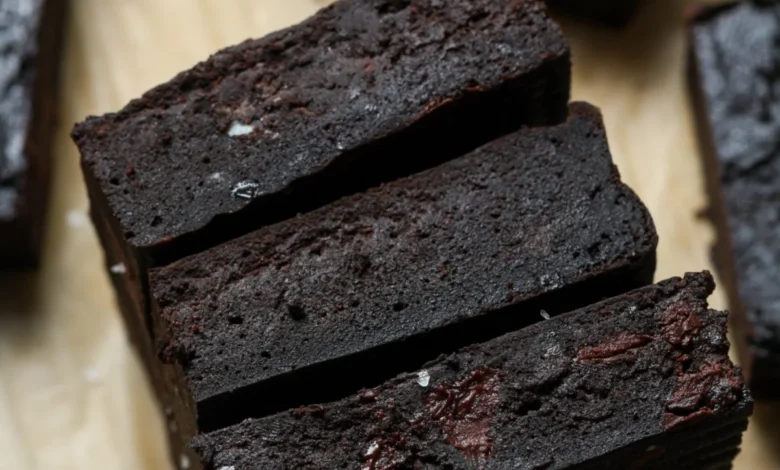
The landscape of modern home baking is undergoing a significant transformation as consumers increasingly prioritize the integration of high-protein ingredients into traditional dessert formats. At the forefront of this culinary shift is the emergence of cottage cheese as a functional base in baked goods, specifically exemplified by the growing popularity of protein-enriched brownies. This trend represents a broader movement toward "stealth health"—the practice of reformulating indulgent treats to align with macronutrient-conscious dietary patterns without compromising the sensory expectations of the consumer.
The Nutritional Shift in Confectionery
For decades, the standard brownie recipe relied heavily on refined sugars, butter, and processed flours. Recent data from market researchers suggests that consumers are actively seeking alternatives that offer satiety and blood-sugar stability. Cottage cheese, a fermented dairy product composed of casein and whey proteins, has emerged as an ideal candidate for this purpose.
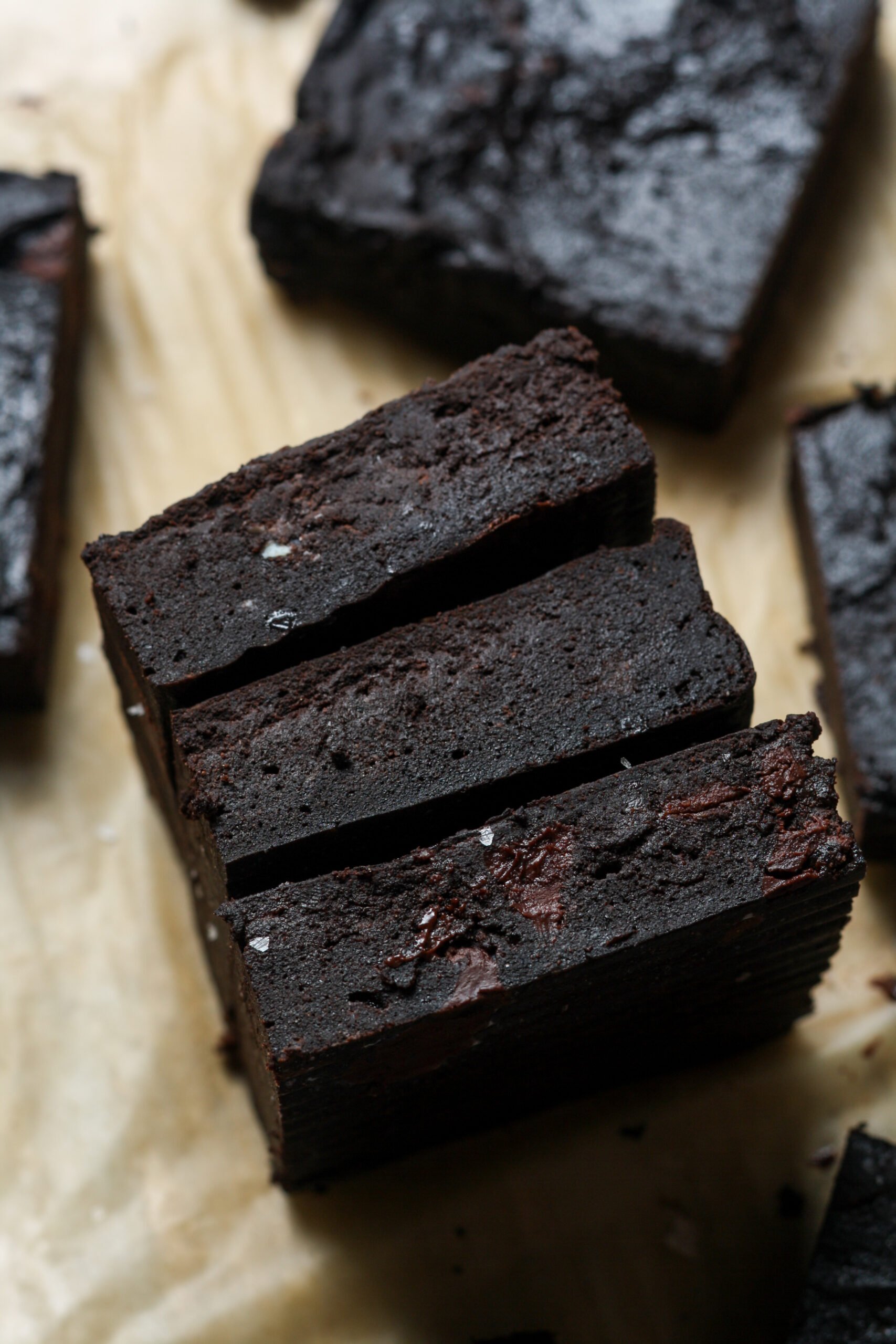
Nutritionally, cottage cheese provides approximately 11 to 14 grams of protein per half-cup serving, alongside essential micronutrients such as calcium, phosphorus, and selenium. When integrated into a brownie batter, the moisture content of the cottage cheese serves as a substitute for traditional fats like butter or oil. Because the curds are typically blended into a smooth consistency, the final product retains a dense, fudgy texture that mimics the characteristics of a high-fat confection while significantly improving the protein-to-calorie ratio.
Chronology of the Functional Baking Trend
The interest in "protein-packed" desserts began to gain mainstream traction in the early 2020s, driven by social media platforms and the proliferation of fitness-focused influencers. Initially, these trends centered on protein powders; however, many home bakers found that concentrated powders often resulted in a chalky or dry texture.
By 2024, the focus shifted toward whole-food alternatives. Cottage cheese, already a staple in high-protein diets, became the subject of extensive experimentation. The "blended cottage cheese" method became a viral culinary technique, allowing bakers to achieve a creamy consistency suitable for everything from pasta sauces to cheesecakes and brownies. By mid-2025, recipe databases and culinary blogs began formalizing the cottage cheese brownie as a standard "better-for-you" dessert, solidifying its place in the modern pantry.
Technical Composition and Formulation
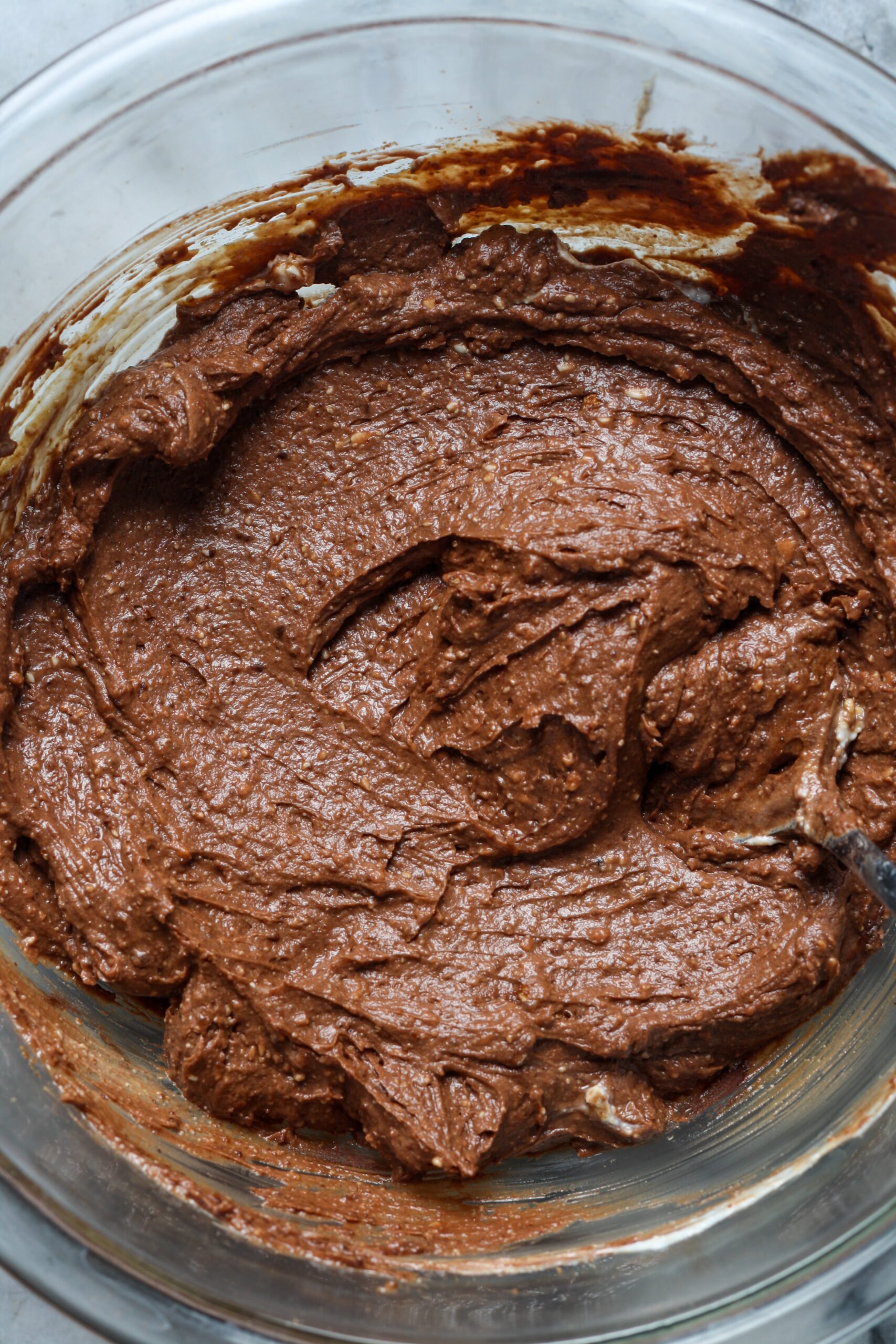
The success of a cottage cheese brownie depends on the precise balance of ingredients to ensure the structural integrity of the crumb. Professional pastry consultants emphasize that the acidity and moisture levels in cottage cheese necessitate specific adjustments in traditional baking chemistry.
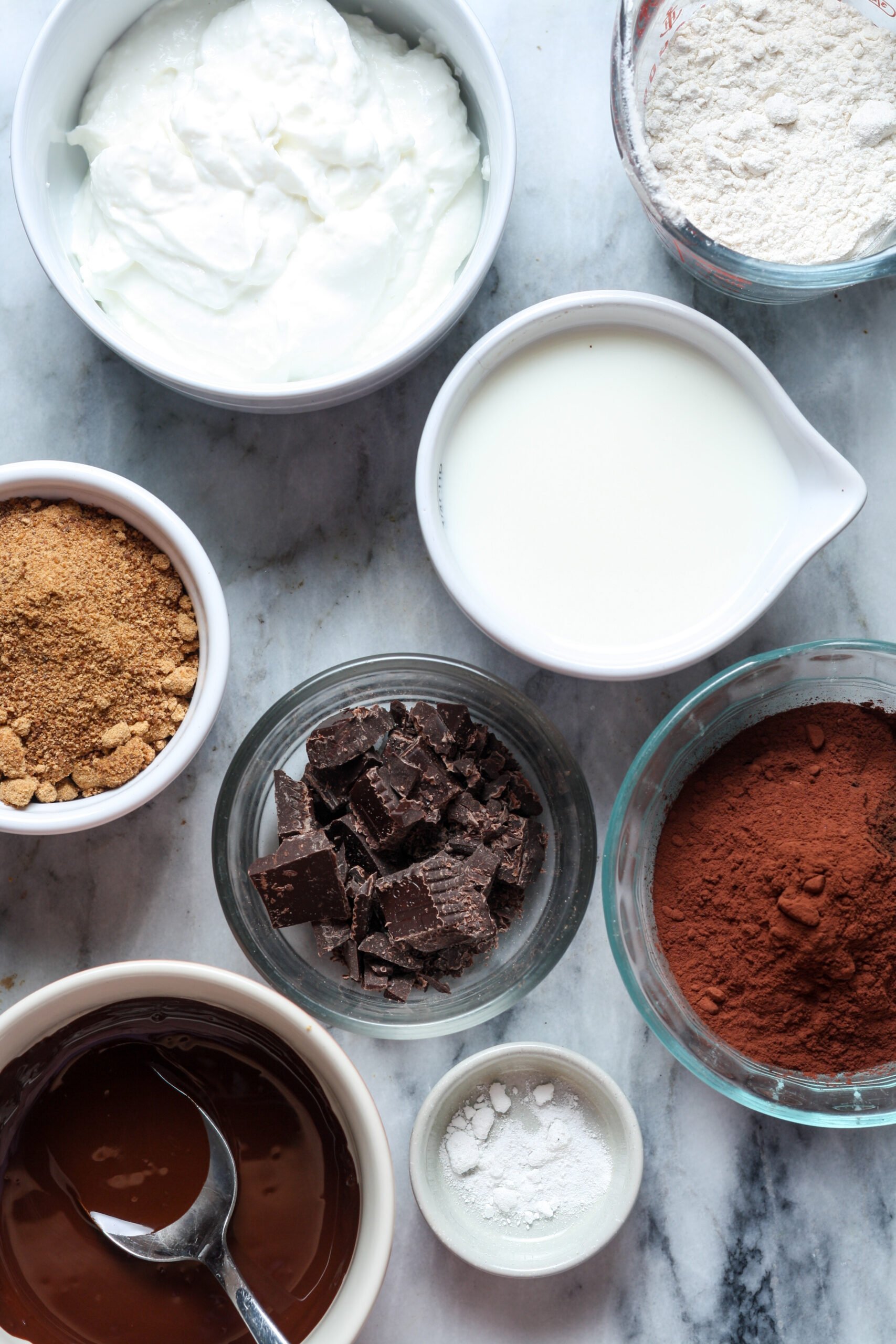
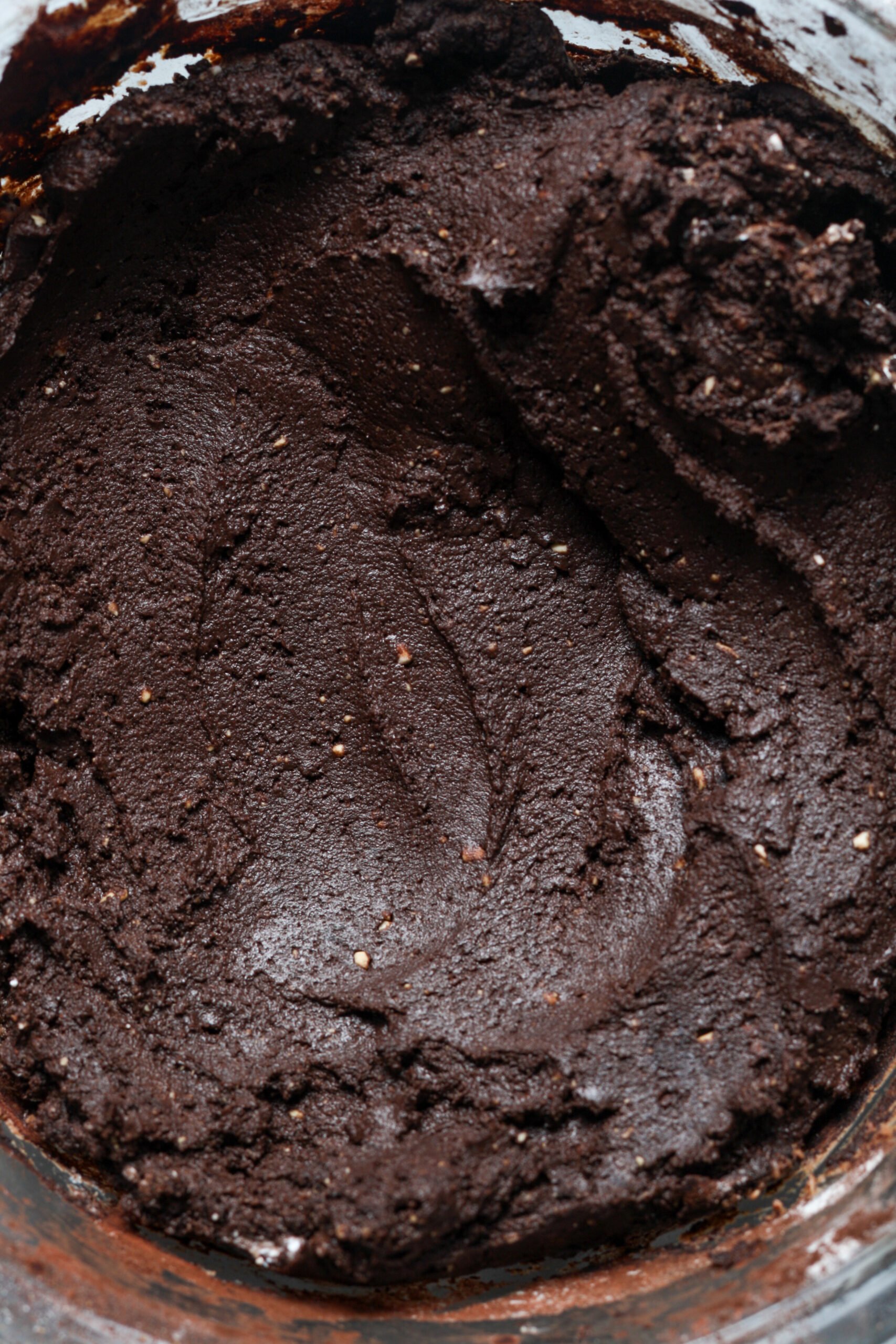
- The Emulsification Process: Blending the cottage cheese is a critical step. It eliminates the granular texture of the curds, creating an emulsion that holds the cocoa powder and flour in suspension. This prevents the "weeping" of moisture that can occur if the cheese is added in its natural state.
- Sugar Alternatives: Many contemporary versions utilize coconut sugar or other low-glycemic sweeteners. Unlike white granulated sugar, which provides only crystalline structure, these alternatives often carry a deeper, caramel-like flavor profile that pairs well with the naturally tangy notes of the cottage cheese.
- Flour Selection: While standard all-purpose flour is functional, the use of whole wheat pastry flour or gluten-free blends has become standard. These options offer a higher fiber content, which further slows the absorption of carbohydrates, complementing the satiating effects of the protein-rich dairy base.
Comparative Analysis of Dietary Implications
From a dietary standpoint, the substitution of cottage cheese for butter represents a reduction in saturated fat. A standard brownie can contain anywhere from 15 to 25 grams of fat per serving, much of which is saturated. A cottage cheese-based version often reduces this by 50% or more, depending on the fat percentage of the dairy used.
Furthermore, the impact on glycemic response is notable. The presence of protein from the cottage cheese effectively blunts the insulin spike typically associated with cocoa and sugar consumption. For individuals managing metabolic health, this makes the treat a more viable option than traditional calorie-dense alternatives. However, nutritionists caution that these remain calorie-containing foods and should be consumed within the context of a balanced diet.
Culinary Reception and Industry Response
The reception among culinary professionals has been largely positive, with many noting that the "tang" of the cottage cheese acts similarly to the acidity found in premium dark chocolate, effectively enhancing the depth of the cacao flavor.
"The industry is moving toward ingredient transparency," notes one food scientist specializing in dairy applications. "Consumers no longer want to guess what they are eating. Using a whole food like cottage cheese to achieve a desired texture is a much more palatable proposition than relying on processed thickeners or gums."
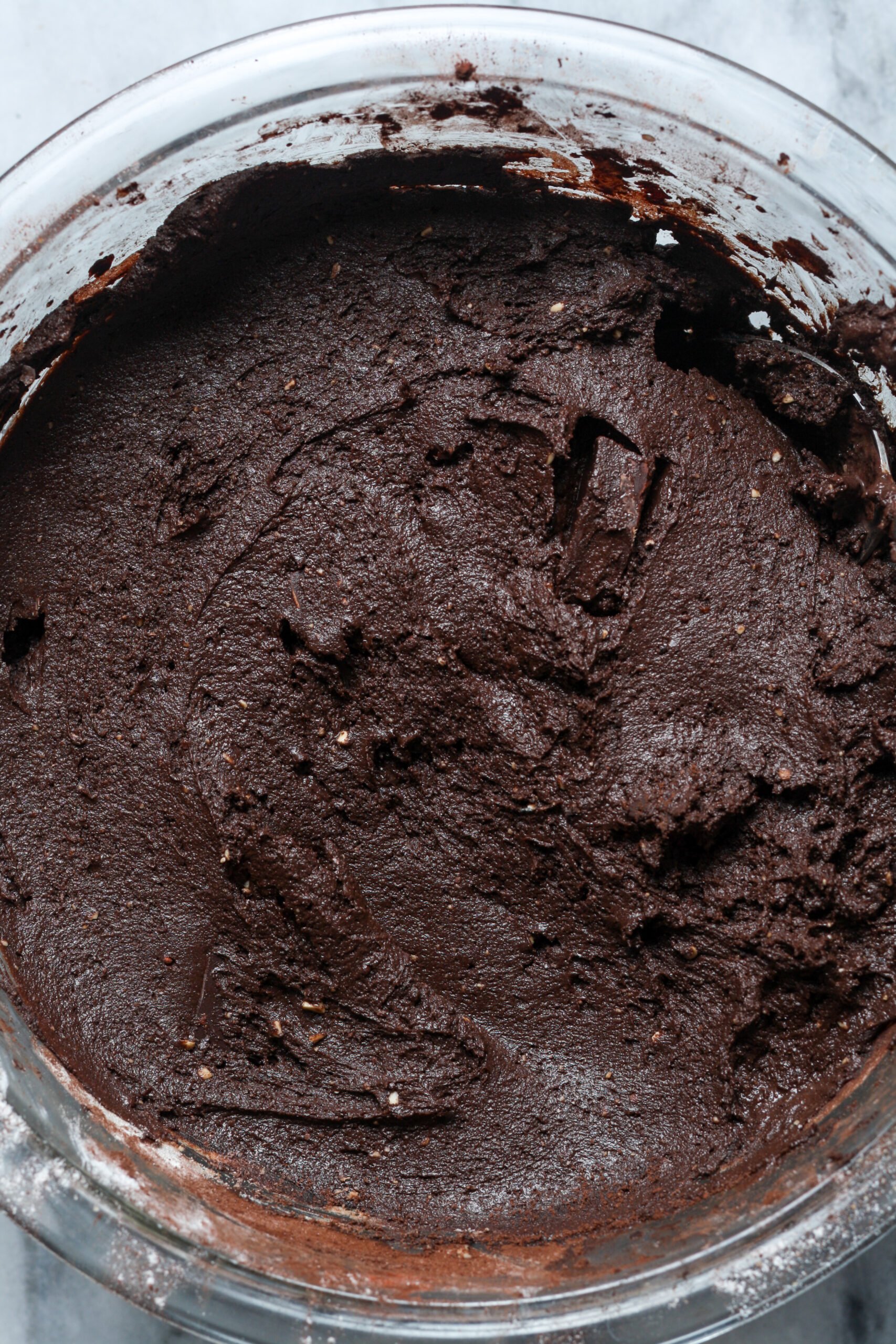
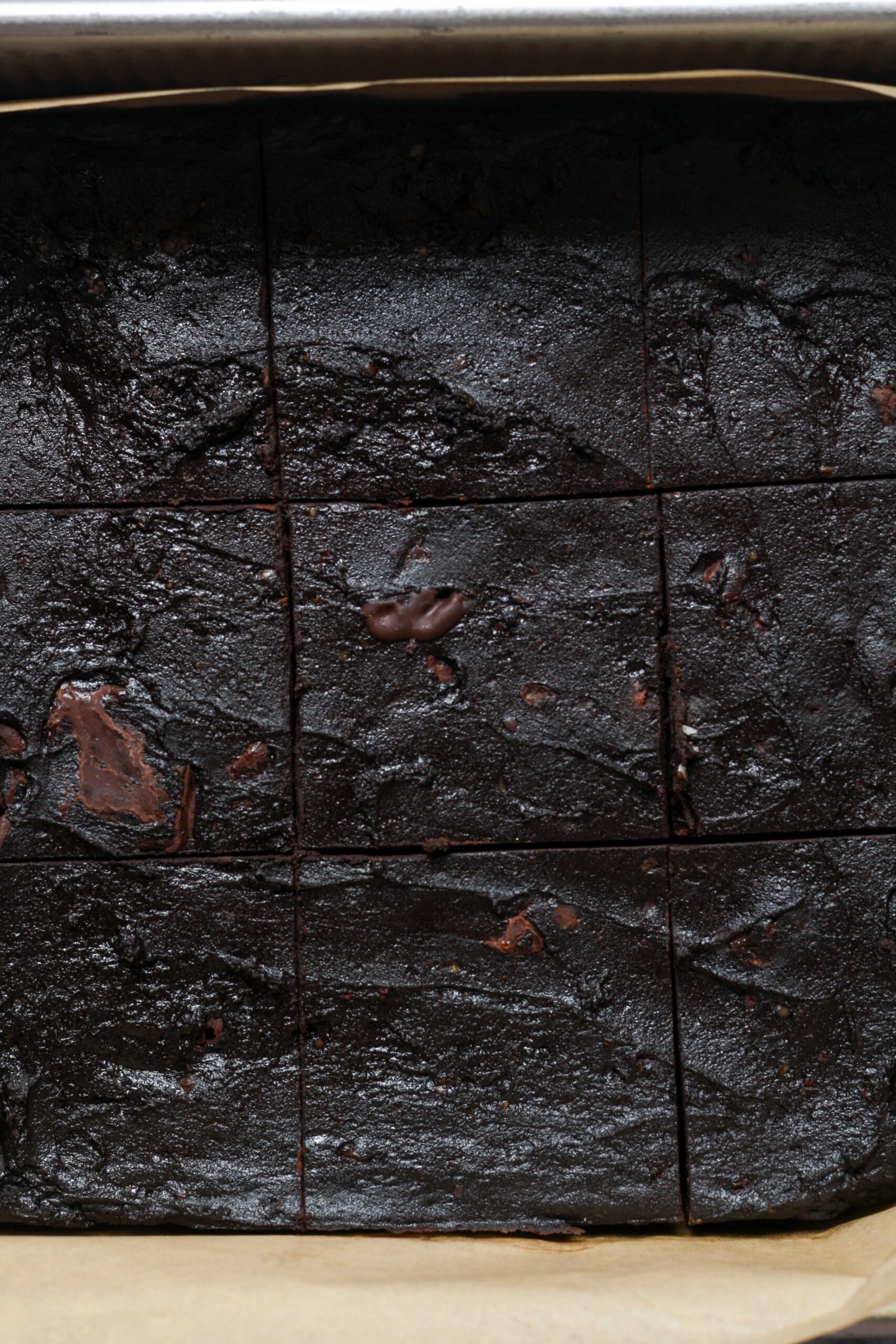
Despite the enthusiasm, some purists argue that the texture of a brownie created with cottage cheese lacks the "crackle top" typically associated with high-sugar, high-fat recipes. To address this, bakers are increasingly turning to high-quality dark chocolate chips, which provide the necessary fat and sugar content to facilitate the desired surface texture while maintaining the structural benefits of the protein base.
Implementation and Best Practices for Home Bakers
For those looking to adopt this method, the following technical guidelines are recommended:
- Temperature Control: Ingredients should be at room temperature before mixing to ensure proper emulsification.
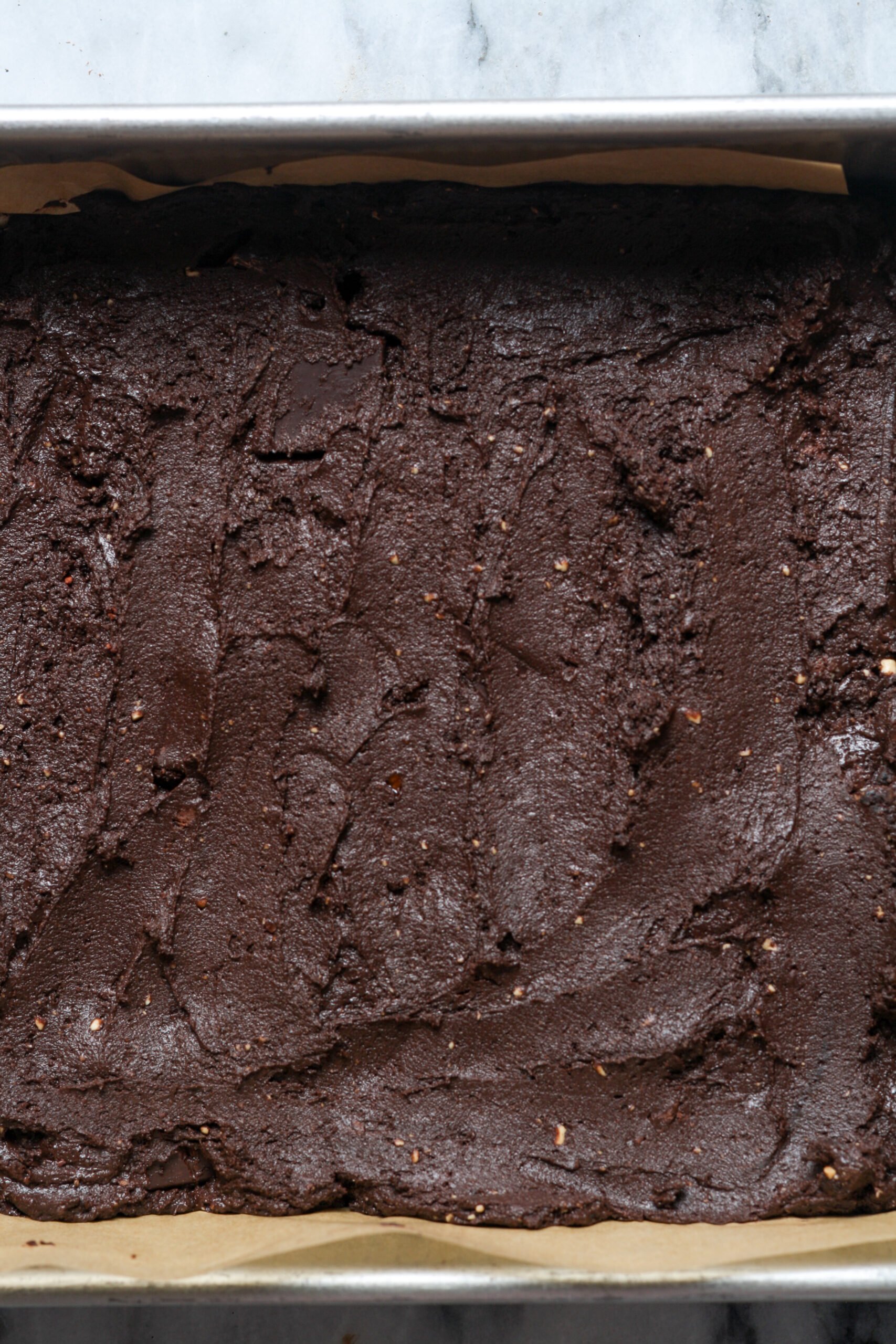
- The Cooling Period: Because these brownies contain a higher moisture content than traditional versions, they require a longer cooling period. Allowing the brownies to set in the refrigerator for at least two hours after baking ensures a stable, sliceable product.
- Storage Requirements: Due to the perishable nature of cottage cheese, these brownies must be stored in airtight containers under refrigeration. While they can be frozen, they are best consumed within a four-day window to maintain optimal flavor and texture.
Future Projections
The rise of the cottage cheese brownie is indicative of a broader trend: the "functionalization" of classic comfort foods. As the global population continues to focus on preventive health and weight management, the demand for recipes that bridge the gap between hedonistic enjoyment and nutritional utility will likely increase.
Looking ahead, analysts expect to see more dairy-based protein innovations in the baking aisle. The success of the cottage cheese model may lead to further research into the use of other high-protein substrates, such as Greek yogurt, silken tofu, and even legume-based purees, in standard dessert formulations.
In conclusion, the cottage cheese brownie is more than a passing culinary fad; it is a demonstration of how home baking is adapting to modern dietary realities. By leveraging the physical properties of cottage cheese, bakers are creating products that satisfy the psychological need for indulgence while meeting the biological demand for quality protein. As with any significant shift in culinary practice, the long-term success of this trend will depend on the continued refinement of recipes to ensure that flavor remains the primary driver of consumption, with nutrition serving as an essential, but secondary, benefit.