The Kid-Favorite Strawberry Smoothie Offers a Naturally Sweet and Versatile Approach to Child Nutrition

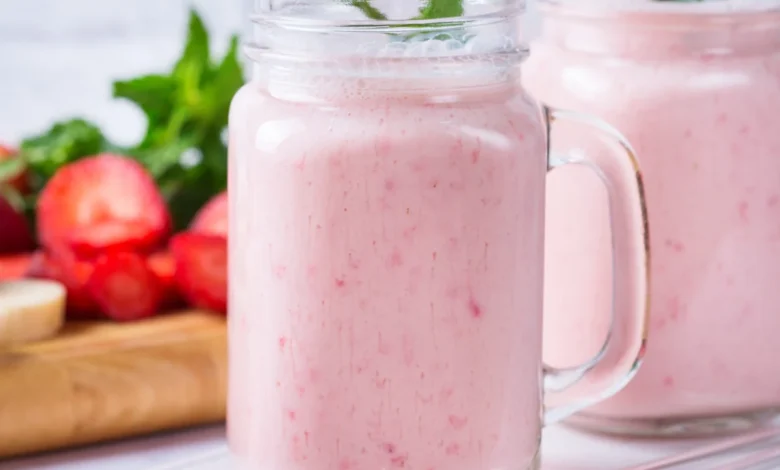
Smoothies have emerged as a cornerstone in modern pediatric nutrition, offering a remarkably accessible and appealing method for incorporating essential fruits into a child’s daily intake. Among the myriad of options, a particular strawberry smoothie recipe stands out for its inherent kid-friendliness, distinguished by its natural sweetness, vibrant pink hue, and adaptable nature that allows for the seamless integration of additional nutrients like protein, fiber, and even discreetly incorporated vegetables. This approach not only addresses parental concerns about picky eaters but also capitalizes on the growing trend of whole-food-based diets for children.
The Appeal of a Naturally Sweetened Treat
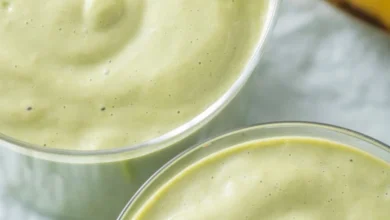
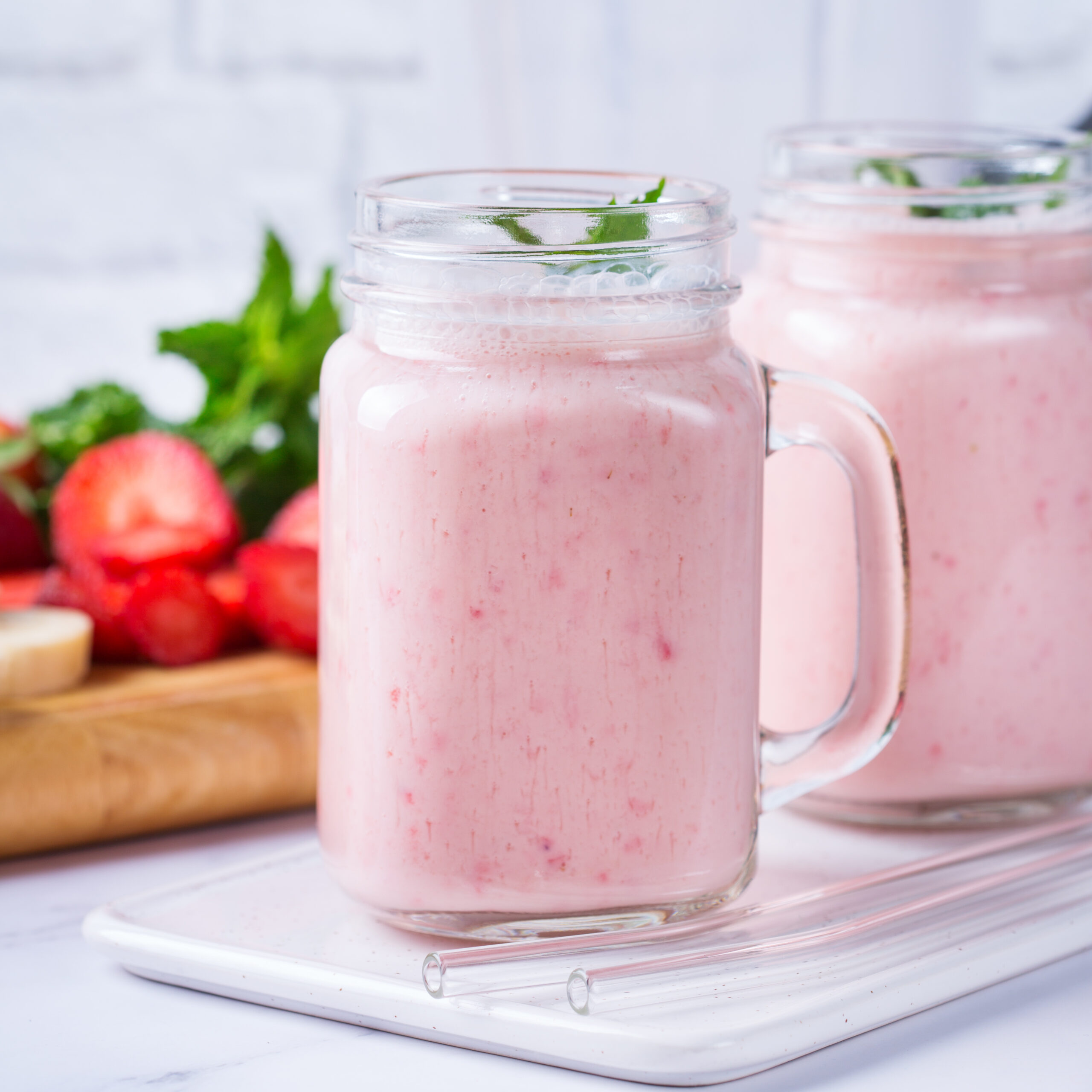
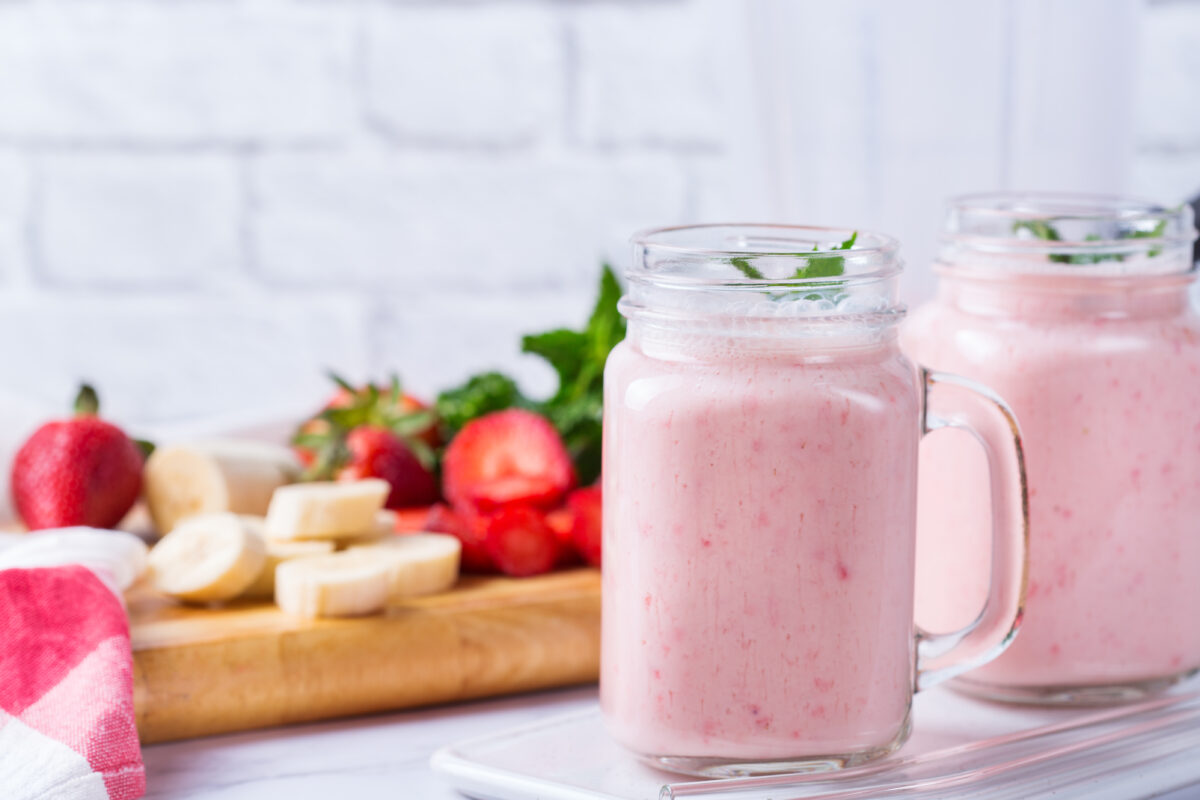
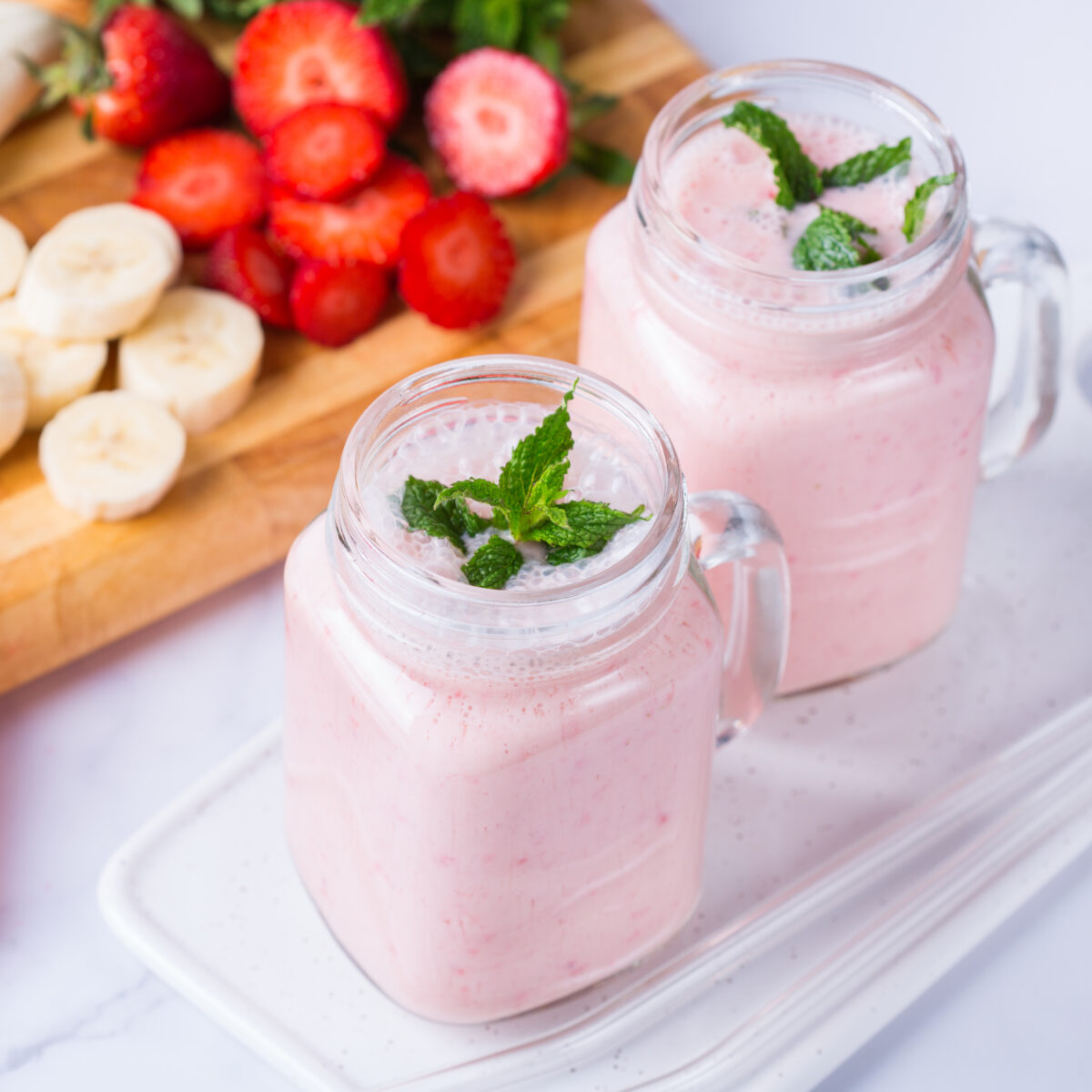
At its core, this strawberry smoothie is designed to be an enjoyable experience for young palates. The primary ingredients – strawberries and bananas – contribute a natural sweetness that negates the need for added sugars, a significant concern for health-conscious parents. Strawberries provide a bright, distinct berry flavor, while ripe bananas lend a creamy texture and further sweetness, creating a harmonious blend that is both refreshing and satisfying. This inherent deliciousness transforms a healthy beverage into something that tastes like a treat, making it an ideal candidate for breakfast or a mid-day snack. The visual appeal, characterized by its cheerful pink color, further enhances its attractiveness to children, often serving as the first point of engagement.
A Foundation for Enhanced Nutrition
Beyond its immediate taste appeal, the versatility of this strawberry smoothie recipe positions it as a powerful tool for boosting a child’s nutritional intake. The base recipe itself provides a good source of vitamins, minerals, and antioxidants from the fruit. However, its true strength lies in its capacity for customization. Parents can easily fortify the smoothie with additional protein by incorporating a scoop of unflavored or vanilla protein powder, or by opting for Greek yogurt, which inherently offers a higher protein content compared to standard yogurts. For parents aiming to increase their child’s fiber intake, the addition of ingredients like chia seeds, flax seeds, or even a quarter cup of rolled oats can significantly enhance the smoothie’s fiber profile, promoting digestive health and a feeling of fullness.
Furthermore, the smoothie serves as an excellent vehicle for "hidden" vegetables. A small handful of spinach, for instance, can be blended into the mix without significantly altering the taste, thanks to the dominant flavors of strawberry and banana. This is a particularly effective strategy for introducing children to new vegetables in a non-threatening format. The vibrant color of the strawberries can often mask the green hue of spinach, making it virtually undetectable to the discerning young diner.
Optimizing Texture and Flavor: Expert Tips
Achieving the perfect smoothie consistency and flavor is paramount to its success with children. Several key techniques contribute to this goal:
- Utilizing Frozen Fruits: Employing frozen strawberries is a critical step in achieving a thick, cold, and creamy texture without the dilution that ice can cause. Frozen fruit also ensures that the smoothie can be prepared consistently throughout the year, irrespective of seasonal fruit availability. This also contributes to a more intense fruit flavor.
- Leveraging Banana for Sweetness and Creaminess: The ripeness of the banana plays a crucial role. Overripe bananas, with their brown spots, are sweeter and blend more easily, contributing to a smoother, more palatable texture that children typically prefer.
- Strategic Yogurt Selection: The choice of yogurt can influence both sweetness and nutritional content. Vanilla yogurt naturally adds sweetness, while plain Greek yogurt offers a tangier profile and a significant protein boost. Both options are viable, depending on the desired outcome. For a dairy-free alternative, a variety of plant-based yogurts, such as those made from coconut, almond, or soy, can be used.
- Controlled Liquid Addition: It is advisable to begin with a conservative amount of liquid, such as milk (dairy or non-dairy) or water. This allows for better control over the smoothie’s thickness. Additional liquid can always be added to reach the desired consistency, preventing an overly thin or watery result.
- Ensuring a Silky Smooth Texture: For children who are particularly sensitive to texture, blending the smoothie for an extended period is recommended. This ensures that all solid components, including berry seeds and any added ingredients, are thoroughly pulverized, resulting in an exceptionally smooth and uniform consistency.
A Spectrum of Flavorful Variations
The inherent adaptability of this strawberry smoothie recipe allows for a wide array of delicious and nutritious variations, catering to diverse dietary needs and taste preferences:
- The Classic Strawberry Banana Smoothie: Following the base recipe provides the quintessential strawberry banana flavor profile, a universally loved combination.
- The Strawberry Protein Power Smoothie: To significantly enhance protein content, a scoop of high-quality vanilla or unflavored protein powder can be added. Alternatively, doubling the amount of Greek yogurt can achieve a similar effect. This variation is particularly beneficial for active children or those who require increased protein intake.
- The Hearty Strawberry Oat Smoothie: Incorporating approximately a quarter cup of rolled oats transforms the smoothie into a more substantial meal replacement or a filling breakfast option. Oats contribute complex carbohydrates, fiber, and a thicker texture.
- The Stealthy Strawberry Spinach Smoothie: As previously mentioned, a small handful of fresh spinach can be seamlessly integrated. The natural sweetness and vibrant color of the strawberries and banana effectively mask the taste and appearance of the spinach, making it an excellent way to introduce greens.
- The Dairy-Free Strawberry Delight: For children with lactose intolerance or dairy allergies, this smoothie can be easily adapted. Substitute dairy milk with almond milk, oat milk, soy milk, or coconut milk. Similarly, opt for a dairy-free yogurt alternative.
- The Frozen Strawberry Smoothie Pops: A fun and engaging way to serve this smoothie is by pouring the blended mixture into popsicle molds and freezing them. This transforms the drink into a refreshing and healthy frozen treat, perfect for warmer weather or as a special snack.
Strategic Preparation and Storage
The optimal consumption time for smoothies is immediately after blending, when their texture and nutrient profile are at their peak. However, for busy households, make-ahead strategies are invaluable. Leftover smoothie can be stored in an airtight container in the refrigerator for up to 24 hours. It is important to note that some separation may occur, so shaking or stirring well before serving is recommended.
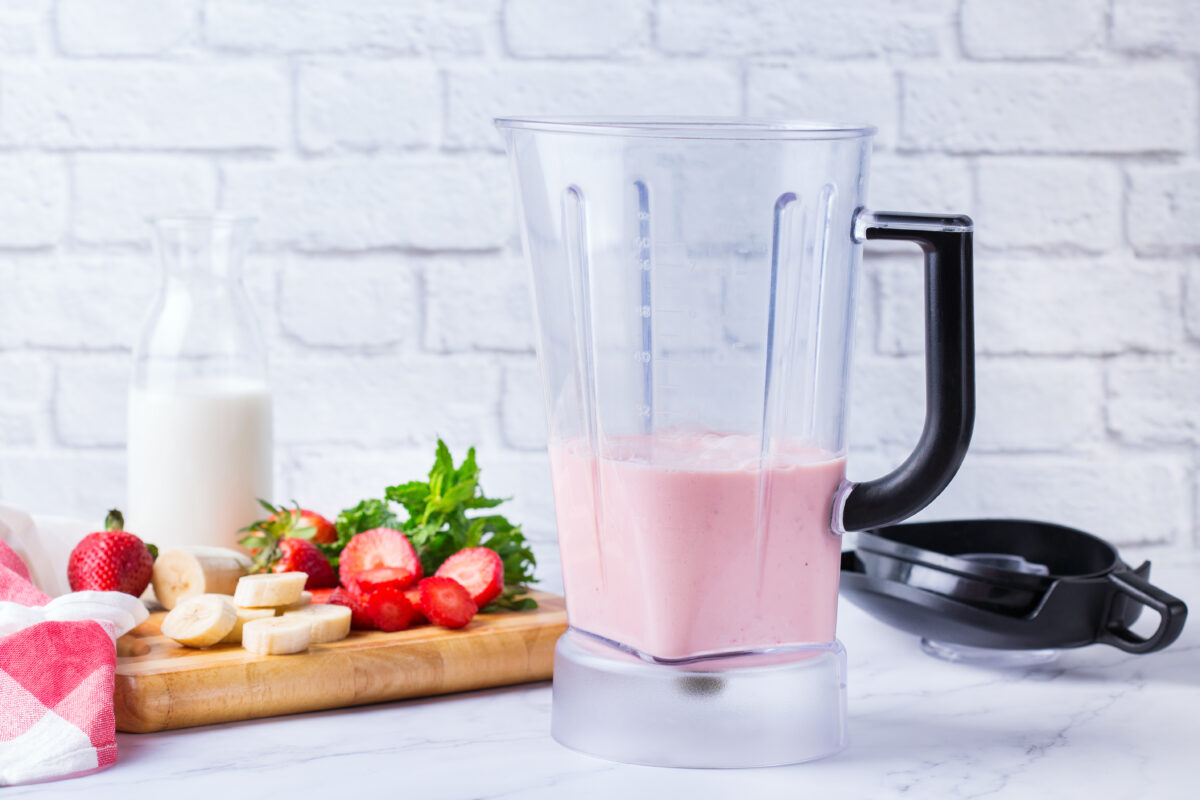
For even greater convenience, "smoothie packs" can be prepared in advance. This involves portioning out the frozen fruits (strawberries and banana) into individual freezer bags. When ready to make a smoothie, simply transfer the contents of the bag into a blender, add the yogurt and liquid, and blend. This streamlines the preparation process significantly. The popsicle mold method also serves as an excellent make-ahead option for a delightful frozen snack.
Broader Implications in Child Nutrition
The widespread adoption of smoothies like this one reflects a broader trend in how parents are approaching childhood nutrition. In an era where processed foods and high-sugar snacks are readily available, recipes that emphasize whole, minimally processed ingredients are gaining traction. The success of such smoothies lies in their ability to bridge the gap between parental nutritional goals and children’s often-fickle preferences. By making healthy eating enjoyable and accessible, these recipes contribute to the establishment of positive dietary habits from an early age.
Furthermore, the ability to customize smoothies aligns with the growing understanding of individualized nutritional needs. Whether a child requires more protein for athletic performance, more fiber for digestive health, or is navigating dietary restrictions, the smoothie format offers a flexible solution. This adaptability is crucial in fostering a positive relationship with food, where healthy choices are not perceived as restrictive but as opportunities for creative and delicious nourishment. The ongoing dialogue surrounding childhood obesity and the importance of balanced diets further underscores the value of simple, effective tools like the strawberry smoothie in promoting healthier lifestyles for the next generation. The recipe, therefore, represents more than just a beverage; it is a practical and appealing solution for a contemporary nutritional challenge.