Navigating Childhood Vegetarianism: A Nutritional Guide for Parents Transitioning Their Children to Meatless Diets

The modern dinner table has increasingly become a battleground of ethical awakening and dietary preference. Picture the scenario: a family sits down to a traditional evening meal, a forkful of medium-rare tenderloin on the way to the plate, when a child pauses, looks up, and asks the pivotal question: "Mom, where does steak come from?" For many parents, an honest answer sparks an immediate emotional reaction, sometimes ending in tears and a declaration by the child to swear off meat forever. Whether this sudden moral revelation is a fleeting phase or the beginning of a lifelong ethical commitment, parents are left facing a logistical and nutritional challenge.
Transitioning a child to a vegetarian or plant-based diet requires careful planning, a solid understanding of pediatric nutrition, and an openness to shifting family culinary habits. According to pediatric dietitians and health organizations worldwide, children can indeed thrive on well-planned vegetarian and vegan diets. However, removing meat from a growing child’s plate demands a deliberate focus on specific micronutrients and macronutrients to ensure healthy development, cognitive function, and long-term vitality.
The Shift Toward Plant-Based Diets Among Youth
The phenomenon of children rejecting meat is not entirely new, but sociological trends indicate a rising wave of youth-led vegetarianism. Driven by widespread access to information regarding animal welfare, industrial farming practices, and the environmental footprint of livestock production, children are making conscious connections between their food and the living world at an earlier age than previous generations. Others simply develop a sudden aversion to the texture, taste, or visual appearance of animal flesh.
Historically, mainstream dietary guidelines in Western countries heavily emphasized meat and dairy as primary pillars of childhood growth. Over the last two decades, however, bodies such as the American Academy of Pediatrics (AAP) and the Academy of Nutrition and Dietetics have recognized that appropriately planned vegetarian diets are healthful, nutritionally adequate, and may provide health benefits in the prevention and treatment of certain diseases.
Despite official backing, the transition often presents a practical hurdle for households accustomed to meat-centric meal preparation. Parents who eat meat themselves may feel unequipped to design balanced, nutrient-dense menus that satisfy a child’s palate while fulfilling rigorous developmental requirements.
Five Essential Nutrients for Vegetarian Children

When meat is eliminated from a child’s diet, certain nutrients require heightened vigilance. While a plant-based diet is naturally rich in fiber, antioxidants, and vitamins, specific micronutrients are predominantly found in animal products or are less bioavailable in plant sources. Pediatric nutrition experts emphasize tracking five key nutritional pillars:
-
Vitamin B-12 and the B-Complex
Vitamin B-12 is critical for neurological function, red blood cell formation, and DNA synthesis. Because B-12 is naturally synthesized by bacteria found primarily in animal tissues, strict vegetarians and vegans face a higher risk of deficiency.
Dietary Sources: Fortified breakfast cereals, nutritional yeast, enriched flour products, plant-based milks, and select whole grains. Naturally occurring B vitamins can also be sourced from lentils, spinach, black beans, peas, and sunflower seeds. -
Iron
Iron is essential for hemoglobin production, which carries oxygen through the bloodstream. Plant-based (non-heme) iron is absorbed less efficiently by the human body than the heme iron found in meat. Furthermore, calcium can inhibit iron absorption when consumed simultaneously.
Dietary Sources: Pumpkin seeds, quinoa, beans, dried apricots, lentils, peas, and dark leafy greens like spinach. Nutritionists advise separating calcium-rich foods like milk from iron-heavy meals to maximize absorption. -
Vitamin C
Vitamin C acts as a vital enhancer for iron absorption, fundamentally unlocking the nutritional value of plant-based iron sources. Pairing vitamin C with iron-rich foods can exponentially increase the body’s uptake efficiency.
Dietary Sources: Citrus fruits, strawberries, bell peppers, and tomatoes. Effective meal combinations include bean chili featuring tomatoes, lentil soup served with a side of orange slices, or a spinach salad topped with sliced strawberries.
-
Zinc
Zinc supports cellular metabolism, immune function, and normal growth during childhood and adolescence. While high concentrations are found in red meat and poultry, adequate intake can be achieved through plant pathways.
Dietary Sources: Chickpeas, lentils, and soybeans processed as edamame, tofu, and soy milk. -
Protein
Often the primary anxiety for parents transitioning their children away from meat, protein is vital for tissue repair, muscle growth, and overall development. However, nutritional science indicates that protein deficiency is rare in developed nations as long as overall caloric intake is sufficient and diverse.
Dietary Sources: Beans, lentils, nuts, seeds, dairy products, eggs, and whole grains. Notably, soy products and quinoa are classified as "complete proteins," containing all nine essential amino acids that the human body cannot synthesize independently.
Staple Foods to Anchor a Meatless Diet
Incorporating versatile, nutrient-dense ingredients can simplify meal preparation for families navigating a child’s new dietary preferences. Nutritionists recommend grounding weekly meal plans in several key food groups:

- Beans and Lentils: Serving as powerhouses of fiber, iron, and plant-based protein, legumes can be seamlessly integrated into tacos, soups, pasta dishes, and grain bowls. For reluctant eaters, creative applications such as red lentil soups or even baked goods incorporating lentil flour offer accessible entry points.
- Quinoa: As a complete protein source, quinoa functions as an ideal grain substitute for rice in soups and bowls, or as a base for homemade snack bars.
- Strawberries and Citrus: Rich in vitamin C, these fruits enhance the bioavailability of plant-based iron when consumed alongside iron-dense meals or fortified cereals.
- Soy Products: Edamame, tofu, tempeh, and fortified soy milk provide robust profiles of protein, iron, and zinc. Tofu, in particular, adapts to a wide variety of marinades and cooking methods, making it adaptable for family meals.
- Fortified Cereals: Commercially fortified breakfast cereals offer a reliable, accessible baseline for securing adequate daily intakes of vitamin B-12 and iron, which can otherwise require meticulous meal planning.
Addressing Special Demographics: Picky Eaters, Teens, and Family Dynamics
Transitioning to a vegetarian lifestyle involves unique considerations depending on the age and behavioral profile of the child.
For children who already exhibit selective eating habits, removing meat without a strategic plan can dangerously narrow their nutritional intake. If a child refuses both meat and primary plant-based proteins such as beans and tofu, parents should consult a pediatrician or a registered dietitian to prevent nutritional deficits and evaluate whether specialized dietary counseling is necessary.
Adolescents present a different set of challenges. Teenagers undergoing rapid physical growth spurts have heightened nutritional demands. Teen athletes require elevated protein intake, while adolescent girls face a higher risk of iron deficiency due to menstruation combined with fluctuating caloric consumption. Fortunately, well-planned vegetarian diets remain entirely safe and viable for teenagers, provided they receive guidance on caloric density and nutrient tracking.

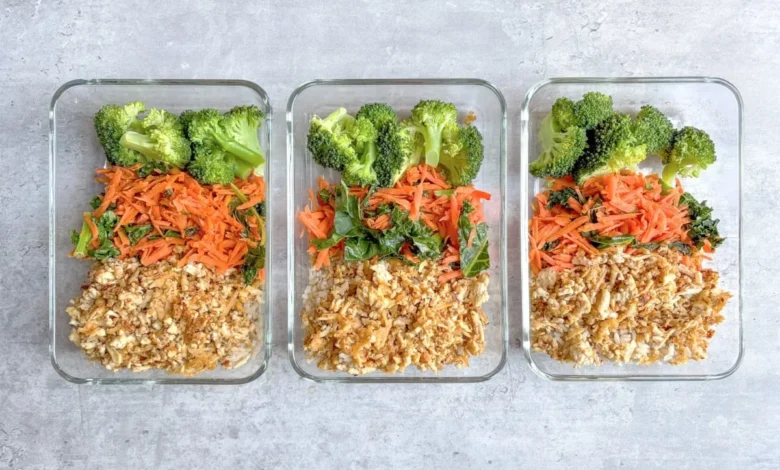
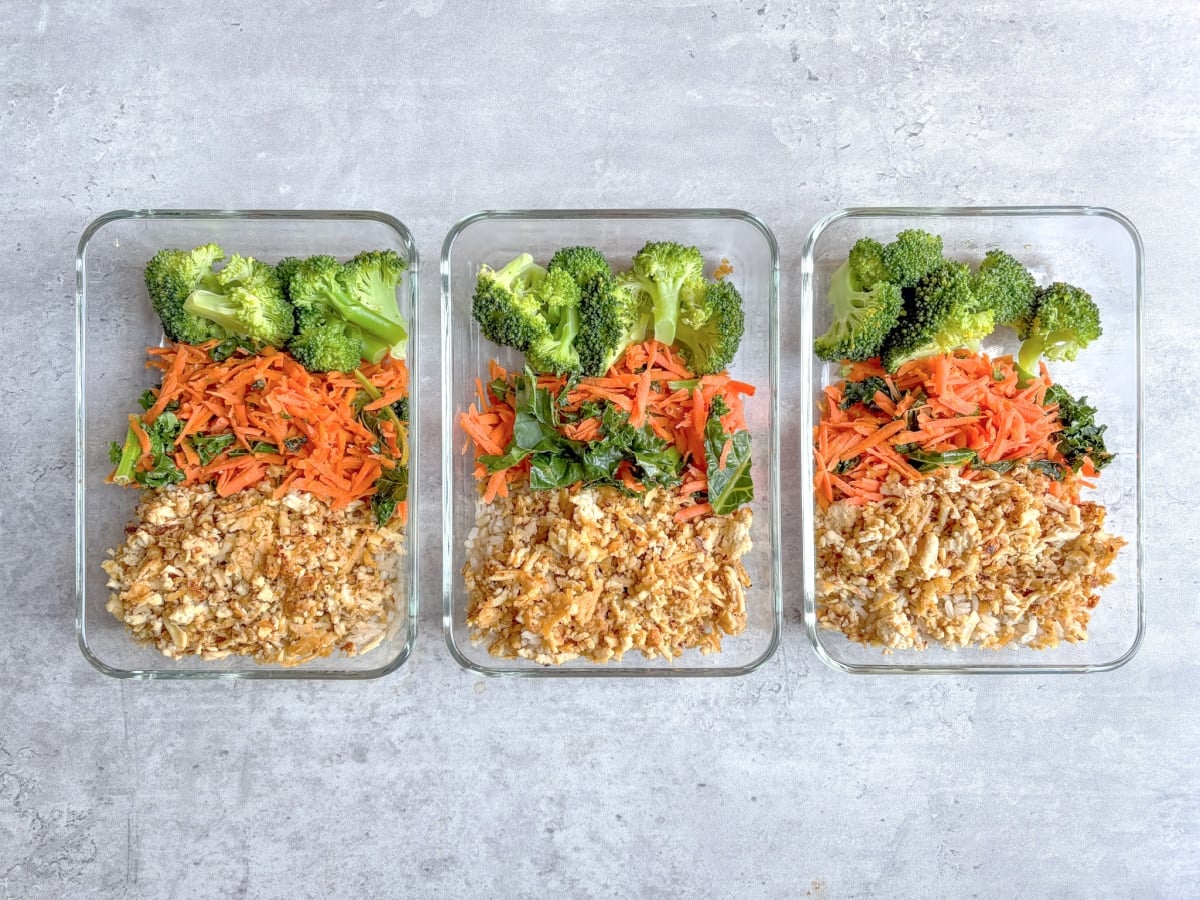
Finally, managing household dynamics when only one member adopts a vegetarian diet requires compromise. While some meals allow for simple substitutions—such as swapping a beef patty for a veggie burger on the grill—expert dietitians recommend introducing shared plant-based meals that the entire family can enjoy. Dishes such as tofu Buddha bowls, vegetable and noodle stir-fries, and bean-based chilis can satisfy both meat-eaters and vegetarians alike, easing the burden on household meal preparation.
Broader Implications and Expert Guidance
The decision of a child to adopt a meatless lifestyle opens a broader dialogue about modern nutrition education, sustainability, and family communication. Public health experts emphasize that vegetarianism in youth, when approached with education and mindfulness, can foster lifelong habits of health consciousness and environmental awareness.
Nevertheless, because the margins for error can be narrower in restrictive diets—particularly for younger children or those eliminating dairy and eggs (veganism)—professional oversight remains a valuable resource. Pediatricians and pediatric registered dietitians can perform targeted blood work to monitor iron stores, vitamin B-12 levels, and overall growth metrics, ensuring that a child’s ethical choices align seamlessly with their long-term physical well-being.
Related posts: