The Definitive Guide to Sustainable Stationery and Eco-Friendly Office Supplies for the Modern Workplace

The transition toward a sustainable office environment has evolved from a niche preference to a core component of corporate social responsibility. As organizations and remote workers alike seek to reduce their environmental footprint, the demand for circular-economy stationery—products designed to be reused, recycled, or composted—has surged. According to recent market analysis, the global sustainable stationery market is projected to grow significantly as businesses move away from single-use plastics and non-recyclable synthetic materials, which have historically accounted for a substantial portion of office waste.

The Environmental Impact of Conventional Office Waste
Traditional office supplies are often categorized as "hidden waste." A standard ballpoint pen is typically constructed from a complex mix of plastics, metals, and chemical-heavy inks that make recycling virtually impossible. Similarly, standard printer paper involves intensive chemical bleaching processes, and conventional adhesive tapes are coated with synthetic polymers that contaminate paper recycling streams.
Data from the Environmental Protection Agency (EPA) suggests that the average office worker generates approximately two pounds of paper and paperboard products every day. When this volume is compounded by the use of non-recyclable binders, plastic-heavy folders, and toxic-ink highlighters, the cumulative environmental impact is immense. The shift toward sustainable alternatives is not merely an aesthetic choice; it is a systemic necessity to reduce the carbon footprint of daily administrative operations.

Chronology of the Green Office Movement
The movement toward eco-friendly supplies gained mainstream traction in the early 2010s, as manufacturers began to address the lack of transparency in supply chains. By 2015, the adoption of the United Nations Sustainable Development Goals (SDGs) encouraged corporations to audit their procurement processes.
By 2020, the shift to remote work during the COVID-19 pandemic accelerated the demand for sustainable home-office solutions. Individuals began to realize the sheer volume of waste generated in a domestic setting, leading to a surge in consumer-led innovation. This period marked a transition where "scrappy" upcycling—such as repurposing cardboard from packaging—met professional-grade, mass-manufactured sustainable goods. Today, the sector is characterized by a "cradle-to-cradle" design philosophy, where products are engineered specifically for their eventual disposal or regeneration.

Essential Categories for a Sustainable Workspace
Sustainable Notepads and Paper Products
The most effective way to minimize paper waste remains the circular use of existing materials. However, for professional requirements, the market has pivoted toward 100% post-consumer recycled paper. Organizations like Vent For Change have demonstrated that it is possible to maintain professional standards while utilizing paper derived from waste streams. These products often support secondary social goals, such as funding education projects, which aligns environmental sustainability with social equity.
Kraft Paper Binders and File Management
The standard plastic ring binder is a significant offender in office waste, as the PVC (polyvinyl chloride) components are notoriously difficult to process in municipal recycling facilities. Kraft paper binders represent a durable, plastic-free alternative. These items allow for the separation of metal mechanisms from paper covers at the end of their lifecycle, ensuring that the paper components can be successfully composted or pulped, while the metal is recycled separately.

The Evolution of Printer Paper and Ink
The "paperless office" remains an ideal rather than a reality for many legal, medical, and administrative sectors. For those who must print, the move to 80 gsm recycled paper—processed without optical brightening agents or chlorine bleach—is a critical intervention. Traditional white printer paper is often treated with chemicals to achieve a high-brightness appearance; avoiding these agents reduces the chemical load in wastewater during the paper production cycle. Industry experts are currently investigating bio-based printer inks, though progress remains slower compared to hardware advancements.
Plastic-Free Adhesives
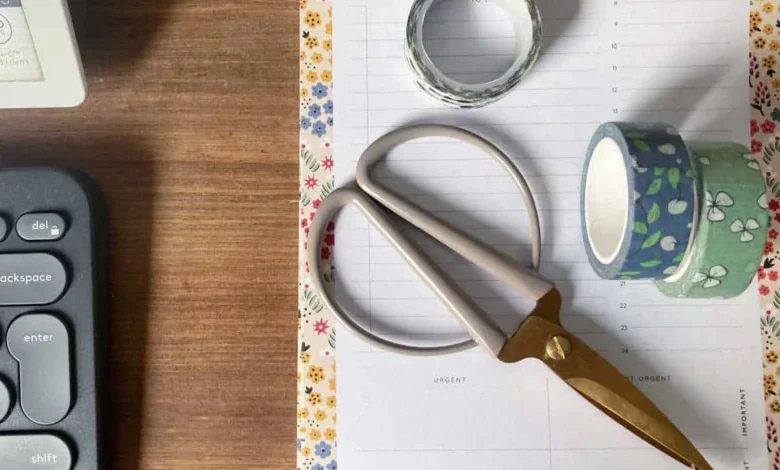
Adhesive tape is perhaps the most overlooked plastic pollutant in the office. Traditional clear tapes are composed of polypropylene or other non-biodegradable plastics. Plastic-free alternatives, typically made from kraft paper with natural rubber adhesives, provide the same structural integrity for sealing envelopes and packages without the long-term presence of microplastics.

Analytical Perspectives on Market Shifts
Industry analysts note that the transition to sustainable supplies is often driven by "reputational risk management." As companies are held to higher environmental, social, and governance (ESG) standards, the procurement of sustainable stationery becomes a tangible metric of commitment.
However, there is a noted "cost-benefit friction." While sustainable products have decreased in price due to economies of scale, they still command a premium over mass-produced, non-sustainable equivalents. Experts argue that this price differential is balanced by the durability of these goods. For example, highlighter pencils, which are made from wood and pigment rather than plastic cartridges, possess a longer shelf life, do not bleed through paper, and eliminate the problem of "dry-out" associated with felt-tip pens.
Official Responses and Future Outlook
Environmental advocacy groups continue to pressure retailers to provide clearer labeling regarding the end-of-life disposal of stationery. The lack of standardized "green" certification for stationery can lead to "greenwashing," where products are marketed as eco-friendly without meeting rigorous standards.
Looking forward, the industry is trending toward the "circular office." This involves not just the purchase of sustainable items, but the establishment of closed-loop systems where businesses partner with vendors to return used materials—such as printer cartridges or binding mechanisms—for professional remanufacturing.

Implications for the Future Workspace
The implications of adopting sustainable stationery extend beyond the individual desk. When applied at an enterprise level, these changes contribute to significant reductions in scope-three carbon emissions. Furthermore, the aesthetic shift toward natural materials—such as wood-cased highlighters and unbleached paper—is increasingly associated with a "biophilic" office design, which studies suggest may improve worker concentration and psychological well-being.
As we move toward a future where resource scarcity will likely drive up the costs of raw materials, the investment in high-quality, sustainable stationery is not only an ethical choice but a fiscally prudent one. The transition from disposable, plastic-centric tools to long-lasting, recyclable, and compostable alternatives represents a fundamental shift in how we perceive the tools of our trade. By prioritizing products that honor the lifecycle of raw materials, the modern office can successfully align its administrative functions with the broader goals of global environmental stewardship.