Decoding Hyperglycemia: The Biological Mechanics, Clinical Symptoms, and Long-Term Implications of High Blood Sugar

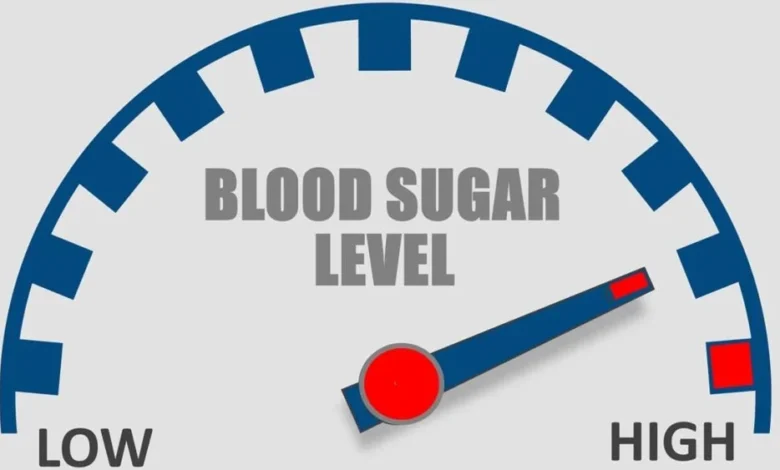
High blood sugar, clinically identified as hyperglycemia, stands as the foundational diagnostic cornerstone of all primary forms of diabetes mellitus. While millions of individuals manage this condition globally, the complex physiological cascade that transforms elevated glucose levels into overt physical symptoms remains a subject of ongoing clinical study. Understanding how excess systemic glucose disrupts normal cellular function provides vital insight into why early intervention is critical for preventing permanent organ damage.
Main Facts and Physiological Mechanisms of Hyperglycemia
Hyperglycemia develops when the human body loses its capacity to regulate circulating blood glucose within normal physiological parameters. This metabolic failure occurs through two distinct pathways: either the pancreas fails to synthesize and secrete adequate quantities of the hormone insulin, or the peripheral tissues develop a profound cellular resistance to insulin’s signaling properties. Consequently, glucose remains trapped in the bloodstream rather than crossing cell membranes to fuel cellular respiration.
Medically, blood glucose is generally classified as elevated when readings exceed 130 milligrams per deciliter (mg/dL) in a fasting state, or rise above 180 mg/dL two hours post-prandial. However, clinical research indicates that overt physical symptoms rarely manifest until systemic glucose concentrations surpass 250 mg/dL.
The clinical classification divides hyperglycemia into two primary temporal categories:
- Acute Hyperglycemia: A temporary elevation resulting from specific triggers such as high-carbohydrate nutritional intake, missed pharmacological doses, physiological stress, or acute infection.
- Chronic Hyperglycemia: A sustained, long-term elevation of blood glucose commonly stemming from undiagnosed disease states or insufficient treatment regimens. This form is widely regarded as significantly more dangerous due to its toxic, degradative impact on delicate vascular and neural tissues.
Furthermore, daily glycemic variability is frequently influenced by physiological processes such as the dawn phenomenon—an early morning surge of counter-regulatory hormones occurring typically between 4:00 AM and 5:00 AM. This natural hormonal release stimulates hepatic glucose production, frequently leaving fasting patients with elevated blood sugar upon awakening.
Chronology and the Classic Symptomatic Triad
The medical community relies heavily on a classic trio of presentations to identify uncontrolled blood glucose: polyuria (excessive urination), polydipsia (excessive thirst), and polyphagia (excessive hunger). Historically, these markers have served as the primary clinical triggers for diagnostic blood glucose screening.
However, the onset of these symptoms is rarely abrupt in patients with type 2 diabetes. Because the metabolic imbalance often develops slowly over months or years, individuals frequently adapt to subtle physiological shifts, delaying clinical recognition. In contrast, type 1 diabetes typically exhibits a more rapid, acute onset due to an absolute autoimmune destruction of insulin-producing beta cells, accelerating the progression toward severe metabolic crises.
Supporting Data and Systemic Impact
The cellular mechanisms driving hyperglycemia-induced symptoms involve intricate biochemical reactions across multiple organ systems.
Polyuria and Osmotic Diuresis
When blood glucose concentrations exceed approximately 250 mg/dL, the renal filtration threshold is overwhelmed. Normally, the kidneys filter waste while reclaiming essential solutes and water. When excessive glucose enters the nephrons, the transport maximum of the renal tubules is breached, initiating osmotic diuresis. Simultaneously, high extracellular glucose osmotically draws fluid out of intracellular spaces into the bloodstream to dilute the solute load. The kidneys, unable to reabsorb this massive fluid volume, flush it from the body, leading to daily urine outputs that can escalate from a normal 1.5 liters to as high as 15 liters per day.
Polydipsia and Cellular Dehydration
The severe fluid depletion caused by polyuria triggers osmoreceptors located within the hypothalamus. These specialized neural cells monitor plasma osmolality and stimulate the brain’s thirst centers, compelling the individual to consume liquids. Misinterpretation of this thirst often leads individuals to consume sugar-sweetened beverages, which paradoxically exacerbate hyperglycemia and worsen systemic dehydration.
Polyphagia and Cellular Starvation
Despite an abundance of circulating glucose, peripheral cells effectively starve due to the absence or inefficiency of insulin. In response, cells dispatch hormonal distress signals via ghrelin and leptin pathways. This persistent hunger signal drives individuals to consume more food, which further elevates systemic glucose levels unless mediated by appropriate therapy.
Beyond these classic signs, chronic hyperglycemia profoundly damages other bodily systems:
- Infectious Susceptibility: Elevated tissue glucose creates an ideal nutrient-rich environment for pathogenic bacteria and yeasts. Concurrently, hyperglycemia impairs neutrophil mobility and phagocytosis, severely diminishing the body’s immune defense and increasing the incidence of urinary tract infections and fungal complications.
- Impaired Wound Healing: Reduced peripheral blood flow, compounded by neutrophil dysfunction, severely delays tissue repair. Minor soft-tissue injuries can rapidly evolve into chronic ulcers, cellulitis, or tissue necrosis, contributing to high rates of non-traumatic lower-limb amputations worldwide.
- Neurological and Ocular Manifestations: Prolonged nerve exposure to high glucose levels precipitates peripheral neuropathy, initially presenting as paresthesia (tingling) and progressing to severe pain or numbness. In the eyes, osmotic shifts dehydrate the crystalline lens, causing temporary blurred vision, while chronic microvascular damage can culminate in irreversible diabetic retinopathy.
Official Responses and Clinical Guidelines
Health organizations, including the American Diabetes Association (ADA), maintain rigorous clinical thresholds to guide patient management and prevent catastrophic medical emergencies:
- Fasting Target (Diabetes): 80 to 130 mg/dL (4.4 to 7.2 mmol/L)
- Post-Meal Target (Diabetes): Less than 180 mg/dL (<10.0 mmol/L)
- Mildly Elevated: 181 to 250 mg/dL (10.1 to 13.9 mmol/L)
- Symptom Threshold: Readings above 250 mg/dL (13.9+ mmol/L) typically trigger overt physical symptoms.
- Critical Thresholds: Readings exceeding 300 mg/dL necessitate immediate medical consultation, while levels surpassing 600 mg/dL represent life-threatening emergencies requiring immediate emergency intervention due to the risk of Hyperosmolar Hyperglycemic State (HHS) or Diabetic Ketoacidosis (DKA).
Clinical protocols dictate that patients experiencing persistent hyperglycemia must evaluate their treatment plans, monitor hydration, check for urinary or blood ketones when readings exceed 250 mg/dL, and strictly adhere to individualized sick-day management guidelines established by their primary endocrinology care teams.
Broader Implications and Long-Term Prognosis
The societal and economic impact of unmanaged hyperglycemia extends far beyond immediate physical discomfort. Chronic systemic elevation of blood glucose serves as a primary driver of microvascular and macrovascular complications, including end-stage renal disease, cardiovascular morbidity, cerebrovascular accidents, and permanent visual impairment.
Epidemiological data underscore that a significant percentage of patients present with established retinopathy or neuropathy at the exact moment of their initial diabetes diagnosis, proving that hyperglycemia frequently inflicts subclinical damage for years before detection. Consequently, public health initiatives increasingly emphasize routine metabolic screenings, patient education regarding glycemic variability, and multidisciplinary lifestyle interventions.
Ultimately, recognizing the early warning signs of hyperglycemia transcends mere symptom management; it represents a critical clinical intervention designed to interrupt a destructive biological cascade, preserve vascular integrity, and secure long-term patient survival.
Related posts: