Mastering the 15-Minute Skillet: How Caramelized Cinnamon Maple Apple Slices Became the Season’s Ultimate Culinary Staple

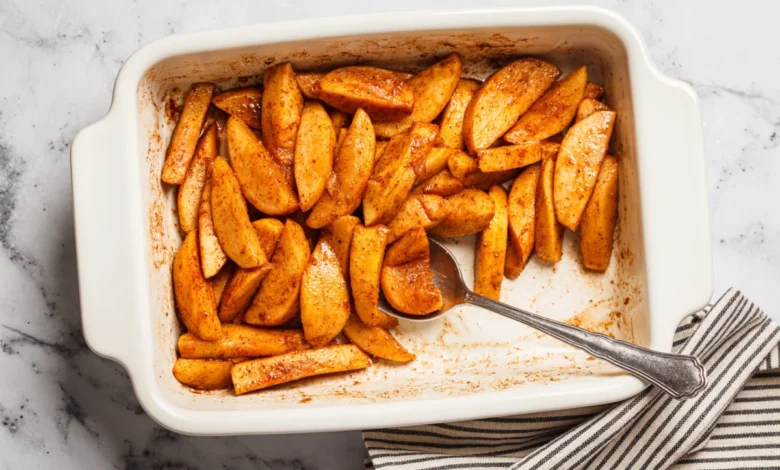
The culinary world is currently witnessing a significant shift toward accessible, wholesome, and rapid home-cooking solutions, with a particular emphasis on seasonal comfort foods that require minimal preparation. Among the myriad recipes capturing the attention of home cooks, nutritionists, and culinary bloggers alike is a deceptively simple dish: 15-minute caramelized cinnamon maple apple slices. Combining tender fruit, natural sweeteners, and aromatic spices, this single-skillet preparation has rapidly evolved from a basic breakfast topping into a versatile gastronomic staple. As modern consumers increasingly seek out refined-sugar alternatives and quick-fix meal enhancements, this humble apple dish offers a timely study in how traditional ingredients can be optimized for contemporary dietary preferences.
The Origins and Background of Skillet Fruit Preparation
The practice of sautéing and simmering fruit in butter and spices has deep historical roots across European and North American culinary traditions. Historically, cooking apples served a dual purpose: preserving excess autumn harvests before spoilage and softening tougher varieties for easier consumption. In colonial American kitchens, apples were frequently cooked down with local sweeteners such as honey, molasses, or early maple syrup, creating staple accompaniments for pork, oatmeal, and heavy winter porridges.
However, the modern iteration of the caramelized apple slice—specifically one optimized for a 15-minute turnaround time—reflects a distinctly modern intersection of nutrition and convenience. Culinary historians note that as work-week schedules became more compressed throughout the late 20th and early 21st centuries, traditional slow-cooked apple dishes like classic apple butter or baked apples were largely relegated to weekend baking projects. The recent resurgence of quick-skillet methods bridges this gap, offering the rich, complex flavors of slow-simmered desserts within the time constraints of a Tuesday morning routine.
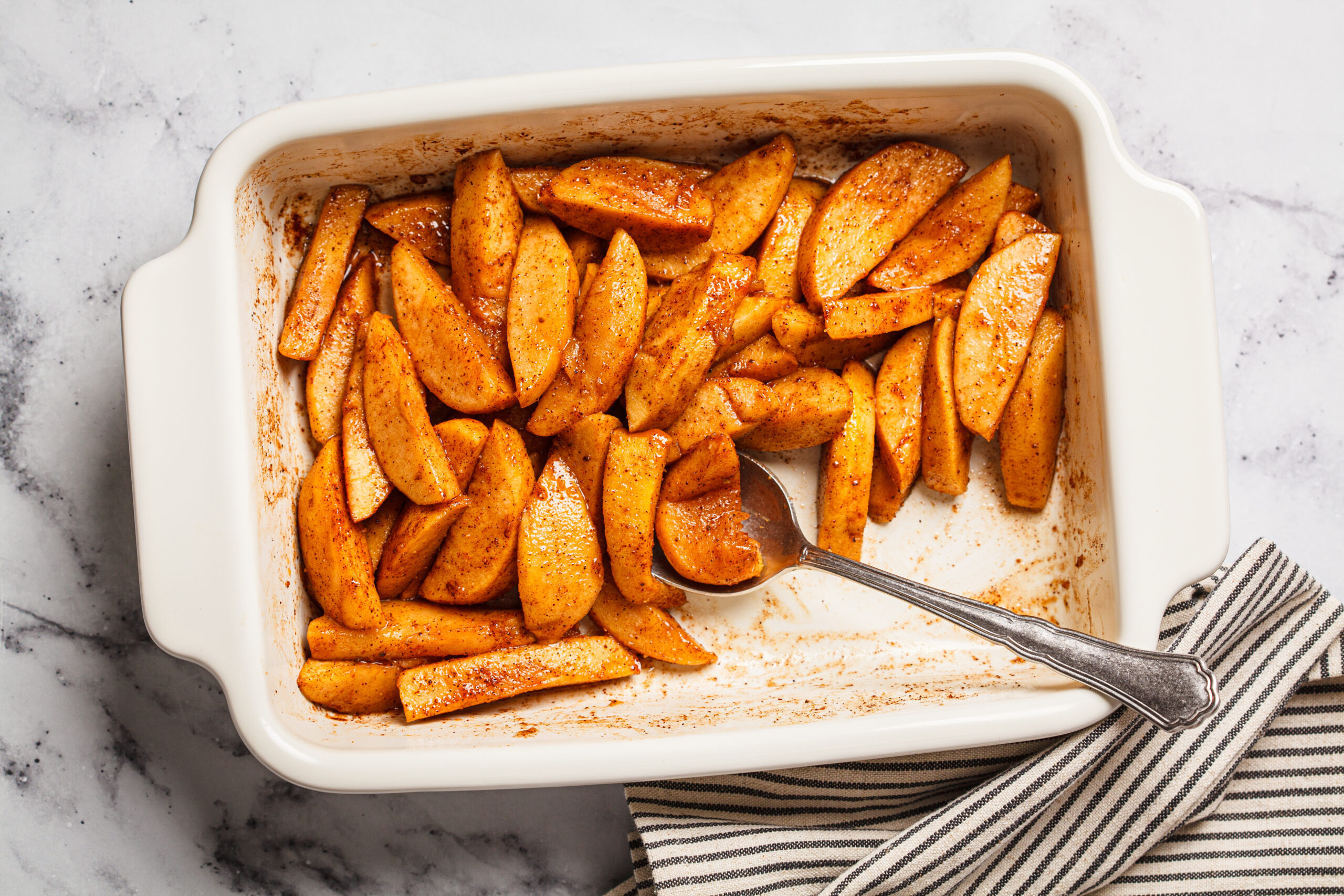
Anatomical Breakdown of a 15-Minute Recipe
Achieving restaurant-quality caramelized apples in just a quarter of an hour requires a precise understanding of ingredient behavior and heat management. According to culinary experts and recipe developers, the process relies on a synergy between the natural pectin and sugars within the fruit and external catalysts like butter and pure maple syrup.
The timeline for preparation is rigorously streamlined:
- Minutes 0 to 5 (Preparation and Slicing): Apples must be cored and sliced to a uniform thickness of approximately one-quarter of an inch. Culinary data indicates that uniformity is the single most critical factor in preventing uneven cooking, ensuring that thinner slices do not disintegrate into applesauce while thicker pieces remain raw.
- Minutes 5 to 10 (The Sauté): Slices are introduced to a heated skillet containing a moderate amount of butter or a plant-based alternative. Medium heat is maintained to gently draw out the natural juices of the fruit without burning the delicate milk solids in the butter or scorching the sugars in the syrup.
- Minutes 10 to 15 (Reduction and Coating): Pure maple syrup and ground cinnamon are added toward the final stages of cooking. As the moisture evaporates, the maple sugars and apple juices combine to form a glossy, viscous coating that clings to the exterior of each slice, mimicking the sensory experience of traditional caramel without the need for refined white sugar or heavy cream.
Nutritional Implications and Dietary Versatility
From a nutritional standpoint, the widespread adoption of maple-sweetened fruit aligns with broader public health trends favoring unrefined sugars and antioxidant-rich whole foods. Pure maple syrup, a grading system-regulated product derived directly from the sap of sugar maple trees, contains trace amounts of minerals such as zinc and manganese, along with various polyphenols that exhibit antioxidant properties. While it remains a source of sucrose and calories, its glycemic index is generally considered lower than that of refined white sugar, making it a preferred choice for health-conscious consumers.
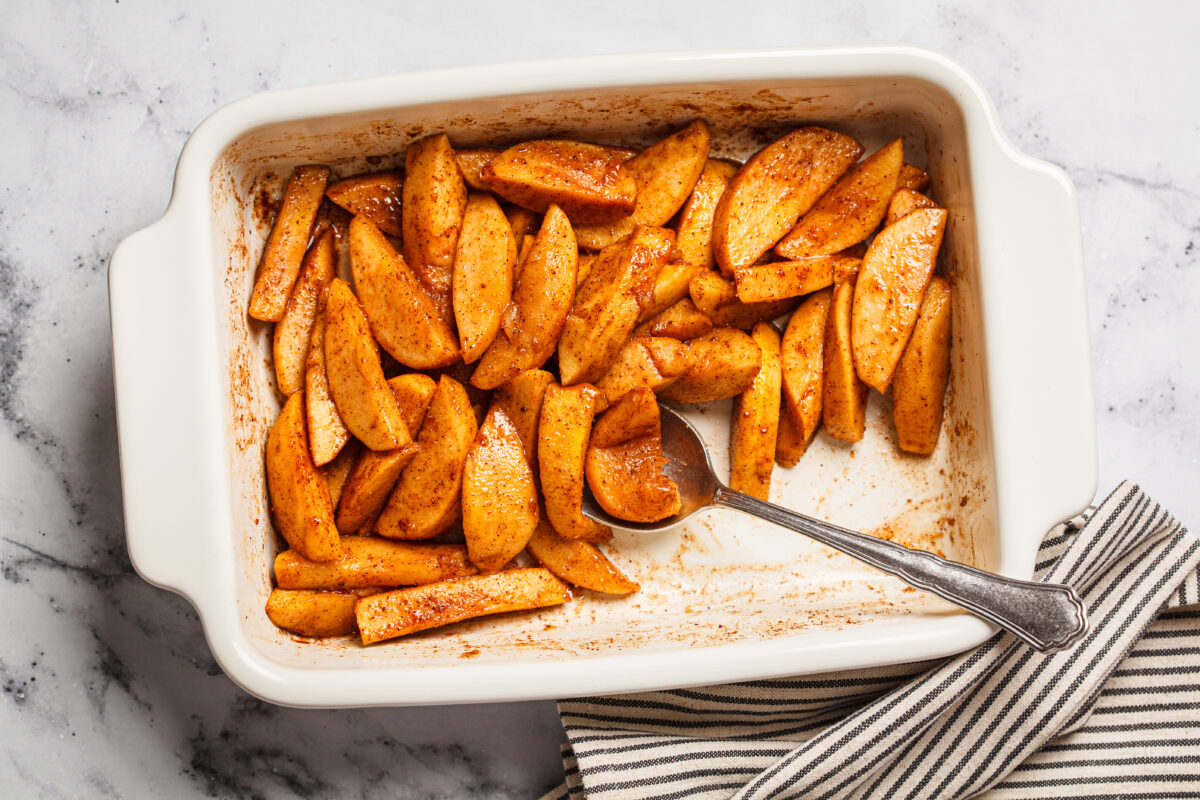
Furthermore, apples themselves are widely endorsed by dietitians for their high dietary fiber content—specifically soluble fiber in the form of pectin—as well as vitamin C and various phytochemicals. Cooking apples gently breaks down the cell walls, which can enhance the bioavailability of certain antioxidants and make the fruit easier to digest for individuals with sensitive gastrointestinal tracts.
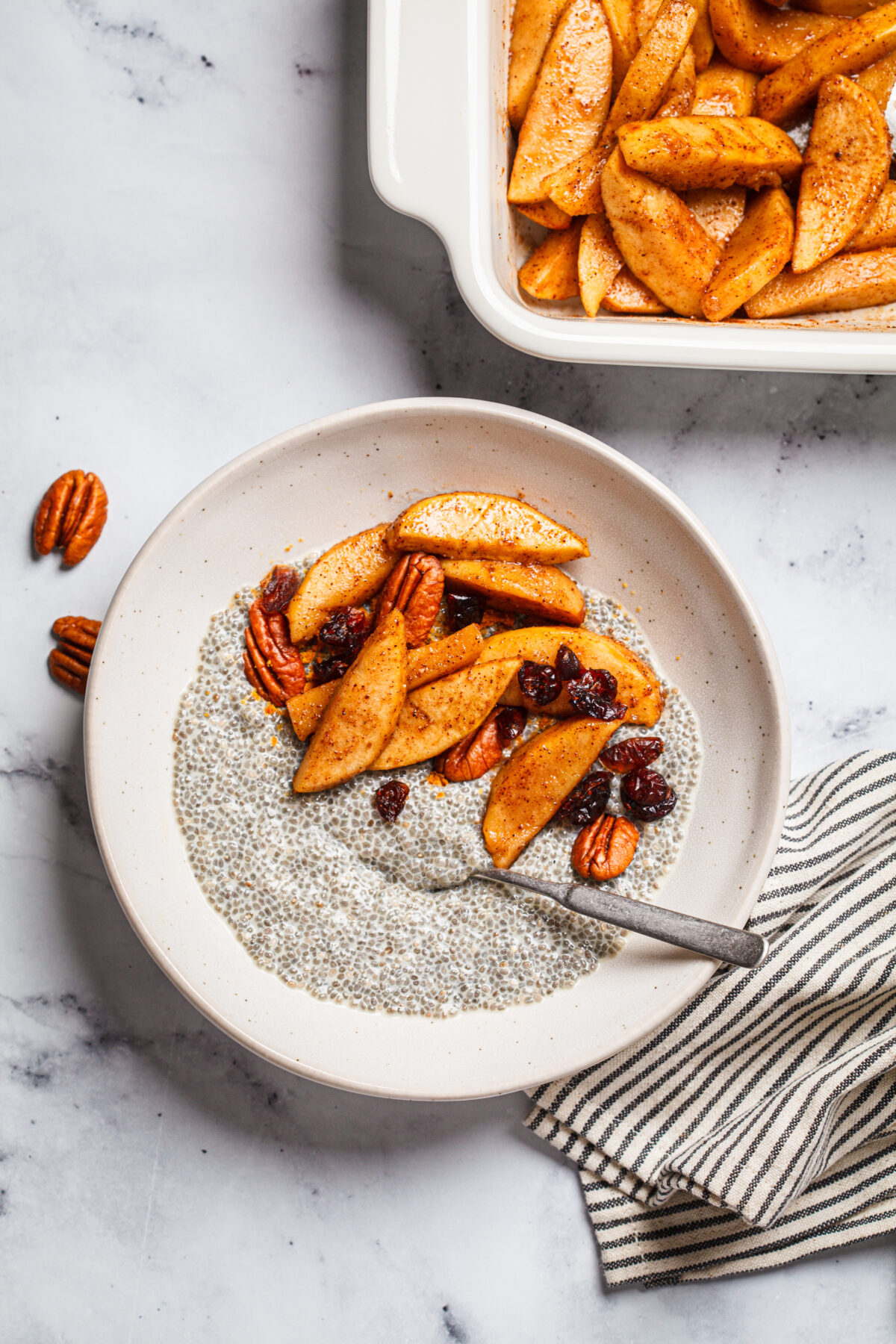
The recipe’s adaptability has also contributed to its widespread appeal across various dietary frameworks. By substituting traditional dairy butter with coconut oil or vegan margarine, the dish seamlessly transitions into plant-based and dairy-free diets. Additionally, the optional inclusion of toasted pecans and dried cranberries introduces healthy fats, plant-based proteins, and tart flavor contrasts, elevating the dish’s nutritional density and sensory profile.
Culinary Versatility and Consumer Application
Market analysis of home-cooking trends indicates that consumers increasingly favor multi-functional ingredients that can be repurposed across multiple meals throughout the week. The caramelized apple slice exemplifies this trend through its remarkable versatility.
Data compiled from culinary platforms demonstrates that home cooks utilize these apples across four primary meal categories:
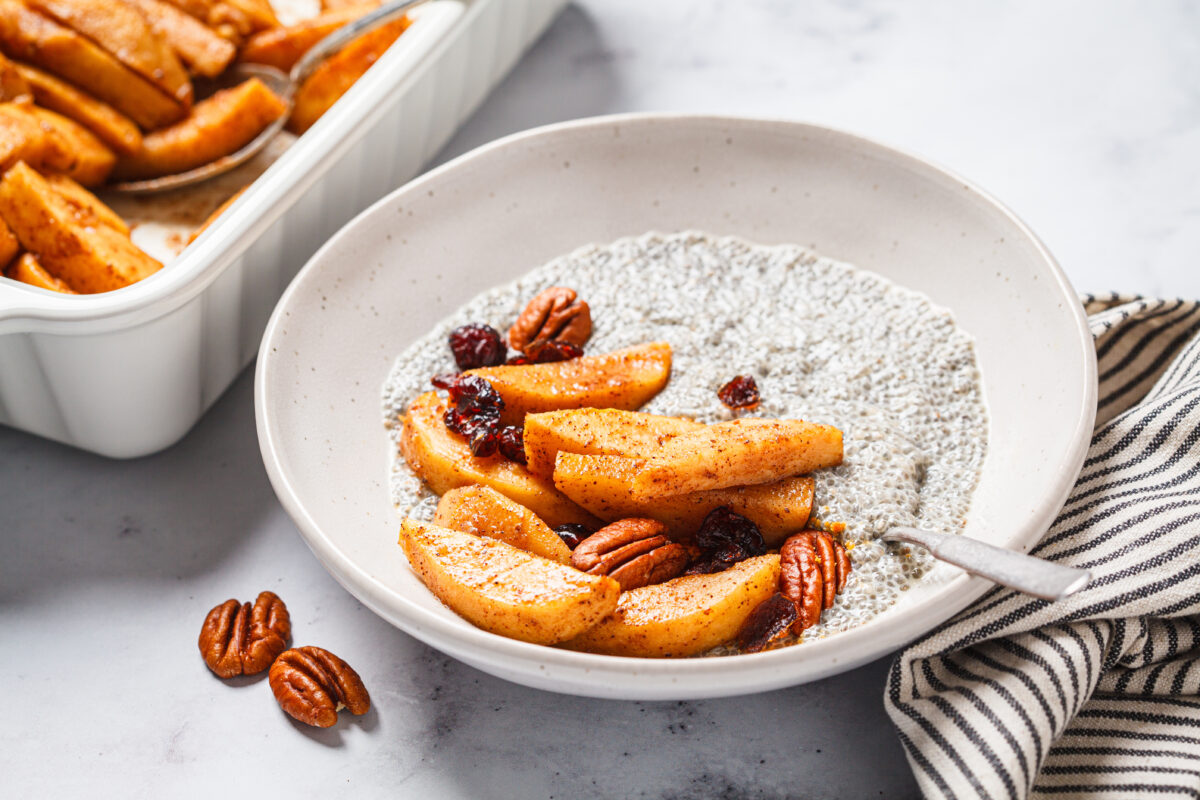
- Breakfast Enhancement: Spooned over Greek yogurt, stirred into morning oatmeal, or layered into chia seed puddings to add natural sweetness and warmth.
- Pancake and Waffle Toppings: Serving as a nutrient-dense, fruit-forward alternative to high-fructose commercial maple syrups.
- Rapid Dessert Solutions: Layered with vanilla bean ice cream or folded into puff pastry for an expedited take on classic apple tarts.
- Meal-Prep Storage: Maintained in airtight containers for up to four days, allowing consumers to batch-cook the apples on Sunday and integrate them into weekday menus with minimal effort.
Expert Analysis and Industry Reception
Food scientists and professional chefs have weighed in on the resurgence of quick-skillet fruit preparations, noting that they represent a broader consumer desire for sensory comfort during periods of economic and social uncertainty. Food marketing analysts observe that flavors associated with baking—such as cinnamon, nutmeg, and warm maple—trigger psychological responses related to safety, nostalgia, and domestic well-being.
"When consumers face high-stress environments, there is a measurable spike in the search for comfort foods," notes Dr. Elena Vance, a food culture researcher based in Chicago. "However, contemporary consumers also retain a strong commitment to health and wellness. Dishes like maple-caramelized apples bridge that gap perfectly. They offer the psychological comfort of a heavy dessert while utilizing whole, minimally processed ingredients that fit neatly into a health-conscious lifestyle."
Furthermore, professional kitchens have long utilized quick-sautéed fruit techniques for à la carte service, proving that speed does not necessitate a compromise in quality. By controlling the heat and timing, home cooks can replicate the texture of a slow-baked apple dessert in the time it takes to brew a pot of coffee.
Best Practices for Flawless Execution
To achieve optimal results when preparing caramelized apple slices at home, culinary professionals recommend adhering to several time-tested guidelines:
- Variety Selection: Firmer, tart-to-sweet apple varieties—such as Honeycrisp, Granny Smith, Braeburn, or Fuji—hold their structural integrity significantly better under heat than softer, mealy varieties like Red Delicious.
- Heat Regulation: Utilizing medium rather than high heat is essential. High heat will cause the maple syrup to burn and bitter before the interior of the apple has time to soften.
- Storage Management: Leftovers should be cooled completely prior to refrigeration to prevent condensation from diluting the caramel coating. Reheating is best achieved gently on a stovetop skillet with a splash of water to restore the sauce’s original viscosity.
Broader Economic and Agricultural Impacts
The popularity of versatile apple recipes also carries positive implications for the agricultural sector. Apples remain one of the most widely cultivated tree fruits in North America and Europe, with stable supply chains ensuring year-round availability. By providing consumers with quick, enticing ways to utilize fresh fruit before it over-ripens, such recipes contribute indirectly to the reduction of household food waste—a critical metric for sustainability advocates and environmental policymakers.
As home cooking continues to evolve in the wake of shifting lifestyle patterns, the enduring appeal of the 15-minute caramelized apple slice underscores a fundamental truth of modern gastronomy: the most successful recipes are those that harmonize speed, nutritional value, and uncompromising flavor. Whether integrated into a complex breakfast bowl or consumed straight from the skillet on a brisk autumn afternoon, this simple culinary technique demonstrates that exceptional food requires neither excessive time nor complicated ingredients.
Related posts: