Fueling the Next Generation: A Comprehensive Guide to High-Protein, Nutrient-Dense Snacks for Young Athletes


Between the demands of the modern school curriculum, after-school practices, weekend tournaments, and club activities, the physical output required of today’s youth athletes often mirrors that of adult competitors. As youth sports participation continues to surge globally—with millions of children engaging in organized athletics weekly—sports nutritionists and pediatric dietitians are placing renewed focus on how growing bodies recover from intense exertion. Proper physical fueling is no longer viewed merely as a luxury for elite teenagers; it is recognized as a fundamental component of safe athletic development, injury prevention, and sustained energy for children of all ages.
The nutritional demands of a physically active child extend far beyond simple calorie replacement. Growing bones, developing nervous systems, and continuously repairing muscle tissues require a complex array of macronutrients and micronutrients. While protein frequently dominates marketing campaigns for commercial sports products, pediatric nutrition specialists emphasize that carbohydrates, healthy fats, vitamins, minerals, and proper hydration are equally critical for athletic success and baseline health.
The Physiological Foundations of Youth Sports Nutrition
Understanding what constitutes an optimal sports snack requires examining how children’s bodies process energy during physical activity. Unlike adults, children and adolescents utilize varying metabolic pathways during exercise, often relying heavily on stored carbohydrates (glycogen) for short bursts of high-intensity activity, such as sprinting down a soccer field or tumbling in gymnastics.
When a child exercises, microscopic tears occur in the muscle fibers, and energy stores are systematically depleted. Replenishing these stores requires a strategic combination of macronutrients, particularly when consumed in the crucial recovery window immediately following activity.
The Core Nutritional Components
- Proteins: Essential for repairing and building muscle tissue. High-quality sources include Greek yogurt, cottage cheese, eggs, legumes, nuts, seeds, and lean poultry.
- Carbohydrates: The primary fuel source for high-intensity movement. Whole grains, fresh fruits, oats, and starchy vegetables restore glycogen levels in the liver and muscles, staving off fatigue.
- Healthy Fats: Critical for sustained energy reserves during longer endurance activities, such as distance running or multi-game tournament days. Avocados, nut butters, and seeds provide dense, long-burning energy.
- Hydration and Electrolytes: Water regulation is vital. Dehydration can impair both cognitive function and athletic performance, making fluid intake an indispensable part of any snack strategy.
Historically, parents seeking convenient solutions turned to commercial sports bars, meal-replacement shakes, and specialized powders. However, recent analyses by pediatric health organizations suggest that whole-food alternatives are not only more cost-effective but often superior in delivering a diverse spectrum of vitamins and minerals without artificial additives or excessive added sugars.
Essential Whole-Food Snack Categories for Active Children
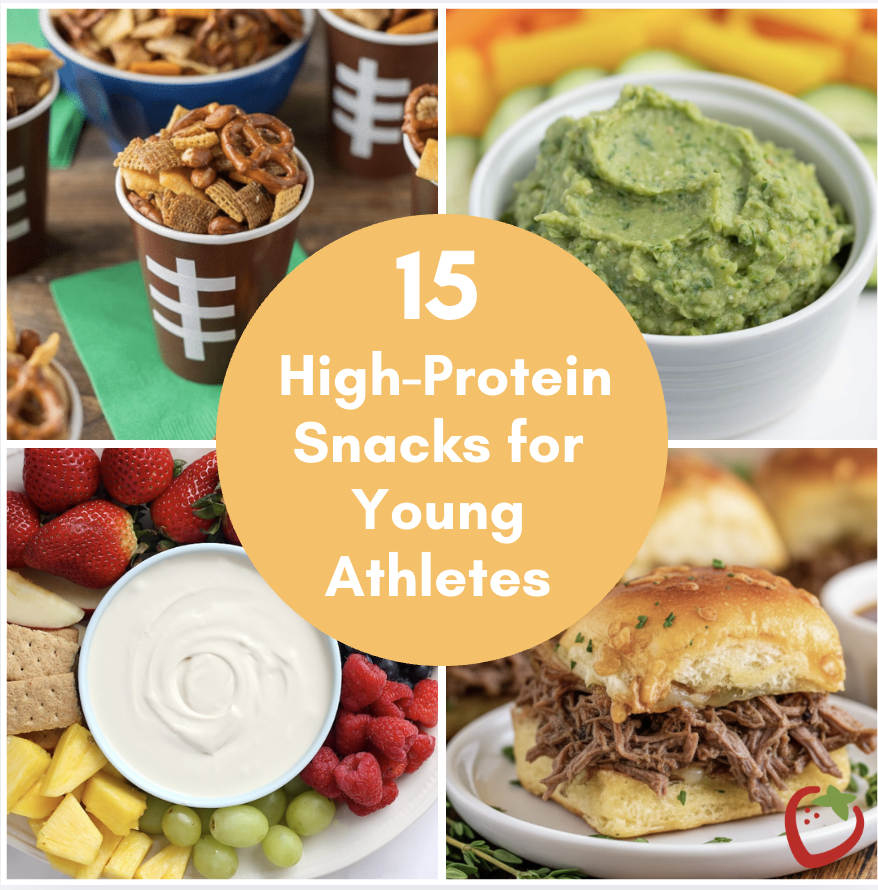
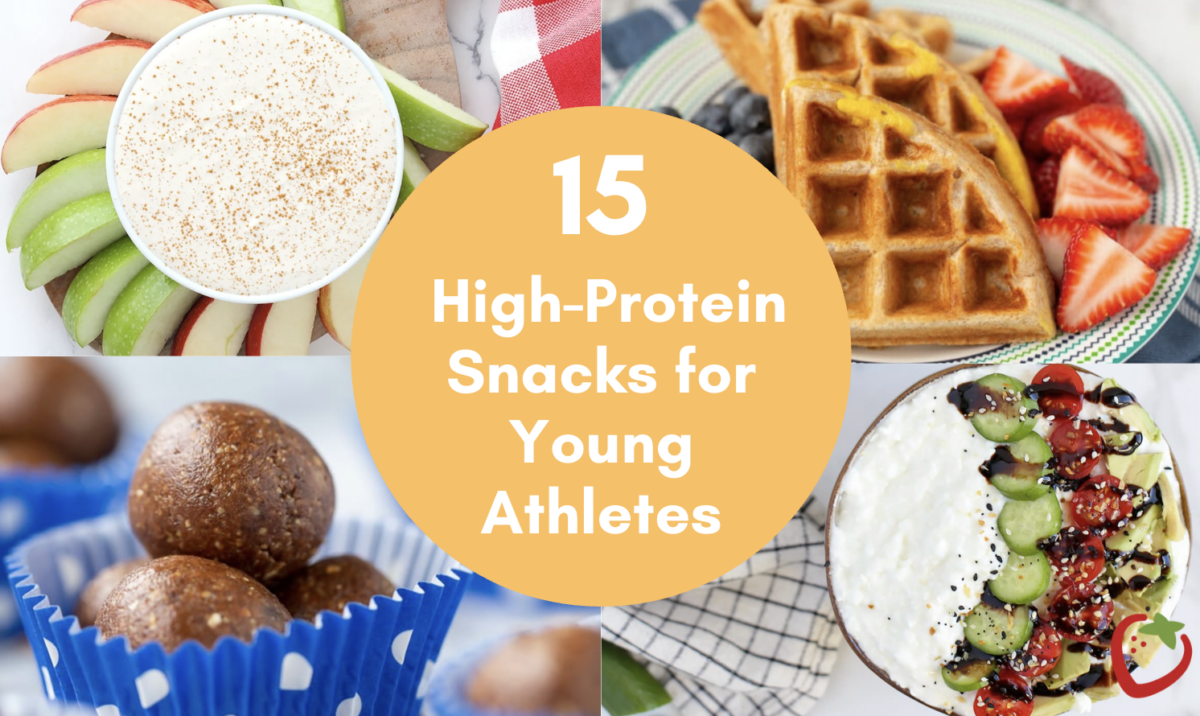
To bridge the gap between nutritional science and practical parenting, culinary and health experts have curated a diverse array of accessible, high-protein snack recipes designed specifically for active households. These options eliminate the need for expensive commercial supplements, relying instead on pantry staples and fresh ingredients.
1. Dairy-Based Powerhouses
Dairy products naturally bridge the gap between protein and carbohydrates.

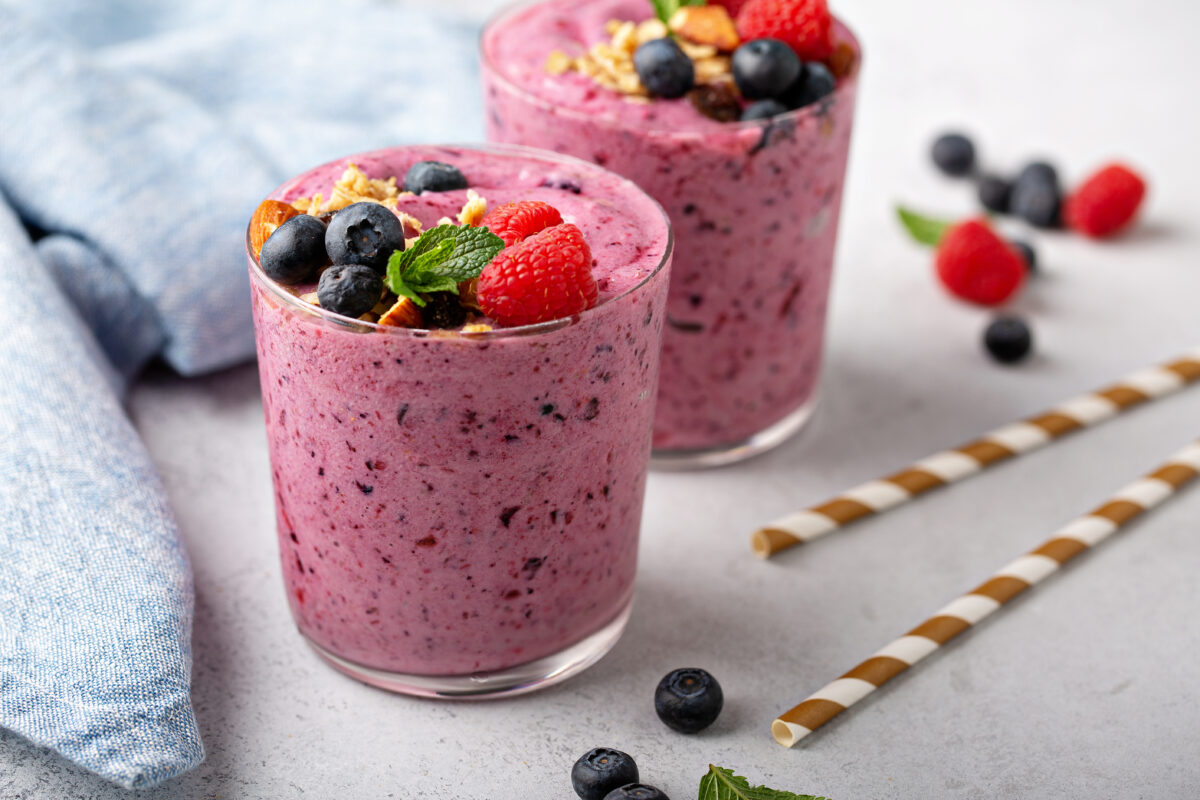
- Mixed Berry Protein Smoothies: Blending frozen berries, bananas, Greek yogurt, and milk yields a cold, refreshing beverage that delivers immediate carbohydrates alongside thick, casein-and-whey-based protein. The addition of chia seeds or ground flaxseed introduces essential omega-3 fatty acids.
- High-Protein Cottage Cheese Bowls: Offering approximately 17 grams of protein per serving, cottage cheese serves as a versatile canvas. Sweet iterations incorporate berries and honey, while savory versions feature diced tomatoes, cucumbers, and a drizzle of olive oil.
- Blueberry Protein Popsicles: A seasonal favorite, these frozen treats combine Greek yogurt, milk, and antioxidant-rich blueberries to cool down athletes after hot summer practices.
2. Plant-Based and Portable Energy Bites
For families constantly on the move between school and the athletic field, portability is paramount.
- Peanut Butter Fudge Protein Energy Balls: Composed of whole foods like rolled oats, dates, cocoa, and natural nut butter, these bite-sized snacks provide approximately 8 grams of plant-based protein per serving. Sunflower seed butter can easily be substituted for nut-free environments.
- Chia Seed and Oat Bites: Simple mixtures of oats, honey, vanilla, and chia seeds require no baking and offer a steady release of complex carbohydrates and healthy fats.
3. Savory Legume-Based Snacks
Moving away from sweet profiles, legumes provide an exceptional foundation for protein and fiber.

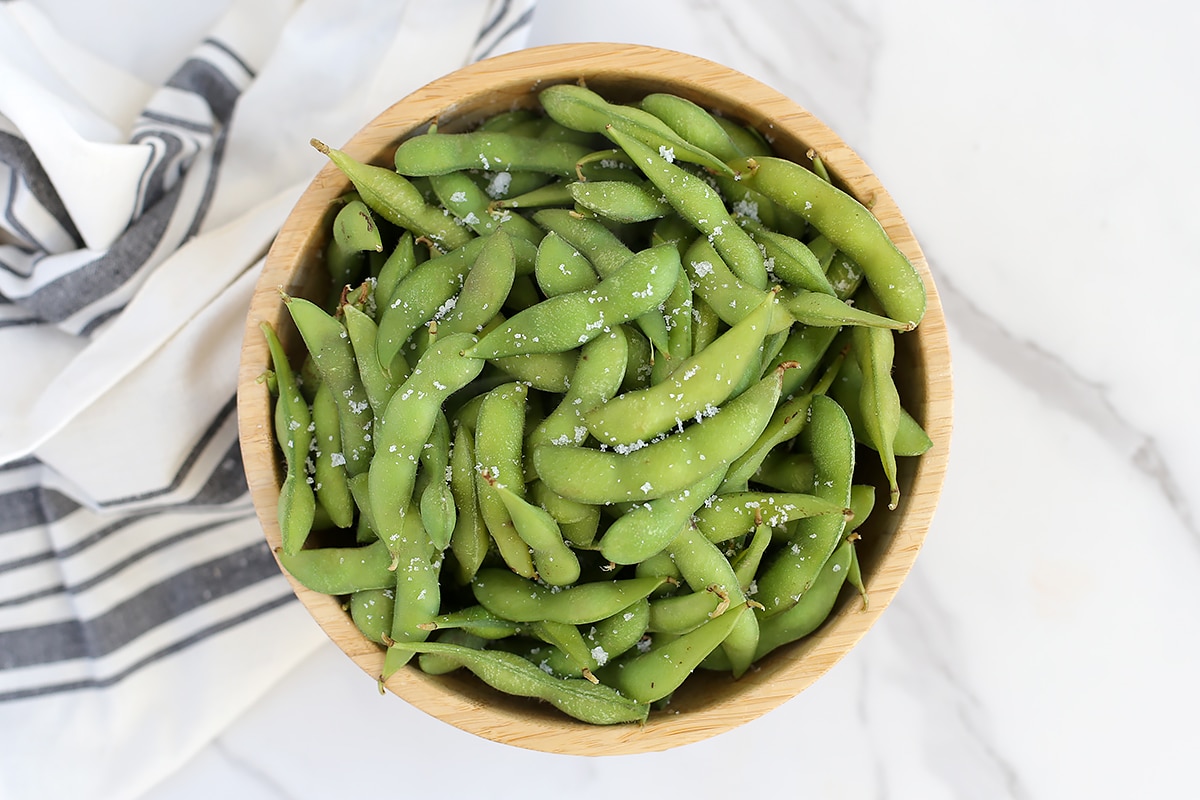
- Easy High-Protein Edamame: Simply steamed and lightly salted, shelled edamame is a finger food packed with plant-based protein and micronutrients.
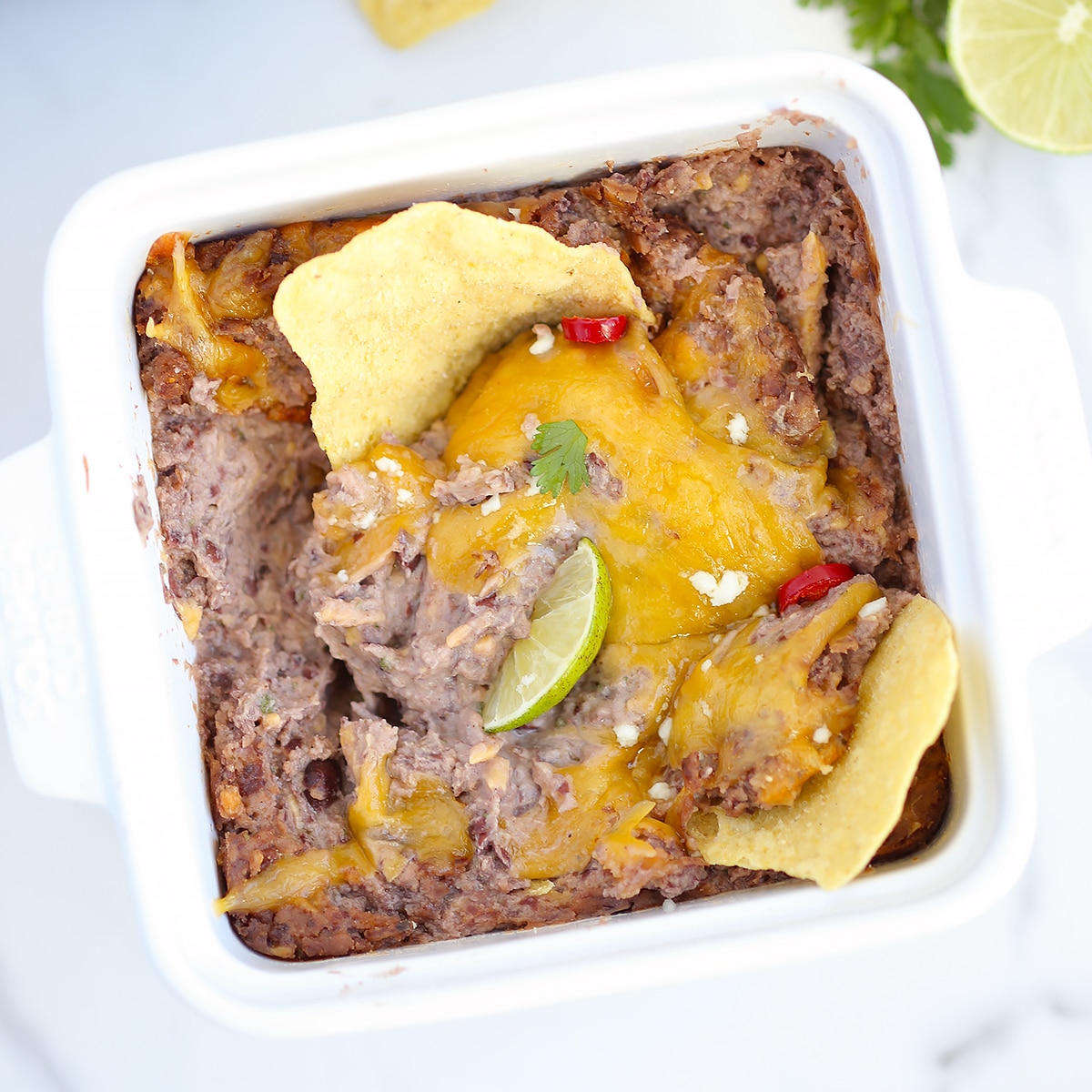
- High-Protein Black Bean Dip: Blending black beans with Greek yogurt and mild spices yields a dip offering roughly 14 grams of protein per serving, perfectly paired with whole-grain tortilla chips or raw bell pepper strips.
- Roasted Chickpeas and Peas: Crispy roasted chickpeas—available in flavors ranging from cinnamon sugar to savory barbecue—and roasted green peas offer a crunchy, fiber-rich alternative to processed potato chips.
4. Baked Goods with a Nutritional Upgrade
- Kid-Friendly Protein Waffles: Incorporating Greek yogurt and eggs directly into whole-wheat waffle batter creates a freezer-friendly snack that yields up to 15 grams of protein per waffle.
- Raspberry Quinoa Smoothie: For older adolescents with larger appetites, blending cooked quinoa into a raspberry and Greek yogurt smoothie can deliver upward of 22 grams of protein, serving as a genuinely hearty post-workout meal replacement.
Strategic Timing: Pre- versus Post-Activity Fueling
The efficacy of a sports snack is largely dictated by timing. Pediatric nutrition guidelines separate athletic nutrition into distinct pre- and post-event phases to maximize performance and recovery.
Pre-Activity Protocols
When fueling a child prior to a game or practice, the primary objective is topping off energy reserves without causing gastrointestinal distress.
- Timing: If consumption occurs 1 to 2 hours before exercise, a balanced snack combining complex carbohydrates and a modest amount of protein—such as oatmeal with sliced fruit or a small whole-wheat wrap—is ideal.
- Immediate Pre-Game: If the child is eating within 30 minutes of the event, portions should be significantly reduced, favoring easily digestible carbohydrates like a banana or applesauce to provide rapid energy without heavy digestion demands.
Post-Activity Recovery
Following physical exertion, the nutritional focus shifts immediately to repair and replenishment.
- The Recovery Window: Within 30 to 60 minutes after ending activity, young athletes benefit most from a combination of carbohydrates to restore glycogen and protein to repair micro-tears in muscle tissue.
- Recommended Pairings: Effective post-practice combinations include chocolate milk and a piece of fruit, Greek yogurt with berries, or whole-grain crackers paired with cheese sticks. Hydration with plain water remains mandatory throughout.
Addressing the Protein Powder Debate
A frequent point of discussion among parents of adolescent athletes is the safety and necessity of commercial protein powders and specialized sports supplements. According to consensus statements from pediatricians and sports dietitians, healthy young athletes generally do not require protein powders.
Standard dietary intake—comprising milk, eggs, lean meats, poultry, fish, legumes, dairy, and whole grains—is more than sufficient to meet the elevated protein requirements of growing athletes. Introducing concentrated supplements into a child’s diet carries potential risks, including gastrointestinal distress, exposure to unregulated contaminants or heavy metals in poorly regulated supplement markets, and displacement of other essential whole-food nutrients. Experts strongly advise consulting a pediatrician or registered sports dietitian before incorporating any supplement regimen into an underage athlete’s routine.
Broader Implications for Youth Health and Athletics
The rising emphasis on evidence-based sports nutrition for children highlights a broader cultural shift in youth athletics. As competitive pressures mount at earlier ages, structured nutritional guidance helps safeguard children against burnout, chronic fatigue, and preventable injuries.

Furthermore, establishing wholesome dietary habits during childhood lays the groundwork for lifelong metabolic health. By replacing processed convenience foods with nutrient-dense, high-protein snacks prepared at home, families not only enhance athletic performance on the field but also foster sustainable wellness practices that extend well beyond their children’s playing years.