The Ultimate Guide to Baking a Warm, Juicy, and Butter-Topped Homemade Peach Cobbler From Scratch

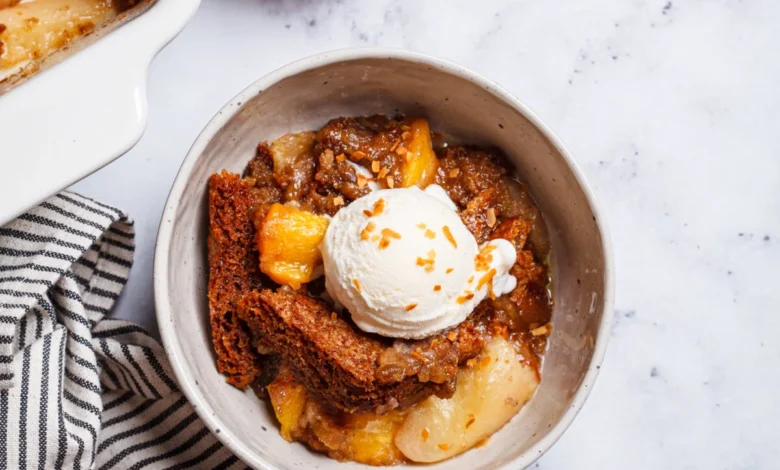
The aroma of warm peaches, butter, and cinnamon wafting through a kitchen is one of the definitive sensory markers of the summer season. For generations, home cooks have turned to the traditional peach cobbler as a quintessential American dessert, valuing it for its rustic simplicity and comforting flavor profile. Unlike intricate fruit pies that demand hours of chilling, precise rolling, and meticulous crimping, the classic cobbler offers an approachable path to a scratch-made dessert. By placing a sweet, bubbling fruit filling beneath a soft, biscuit-like golden topping, bakers can achieve a decadent balance of textures without the technical hurdles of traditional pastry arts.
Culinary history shows that the cobbler was born out of necessity among early American settlers. Lacking the proper equipment, deep-dish pie pans, and precise ingredients of European bakeries, pioneers adapted British baked puddings and meat pies using local materials. They created thick, biscuit-style doughs dropped by the spoonful—resembling a cobbled stone street, hence the name—over whatever stewed fruit was available. Today, this historic dessert remains a staple of family gatherings, backyard barbecues, and weeknight dinners, proving that simple, wholesome ingredients often yield the most memorable culinary results.
Selecting the Ideal Fruit: Fresh, Frozen, and Canned Options
The foundation of any exceptional peach cobbler is, unequivocally, the quality of the fruit. Culinary experts and professional pastry chefs emphasize that a cobbler can only be as flavorful as the peaches used to make it. During peak summer months—typically spanning from June through August—freestone peaches picked at peak ripeness offer the optimal balance of natural sugars, acidity, and juiciness. Ripe peaches yield slightly to gentle pressure and release a deeply fragrant, sweet aroma.
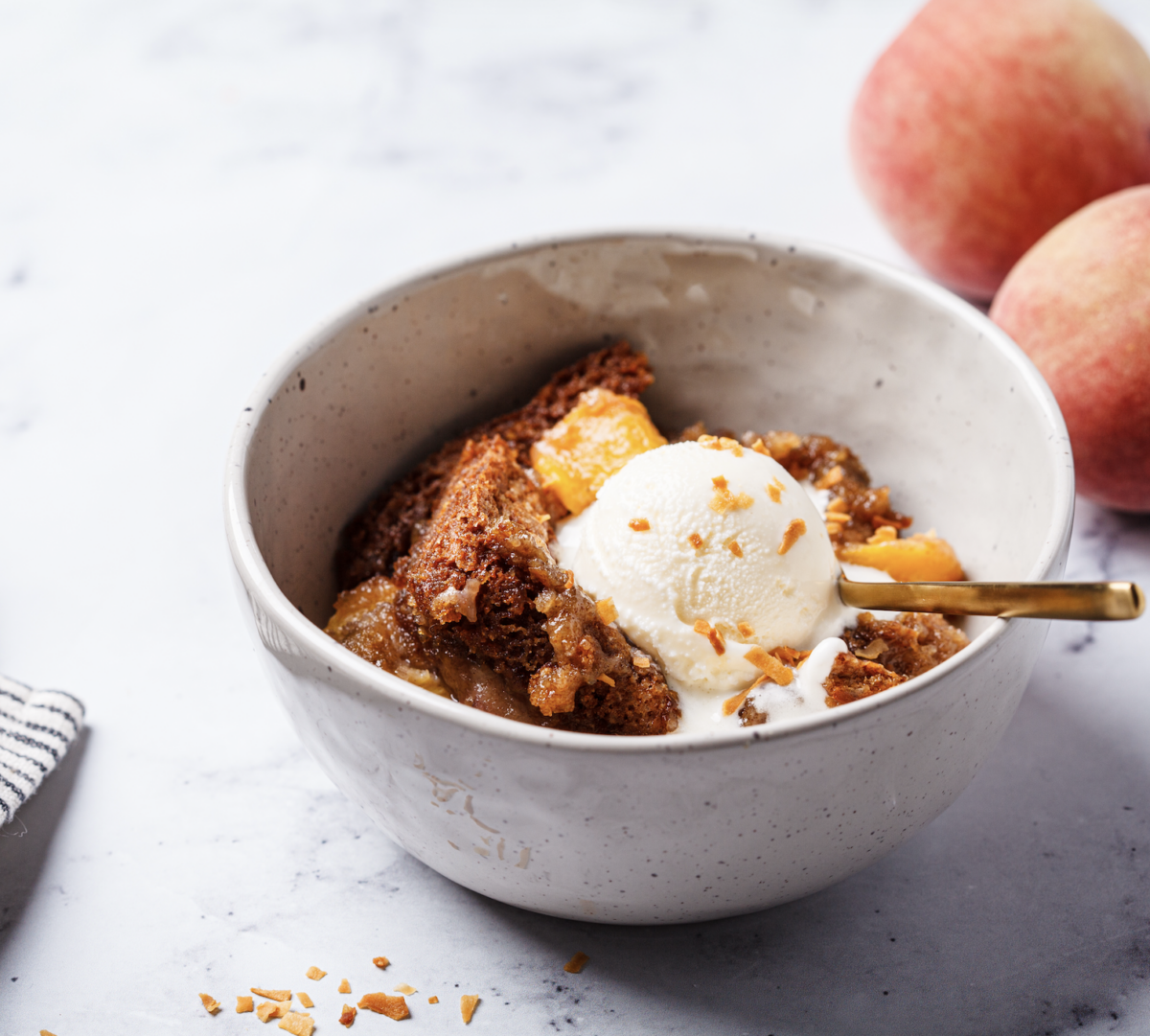
However, the enjoyment of peach cobbler is not strictly limited to the summer harvest. According to agricultural and culinary data, commercially frozen and canned peaches serve as reliable year-round alternatives when fresh, tree-ripened fruit is unavailable. When utilizing frozen peaches, bakers are advised to skip complete thawing if time is limited, though draining excess ice crystals prevents a watery filling. For canned alternatives, culinary guidelines recommend selecting fruit packed in 100% fruit juice rather than heavy syrup. Thoroughly draining the canned peaches and scaling back the added granulated sugar in the recipe ensures the dessert maintains its structural integrity and balanced sweetness.
Mastering the Science of the Cobbler Topping
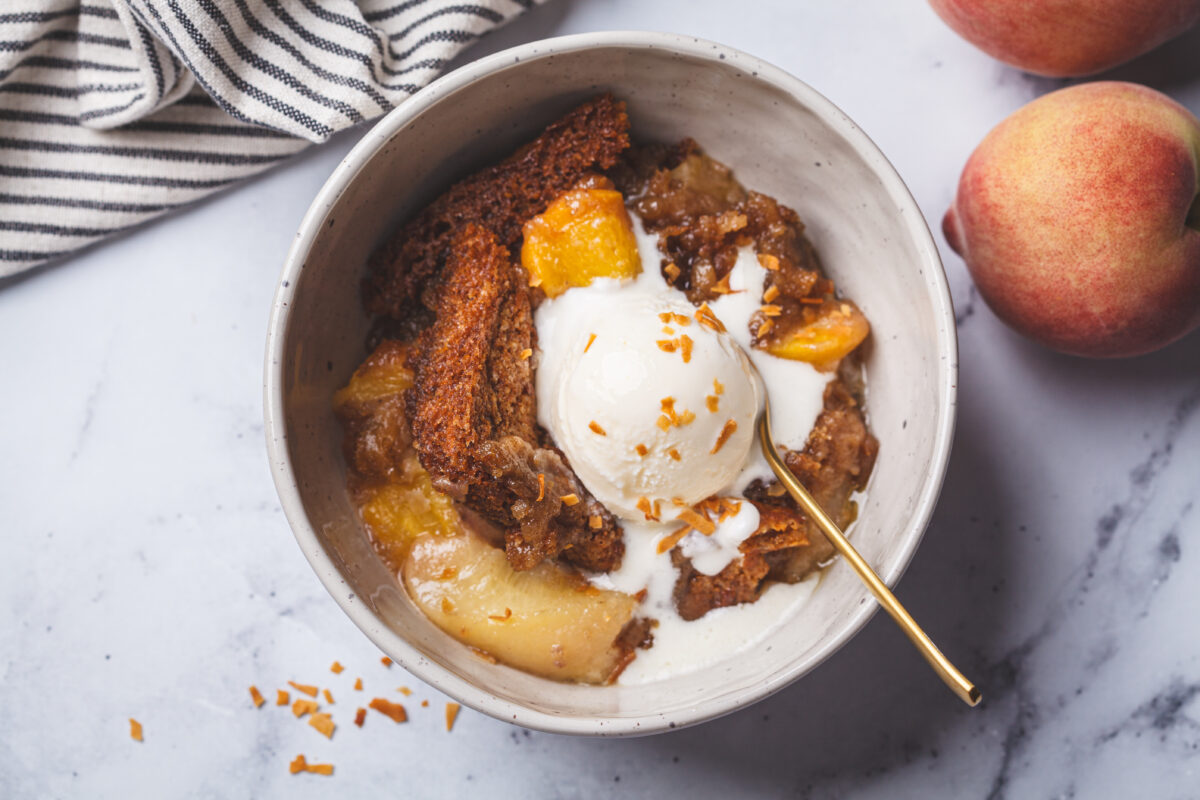
While the fruit provides the juicy, vibrant core of the dessert, the topping defines its structural and textural contrast. The hallmark of a well-executed cobbler is a tender, buttery topping that absorbs the bubbling fruit juices around its edges while retaining a soft, cake-like or biscuit-like crumb on top.
Achieving this texture requires careful attention to culinary science, specifically regarding fat temperature and mixing technique. Professional bakers stress the importance of keeping butter cold throughout the preparation process. Cold butter pieces release steam as the cobbler bakes in the oven, creating pockets of air that yield a lighter, more tender crumb. If kitchen temperatures cause the butter to soften prematurely, placing the mixing bowl in the refrigerator for five to ten minutes can restore the ideal consistency.
Furthermore, overmixing the batter is a common pitfall that leads to a dense, tough topping. Mixing the ingredients only until the dry and wet components just combine preserves the delicate gluten network, ensuring a melt-in-your-mouth texture. Leaving minor gaps in the topping layer—rather than sealing the fruit completely—serves a functional purpose as well. These small openings allow steam from the boiling fruit to escape, preventing a soggy crust and promoting the formation of thick, caramelized fruit edges.
Addressing Structural Integrity: Preventing a Runny Filling
One of the most frequent challenges home bakers encounter when preparing fruit cobblers is a runny, overly liquid filling. This culinary issue typically stems from two primary factors: using exceptionally juicy fruit without adjusting thickening agents, or failing to bake the dessert long enough to activate the starch.
Peaches possess a high water content, which naturally releases during the baking process. To counteract this, standard recipes incorporate cornstarch or all-purpose flour into the fruit mixture. When heated, these starches gelatinize, transforming the released juices into a rich, glossy syrup. If bakers are working with ultra-ripe, exceptionally juicy summer peaches, incorporating an additional half-teaspoon to a full teaspoon of cornstarch provides a reliable safeguard against a watery dessert.
Additionally, visual cues play a critical role in determining doneness. A golden-brown top crust is merely an indicator of surface baking; true doneness requires observing the perimeter of the baking dish. When the peach juices are visibly bubbling vigorously around the edges of the pan, it signals that the cornstarch has reached its activation temperature and successfully thickened the filling. Furthermore, allowing the cobbler to rest undisturbed for fifteen to twenty minutes prior to serving gives the internal starches time to cool and set, resulting in clean, structurally sound portions.
Customization and Regional Variations
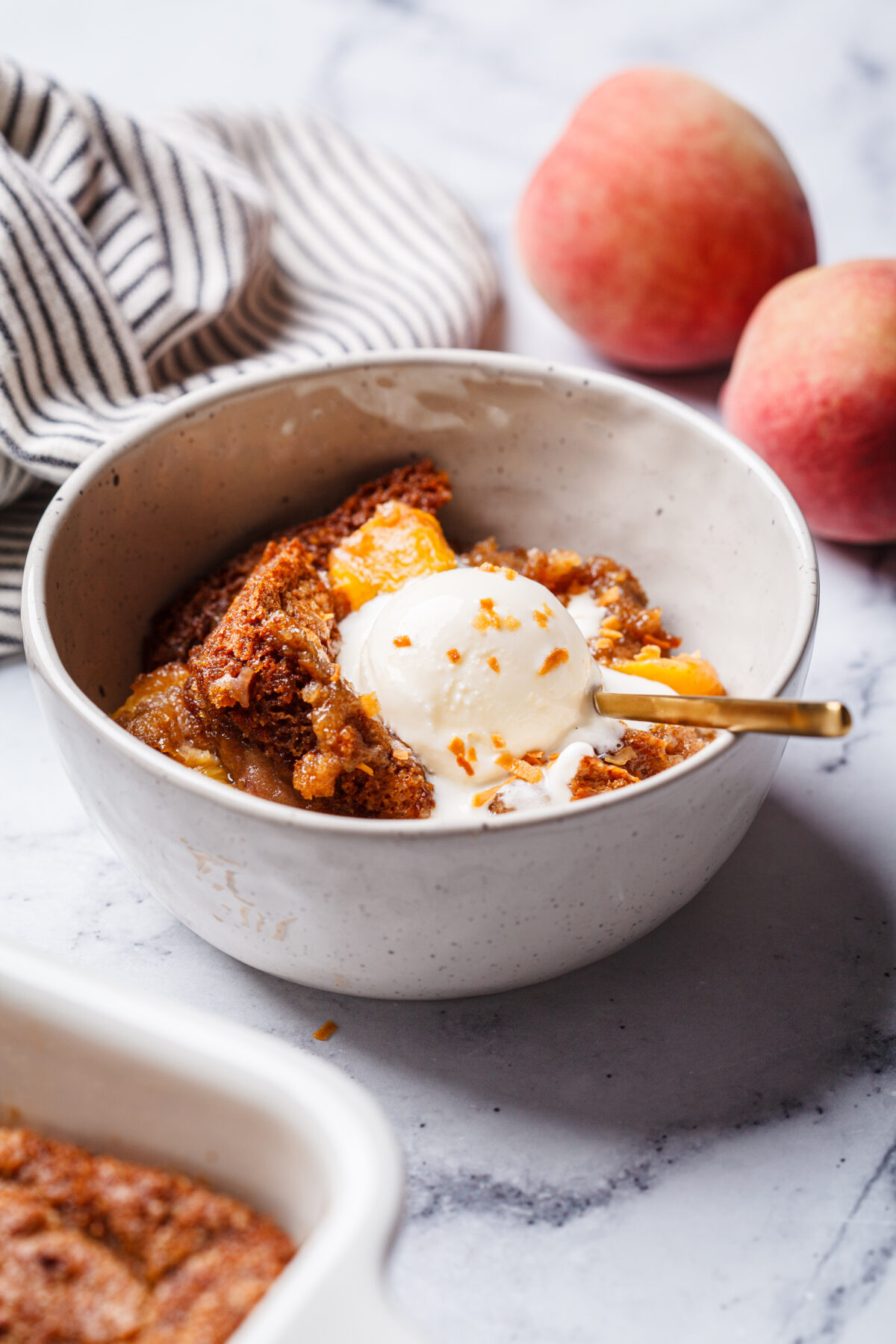
While the traditional combination of sliced peaches, sugar, cinnamon, and a buttery biscuit crust remains a beloved standard, culinary enthusiasts frequently adapt the recipe to suit personal preferences and seasonal availability. Regional variations across the American South and Midwest often incorporate buttermilk into the batter for added tang, or utilize a cake-like batter poured directly over melted butter in the baking dish, creating a self-rising crust that envelops the fruit.
Flavor enhancements can elevate the classic dessert profile significantly. Common additions include:
- Spices: Increasing ground cinnamon or introducing small amounts of ground ginger or freshly grated ginger root adds warmth and depth to the stone fruit.
- Extracts: A fraction of a teaspoon of pure almond extract pairs exceptionally well with peaches, imparting a subtle, bakery-style aroma.
- Mixed Berries: Replacing a portion of the peaches with fresh or frozen blueberries, raspberries, or blackberries introduces a pleasant tartness and striking color contrast.
- Textural Elements: Sprinkling chopped pecans or rolled oats over the topping prior to baking provides an enhanced crunch.
Dietary Modifications and Scalability
Modern home cooking increasingly accommodates various dietary restrictions without sacrificing flavor or texture. For individuals managing lactose intolerance or following plant-based diets, standard dairy butter can be seamlessly replaced with high-quality plant-based butter sticks, while plant-based milks can substitute for dairy in the topping mixture.
Bakers managing gluten sensitivities often experiment with white whole wheat flour, substituting up to half of the all-purpose flour for added fiber and a nuttier flavor profile, though using 100% whole grain flour will naturally yield a denser final product. For those seeking lower sugar intake, ripe and naturally sweet peaches allow for a reduction in added granulated sweeteners, provided the baker tastes the fruit beforehand to gauge its natural sugar levels.
The recipe’s inherent scalability also makes it ideal for both intimate family meals and large gatherings. Rather than overcrowding a single oversized pan—which can impede even heat distribution and prolong baking times—bakers can divide larger quantities across multiple baking dishes or individual oven-safe ramekins. Individual portions not only present an elegant plating option for dinner parties but also reduce baking times significantly, usually requiring only 25 to 30 minutes in the oven.
Make-Ahead, Storage, and Reheating Protocols
For hosts seeking to streamline event preparation, homemade peach cobbler offers convenient make-ahead capabilities. The sliced peach filling can be tossed with its sugar and thickening agents, covered, and refrigerated several hours in advance. Similarly, dry and wet components of the topping can be measured and prepared separately ahead of time. However, culinary professionals recommend assembling the fruit and topping immediately before baking to prevent the raw dough from absorbing excessive moisture from the fruit while sitting in the refrigerator.
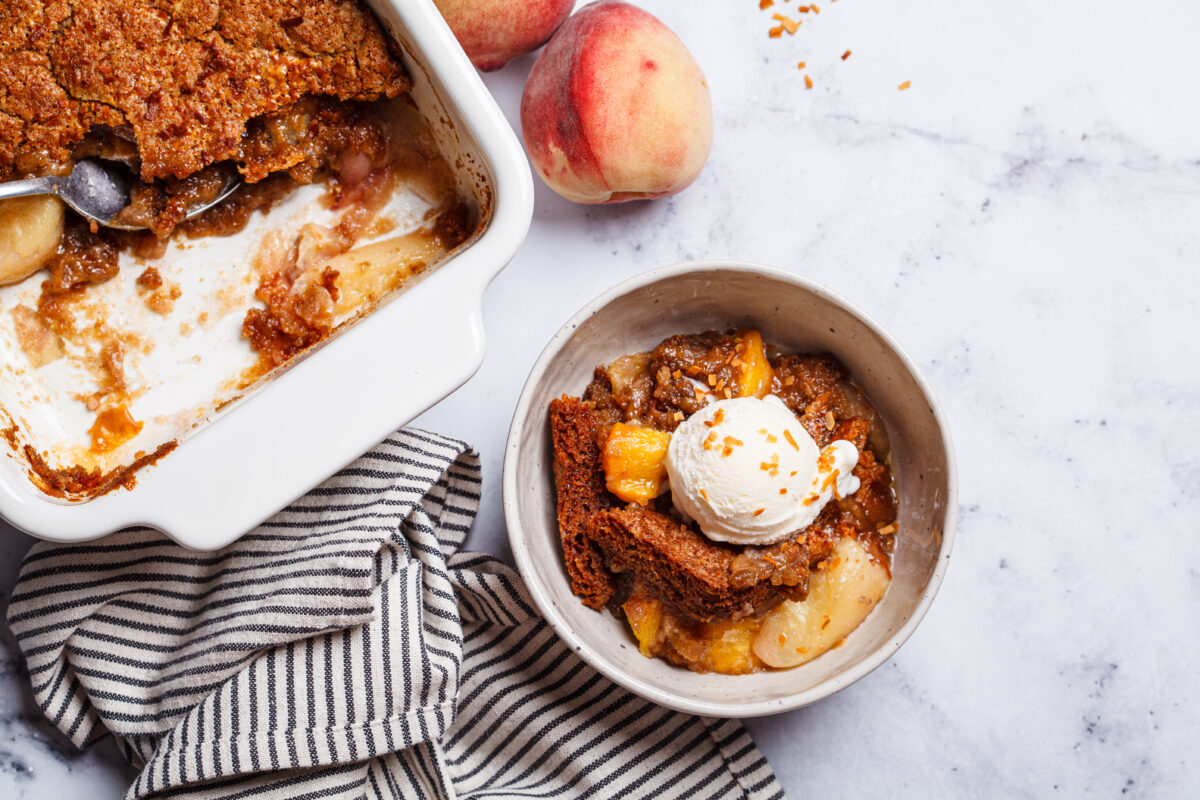
Leftover baked cobbler stores remarkably well when handled correctly. Once cooled to room temperature, the baking dish can be tightly wrapped or the contents transferred to an airtight container and refrigerated for up to four days. To restore the dessert to its freshly baked glory, individual portions can be warmed in a microwave, or the entire dish can be reheated in a preheated oven at 325 degrees Fahrenheit until warmed through and the crust regains its crisp texture.
For longer preservation, a fully baked and cooled peach cobbler can be wrapped securely in heavy-duty foil and frozen for up to three months. Thawing the dessert overnight in the refrigerator followed by a gentle reheating in a 325-degree oven ensures that busy households can enjoy the comforting taste of summer fruit long after the harvest season has drawn to a close. Served warm with a traditional scoop of vanilla bean ice cream or a dollop of freshly whipped cream, homemade peach cobbler endures as an evergreen favorite of American home baking.