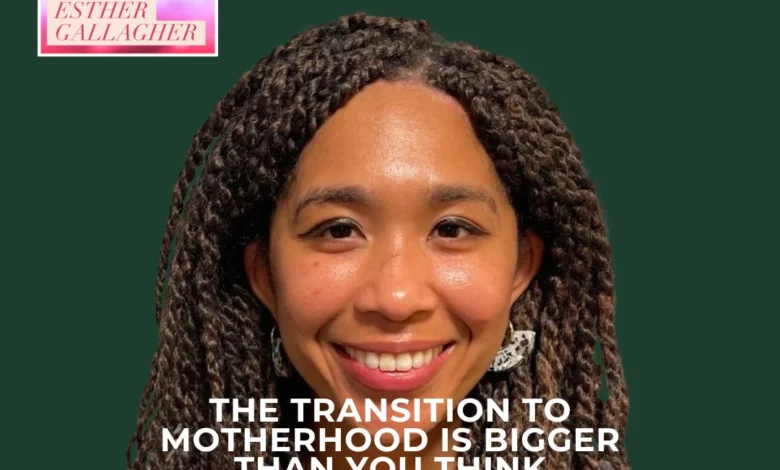
The arrival of a newborn is frequently heralded as one of life’s most joyous milestones, framed by cultural narratives that emphasize instantaneous fulfillment and bliss. Yet, beneath the surface of nurseries, baby showers, and congratulations lies a profound, often overwhelming psychological and physiological restructuring. For decades, modern society has tended to compartmentalize the challenges of early parenthood—treating sleeplessness, career disruption, relationship strain, and identity loss as isolated logistical hurdles rather than interconnected symptoms of a singular, monumental life phase.
Public health experts, maternal mental health researchers, and clinicians are increasingly pushing for a broader cultural acknowledgment of this transformation. By reframing the journey through the lens of developmental psychology and sociology, specialists hope to dismantle the unrealistic expectations placed on postpartum individuals, replacing isolation with comprehensive, systemic support.
Defining Matrescence: The Anthropological and Psychological Framework
To understand the scope of early parenthood, researchers often point to the concept of matrescence. Coined by anthropologist Dana Raphael in the 1970s and later expanded upon by contemporary psychologists and maternal health advocates, matrescence describes the developmental transition of entering motherhood. Much like adolescence, it is a period marked by radical physical, emotional, social, and psychological shifts.
However, unlike adolescence—which is culturally recognized as a tumultuous yet necessary phase of growth—matrescence is often expected to be an instinctive, seamless transition. When a new mother experiences disorientation, grief for her former life, or a fractured sense of identity, these feelings are frequently misinterpreted as personal failures or postpartum pathology, rather than normal psychological adaptation.
According to maternal mental health researcher and nurse educator Kelsey Green, DNP, recognizing matrescence as an ongoing developmental stage changes the conversation entirely. In a recent discussion on the Fourth Trimester Podcast, Green emphasized that the emotional complexity of early motherhood is not an indicator that something has gone wrong, but rather evidence that a profound metamorphosis is taking place.
The Anatomy of a Multidimensional Transition
The transformation into motherhood touches virtually every facet of human existence. From a biological perspective, the postpartum body undergoes rapid hormonal fluctuations following the expulsion of the placenta, alongside physical healing from childbirth, whether vaginal or via cesarean section. Sleep deprivation alters cognitive function, emotional regulation, and stress thresholds, creating a vulnerable physiological baseline.
Psychologically, the shift demands the construction of a new identity. A woman who was previously defined by her career, autonomy, social circles, or personal hobbies must suddenly integrate the identity of a primary caregiver. This dual existence—balancing the person she was before pregnancy with the relentless demands of an entirely dependent infant—frequently triggers an identity crisis.
Socially and relationally, family dynamics are redrawn overnight. Partnerships face unprecedented stress as traditional labor divisions are re-negotiated under duress. Friendships often drift as schedules diverge, and the broader social safety net—particularly in Western industrialized nations—frequently proves inadequate, leaving parents isolated in nuclear family units without the communal village support historically relied upon across human history.
The Statistics and Scope of Postpartum Vulnerability
Data underscores the urgent need for a more comprehensive approach to maternal well-being. According to the Centers for Disease Control and Prevention (CDC), perinatal mood and anxiety disorders (PMADs) affect approximately 1 in 5 women during pregnancy or in the postpartum period. These conditions include postpartum depression, postpartum anxiety, obsessive-compulsive disorder, and, in severe cases, postpartum psychosis.
Despite the high prevalence of these challenges, systemic gaps in healthcare continue to leave many mothers unsupported. The traditional six-week postpartum checkup—long considered the gold standard of maternal aftercare—is increasingly viewed by healthcare providers as medically and psychologically insufficient. While a physical examination at six weeks may confirm that surgical incisions are healing and involution of the uterus is progressing, it rarely captures the ongoing psychological distress, isolation, or chronic exhaustion that peaks months down the line.
Furthermore, economic factors compound the difficulty of the transition. The United States remains the only high-income nation without a federal statutory paid family leave policy. According to data from the Bureau of Labor Statistics, access to paid family leave varies wildly depending on employer and income bracket, forcing many mothers to return to the workforce within weeks of giving birth. This abrupt reentry into professional responsibilities while managing sleep deprivation and infant care accelerates burnout and exacerbates mental health vulnerabilities.
Chronology of an Evolving Identity: Beyond the Fourth Trimester
Public perception often confines the challenges of early parenthood to the "fourth trimester"—the first three months following birth. However, clinicians stress that the timeline of matrescence extends far beyond the newborn phase.
As children grow, maternal adaptation is continually tested by new developmental milestones. The return to work, the transition of an infant into daycare or preschool, the arrival of subsequent siblings, and the shifting dynamics of partnership all require ongoing emotional and logistical recalibration.
During the first year, a mother may navigate the shock of sleep deprivation and identity loss. In the second and third years, challenges often pivot toward boundary-setting, balancing career ambitions with toddler management, and reclaiming autonomy. As children enter school age, mothers frequently confront another identity shift as their daily caregiving responsibilities recede, prompting questions about personal reinvention and career re-entry or advancement. By viewing motherhood as a lifelong, evolving trajectory rather than a static destination, families and healthcare systems can better anticipate and accommodate these recurring waves of adjustment.
Expert Perspectives and the Shift in Clinical Approaches
Healthcare professionals are shifting away from purely medicalized interventions toward holistic, relational care models. Rather than relying solely on pharmacological treatments for postpartum distress, progressive clinics are incorporating peer support groups, doula care, pelvic floor physical therapy, and mental health screenings that extend through the first postpartum year and beyond.
Psychologists note that partners and family members play a critical role in mitigating maternal burnout, though well-intentioned support often falls short. Experts advise moving away from passive assistance—such as waiting to be assigned chores—toward proactive, anticipatory support. Asking targeted questions about what daily tasks can be absorbed, protecting a mother’s sleep windows, and validating her mixed emotional state are cited as essential practices for fostering a healthier domestic environment.
Broader Societal Implications and the Path Forward
The cultural failure to properly contextualize the transition to motherhood has macro-level economic and social consequences. The phenomenon known as the " motherhood penalty"—where women face reduced earnings, diminished career advancement, and systemic bias upon becoming mothers—is deeply intertwined with the lack of institutional infrastructure supporting early families.
When society views maternal distress as an individual failing rather than a systemic shortfall, the burden falls squarely on the exhausted parent. Advocates argue that addressing this requires a multi-pronged approach: the implementation of federal paid family leave, the expansion of accessible and affordable childcare, the reform of postpartum healthcare to include mandatory psychological screenings throughout the first year, and a cultural shift away from the toxic ideal of the "effortless mother."
By destigmatizing the complex, contradictory emotions inherent in matrescence, society can build a more resilient support network for families. Naming the transition does not instantly eliminate its hardships, but it provides the language necessary to seek help, validate shared experiences, and transform early parenthood from a silent struggle into a supported community evolution.