The Science and Practice of Therapeutic Detox Baths for Modern Wellness

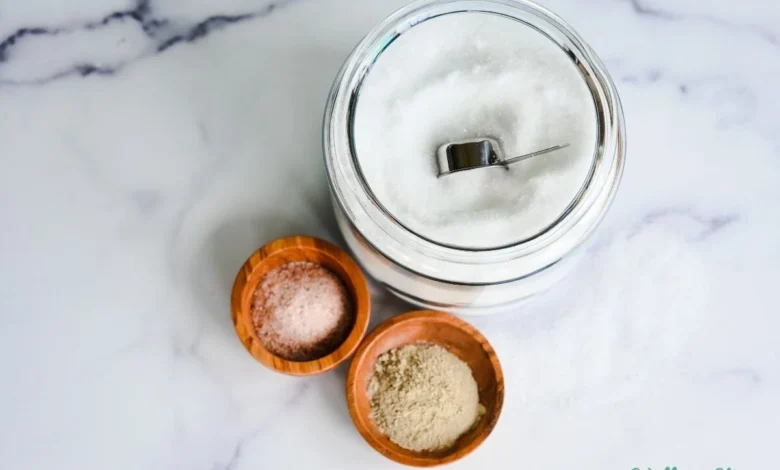
The concept of the therapeutic bath has evolved from ancient ritualistic cleansing to a modern-day health practice focused on supporting the body’s innate detoxification pathways. While the human body possesses sophisticated biological systems—primarily the liver, kidneys, skin, and lymphatic system—to process and eliminate toxins, contemporary environmental stressors have led to a surge in interest regarding supplementary methods to assist these organs. Therapeutic baths, often referred to as "detox baths," serve as a non-invasive, cost-effective modality for individuals seeking to alleviate skin irritation, mitigate the effects of environmental toxin exposure, and promote systemic relaxation.
Historical Context and Physiological Mechanisms
The history of hydrotherapy dates back to antiquity, with documented evidence of mineral-rich bathing in Roman, Greek, and Japanese cultures. These practices were traditionally centered on the belief that heated, mineral-infused water could penetrate the skin, improve circulation, and restore homeostasis. In a modern physiological context, the primary mechanism of a detox bath is not necessarily the active "pulling" of toxins from the blood, but rather the facilitation of osmotic balance and the stimulation of the skin’s porous surface.
The skin, as the body’s largest organ, acts as a primary barrier against environmental pathogens and chemicals. Through the process of transdermal absorption and excretion, the skin can be influenced by the chemical composition of the water. Magnesium sulfate, commonly known as Epsom salt, remains the gold standard for these preparations. Magnesium is a vital mineral involved in over 300 biochemical reactions in the body, including muscle function, nerve transmission, and energy production. Research into transdermal magnesium absorption suggests that soaking in high concentrations of magnesium sulfate may increase serum magnesium levels, particularly in individuals with deficiencies, thereby reducing systemic inflammation.
Chronology of Modern Therapeutic Bath Development
The integration of detox baths into mainstream holistic wellness can be traced through several phases:
- 1990s: The Rise of Mineral Supplementation: Increased scientific focus on magnesium deficiency in the Western diet led to a resurgence in the use of Epsom salts for post-athletic recovery.
- 2005–2010: The Expansion of Home Remedies: With the advent of digital wellness platforms, home-based health practices began to incorporate ingredients beyond simple salt, including bentonite clay, apple cider vinegar, and various herbal extracts.
- 2015–Present: Clinical Validation and Safety Standardization: Medical professionals began conducting more rigorous reviews of these practices, emphasizing the necessity of individual health screenings—particularly for those with pre-existing renal or cardiovascular conditions.
Analytical Breakdown of Common Detox Bath Ingredients
Different formulations are utilized based on specific health outcomes. A detailed analysis of common components reveals the rationale behind their inclusion:
Epsom Salts (Magnesium Sulfate)
The efficacy of Epsom salts is rooted in the bioavailability of magnesium. Studies have indicated that prolonged exposure to magnesium-rich water can help soothe muscle soreness and improve skin hydration. This is often recommended as the foundational element of any detox bath.
Bentonite Clay
Bentonite clay is composed of aged volcanic ash and possesses a high cation exchange capacity. In industrial and medical settings, it is recognized for its ability to bind to positively charged toxins and heavy metals. When applied in a bath, the clay acts as an adsorbent, potentially assisting in the removal of surface-level impurities from the skin. Practitioners advise caution with plumbing, as the clay can settle in pipes; the use of a high-quality drain screen is a standard industry recommendation to prevent structural damage.
Apple Cider Vinegar
Vinegar baths leverage the acetic acid content of apple cider vinegar to regulate the skin’s pH. The human skin mantle is naturally slightly acidic (pH 4.5–5.5). When this mantle is disrupted—often due to soaps, pollutants, or chronic skin conditions like eczema—the skin becomes susceptible to bacterial overgrowth. A vinegar soak helps restore this acidic balance, which is clinically noted to alleviate itching and promote a healthy skin microbiome.
Mustard Powder
Mustard-based baths utilize the circulatory-stimulating properties of allyl isothiocyanate. This compound creates a warming sensation on the skin, which induces vasodilation. By widening the blood vessels, the body can more effectively move blood through the peripheral tissues, which may aid in the clearance of metabolic waste products, particularly following bouts of seasonal illness like the common cold or influenza.
Safety Protocols and Medical Professional Guidance
Despite the benefits, the use of therapeutic baths is not universally recommended without caveats. Board-certified physicians, including experts in family and integrative medicine, stress that these baths are supplementary, not curative.
Medical professionals identify several critical safety parameters:
- Hydration: Detox baths, particularly those that are very hot, can induce significant sweating, leading to dehydration. Drinking water before and after the bath is a clinical necessity.
- Pregnancy and Chronic Conditions: Individuals with cardiovascular disease, low blood pressure, or those who are pregnant or nursing must consult a physician. The rapid changes in circulation caused by hot water can lead to dizziness or fainting.
- Ingredient Sensitivity: Essential oils and other additives can cause contact dermatitis. A "patch test" on a small area of skin is recommended before full immersion.
- The "Detox" Reaction: Some individuals experience temporary fatigue following a detox bath. This is often attributed to the body’s parasympathetic nervous system shifting into a "rest and digest" state, which can be interpreted as a feeling of exhaustion.
Broader Impact and Public Health Implications
The trend toward home-based detoxification methods reflects a growing societal shift toward personal health agency. As healthcare costs rise and wait times for appointments increase, there is a clear public interest in low-risk, self-administered wellness interventions.
However, the efficacy of these baths must be contextualized. They do not replace the metabolic work performed by the liver and kidneys. Instead, they should be viewed as a tool to support the body’s existing systems. The long-term implications of regular detox bathing include better stress management, improved skin integrity, and a reduction in the use of over-the-counter anti-itch or anti-inflammatory creams.
Conclusion
The practice of using detox baths is supported by a mix of historical tradition and emerging research into transdermal mineral absorption and pH balancing. By focusing on high-quality, organic ingredients—such as food-grade Epsom salts, pharmaceutical-grade bentonite clay, and raw, unfiltered apple cider vinegar—individuals can create a safe, supportive environment for recovery and relaxation.
For the average person, incorporating a 20-minute soak into an evening routine serves as an effective, non-pharmacological way to signal the end of the day to the nervous system while providing the skin with restorative minerals. As with any wellness intervention, the key remains consistency and a measured approach, ensuring that the practice is tailored to the individual’s unique health profile and professional medical advice.