Healthy Sesame Ginger Cabbage Rolls A Nutritious Evolution of Asian American Fusion Cuisine

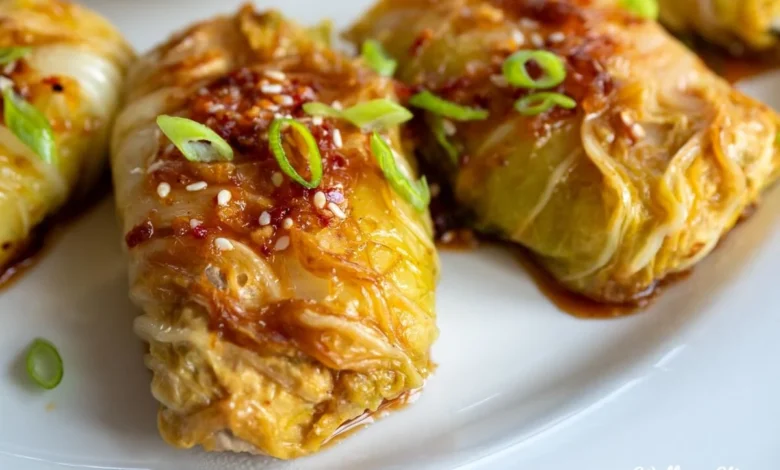
The landscape of modern American home cooking is currently undergoing a significant transformation, driven by a growing awareness of the nutritional deficiencies found in ultra-processed "fast-casual" dining. As consumers increasingly move away from the high-sodium, MSG-laden profiles of traditional Americanized Chinese takeout, a new category of "real food" alternatives has emerged. Among the most notable innovations in this space is the Sesame Ginger Cabbage Roll, a dish that effectively bridges the gap between the savory satisfaction of traditional dumplings and the rigorous requirements of modern dietary wellness. This culinary evolution represents more than just a recipe change; it reflects a broader shift in how individuals approach meal preparation, prioritizing nutrient density and whole ingredients without sacrificing the complex flavor profiles of Asian-inspired cuisine.
The Historical Context of Americanized Asian Cuisine
To understand the significance of the Sesame Ginger Cabbage Roll, one must first examine the history of the food it seeks to replace. Americanized Chinese food, popularized by chains such as Panda Express and local "takeout" establishments, became a staple of the American diet in the late 20th century. These dishes often relied heavily on deep-frying, refined sugars, and cornstarch-thickened sauces to appeal to a Western palate. While these flavors became iconic, they were frequently accompanied by additives like Monosodium Glutamate (MSG) and industrial seed oils, which have become points of contention for health-conscious consumers.
The "Real Food" movement, which gained momentum in the early 2010s, challenged this status quo. Proponents of this movement advocate for ingredients that are as close to their natural state as possible. The transition from processed wonton wrappers—often made from refined white flour and preservatives—to whole Napa cabbage leaves marks a pivotal moment in this movement. It demonstrates that the architectural integrity of a dish can be maintained through vegetable-based substitutes, thereby reducing caloric density while simultaneously increasing the intake of essential vitamins and minerals.
Ingredient Profile: A Synergy of Flavor and Function
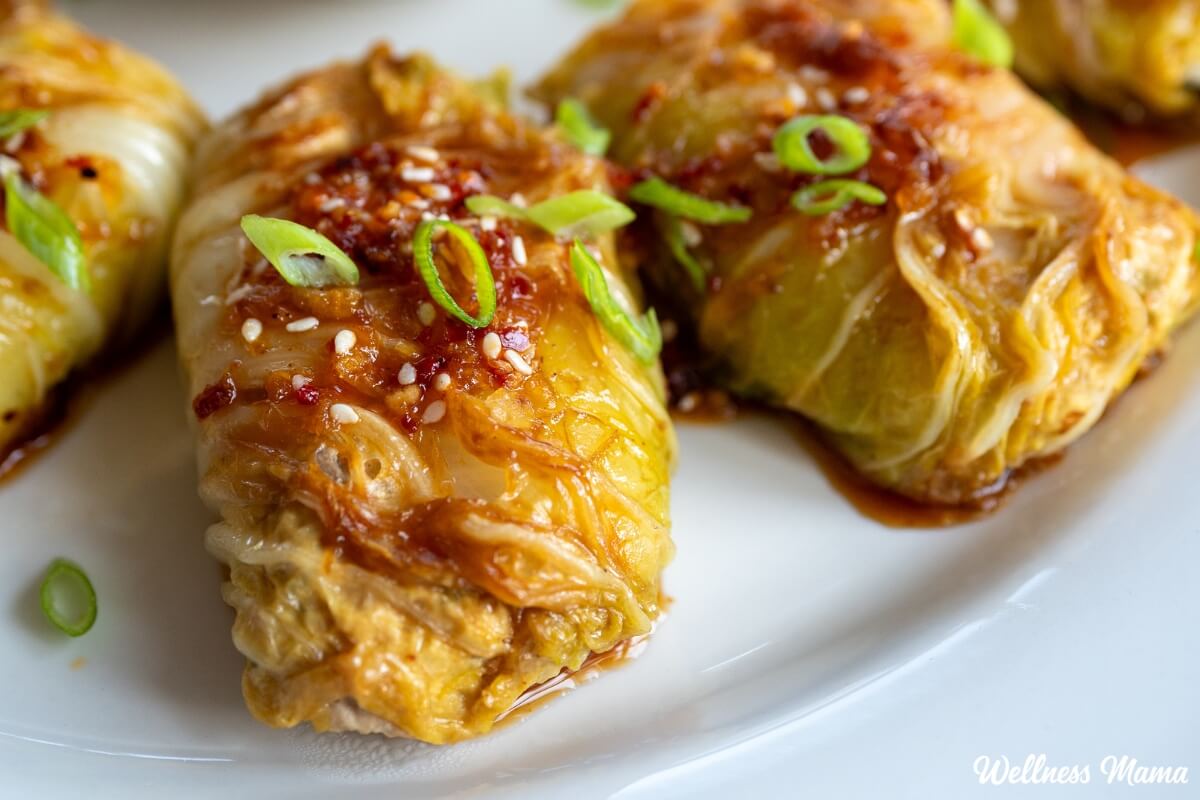
The Sesame Ginger Cabbage Roll is distinguished by its reliance on high-quality, functional ingredients. Each component of the dish is selected not only for its contribution to the flavor profile but also for its specific health benefits.
Napa Cabbage (Brassica rapa subsp. pekinensis): Unlike the tougher green cabbage often used in European-style rolls, Napa cabbage offers a more delicate texture. When subjected to a brief blanching process, the leaves become flexible and translucent, serving as a low-carbohydrate vessel for the filling. From a nutritional standpoint, Napa cabbage is an excellent source of Vitamin C and Vitamin K, and it contains significant amounts of dietary fiber, which aids in digestion and promotes satiety.
Ground Chicken and Shiitake Mushrooms: The choice of ground chicken as the primary protein provides a lean, high-protein base that absorbs the surrounding flavors of ginger and garlic. However, lean meats can often become dry during the cooking process. To counteract this, finely diced shiitake mushrooms are integrated into the filling. Shiitakes are renowned in both culinary and medicinal circles for their "umami" flavor and their content of polysaccharides like lentinan, which has been studied for its immune-supporting properties. The mushrooms act as a natural moisture reservoir, ensuring the chicken remains tender during the steaming process.
Aromatics and Seasonings: The flavor backbone of the dish consists of fresh ginger, garlic, and toasted sesame oil. Gingerol, the bioactive compound in fresh ginger, provides a pungent heat and is well-documented for its anti-inflammatory and antioxidant effects. The use of coconut aminos serves as a critical substitute for traditional soy sauce. Derived from the sap of coconut palms, coconut aminos provide a similar salty-savory profile but with significantly lower sodium content and no soy-based allergens or phytoestrogens.
Comparative Nutritional Analysis
A comparative look at the nutritional data reveals the stark differences between these homemade cabbage rolls and their commercial counterparts. According to standardized nutritional tracking, a single Sesame Ginger Cabbage Roll contains approximately 139 calories, with 9 grams of protein and only 5 grams of carbohydrates.
In contrast, a standard serving of pork potstickers from a popular fast-food chain can exceed 350 calories for a similar portion size, with a significantly higher percentage of those calories coming from refined carbohydrates and saturated fats used in the frying process. Furthermore, the sodium content in commercial Asian-inspired dishes often exceeds 1,000mg per serving—nearly half of the daily recommended intake for an adult. The Sesame Ginger Cabbage Roll, by contrast, contains approximately 200mg of sodium per roll, making it a viable option for individuals monitoring their cardiovascular health or blood pressure.
The Methodology of Preparation: Efficiency and Technique
One of the primary barriers to healthy eating is the perceived time investment required for preparation. The Sesame Ginger Cabbage Roll addresses this through a streamlined "sear and steam" methodology that maximizes efficiency.
The process begins with the preparation of the cabbage. To ensure the leaves do not tear, the thick white stems are often removed or shaved down, a technique that allows the leaf to wrap tightly around the filling. A quick blanching in boiling water followed by an ice bath (the "shocking" method) preserves the vibrant green color and ensures the leaves are pliable.
The cooking process involves a two-stage approach in a single skillet. First, the rolls are browned in a small amount of oil to develop a Maillard reaction on the bottom of the cabbage, providing a textural contrast. Following this, a small amount of water or broth is added to the pan, which is then covered. This creates a pressurized steam environment that cooks the interior protein thoroughly while keeping the cabbage tender. This "one-pan" approach reduces cleanup time and makes the recipe accessible for mid-week meal preparation.
Market Trends and Consumer Response
The rise in popularity of recipes like the Sesame Ginger Cabbage Roll is reflected in broader market trends within the food and beverage industry. Market research indicates a "clean label" trend, where consumers are increasingly scrutinizing ingredient lists for recognizable, whole-food components.
Industry analysts note that the "Home-to-Table" movement has seen a 25% increase in engagement since 2020. This shift is attributed to a combination of rising restaurant costs and a desire for greater control over dietary intake. Reactions from the wellness community suggest that "shortcut" recipes—those that provide the experience of a complex dish like dumplings without the labor-intensive dough-making process—are particularly successful among working professionals and parents.
While no official statement has been released by major health organizations specifically regarding this recipe, the general consensus among dietitians is that replacing refined grains with leafy greens is a foundational step in combating metabolic syndrome and obesity. The inclusion of fermented or spicy elements, such as chili crisp, also aligns with current trends favoring gut health and metabolic stimulation.
Implications for Long-term Dietary Sustainability
The Sesame Ginger Cabbage Roll serves as a template for future culinary adaptations. The ease with which the recipe can be customized—substituting ground turkey for chicken, or adding water chestnuts for crunch—highlights the versatility of the dish. This adaptability is crucial for long-term dietary sustainability; it prevents "palate fatigue" and allows the cook to utilize seasonal or available ingredients.
Furthermore, the "meal prep" compatibility of this dish addresses the logistical challenges of modern life. Because the rolls reheat effectively without losing their structural integrity, they provide a high-protein, low-carb lunch option that prevents the "afternoon slump" often associated with high-carbohydrate takeout meals.
Conclusion: A New Standard for Home Cooking
The transition from "addiction" to processed Americanized Chinese food to an "obsession" with nutrient-dense alternatives like Sesame Ginger Cabbage Rolls represents a significant milestone in the journey toward public health. By deconstructing the flavors that make traditional comfort foods appealing and reconstructing them using "real food" principles, home cooks are reclaiming their health one meal at a time.
As the culinary world continues to evolve, it is likely that the focus will remain on dishes that offer this specific combination of efficiency, flavor, and functional nutrition. The Sesame Ginger Cabbage Roll is not merely a substitute for a dumpling; it is a sophisticated, stand-alone dish that sets a new standard for what healthy, Asian-inspired fusion can and should be in the 21st century. Through the clever use of Napa cabbage, the strategic inclusion of shiitake mushrooms, and the avoidance of ultra-processed additives, this recipe provides a blueprint for a future where flavor and wellness are no longer mutually exclusive.
Related posts: