The culinary landscape for mid-day meals has shifted significantly toward convenience-oriented, high-protein solutions as busy schedules become the norm for both professionals and families. Among these, the simple chicken salad has emerged as a staple of modern meal planning due to its versatility, nutritional density, and ease of preparation. Whether utilizing pantry-stable canned chicken or repurposing rotisserie leftovers, this dish serves as a foundational element in balanced nutrition, providing an efficient way to consume essential lean proteins.
The Nutritional Profile of Poultry-Based Lunches
Chicken salad, in its most basic form, consists of cooked chicken combined with a binder and various seasonings. From a nutritional standpoint, the dish is highly regarded for its protein content. According to the United States Department of Agriculture (USDA), a three-ounce serving of chicken breast provides approximately 26 grams of protein, essential for muscle repair and metabolic function. When paired with nutrient-dense vegetables or served on whole-grain bases, the dish can offer a balanced macronutrient profile.
The shift toward shelf-stable proteins, such as canned chicken, has gained momentum over the last decade. Data from consumer goods analysts indicate that pantry-stable protein sales have remained resilient, particularly during back-to-school seasons when time-constrained parents seek to streamline lunch preparation. This accessibility reduces the barrier to entry for home cooking, allowing for consistent protein intake without the necessity of daily meal prep from raw ingredients.
Historical Context and Culinary Evolution
While chicken salad is often associated with 21st-century convenience, the concept of mixing shredded meat with dressings dates back to the late 19th century. Initially, chicken salad was a way to manage leftover roasted poultry, a common practice in households before the widespread availability of industrial food processing.
The transition to using canned or rotisserie chicken represents a significant shift in the chronology of the dish. During the mid-20th century, the rise of canned goods offered households a way to stabilize their food supply. In the current era, rotisserie chicken—now a staple of most major supermarket chains—has replaced the traditional practice of boiling a whole bird for several hours. This transition has reduced the preparation time for chicken salad from a multi-hour endeavor to a process requiring less than ten minutes.
Technical Preparation and Best Practices
To achieve the desired consistency, home cooks and professional chefs alike weigh the merits of chopped versus shredded textures. Shredded chicken is generally preferred for its structural integrity, as the fibers hold binders—whether mayonnaise, yogurt, or avocado—more effectively. Conversely, a small, uniform dice offers a cleaner presentation and is often easier to integrate into sandwiches where ingredient distribution is a priority.
Maintaining food safety is a critical component of preparing any poultry-based dish. The FDA recommends that cooked chicken should be stored in the refrigerator at or below 40°F (4°C) and consumed within three to four days. Furthermore, the "watery" texture that often plagues homemade salads is typically a result of ingredient selection. To prevent this, experts recommend:
- Drying the protein: Excess moisture from cooked chicken or canned liquid should be drained and patted dry.
- Seed removal: Vegetables with high water content, such as cucumbers or tomatoes, should be seeded before integration.
- Binder quality: Using full-fat bases (mayonnaise or Greek yogurt) provides a more stable emulsion compared to low-fat alternatives, which may separate when exposed to the moisture of other ingredients.
Alternative Binders and Dietary Considerations
For individuals seeking to avoid traditional mayonnaise, the industry has seen a rise in alternative binders. Plain Greek yogurt is frequently cited by nutritionists as a superior alternative due to its probiotic content and higher protein density. Hummus and mashed avocado also serve as functional replacements, though each introduces specific storage constraints. Avocado, for instance, is prone to oxidation, meaning it must be consumed shortly after preparation to avoid discoloration.
The ability to customize this dish extends beyond the binder. Culinary research into flavor profiles suggests that the "baseline" chicken salad is highly susceptible to modification. Common additions such as celery, nuts, or dried fruit introduce texture, while spices like dill, cayenne, or "everything bagel" seasoning cater to diverse flavor preferences. This modularity makes chicken salad a flexible candidate for meal-prep routines.
Economic and Logistical Implications
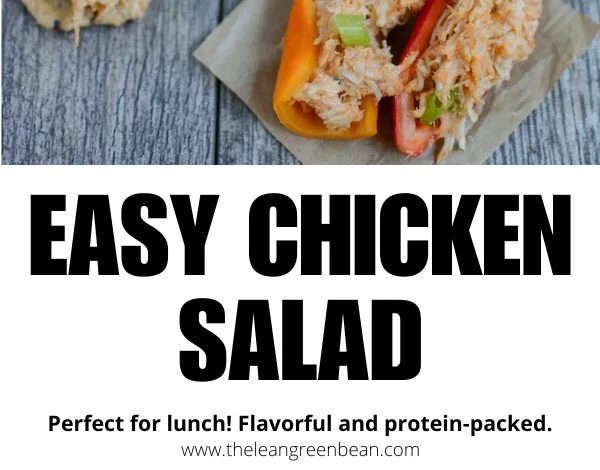
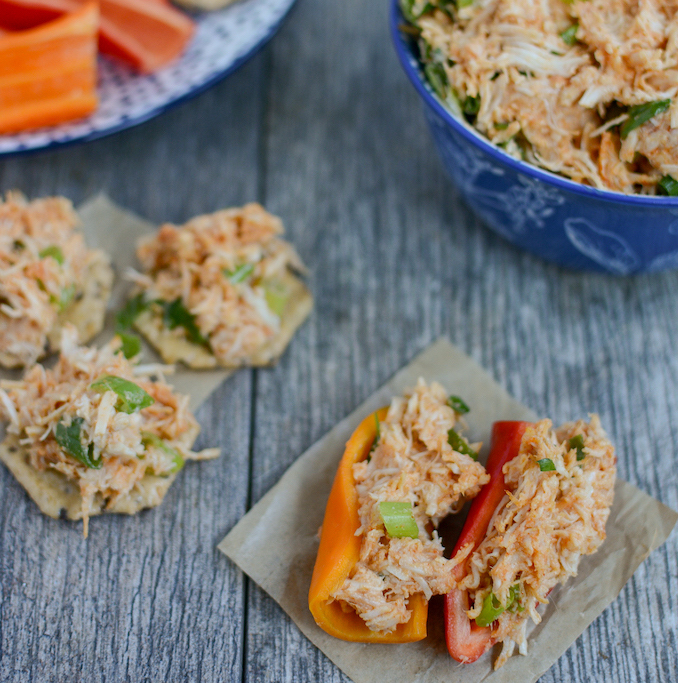
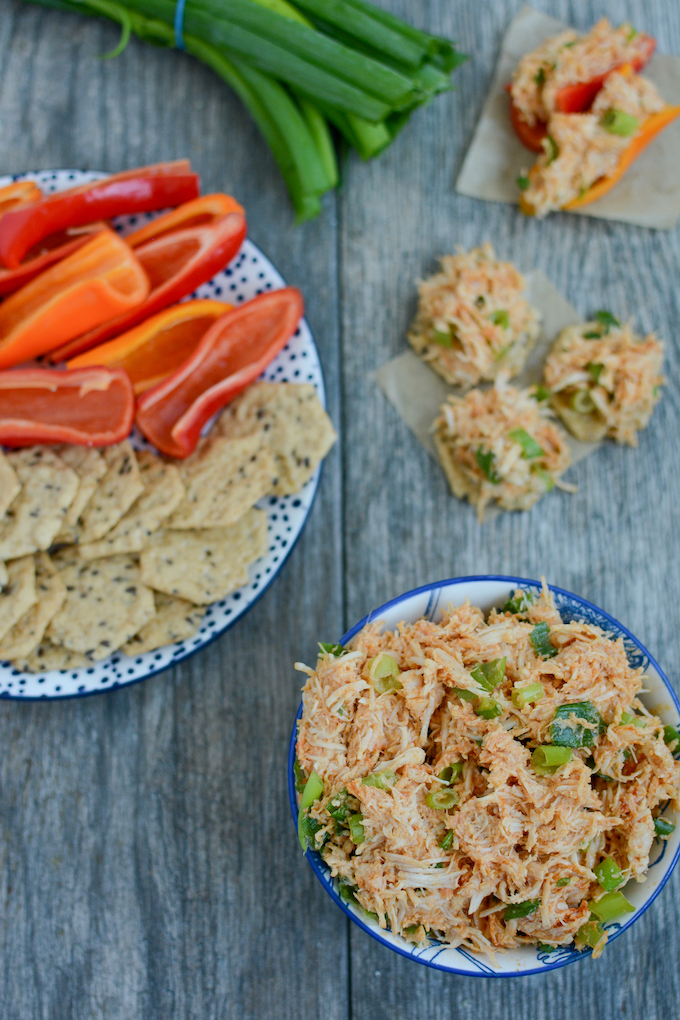
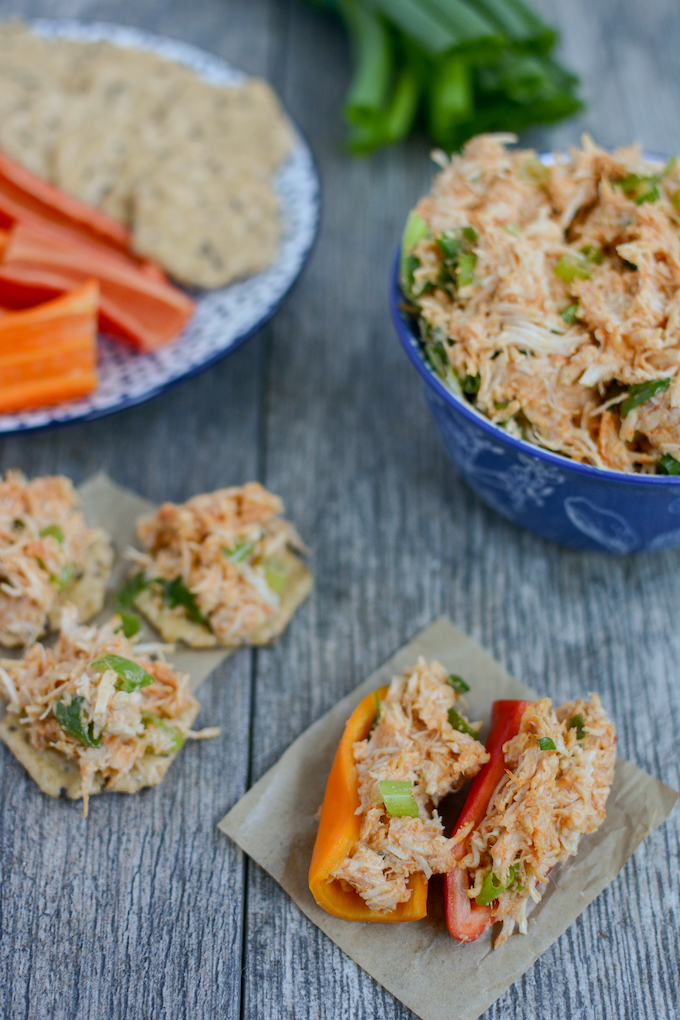
The broader impact of adopting a "base recipe" approach to lunch preparation is a reduction in food waste and expenditure. By utilizing canned chicken—a low-cost, long-shelf-life item—households can minimize their reliance on expensive, processed deli meats. Furthermore, the versatility of serving methods—ranging from leafy greens to bell pepper cups—allows for a varied diet without the need to purchase entirely new ingredients each day.
From a logistics perspective, the inclusion of chicken salad in packed lunches requires attention to temperature control. To mitigate the risks associated with foodborne illness, the use of insulated lunch boxes combined with high-quality ice packs is mandatory. Public health officials emphasize that maintaining a cold chain is essential, especially during the transition from home to school or office environments.
Future Outlook and Nutritional Trends
As consumer interest in high-protein diets continues to grow, the demand for simple, efficient, and healthy meal options will likely persist. The data indicates that the "Easy Chicken Salad" model satisfies three primary modern consumer requirements: low cost, high nutritional value, and minimal time investment.
While it is possible to freeze certain components of a meal, experts advise against freezing finished chicken salad. The cellular structure of the mayonnaise or yogurt emulsion is compromised during the thawing process, often resulting in a curdled, watery, and unpalatable texture. Furthermore, fresh vegetables like celery or onions lose their crunch upon freezing, which degrades the overall quality of the dish.
In conclusion, the practice of preparing chicken salad remains a cornerstone of efficient domestic meal management. By understanding the fundamentals of protein selection, ingredient preparation, and food safety, consumers can utilize this adaptable recipe as a consistent tool for maintaining nutritional standards during busy work and school weeks. The simplicity of the dish is not a sign of a lack of culinary ambition, but rather an example of effective, evidence-based meal planning in the modern age. Through the strategic use of pantry staples and a focus on core food safety principles, the humble chicken salad continues to serve as an essential component of the contemporary diet.