The Best Store-Bought Popsicle Brands for Summer 2026: A Registered Dietitian’s Guide to Healthier Frozen Treats

As the summer heat intensifies, consumers are increasingly seeking frozen treats that offer both refreshment and nutritional value. For summer 2026, the market is responding with a growing array of popsicle brands that prioritize real fruit ingredients and reduced added sugars, moving away from the traditionally sugar-laden options. This analysis, drawing on insights from registered dietitians and consumer trends, identifies leading brands and provides guidance on making informed choices for healthier frozen indulgence.
The Evolving Landscape of Frozen Treats
The traditional popsicle, often a mere frozen sugar water with artificial coloring and flavoring, is facing a significant consumer backlash. Data from market research firms indicates a consistent year-over-year increase in demand for products with clean labels, minimal processing, and recognizable ingredients, particularly within the snack and dessert categories. This shift is driven by a heightened awareness of sugar’s impact on health, including its links to obesity, type 2 diabetes, and dental issues.
According to a recent report by Global Market Insights, the global frozen yogurt and ice cream market, which includes popsicles and similar frozen novelties, is projected to witness substantial growth, with a significant segment attributed to health-conscious alternatives. Consumers are actively seeking out options that align with dietary preferences, such as lower sugar, dairy-free, and fruit-based formulations.
Defining a Healthier Popsicle: Key Nutritional Considerations
Registered dietitians emphasize that a healthier popsicle is one that prioritizes whole ingredients and minimizes added sugars. Traditional popsicles can contain upwards of 20 grams of added sugar per serving, a substantial amount for a small treat, especially for children. This often comes in the form of high-fructose corn syrup, artificial sweeteners, and refined sugars.
The fundamental difference lies in the ingredients. Healthier options are typically made with 100% fruit juice or fruit purée, which not only provide natural sweetness but also offer vitamins, minerals, and sometimes even fiber. Fruit-flavored popsicles, on the other hand, often rely on water, artificial flavorings, and sweeteners, lacking the nutritional benefits of real fruit.
Distinguishing Between Fruit Purée and Fruit Juice
Understanding the source of fruit content is crucial. Fruit purée involves blending the whole fruit, preserving more of its natural pulp and fiber. This can contribute to a more satisfying texture and a slightly higher fiber content. Fruit juice, while still beneficial, involves extracting only the liquid from the fruit, often resulting in a loss of some fiber. Both are preferable to artificial flavorings and colors.
Ingredients to Prioritize and Avoid
When navigating the frozen treat aisle, consumers should look for:
- 100% Fruit Juice or Fruit Purée: These are the primary indicators of real fruit content.
- Natural Sweeteners: If sugar is added, cane sugar is generally preferred over high-fructose corn syrup.
- Natural Colorings: Opt for brands that use natural sources for color, such as spirulina extract or fruit and vegetable juices, rather than artificial dyes like Yellow 5.
- Minimal Added Sugar: Aim for options with the lowest possible amount of added sugar.
Conversely, consumers should aim to avoid:
- Artificial Sweeteners: Ingredients like sucralose, aspartame, and saccharin can be found in some "sugar-free" options, and their long-term health impacts are still debated.
- High-Fructose Corn Syrup (HFCS): This highly processed sweetener is linked to numerous health concerns.
- Artificial Flavors and Colors: These offer no nutritional value and can be problematic for individuals with sensitivities.
Decoding Nutrition Labels: A Practical Approach
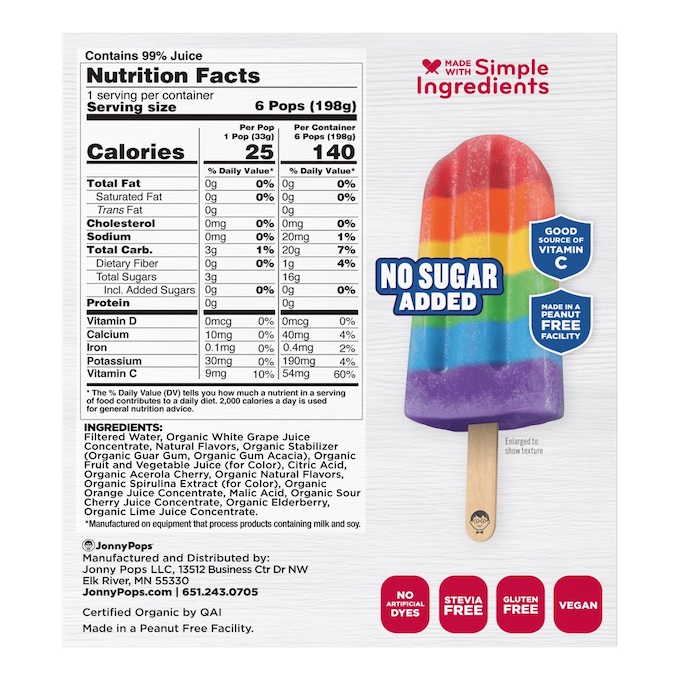
Reading a nutrition label effectively is key to making informed choices. Registered dietitians advise paying close attention to the distinction between "total sugar" and "added sugar." Total sugar includes naturally occurring sugars from fruit, while added sugar refers to sugars incorporated during processing. A product with a higher total sugar content but zero or low added sugar is generally a better choice, as the sweetness comes primarily from the fruit itself.
The presence of fiber, protein, or a small amount of fat can also be beneficial. These macronutrients can help slow the absorption of sugar, preventing rapid blood sugar spikes and promoting a feeling of fullness.
Top Store-Bought Popsicle Brands for Summer 2026
Based on ingredient lists, nutritional profiles, and growing consumer recognition for healthier options, several brands stand out for summer 2026:
1. Yasso Bars: The Creamy Alternative
For those who prefer a creamy texture, Yasso Bars offer a compelling option. Unlike traditional ice cream bars that rely heavily on cream, Yasso bars are made with Greek yogurt. This formulation typically results in a lower added sugar content, often in the range of 8-9 grams per serving, while also providing a few grams of protein. This makes them a more satiating and nutritionally balanced indulgence.
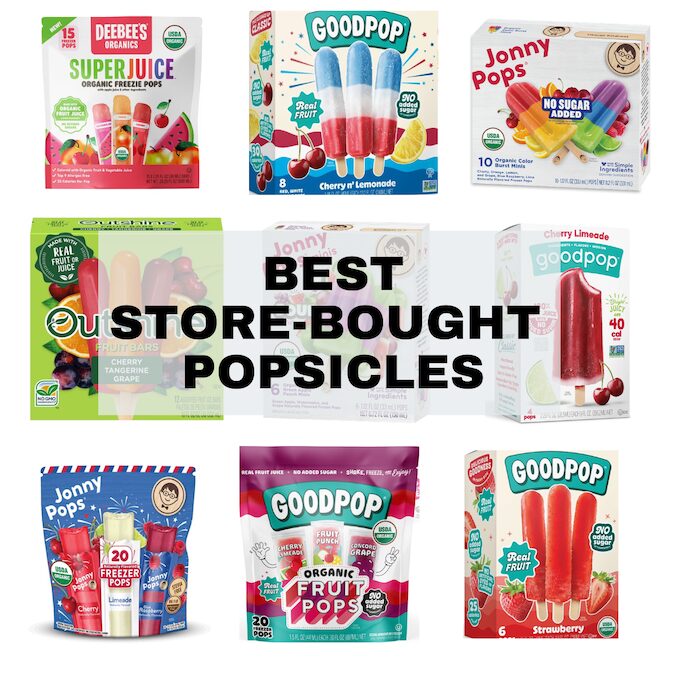
2. No Added Sugar Champions: Deebee’s Organics, Goodpop, and Jonny Pops
Several brands are leading the charge in offering popsicles with no added sugars, relying solely on the natural sweetness of fruit.
-
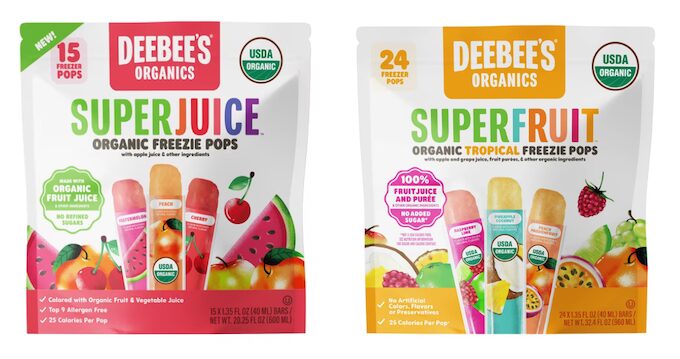
Deebee’s Organic SuperFruit & SuperJuice Freezies: These are consistently praised for their clean ingredient lists, featuring fruit juice and no added sugars or artificial ingredients. They are a reliable choice for a simple, fruit-forward frozen treat.
-
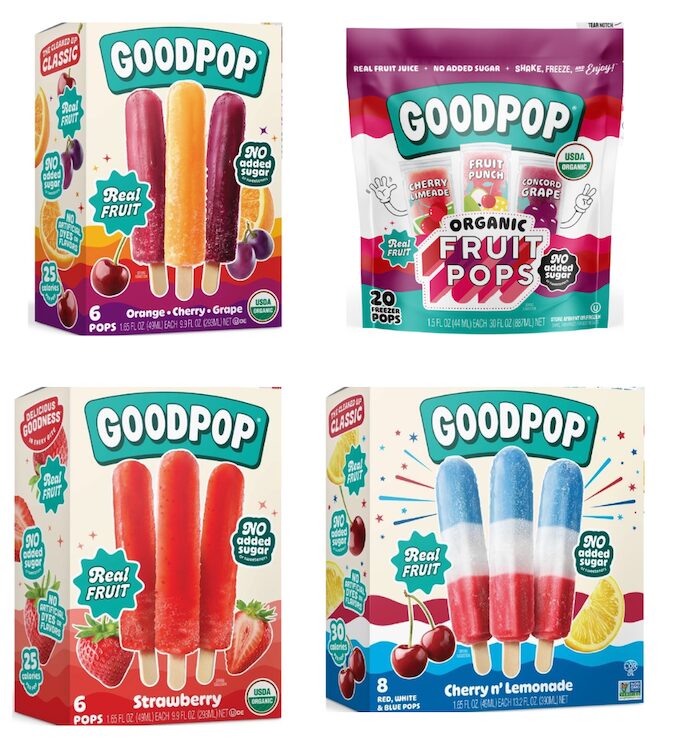
Goodpop Freezer Pops: Goodpop offers a variety of flavors made with 100% fruit juice. They utilize natural colorings like spirulina and carrot juice. While most of their offerings are no-added-sugar, it is essential to check labels, as some of their flavors do contain added sugars.
-
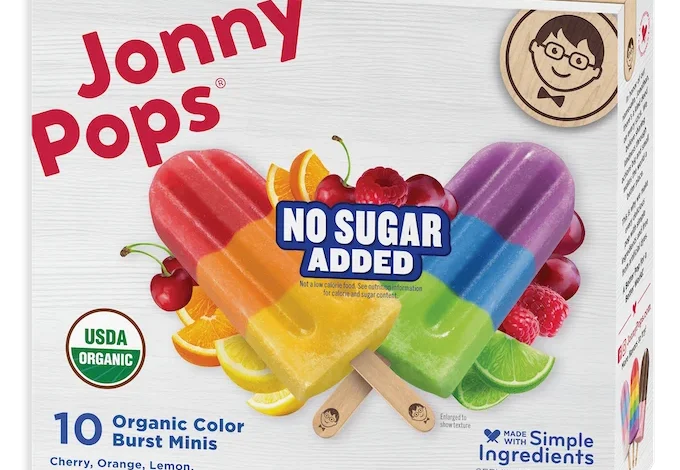
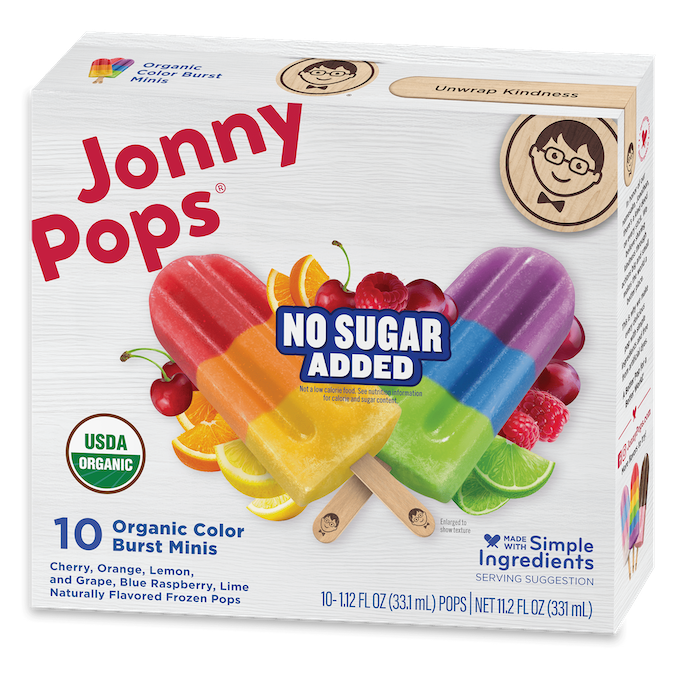
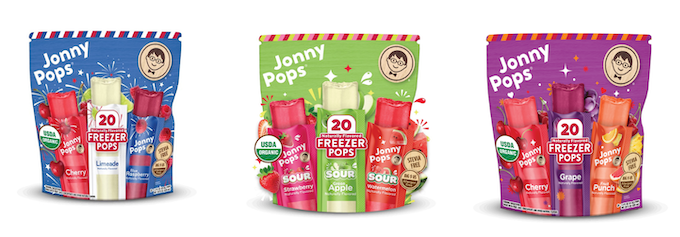
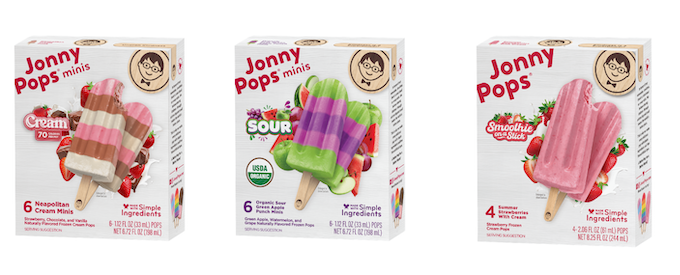
Jonny Pops: This brand has carved a niche with its commitment to organic ingredients and minimal sugar. Their "Rainbow Mini Pops" and other varieties are formulated with no added sugars or sweeteners. They also offer "Organic Red, White & Blue Freezer Pops" that are sweetened with cane sugar and contain approximately 6 grams of added sugar per serving.
3. Lower Added Sugar Options: Jonny Pops and Outshine
For consumers who may not find strictly no-added-sugar options readily available or preferable, several brands offer popsicles with a significantly reduced amount of added sugar compared to conventional products.
-
Jonny Pops (Various Lines): Beyond their no-added-sugar options, Jonny Pops offers "Freezer Pops" with about 6g of added sugar, sweetened with cane sugar. Their "Cream Minis" and "Sour Minis" also fall into the low-sugar category with 5-6g of added sugar. Furthermore, their "smoothie on a stick" varieties, made with fruit, sugar, and heavy cream, contain approximately 9g of added sugar. Even their standard popsicles typically contain around 10g of added sugar per serving, making them a more moderate choice.
-
Outshine Fruit Bars: Outshine’s Mini Fruit Pops are a popular choice, made with fruit purées, water, sugar, and fruit juice. The single-serve mini variety typically contains around 8 grams of added sugar. It’s important to note that while Outshine offers no-added-sugar varieties, these are often sweetened with artificial sweeteners, which may not align with all health preferences.
4. Classic Favorites with Healthier Variations: Otter Pops and Kisko Freezies
Even some traditionally recognized brands are introducing healthier iterations of their products.
-
Otter Pops (Fruit Juice Varieties): Otter Pops offers 100% fruit juice versions that are a significant improvement over their original formulations. These contain a minimal amount of added sugar, often around 3 grams per serving.
-
Kisko Freezies (Country Orchard Organic Juice Freeze Pops): These are made with 100% juice and represent a straightforward, healthier option in the freezer pop category.
Retailer-Specific Availability
Consumer access to these brands can vary by retailer. Major grocery chains and warehouse clubs often stock a selection of these healthier popsicle options.
- Costco: Typically carries brands like Jonny Pops and Deebee’s Organic Freezie Pops.
- Target: A reliable source for Jonny Pops, Deebee’s Organic Freezie Pops, Yasso Bars, Outshine Minis, and Tru Fru. Target also features its own brand, Good & Gather, which includes strawberry fruit bars with approximately 12g of added sugar but a simple ingredient list.
- Walmart: Usually stocks a range of options including Jonny Pops, Dee Bees, Otter Pops (100% fruit juice varieties), and Outshine Mini Fruit Pops.
The Homemade Advantage: Ultimate Control
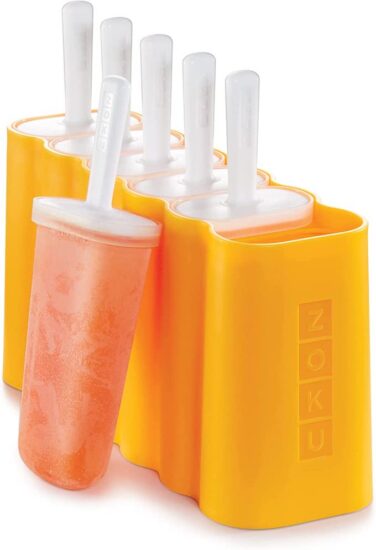
For the utmost control over ingredients and sugar content, making popsicles at home remains an excellent strategy. Utilizing 100% fruit juice, fresh fruit purées, or even favorite smoothies, and freezing them in reusable popsicle molds or disposable freezer pop bags, offers unparalleled flexibility. This approach allows parents and individuals to tailor sweetness and ingredients precisely to their liking. Numerous online resources and recipe blogs offer a wide array of homemade popsicle recipes, further simplifying this endeavor.
Beyond Popsicles: Other Healthy Frozen Treats
The pursuit of healthier frozen indulgence extends beyond popsicles. Other notable options include:
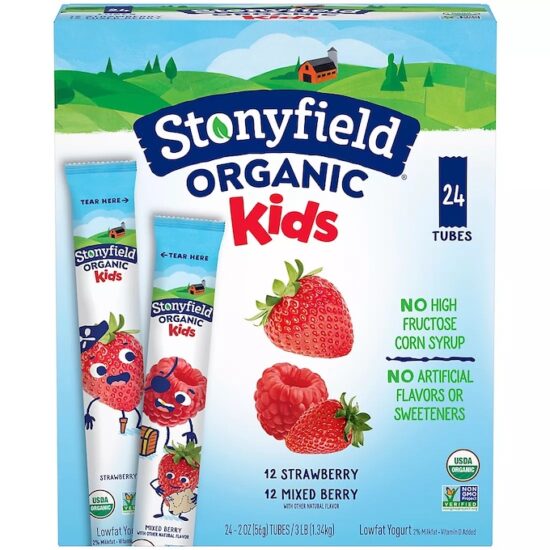
- Frozen Yogurt Tubes: Freezing lower-sugar yogurt tubes or filling reusable tubes with favorite yogurts or smoothies provides a creamy, protein-rich alternative.
- Dole Dippers: These are frozen fruit pieces coated in a thin layer of chocolate.
- Tru Fru: This brand offers frozen fruit that has been flash-frozen and then coated in chocolate.
- Wyman’s Juice Fruit: A line of frozen fruit and juice blends that can be enjoyed as a refreshing treat.
Addressing Common Consumer Questions
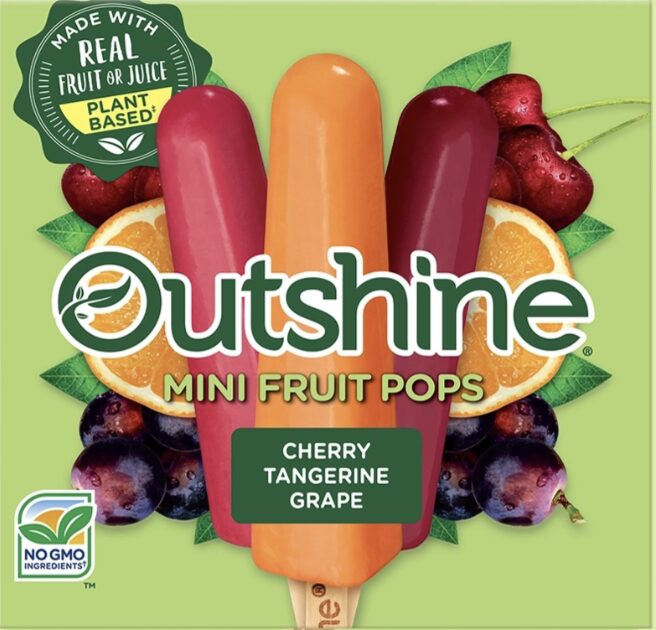
- Dye-Free Options: Brands like Good Pop, Jonny Pops, Deebees Organics, and Outshine Bars offer dye-free choices. Otter Pops also has a colorless version.
- Best for Kids: Good Pop, Jonny Pops (No Added Sugar), Outshine Mini Fruit Bars, and DeeBees Organic Freezie Pops are frequently recommended for children due to their ingredient profiles.
- No Added Sugar: Good Pop, Deebees Organics, and select Jonny Pops varieties are excellent no-added-sugar choices.
- Real Fruit: Deebees Organic, Good Pop, Jonny Pops, and Outshine Bars all feature options made with real fruit.
- Healthiness of Fruit Juice Popsicles: Popsicles made with real fruit juice are generally considered healthier than those made with water, artificial sweeteners, and flavors.
- What to Look For: Prioritize options with no added sugar and no artificial sweeteners. If these are unavailable, opt for those made with 100% fruit or fruit juice and the lowest amount of added sugar.
- Low Sugar Brands: Jonny Pops, Outshine Mini Pops, Good Pop, and Otter Pop 100% Juice are strong contenders for low-sugar options.
- Freezer Pops vs. Regular Popsicles: Freezer pops may offer a smaller serving size, potentially leading to lower sugar and calorie intake, depending on the specific product. Their pantry-stable nature also adds convenience.
As the demand for healthier options continues to grow, the market for summer 2026 is well-positioned to offer a diverse range of frozen treats that satisfy cravings without compromising nutritional goals. By understanding ingredient labels and prioritizing brands that align with a focus on real fruit and reduced added sugar, consumers can enjoy refreshing, guilt-free indulgence throughout the warmer months.