High-Protein Raspberry Overnight Oats Offer a Nutritional Solution for Midlife Muscle Preservation and Busy Mornings


In an era dominated by relentless nutrition trends, protein has emerged as the undisputed heavyweight champion of the modern grocery aisle. From hyper-fortified waters and snack chips to obsessive daily gram-counting, the discourse surrounding this essential macronutrient has grown increasingly fatiguing for consumers and health professionals alike. Registered dietitians frequently emphasize that protein is not the singular key to optimal wellness, and the average consumer typically surpasses their daily nutritional requirements without meticulously tracking intake. Yet, a growing body of dietary research underscores the strategic advantages of timing protein consumption, particularly during the morning meal, to stabilize blood sugar levels, sustain satiety throughout the day, and support metabolic health.
For demographics navigating midlife transitions—specifically adults experiencing age-related muscle mass decline, known clinically as sarcopenia—incorporating adequate protein early in the day serves a vital biological function. Muscle preservation requires a consistent supply of amino acids, and breakfast has historically been the meal lowest in protein for many households. Recognizing this dietary gap, health and nutrition advocates have sought creative, accessible ways to boost morning protein intake without transforming breakfast preparation into a cumbersome culinary chore. The introduction of High-Protein Raspberry Overnight Oats represents a calculated response to this challenge, blending meal-prep convenience with evidence-based nutritional strategies designed to support sustained energy and long-term musculoskeletal health.
The Evolution of the Morning Meal and the Rise of Overnight Oats
The culinary concept of overnight oats gained mainstream popularity over the past decade, transforming from a niche raw-food movement into a staple of modern meal planning. By soaking rolled oats in milk or plant-based alternatives overnight, the starches break down naturally without the application of heat, yielding a creamy, porridge-like texture that requires zero morning preparation. This method aligns with broader consumer shifts toward efficiency, as modern households increasingly prioritize time-saving kitchen strategies on Sunday evenings to streamline their Monday-through-Friday routines.
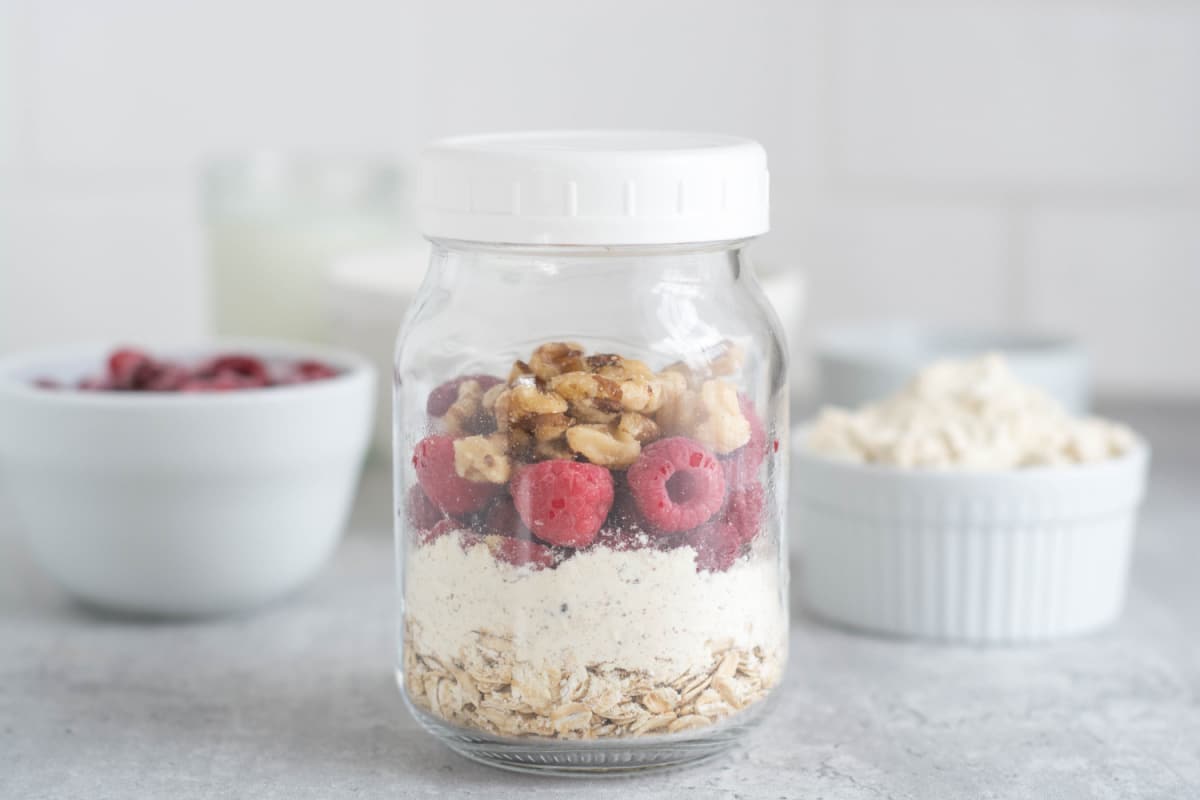
Historically, traditional overnight oat recipes relied heavily on carbohydrates and healthy fats from seeds, nuts, and dairy, while offering relatively low protein content unless paired with Greek yogurt or cottage cheese. Nutrition experts note that while traditional oats provide high levels of soluble fiber—specifically beta-glucan, which is clinically proven to support cardiovascular health by lowering LDL cholesterol—they often fall short of keeping active adults full until lunchtime. By integrating targeted protein enhancements, such as high-quality whey or plant-based powders and nutrient-dense mix-ins, culinary developers have successfully bridged the gap between traditional whole-grain benefits and modern macro-nutrient targets.
Nutritional Profile and Macro-Nutrient Breakdown
The newly formulated High-Protein Raspberry Overnight Oats recipe delivers an impressive 33 grams of protein per standard serving, substantially outperforming conventional breakfast cereals and standard oatmeal bowls. This high protein density is achieved through a deliberate synergy of whole-food ingredients and a measured scoop of quality protein powder, striking a balance between dietary whole foods and convenient supplementation.
From a physiological perspective, a breakfast delivering over 30 grams of protein triggers robust muscle protein synthesis and stimulates the release of satiety hormones such as peptide YY (PYY) and GLP-1, while suppressing ghrelin, the hunger hormone. This biochemical response explains why individuals who consume higher-protein breakfasts frequently report reduced mid-morning cravings and more stable cognitive focus. Furthermore, the inclusion of fresh raspberries provides a concentrated dose of dietary fiber, vitamin C, and polyphenols—powerful antioxidants associated with reduced inflammation and improved metabolic markers. Walnuts, another core component of the recipe, introduce essential alpha-linolenic acid (ALA), a plant-based omega-3 fatty acid known for supporting neurological and cardiovascular health.
The broader nutritional matrix ensures that the recipe maintains a minimal glycemic impact. With only three grams of added sugar per serving, the formulation avoids the sugar spikes and subsequent crashes common in commercial breakfast products. The majority of the sweetness is derived naturally from the lactose in milk and the fructose present in whole raspberries, supported by the fiber matrix that slows systemic sugar absorption.
Addressing the Protein Powder Dilemma
The integration of protein powders into daily cooking remains a subject of ongoing debate among clinical nutritionists. While powders offer an undeniably convenient mechanism for elevating protein density, many commercial formulations present distinct sensory and physiological challenges. Artificial sweeteners and non-nutritive additives, such as stevia and sucralose, frequently leave a lingering bitter aftertaste that deters consumers. Additionally, heavily processed ingredient decks can provoke gastrointestinal distress in sensitive individuals.
In developing this recipe, nutrition advocates emphasize the importance of selective sourcing, recommending products characterized by short ingredient lists, minimal processing, and low added sugar content. High-grade whey isolate or cleanly sourced plant-based alternatives that rely on natural flavor profiles allow individuals to achieve their macro-nutrient goals without compromising palate satisfaction or digestive comfort. For consumers wishing to bypass supplements entirely, the recipe remains adaptable; omitting protein powder reduces the overall protein count while preserving the foundational fiber and healthy fats, allowing users to customize the dish to their specific daily requirements.
Step-by-Step Preparation and Meal-Prep Methodology
The practical appeal of overnight oats lies in its streamlined workflow, making it an ideal candidate for weekly meal prep. The methodology relies on precise ratios of dry to wet ingredients to ensure optimal textural development during the refrigeration process.
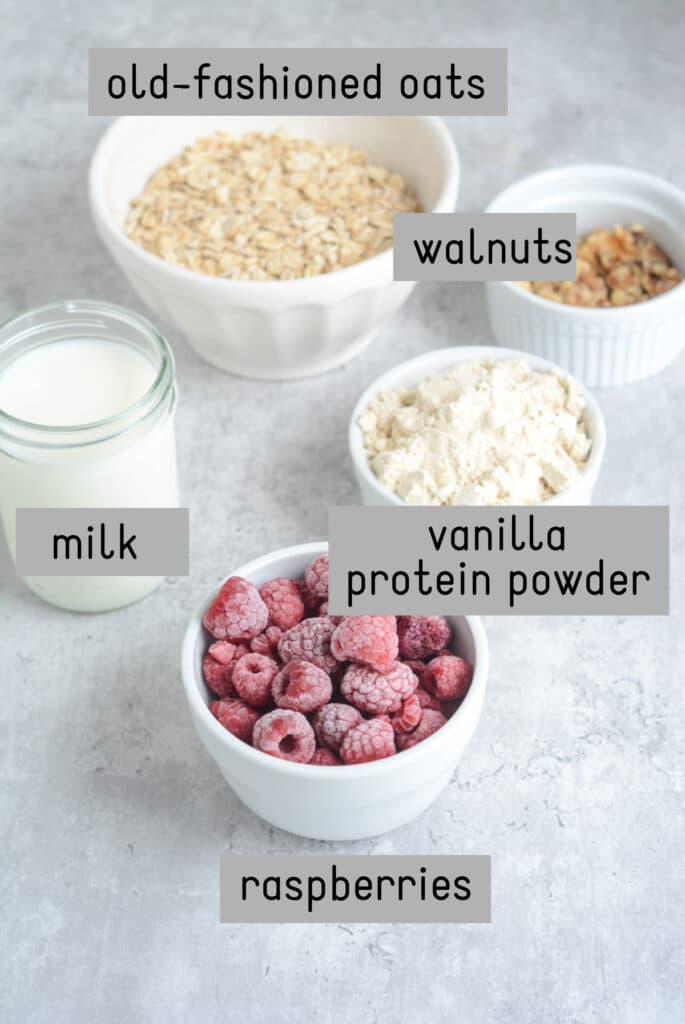
To prepare a single batch of High-Protein Raspberry Overnight Oats, practitioners require rolled oats, a preferred milk or dairy alternative, a serving of protein powder, fresh or frozen raspberries, and chopped walnuts for texture and healthy fats. The step-by-step chronology of preparation unfolds as follows:
- Dry Ingredient Integration: In a clean glass mason jar or airtight container, combine the rolled oats and the protein powder. Whisk or shake the dry components thoroughly to ensure the protein powder is evenly distributed, preventing clumping when liquids are introduced.
- Liquid Incorporation: Pour the milk or plant-based beverage into the container with the dry mixture. Stir vigorously until a uniform, creamy consistency is achieved, ensuring all oat flakes are fully submerged.
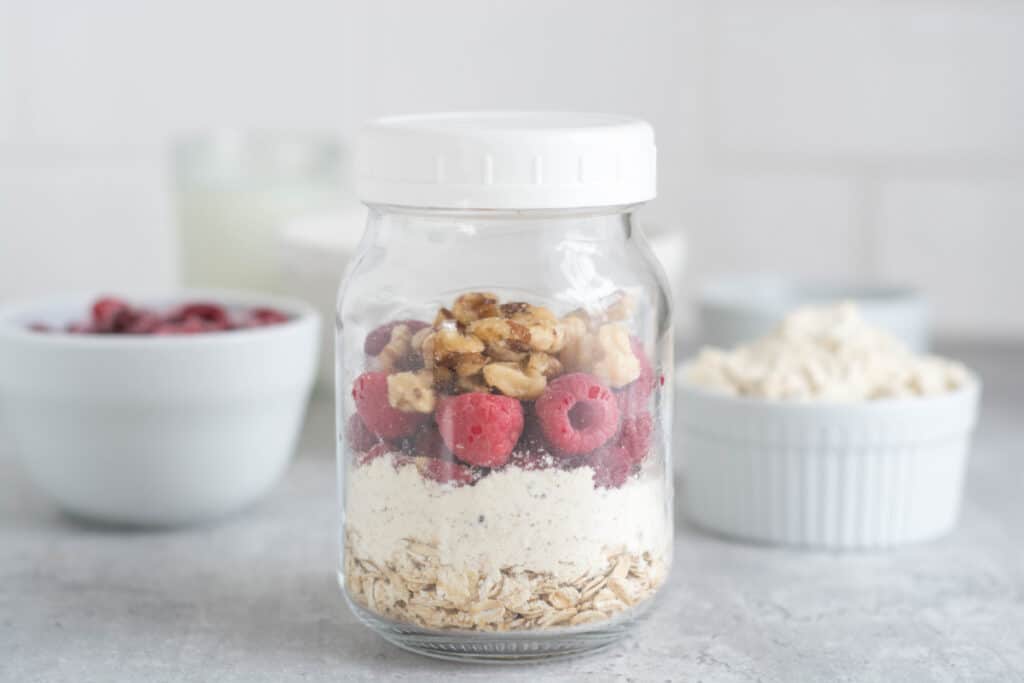
- Fruit and Nut Layering: Gently fold in the raspberries, allowing their natural juices to mingle with the base, and scatter the chopped walnuts over the top or throughout the mixture depending on textural preference.
- Refrigeration and Curing: Seal the container securely and place it in the refrigerator for a minimum of four hours, though overnight refrigeration yielding six to eight hours produces the ideal creamy texture as the oats fully hydrate.
This recipe scales linearly, allowing home cooks to prep three to five jars in a single Sunday session. When properly sealed and stored at consistent refrigeration temperatures (below 40°F or 4°C), the prepared oats maintain their optimal structural integrity and safety profile for up to five days.
Flexibility, Variations, and Dietary Adaptations
Recognizing diverse dietary restrictions and seasonal preferences, the foundational recipe accommodates numerous modifications without sacrificing its core nutritional advantages. For individuals with dairy sensitivities or following vegan diets, standard cow’s milk can be seamlessly replaced with unsweetened almond milk, soy milk, or oat milk, paired with a certified plant-based protein powder derived from pea or hemp sources.
Seasonal variations also allow for year-round consumption. While bright, tart raspberries offer a refreshing flavor profile suited for warmer months, the base can easily transition to winter-friendly fruits such as stewed apples with cinnamon, or frozen cherries thawed in anticipation of the soaking process. For those who prefer a warm meal during colder mornings, the oats can be safely transferred from the glass storage jar into a microwave-safe bowl and heated for sixty to ninety seconds, transforming a chilled breakfast into a comforting hot porridge without disrupting the macro-nutrient balance.

Broader Implications for Public Health and Lifestyle Nutrition
The introduction and popularization of nutrient-dense, easily prepped breakfast options like High-Protein Raspberry Overnight Oats reflect a broader paradigm shift in public health nutrition. As lifestyle pressures mount and time constraints increasingly drive consumer food choices, the reliance on ultra-processed, convenience-driven breakfast foods has been linked to rising rates of metabolic dysfunction and chronic fatigue.
By empowering consumers with straightforward, evidence-based kitchen strategies, nutrition educators aim to demystify healthy eating. The focus moves away from restrictive dieting or obsessive metric tracking and toward sustainable habits that seamlessly integrate into busy family schedules. Emphasizing whole-food synergy—combining complex carbohydrates, healthy fats, quality proteins, and antioxidant-rich produce—provides a robust framework for long-term health maintenance.
Ultimately, meals that require minimal active time in the kitchen while delivering significant physiological benefits serve as vital tools in modern preventive health. Whether consumed by busy parents, working professionals, or older adults focused on maintaining functional independence through muscle preservation, structured breakfast innovations demonstrate that optimal nutrition can be both accessible and profoundly satisfying.