The Ultimate Guide to Perfect Baked Peaches as a Seasonal Culinary Staple

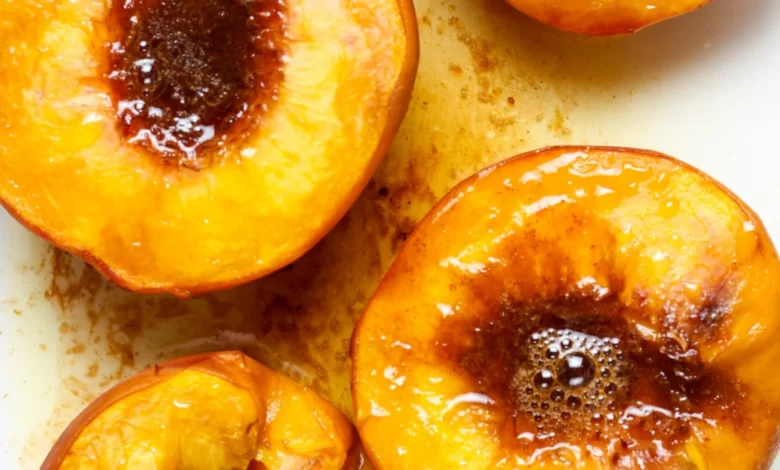
The arrival of late summer brings the peak harvest season for stone fruits, with peaches standing out as a primary agricultural commodity favored for their versatility and nutritional density. While fresh consumption remains the most common method of ingestion, culinary professionals and home cooks alike have increasingly turned to thermal processing—specifically baking—to transform the fruit’s profile. This process, which relies on the heat-induced breakdown of pectin and the caramelization of natural sugars, has solidified baked peaches as a standard high-end dessert in modern gastronomy.
The Science of Thermal Processing in Stone Fruits
From a biochemical perspective, the baking of peaches is a controlled application of heat that alters the structural integrity of the fruit. When exposed to sustained temperatures—typically around 350 degrees Fahrenheit—the cell walls of the peach begin to soften as hemicellulose and pectin degrade. This structural transition is critical for achieving the desired texture, moving the fruit from a firm, raw state to a tender, succulent consistency.
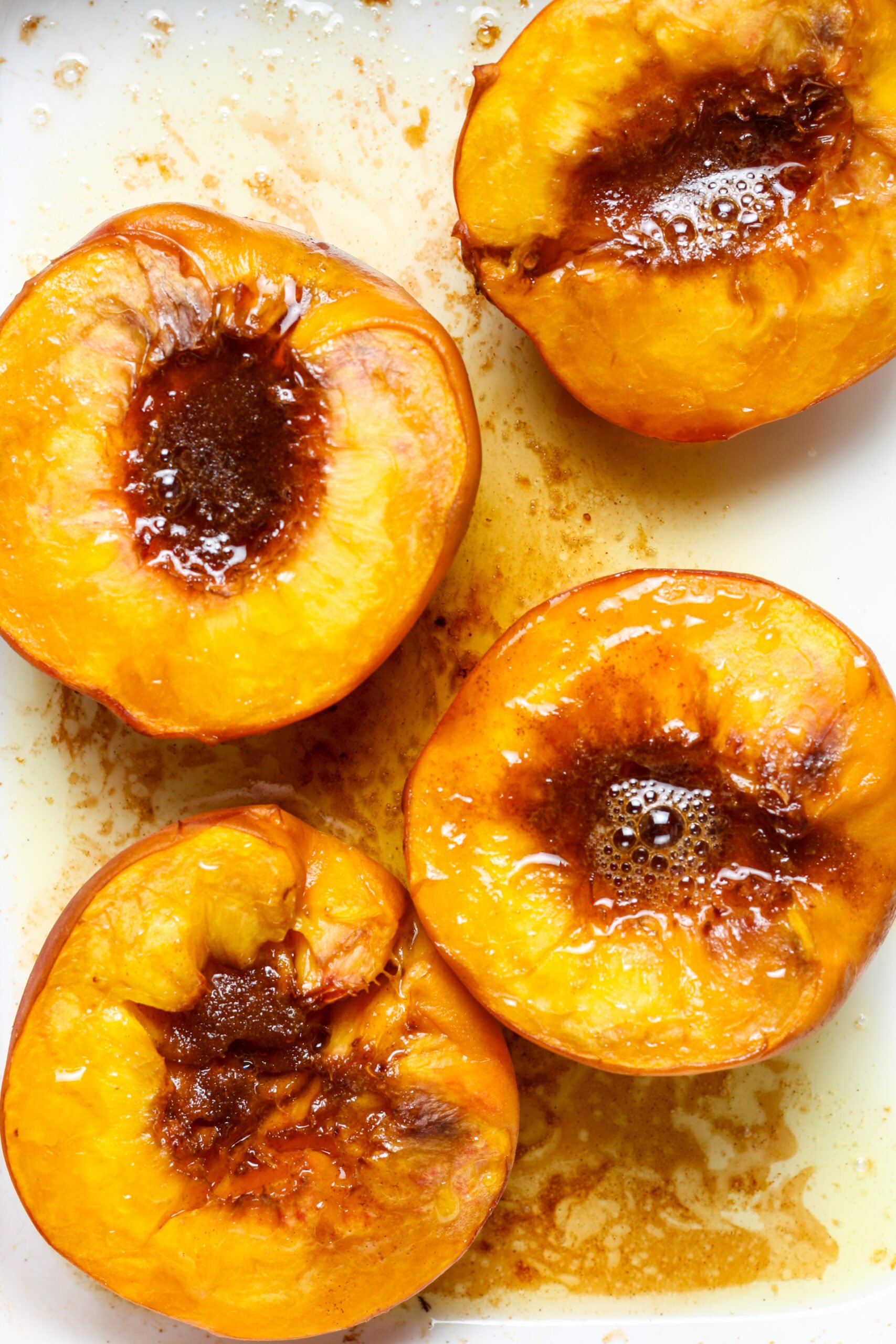
Simultaneously, the application of external ingredients such as cinnamon, butter, and natural sweeteners like coconut sugar facilitates the Maillard reaction and caramelization. These chemical processes create a complex flavor profile that balances the natural acidity of the peach with deeper, savory-sweet notes. The inclusion of fats, such as butter or even high-quality olive oil, serves to conduct heat efficiently through the fruit’s flesh, ensuring uniform cooking.
Seasonal Agricultural Context and Market Trends
The popularity of baked peaches is intrinsically linked to the harvest cycles of regions such as Georgia, California, and South Carolina. Data from the United States Department of Agriculture (USDA) indicates that peach production in the United States remains a multi-million dollar industry, peaking between July and August.
Historically, the preservation and preparation of peaches through baking served as a method to extend the utility of the fruit before the advent of modern refrigeration. In the 19th and early 20th centuries, baking served a dual purpose: it created a palatable dessert and simultaneously pasteurized the fruit, allowing it to be preserved for longer durations. Today, the practice is less about preservation and more about maximizing the flavor profile of the fruit at the peak of its ripeness. Culinary analysts note that consumer demand for "simple, whole-food" desserts has risen by approximately 15% over the last five years, with baked stone fruits emerging as a top-tier choice for health-conscious diners.
Chronology of Culinary Preparation
To achieve the optimal outcome for baked peaches, industry experts recommend a precise, multi-stage preparation process.
- Selection and Procurement: The process begins with the identification of "freestone" peaches, a classification where the pit separates easily from the flesh. This is essential for maintaining the aesthetic integrity of the fruit during the pitting process.
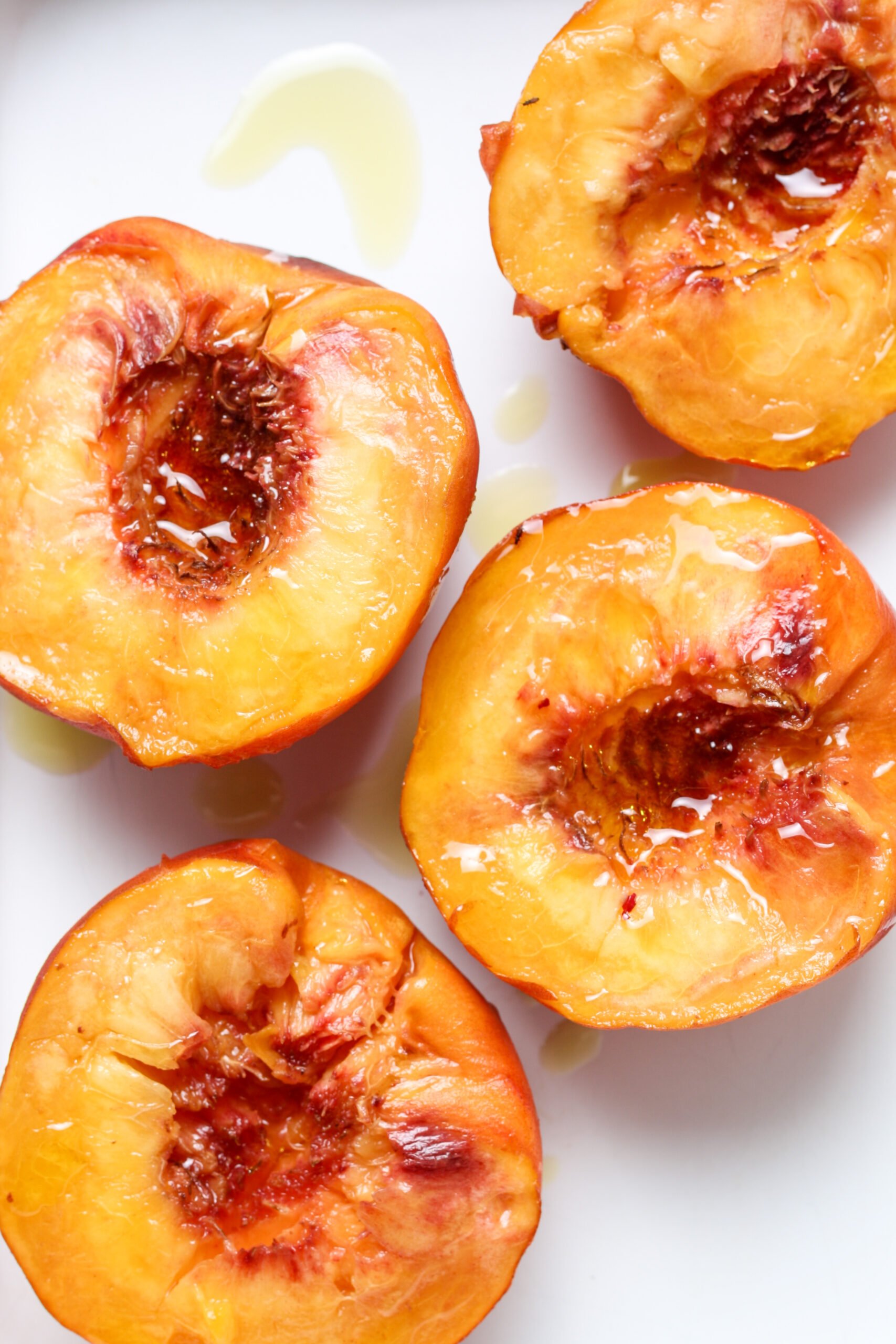
- Pre-treatment: The fruit is halved and the pits are extracted. A light application of fat—typically olive oil or melted butter—is applied to the exterior to prevent desiccation during the initial phase of heating.
- Primary Thermal Exposure: Initial baking occurs for approximately 15 minutes. This stage is designed to begin the softening process without causing the fruit to collapse.
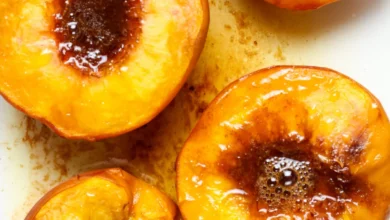
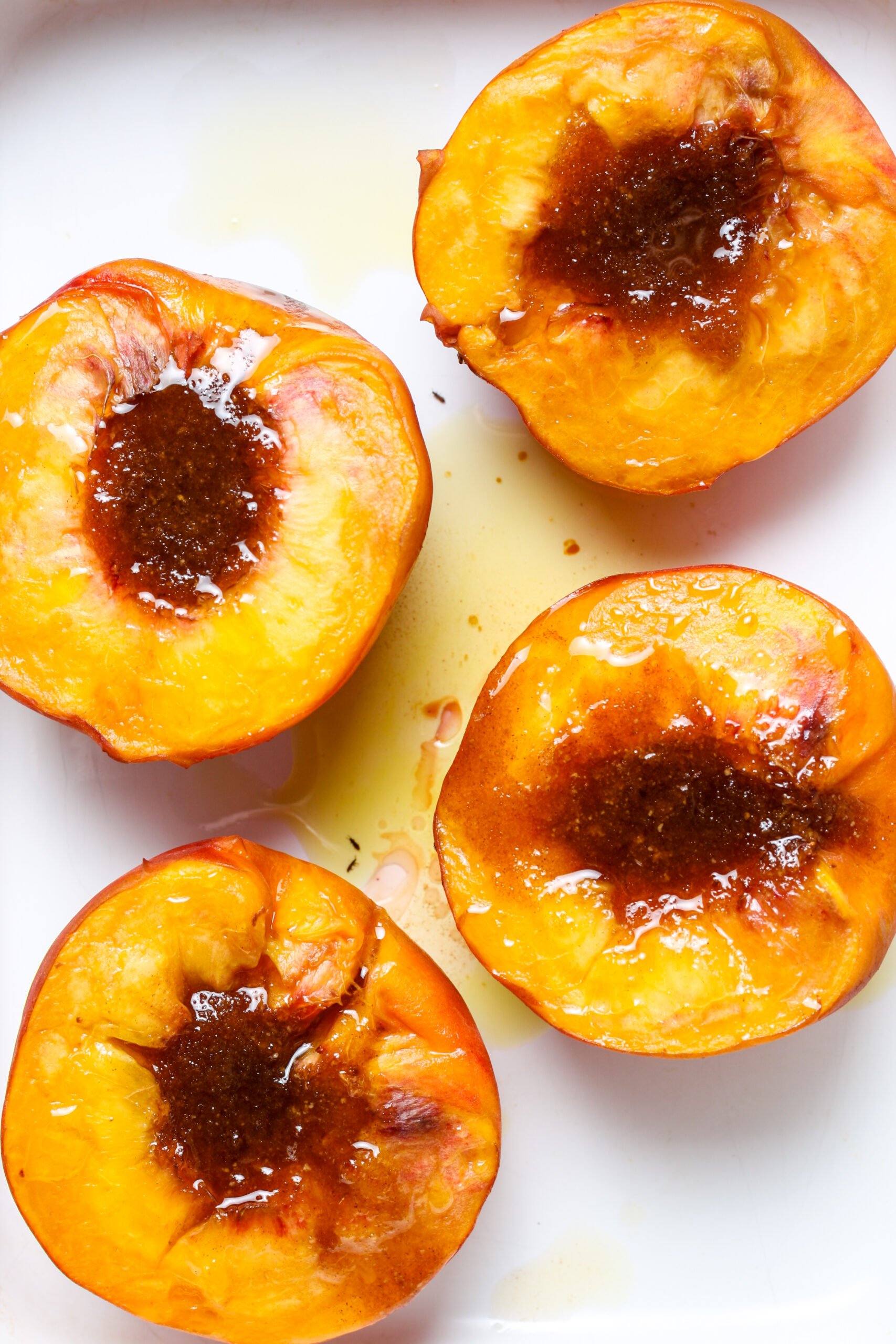
- Enrichment: A mixture of cinnamon, sugar, and additional butter is introduced to the cavity created by the removal of the pit. This concentration of flavor allows the ingredients to meld with the natural juices of the peach as they begin to pool.
- Final Caramelization: A secondary baking period of 10 to 12 minutes completes the dish. This stage ensures the bubbling of the sugar-cinnamon mixture, signifying that the caramelization process has reached its peak.
Comparative Analysis of Sweeteners and Fats
The choice of ingredients significantly impacts the final nutritional and flavor outcome. Traditional recipes often utilized refined white sugars; however, contemporary shifts in consumer preference have leaned toward coconut sugar or alternative sweeteners. Coconut sugar, derived from the sap of the coconut palm, contains trace amounts of iron, zinc, and calcium, and possesses a lower glycemic index compared to sucrose.
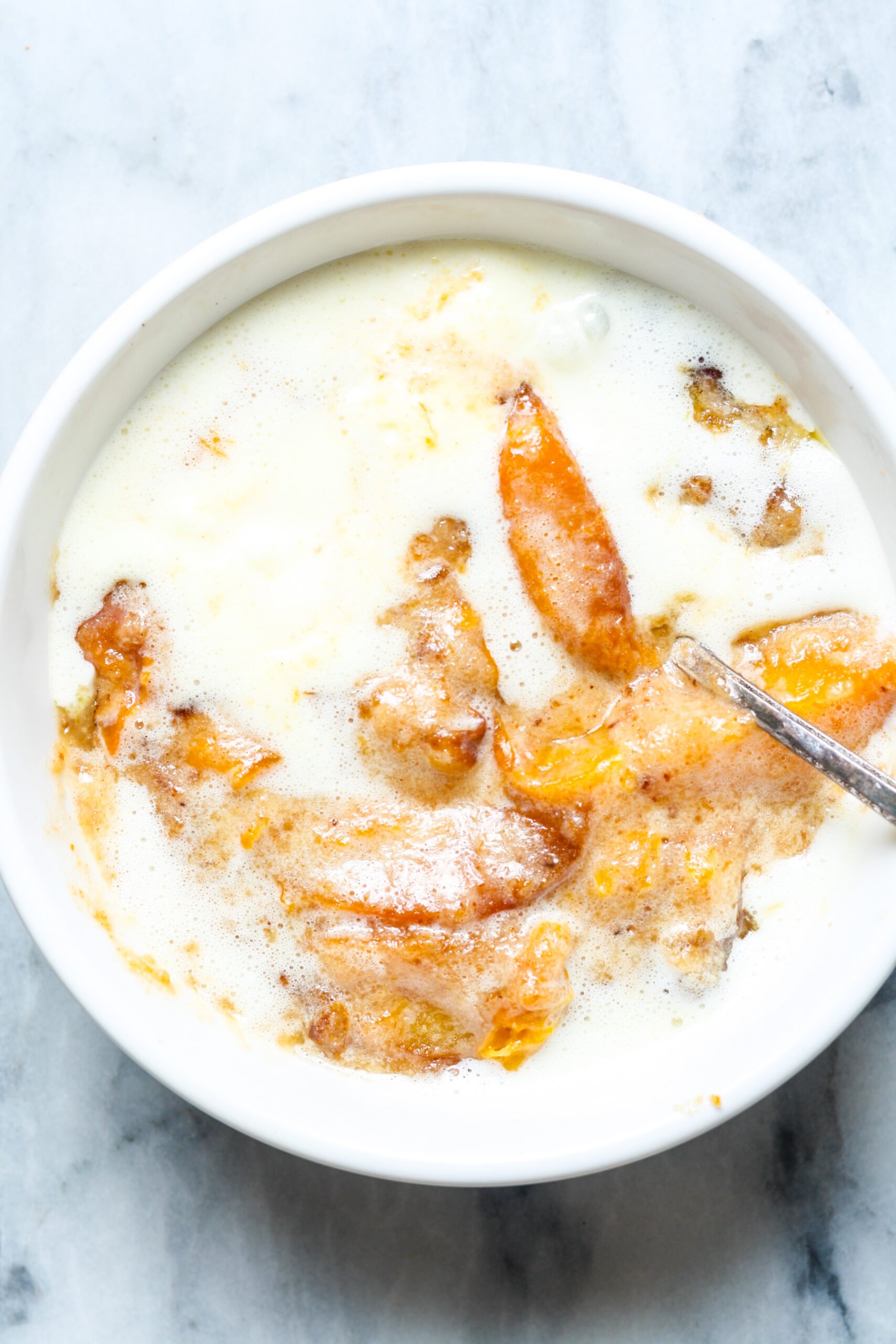
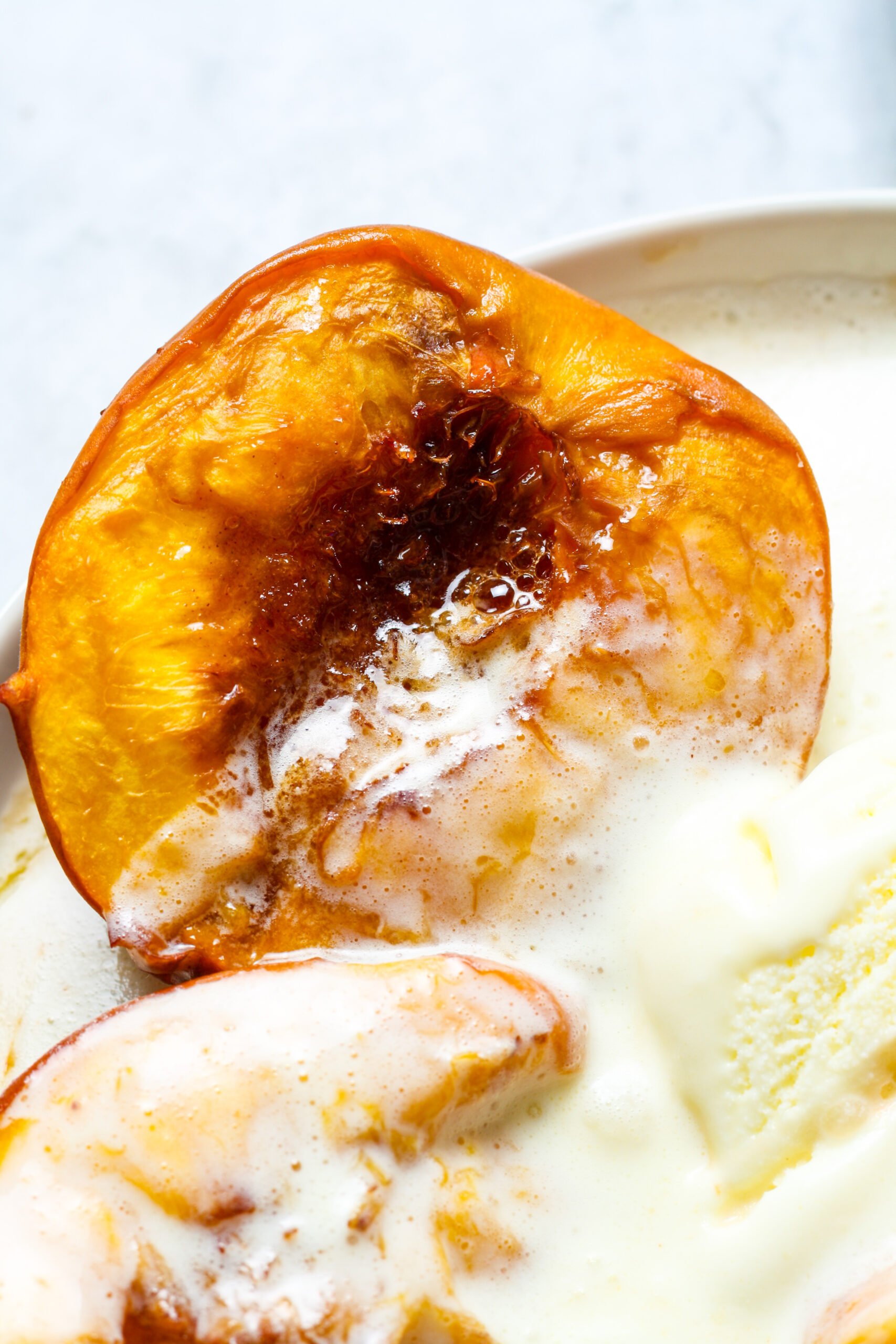
Furthermore, the integration of healthy fats, such as olive oil, has gained traction in professional kitchens. While butter provides a classic, creamy mouthfeel due to its milk solids, olive oil offers a nuanced, slightly savory contrast that highlights the fruit’s natural acidity. Culinary experts suggest that the "pairing" of the warm fruit with cold elements, such as vanilla ice cream or high-protein yogurt, creates a sensory contrast that is widely cited in food science as a driver of consumer satisfaction.
Culinary Implications and Future Trends
The resurgence of baked peaches as a go-to dessert reflects a broader trend in the culinary world: the "back to basics" movement. As consumers become more aware of the ingredient lists in processed desserts, the simplicity of a baked peach—requiring fewer than five core ingredients—presents an appealing alternative.
Statements from food industry researchers suggest that this trend is likely to continue as regional sourcing becomes a priority for home cooks. By reducing the complexity of the preparation, the focus shifts entirely to the quality of the produce. This emphasis on ingredient provenance is expected to influence not only home cooking habits but also the dessert menus of farm-to-table restaurants.
Safety and Best Practices
From a food safety standpoint, the primary concern when preparing baked peaches is the uniform distribution of heat. Because peaches contain high levels of moisture, it is imperative to use a rimmed baking dish. This prevents the loss of juices, which contain the concentrated sugars and spices necessary for the final glaze.
Experts also emphasize the importance of identifying the "ripeness threshold." A peach that is too firm will lack the necessary sugar content to caramelize properly, while a peach that is over-ripe will lose its structural integrity, resulting in a mushy texture. The "press test"—whereby the fruit should yield slightly to gentle pressure—remains the gold standard for quality control in the kitchen.
Broader Economic and Nutritional Impact
Beyond the immediate culinary gratification, the habit of incorporating fresh, seasonal fruit into dessert preparation supports local agricultural economies. By purchasing peaches in season, consumers contribute to the economic viability of orchards.
From a nutritional perspective, peaches are an excellent source of Vitamin C, potassium, and dietary fiber. When baked, the bioavailability of certain antioxidants is actually enhanced. Research published in the Journal of Agricultural and Food Chemistry suggests that the thermal processing of stone fruits can increase the levels of certain phenolic compounds, which are known for their anti-inflammatory properties.
Conclusion: The Lasting Appeal of the Baked Peach
The transition from a raw, sun-ripened peach to a decadent, caramelized dessert is a testament to the power of simple culinary techniques. By adhering to standardized preparation methods, focusing on the quality of ingredients, and understanding the biochemical reactions occurring within the oven, the home cook can produce a result that rivals professional pastry standards.
As the season progresses, the baked peach stands as a symbol of seasonal efficiency—a dish that is both sophisticated in its flavor profile and humble in its origins. Whether served as a standalone dessert or accompanied by cold, creamy dairy, it remains a timeless staple of the culinary calendar, reflecting the perfect marriage of agricultural abundance and human ingenuity. The ability to transform a single, simple fruit into a gourmet experience is a skill that requires little more than time, heat, and an appreciation for the harvest.