Navigating the Culinary Divide: Strategies for Feeding Families with Diverse Food Preferences Without Becoming a Short-Order Cook

The perennial challenge of the 5:30 p.m. dinner dilemma, a moment many parents know intimately, often involves staring into a refrigerator with a palpable sense of dread. This familiar scene plays out in households across the nation, where the culinary landscape is often a battleground of contrasting tastes and textures. One child might be in a phase of unwavering devotion to plain pasta, another staunchly refusing anything with a hint of green, while a partner expresses a desire for a protein-heavy meal. The aspiration for a harmonious family dinner, free from whining, complaints, and barely touched plates, can feel like an unattainable utopia. This constant negotiation can lead to a profound exhaustion, a gnawing frustration when faced with the dreaded "picky eater face," and the siren call of convenience meals like chicken nuggets or peanut butter and jelly sandwiches. For many, this struggle ignites a worry that they are failing at a fundamental aspect of parenting: nourishing their family.
However, a registered dietitian and parent who has navigated these waters firsthand offers reassurance. The current approach is not a reflection of parental inadequacy but rather an engagement with one of the most universally encountered challenges in family life. A practical middle ground exists, one that sidesteps the exhausting role of a short-order cook while also steering clear of a rigid "eat it or else" philosophy. This expert, who herself experienced a childhood of limited culinary horizons, subsisting largely on buttered noodles and canned tuna, and whose spouse was equally averse to vegetables, now aims to foster more confident eaters in her own children. Through years of experimentation, a set of effective strategies has emerged, offering a roadmap for families seeking to reclaim their dinner tables.
Understanding the Roots of Diverse Palates
Before delving into solutions, it’s crucial to acknowledge the normalcy of differing food preferences within a single household. This divergence is not a sign of parental failure or a flawed upbringing. Children’s palates are in constant development, often exhibiting a heightened sensitivity to bitter flavors, a biological predisposition that can influence their acceptance of certain foods. Adults, too, bring their own unique "food baggage"—personal histories, cultural influences, and ingrained preferences—to the table. The simple reality is that individuals have distinct tastes, and this variation is entirely natural. The overarching goal in addressing this challenge is not to homogenize everyone’s preferences but to establish a functional dinner routine that works for the majority of the week, minimizing stress and fostering a more positive dining experience.
The Foundational Principle: One Meal for All
The cornerstone of any successful strategy for managing diverse food preferences is the unwavering commitment to preparing one meal for the entire family. This principle, while seemingly straightforward, is foundational to making all subsequent tactics effective. The rationale behind this approach is multifaceted. By presenting a single meal, parents signal a unified dining experience, discouraging the perception that different individuals are entitled to entirely separate culinary productions. This fosters a sense of shared experience and can subtly encourage a broader acceptance of the meal offered. While it may appear rigid on the surface, adhering to this rule prevents the escalation of demands and the creation of an unsustainable culinary hierarchy.
Strategy 1: Embrace the "Build Your Own Dinner" (BYOD) Approach
A highly effective method for accommodating varied tastes is the "Build Your Own Dinner" (BYOD) concept. This strategy maintains the integrity of preparing a single meal, but its presentation is key. Foods are offered in separate, distinct components, empowering each family member to assemble their own plate according to their preferences. This approach is particularly beneficial for picky eaters, both children and adults, who often exhibit greater receptivity to food when they perceive having control over their meal choices. The ability to select desired foods and control portion sizes instills a sense of ownership and autonomy, making the dining experience less intimidating. This is not about preparing separate meals but rather a subtle shift in presentation that can yield significant positive outcomes.
Examples of BYOD meals include:
- Taco or Burrito Bar: Offering seasoned ground meat or beans, shredded chicken, various toppings like shredded lettuce, diced tomatoes, onions, cheese, salsa, sour cream, and a selection of soft tortillas and crunchy taco shells.
- "Nacho" Night: Similar to a taco bar, but with tortilla chips as the base, allowing individuals to customize their own loaded nachos.
- Buddha Bowls or Grain Bowls: A base of rice, quinoa, or other grains, accompanied by a variety of proteins (e.g., grilled chicken, tofu, beans), roasted or raw vegetables, and a choice of sauces or dressings. The accompanying image of a vibrant Buddha bowl exemplifies this strategy, highlighting the visual appeal and customization potential.
- Pizza Bar: Pre-made pizza crusts or English muffins with a selection of sauces, cheeses, and toppings, allowing everyone to create their personalized pizza.
- Sandwich or Wrap Station: A variety of breads, wraps, and fillings such as deli meats, cheeses, vegetables, and spreads.
A practical application of this strategy can be found in recipes like "Kid-Friendly Tofu Bowls with Peanut Sauce," which encourages the separation of components, allowing for individual assembly.
Understanding Exposure: The Long Game of Taste Development

A common question arises: "How long does it take for a picky eater to accept a new food?" Research suggests that it can take anywhere from 10 to 15 exposures, and often many more, before a child is willing to try a new food. The critical factor is to ensure these exposures are pressure-free. Forcing a child to eat a particular food or creating a stressful experience around it can lead to negative associations, hindering future acceptance. The key is consistent, low-pressure exposure. Serve the food, refrain from engaging in battles, and repeat. This patient approach, rather than forceful intervention, is vital for long-term success.
Strategy 2: The Deconstructed Dinner Approach
When a meal doesn’t naturally lend itself to self-assembly, the "Deconstructed Dinner" strategy offers a viable alternative. This method is closely related to BYOD but is applicable to dishes that are typically served mixed. The core idea is to prepare the meal as usual but to quietly set aside some of its components in their plain, unmixed form. This ensures that if a family member expresses a preference for an unadulterated version of a dish, a deconstructed option is readily available. This is not about preparing an entirely separate meal; it’s a minor, extra step taken during the cooking process that can significantly impact mealtime harmony.
Examples of deconstructed meals:
- Pasta Dishes: When making a pasta with sauce, prepare the pasta and sauce separately. Offer plain pasta with sauce on the side, allowing individuals to mix them to their liking. This is particularly helpful for those who prefer their pasta plain or their sauce less incorporated.
- Stir-fries: Cook the protein and vegetables separately from the sauce and rice or noodles. This allows individuals to combine the elements as they prefer, or even to enjoy plain rice or a selection of cooked vegetables.
- Casseroles: While challenging to fully deconstruct, components like the protein or a specific vegetable could be offered on the side if they are cooked plainly.
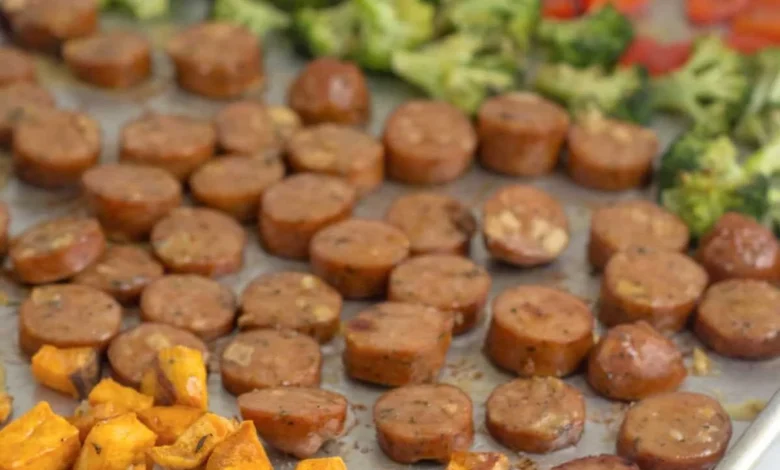
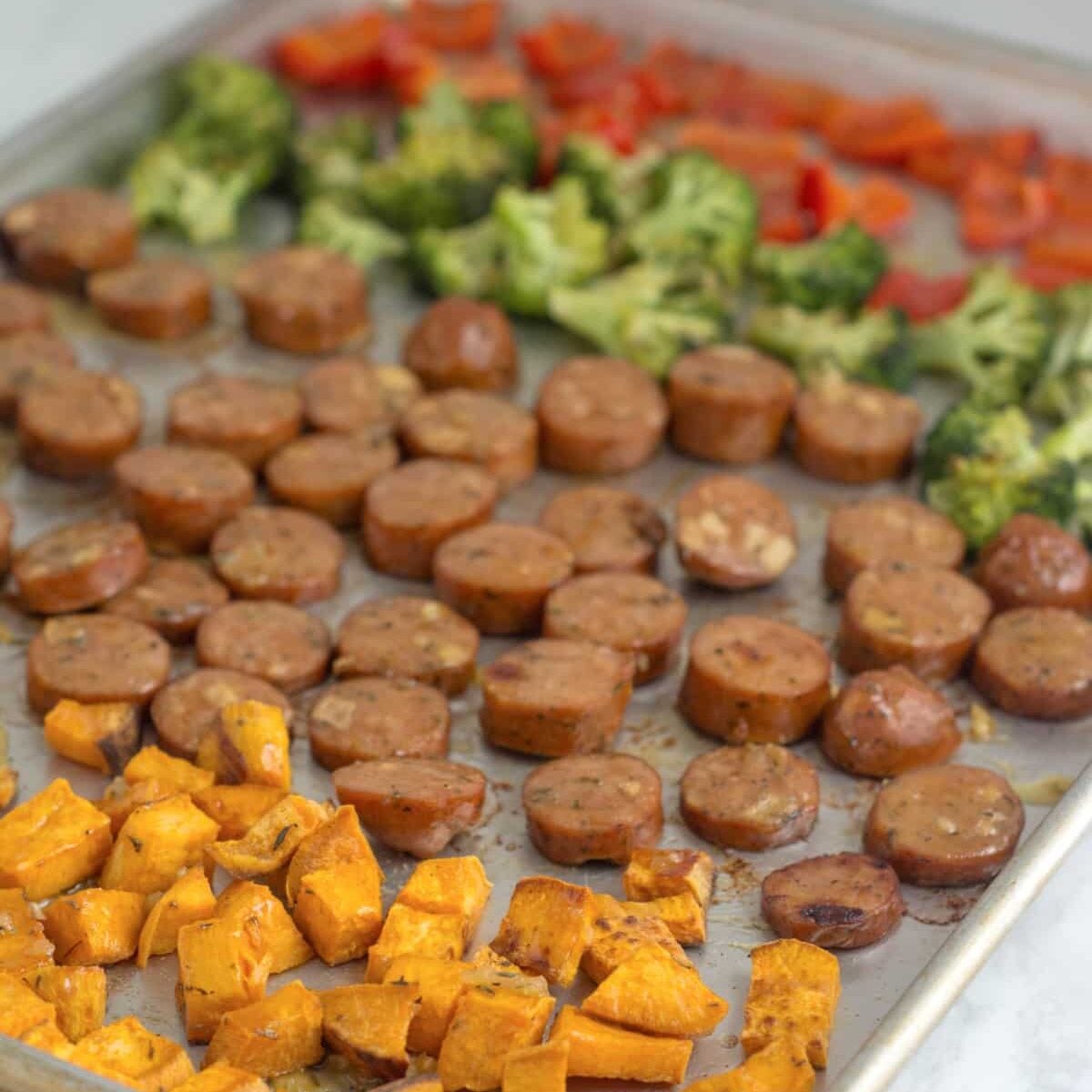
- Sheet Pan Dinners: As illustrated by the accompanying image of a sheet pan dinner, these meals are inherently amenable to this strategy. Proteins and vegetables are cooked separately on the same pan, allowing for easy separation and individual plating. For instance, chicken sausage and vegetables can be cooked together, but plain chicken sausage and plain roasted vegetables can be easily portioned out.
The recipe for "Sheet Pan Chicken Sausage & Veggies with Maple-Thyme Drizzle" serves as a practical example of how this strategy can be implemented, offering flexibility in how components are presented.
Addressing Extreme Picky Eating and Sensory Issues
It’s important to acknowledge that not all feeding challenges are the same. While these strategies are designed for typical picky eating, some children, particularly those with sensory processing issues or more severe feeding challenges, may require different accommodations. In cases of extreme picky eating, consulting with a pediatric dietitian or a feeding therapist is recommended. These professionals can provide tailored strategies and support to address the specific needs of the child and family.
Strategy 3: The "Safe Food" Guarantee
For parents who wish to prepare a meal they genuinely enjoy, even if it’s not universally popular, the "Safe Food" strategy offers a balanced solution. The principle here is to ensure that at least one component of the meal is something a less adventurous eater will reliably consume. This "safe food" should be available to everyone at the table, not exclusively for one individual, thereby maintaining the "one meal" principle.
Examples of "Safe Foods":
- Plain Pasta or Rice: A simple carbohydrate base that can be offered alongside a more complex dish.
- Bread or Rolls: A familiar and generally accepted accompaniment.
- Fruit or Vegetable Sticks: Raw carrots, cucumber slices, or apple wedges can serve as accessible side options.
- Plain Yogurt or Cheese: These can act as a palatable addition for those who are hesitant about the main offering.
When a child, or even a spouse, expresses reluctance towards the main dish, a calm reminder that other palatable options are available on the table can be effective. The key is to offer these choices without pressure or prolonged negotiation, then to allow the individual to make their own decision. This empowers them while reinforcing that a complete meal is still accessible.
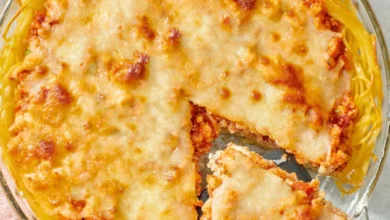
The image of a comforting Spaghetti Carbonara, a dish that often appeals to a wide range of palates, can represent a meal where a "safe food" like plain pasta might be offered alongside for a particularly hesitant eater.
Strategy 4: The Power of "Favorites Night"
To foster a sense of inclusion and acknowledge individual preferences, consider implementing a "Favorites Night" rotation. Designate a specific period, perhaps a week or a month, where each family member gets to choose a dinner. This gesture powerfully communicates that everyone’s tastes are valued and will be honored. The knowledge that their preferred meal is on the horizon can make less favored meals, like fish tacos on a Wednesday, feel less daunting. This strategy cultivates goodwill and demonstrates a commitment to shared family dining experiences.
Cultivating the "Not Every Meal is Your Favorite" Mindset
Underpinning all these practical strategies is a crucial mindset shift: the understanding that "not every meal can be your favorite." This lesson, best imparted early and reinforced consistently, is a vital life skill. Children need to learn that life, and by extension dining experiences outside the home, often involve making do with less-than-ideal choices. Whether at a friend’s house, a restaurant, or a party, they will encounter unfamiliar foods and situations where their preferred options are not available. The dinner table provides a safe and supportive environment for them to learn this adaptability.
The author shares a personal anecdote about a chicken pot pie that was initially rejected by her son but, through consistent, non-pressured offering, eventually became a favorite. This exemplifies the "magic of repeated exposure without drama." While not every rejected dish will become a beloved meal, even a partial success rate represents a significant victory.
To effectively teach this lesson without resorting to lecturing, consider these approaches:
- Model acceptance: Show your own willingness to try and appreciate a variety of foods, even those that aren’t your top choice.
- Narrate real-life scenarios: Discuss how you encountered less-than-favorite foods at events or outings, and how you managed.
- Focus on the positive aspects: Even if a dish isn’t a favorite, highlight what is enjoyable about it, such as a particular flavor or texture.
- Emphasize the "family meal" experience: Frame dinner as a time for connection and shared experience, rather than solely about individual food preferences.
Navigating Marital Culinary Disagreements
The challenges of diverse food preferences are not confined to children; they can also extend to spouses. Many adults exhibit limited diets, and strong opinions about food can create friction. When this occurs, a direct and calm approach is essential.
- Private Conversation: Initiate a private, honest discussion with your spouse away from the children. Articulate your concerns about how differing reactions to food can influence children’s eating habits.
- Identify Common Ground: Explore shared culinary interests and build meals around these commonalities. The BYOD and deconstructed dinner strategies can be equally effective in accommodating adult preferences.
- Shared Responsibility: Propose a system where each partner takes charge of dinner preparation for a set number of nights per week. This allows each individual to set the menu according to their preferences, fostering a sense of balance and mutual respect.
The implication of these strategies is a move towards a more peaceful and sustainable approach to family mealtimes. By shifting the focus from individual catering to shared experiences and empowering family members with choices within a unified meal structure, parents can reduce stress, foster healthier eating habits, and strengthen family bonds around the dinner table. The long-term benefits extend beyond mere sustenance, contributing to a child’s development of confidence, adaptability, and a positive relationship with food.