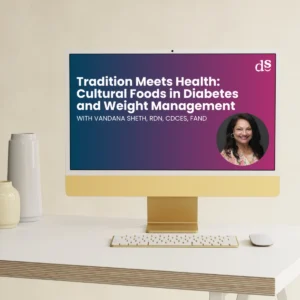
Cultural Foods and Diabetes Tip Sheet: Healthy Eating Without Giving Up Tradition

The Shift Toward Culturally Competent Nutrition
The introduction of "Tradition Meets Health" represents a significant departure from the traditional "good food versus bad food" dichotomy that has dominated diabetes education for years. Historically, the clinical community viewed traditional dishes from Asian, Latin American, African, and Middle Eastern cultures as inherently problematic for blood sugar regulation. This perspective often led to non-compliance, as patients felt forced to choose between their cultural identity and their medical health.
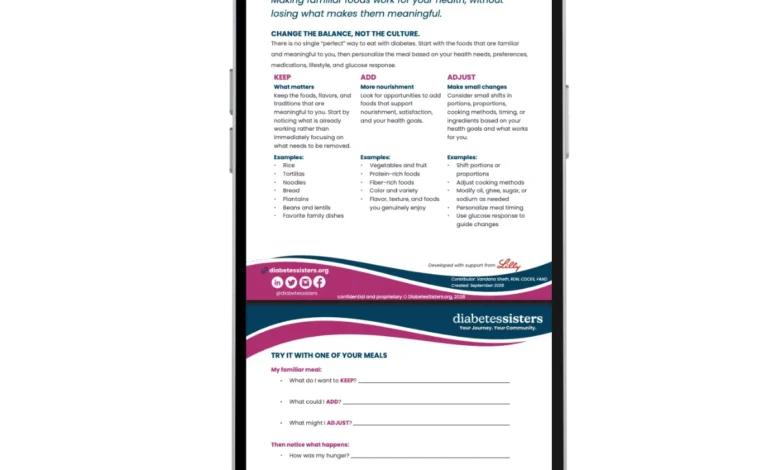
Vandana Sheth’s work acknowledges that food is more than just fuel; it is a repository of history, community, and comfort. By developing a framework that honors these traditions, the guide provides a roadmap for patients to manage chronic conditions without the psychological burden of cultural erasure. The core of this methodology is the "Keep, Add, Adjust" approach, a systematic way to evaluate meals that encourages patient agency and sustainable lifestyle changes.
The Keep, Add, Adjust Methodology
The efficacy of the "Keep, Add, Adjust" strategy lies in its simplicity and adaptability. By breaking down the components of a meal, patients can maintain the integrity of their culinary heritage while optimizing their nutritional profile:
- Keep: This involves identifying the foundational elements of a cultural dish that provide comfort and identity. These are the flavors and ingredients that make a meal feel like home.
- Add: This step focuses on nutritional enhancement. By incorporating high-fiber vegetables, lean proteins, or healthy fats, patients can dampen the glycemic response of a meal without removing the primary starch or sauce.
- Adjust: This is the clinical optimization phase. It involves small, calculated changes such as swapping cooking oils, reducing refined sugars, altering portion sizes, or timing carbohydrate intake to align with physiological needs.
This three-pronged approach recognizes that there is no "perfect" diabetes diet. Instead, the focus shifts to a personalized strategy that accommodates the individual’s unique metabolism, budget, time constraints, and social context.
Clinical Background and Context
The rise of this approach comes at a critical time in global health. According to data from the International Diabetes Federation (IDF), the number of adults living with diabetes is expected to reach 783 million by 2045. A significant portion of this growth is occurring in low- and middle-income countries, where traditional diets are rapidly shifting toward processed, high-glycemic foods.
For many, the struggle to manage diabetes is exacerbated by the lack of culturally sensitive education. When a clinician prescribes a Mediterranean diet to a patient whose staple foods are rice, lentils, or maize, the lack of relevance often leads to frustration. The development of "Tradition Meets Health" aligns with a broader movement in the medical community toward "culturally humble" care—a practice where providers recognize that their patients are the experts on their own lives and foodways.
Data-Driven Nutritional Strategies
Supporting the "Keep, Add, Adjust" model is a growing body of evidence suggesting that fiber-rich, nutrient-dense diets can significantly improve HbA1c levels, even when they include traditional carbohydrate sources. Research indicates that the sequence of food intake—consuming fiber and protein before carbohydrates—can blunt postprandial glucose spikes.

By applying these physiological principles to traditional meals, patients can continue to enjoy familiar foods. For example, adding a salad or steamed greens to a traditional rice-based meal can change the glycemic load of the entire dish. This is not merely an aesthetic change; it is a metabolic strategy that allows for long-term adherence. The clinical implication is clear: when patients are not forced to abandon their cultural identity, their long-term health outcomes improve because they are more likely to adhere to a regimen that feels natural and sustainable.
Implications for Healthcare Providers
The release of this guide serves as a call to action for registered dietitians, endocrinologists, and primary care physicians. The medical field is increasingly recognizing that health equity includes the right to eat culturally appropriate food.
Industry experts have noted that the "one-size-fits-all" model of nutrition counseling is outdated. The implications of this shift are twofold:
- Increased Patient Engagement: When patients feel seen and heard, they are more likely to participate in their own care. This fosters a collaborative relationship between the patient and the healthcare provider.
- Reduction in Health Disparities: By providing tools that are accessible and culturally relevant, the medical community can help reduce the disproportionate impact of diabetes on minority populations.
A Chronology of Nutrition Counseling
To understand the significance of this development, one must look at the evolution of dietetics:
- 1980s–1990s: The era of strict, calorie-counting, low-fat diets. These were rigid and often ignored the cultural diversity of the patient population.
- 2000s–2010s: The rise of the glycemic index and carb counting. While more effective, these methods were still often taught in a vacuum, ignoring the composition of mixed meals.
- 2020s–Present: The move toward "personalized nutrition" and "cultural competence." This modern era prioritizes the patient’s relationship with food, viewing it as a therapeutic tool rather than a source of stress.
Vandana Sheth’s contribution is a landmark within this latest stage. It moves beyond theoretical advice and provides a practical toolkit for implementation, effectively bridging the gap between clinical theory and real-world application.
Future Perspectives
As the prevalence of Type 2 diabetes continues to rise, the role of nutrition as a first-line treatment becomes increasingly vital. The success of "Tradition Meets Health" lies in its ability to empower the patient. By stripping away the shame often associated with "unhealthy" traditional eating habits, the guide transforms the kitchen into a laboratory for health.
The broader impact of this initiative is likely to be felt in clinical settings where dietitians and educators will adopt these methods to improve patient outcomes. If successful, this model could be integrated into standard diabetes management programs across the country, fundamentally changing how health systems approach nutritional education for diverse populations.
Ultimately, the goal of modern diabetes care is not to create a rigid, uniform population of eaters. It is to help individuals manage their health in a way that allows them to maintain their dignity, their traditions, and their joy. By focusing on the "Keep, Add, Adjust" approach, Vandana Sheth has provided a path that respects the human element of medicine. As we move forward, the integration of cultural wisdom with clinical science will likely define the next generation of diabetes management, proving that you do not need to lose your heritage to gain your health.