The Ultimate Guide to Sourcing Ethical and Eco-Friendly Towels in the UK


The shift toward a circular economy has prompted a significant re-evaluation of household consumer goods, with textiles emerging as a primary focus for environmental advocates and conscious consumers alike. While the transition to bamboo toothbrushes and plastic-free shampoo bars has become commonplace, the environmental footprint of bathroom textiles—specifically towels—remains a largely overlooked area of domestic sustainability. Conventional towel production is resource-intensive, often involving excessive water consumption, chemical pesticides, and labor practices that fall below international standards. For consumers aiming to align their purchasing power with environmental stewardship, navigating the market requires a granular understanding of textile certification and manufacturing ethics.

The Environmental Cost of Conventional Textiles
The global textile industry is responsible for approximately 10% of global carbon emissions and is the second-largest industrial polluter of water worldwide. Standard cotton production is particularly problematic. According to the World Wildlife Fund (WWF), it can take upwards of 20,000 liters of water to produce just one kilogram of cotton—roughly the amount needed for a single t-shirt and a pair of jeans. When extrapolated to the production of heavy-duty bath towels, the ecological impact is profound. Furthermore, conventional cotton cultivation relies heavily on synthetic fertilizers and pesticides, which contribute to soil degradation and water toxicity, often affecting the health of workers in the supply chain.
The rise of "greenwashing"—where brands utilize vague marketing terms like "natural" or "sustainable" without independent verification—has complicated consumer choice. To combat this, industry experts point toward rigorous, third-party certifications as the gold standard for verifying ethical claims.
Decoding Sustainability Certifications
For consumers looking to avoid deceptive marketing, specific international standards serve as benchmarks for accountability:
- Global Organic Textile Standard (GOTS): This is widely considered the leading processing standard for textiles made from organic fibers. It defines high-level environmental criteria along the entire organic textiles supply chain and requires compliance with social criteria.
- OEKO-TEX Standard 100: This certification ensures that every component of an article, from fabric to thread and accessories, has been tested for harmful substances. It serves as a guarantee that the product is harmless in human ecological terms.
- Fairtrade Certification: This certification focuses on the socio-economic conditions of workers. It ensures that producers receive fair prices and that international labor standards, such as the prohibition of child labor and safe working conditions, are maintained.
Conversely, some alternative certifications have faced scrutiny. Better Cotton Initiative (BCI) cotton, while promoting more sustainable farming practices, does not guarantee the same level of environmental or social rigor as organic-certified alternatives, leading many sustainability advocates to prioritize GOTS or organic labels instead.

The Bamboo Debate: A Technological Caveat
Bamboo is frequently marketed as a "miracle" sustainable fabric due to the plant’s rapid growth rate and minimal need for pesticides. However, the conversion of raw, woody bamboo into soft textile fiber is a chemically intensive process. This transformation typically involves the use of carbon disulfide and other hazardous solvents, which, if not managed within a closed-loop system, can cause severe environmental damage and pose health risks to factory workers. As a result, unless a brand can provide transparent, verified documentation of their chemical management and waste-water treatment, bamboo should not be automatically categorized as a superior sustainable choice.
Leading Ethical Brands and Industry Innovations
The current market for ethical towels in the UK is characterized by a mix of established brands and emerging innovators who are redefining the product lifecycle.
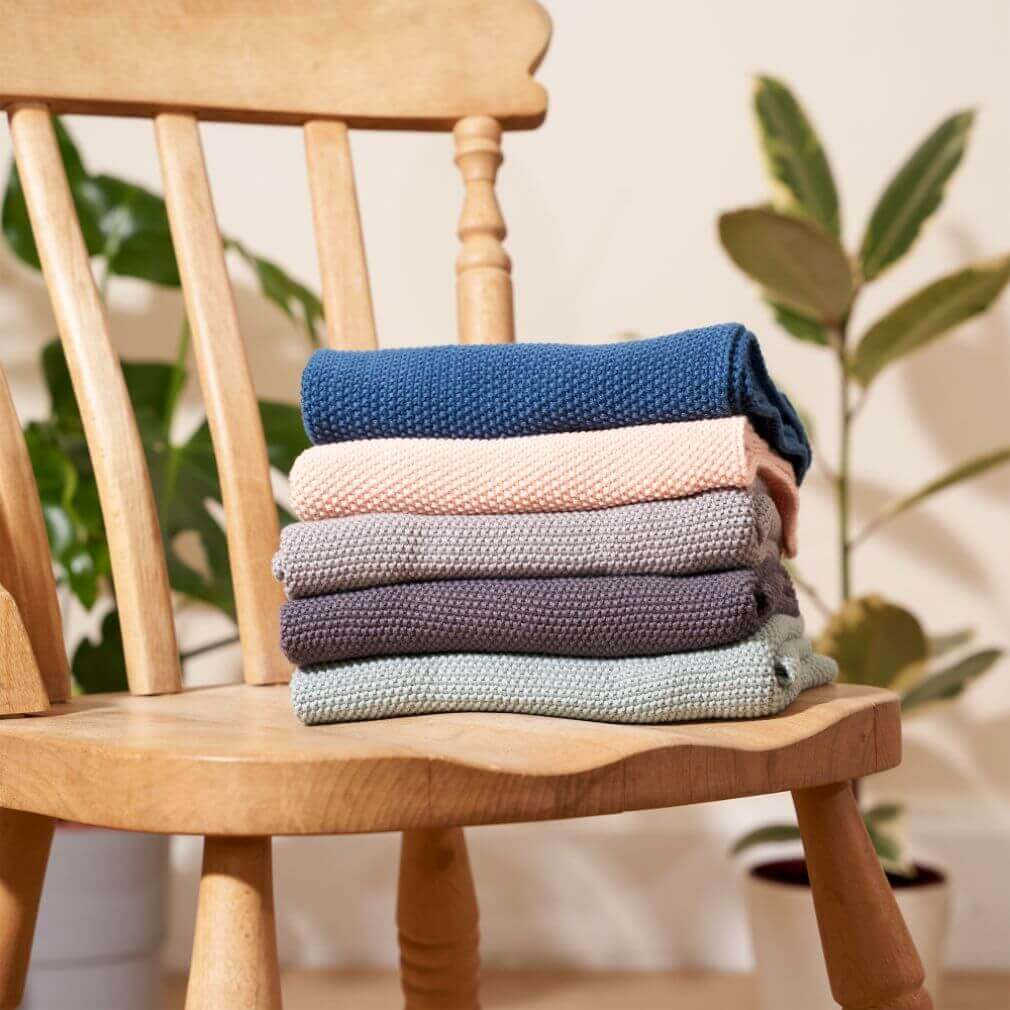
Cottsbury and Organic Integrity
Cottsbury has distinguished itself by focusing on 100% GOTS-certified organic cotton. Their operational model emphasizes the use of high-quality, long-staple fibers, which improves durability and longevity—a key principle of sustainability, as products that last longer reduce the frequency of replacement. By manufacturing in Fairtrade-certified facilities in India, the brand provides a transparent look at the supply chain, ensuring that labor standards are maintained via independent audits.
Dock & Bay and the Circular Economy
Representing the shift toward post-consumer waste, Dock & Bay utilizes recycled materials to combat the surplus of plastic bottles in landfills. As a certified B-Corp, the company meets verified standards of social and environmental performance. Their production process turns recycled plastic into textile fibers, which are then used to create lightweight, quick-drying towels. This innovation addresses the growing demand for recycled alternatives, though it highlights a modern environmental challenge: the shedding of microplastics. To mitigate this, consumers are encouraged to utilize specialized washing bags, such as the Guppyfriend, which capture synthetic fibers during the laundering process.

Wild & Stone and Supply Chain Logistics
Wild & Stone demonstrates the importance of logistics in the broader sustainability conversation. Beyond ensuring their organic cotton is GOTS and OEKO-TEX certified, the company prioritizes sea freight over air freight for the importation of their goods, significantly lowering the carbon footprint associated with transport. Their commitment to plastic-free, recyclable packaging and philanthropic support for the Marine Conservation Society illustrates an integrated approach to corporate responsibility.
House of Hampton: Leveraging Textile Remnants
House of Hampton exemplifies the "zero-waste" ethos by utilizing cotton remnant threads from other production processes. By repurposing materials that would otherwise be discarded, the company reduces the demand for virgin resources while creating unique, aesthetically distinct products. This approach provides a blueprint for how smaller brands can contribute to a circular economy by optimizing existing textile outputs.

Dip & Doze and Small-Scale Agriculture
Dip & Doze places emphasis on the source of their raw materials. By working with non-profit organizations that support small-scale family farms, they ensure that the organic cotton is grown without genetically modified organisms or synthetic chemicals. This partnership-based model not only fosters sustainable agriculture but also aims to improve the economic stability of the farmers involved, reinforcing the "social" aspect of the environmental, social, and governance (ESG) criteria.
Luks: Durability as a Sustainability Metric
Luks emphasizes the longevity of their products through their association with the "Buy Me Once" initiative. Their handcrafted, lightweight Peshtemal-style towels represent a departure from the traditional "fluffy" bath towel, offering a quick-drying, space-efficient alternative. The brand’s confidence in their product quality is evidenced by a 20-year repair or replacement guarantee, a bold policy that challenges the culture of "fast fashion" and planned obsolescence.

Broader Implications and Future Trends
The movement toward sustainable bathroom textiles is part of a larger trend in consumer behavior that favors transparency and accountability. According to recent market analysis, the global organic textile market is projected to grow significantly as regulatory pressures on manufacturers increase and consumer awareness regarding supply chain ethics reaches an all-time high.
The implications for the UK market are clear: consumers are no longer satisfied with aesthetic value alone; they are demanding proof of impact. Retailers that fail to provide certifications or evidence of ethical labor practices are increasingly finding themselves at a disadvantage. As the industry moves forward, we can expect to see further integration of circularity, with brands investing more heavily in take-back schemes, garment recycling, and biodegradable packaging.

Ultimately, the most sustainable towel is the one that is already in the cupboard. However, when the time comes for a necessary replacement, the choice to support brands that prioritize GOTS certification, fair labor, and reduced chemical usage is a meaningful step toward a more sustainable domestic footprint. By scrutinizing the manufacturing process and favoring durability over trends, consumers can influence the industry to adopt more responsible practices, effectively shifting the market toward a more ethical future.