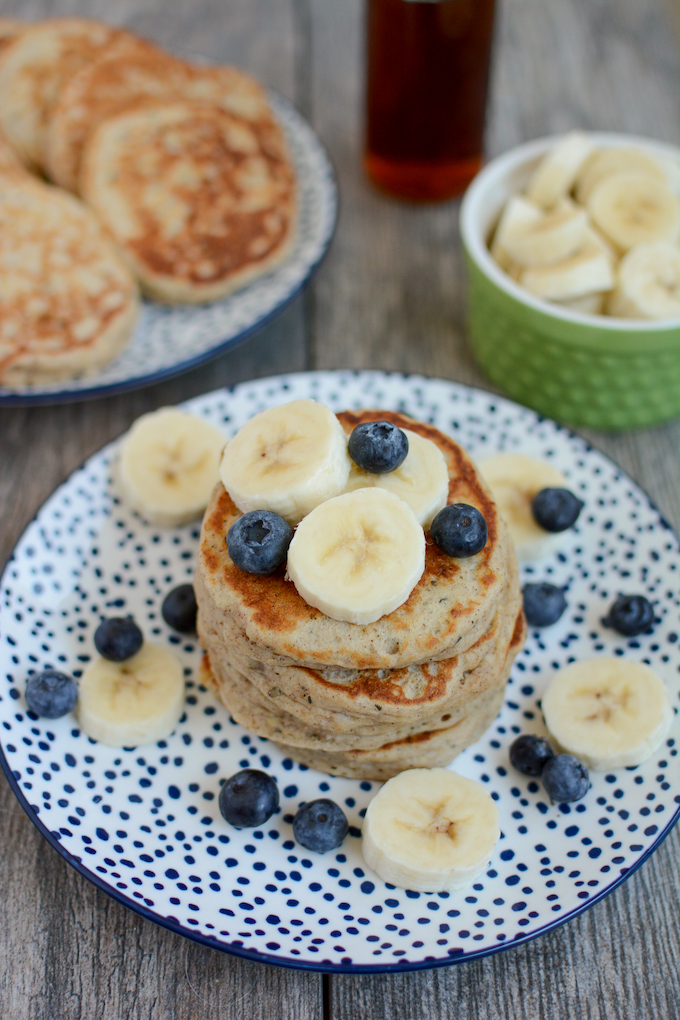
The culinary movement toward simplifying breakfast staples while increasing nutritional density has led to a surge in the popularity of fruit-based, sugar-free pancake alternatives. Among these, the easy banana pancake has emerged as a cornerstone of the modern "whole foods" breakfast trend. By utilizing the natural chemical properties of overripe fruit, home cooks and professional nutritionists alike have developed methods to eliminate the need for refined sweeteners while maintaining the structural integrity of traditional griddle cakes.

The Science of Natural Sweetening and Texture
The fundamental appeal of the banana pancake lies in the ripening process of the Musa acuminata. As bananas mature, the enzyme amylase breaks down complex starches into simpler sugars, such as glucose, fructose, and sucrose. This biochemical transition is critical for the "no added sugar" recipe model. By selecting fruit at the stage of senescence—characterized by heavy brown spotting or entirely darkened peels—the home cook maximizes the natural sucrose content, effectively bypassing the need for exogenous additives like granulated cane sugar or high-fructose corn syrup.
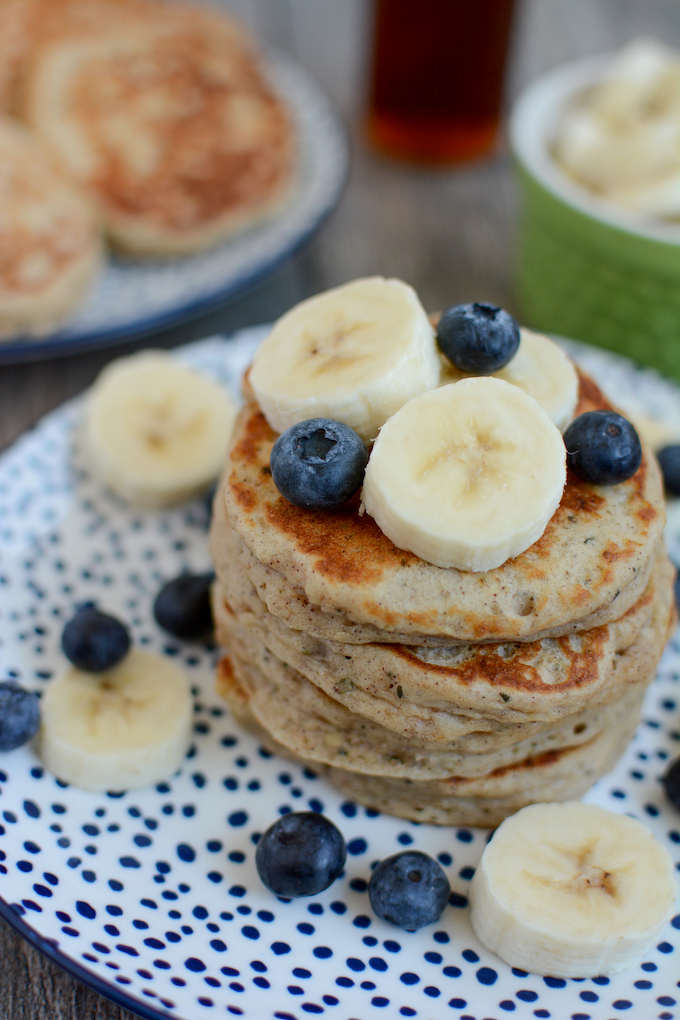
Beyond sweetness, the banana serves as a functional ingredient. The high pectin content and structural fiber within the fruit act as a natural binding agent. When mashed or pureed, these components interact with eggs—the primary protein source in the batter—to create a stable, leavened matrix. When heated on a griddle, the proteins denature and coagulate, resulting in the light, fluffy texture typically associated with more complex flour-based recipes.
Historical Context and Evolution of the Recipe
While banana-infused breakfast breads and cakes have been documented in American cookbooks since the early 20th century, the "flourless" or "low-flour" banana pancake gained significant traction in the early 2010s. This shift was largely driven by the rise of Paleo, Whole30, and gluten-free dietary protocols that sought to move away from processed wheat flours.
Historically, the evolution of the recipe can be categorized into three distinct phases:
- The Traditional Era (Pre-2000s): Banana pancakes were viewed as a flavor variation of standard buttermilk pancakes, usually relying heavily on bleached white flour and added refined sugars.
- The "Fitness" Transition (2000s–2015): The introduction of the "two-ingredient pancake"—consisting solely of eggs and bananas—gained viral status. While structurally successful, these versions were often criticized for lacking the "bready" mouthfeel of traditional pancakes.
- The Hybrid Optimization Era (2016–Present): Contemporary recipes, such as the one analyzed here, represent a balanced approach. They incorporate small amounts of whole-grain flours or oat-based binders to provide a superior texture while maintaining a focus on nutritional density and glycemic control.
Comparative Nutritional Analysis
The decision to forgo added sugar in breakfast items is supported by current public health data regarding metabolic health. The American Heart Association recommends that women limit added sugar to no more than 25 grams per day and men to no more than 36 grams. Traditional pancakes, often served with maple syrup or fruit preserves, can easily exceed 50 grams of sugar per serving.
By relying on the natural fiber content of bananas—which averages 3 grams per medium fruit—the glucose absorption rate is moderated. This prevents the rapid insulin spikes associated with high-glycemic breakfasts. When paired with a protein source, such as cottage cheese or eggs, the meal achieves a macronutrient balance that supports satiety and sustained energy levels throughout the morning.
Culinary Techniques: Mashing vs. Blending
The preparation method significantly influences the final product’s consistency. Culinary experts generally distinguish between two preparation styles based on the target demographic:
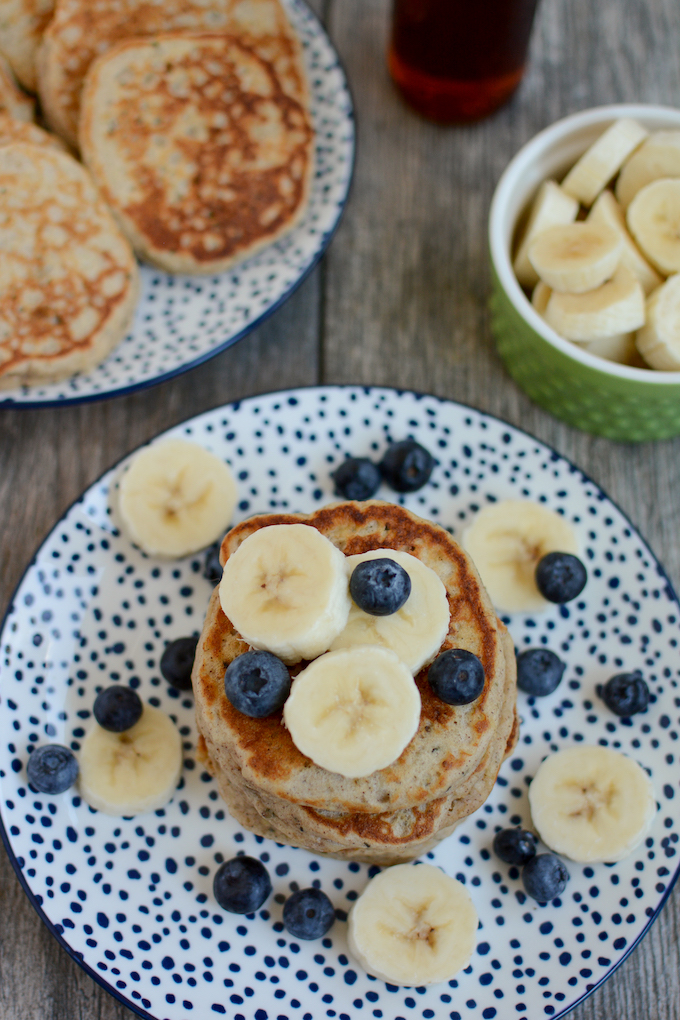
- The Manual Mash Method: Utilizing a fork to break down the fruit results in a rustic texture. This is preferred for those who enjoy the mouthfeel of banana pieces within the pancake. It is the most time-efficient method and requires minimal equipment.
- The Emulsified Blend Method: Using a high-speed blender to integrate the bananas with the eggs and dairy creates a batter with high viscosity and uniformity. This technique is particularly effective for households with children or individuals who exhibit a sensory aversion to fruit textures. Furthermore, blending allows for the easy integration of denser, nutrient-rich additions like flaxseed or oat flour without compromising the batter’s structural integrity.
Strategic Meal Preparation and Preservation
A notable advantage of the banana pancake, when compared to traditional flour-heavy recipes, is its shelf stability. Because of the moisture retention provided by the fruit, these pancakes remain palatable after refrigeration or freezing.
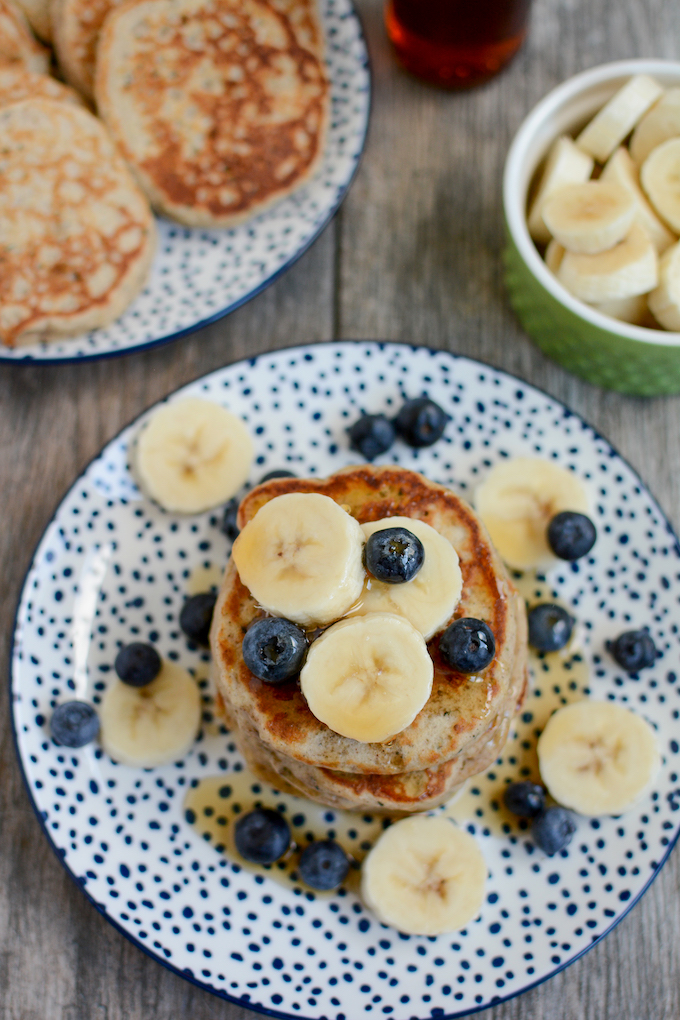
Industry standard protocols for "freezing for future consumption" involve a two-step process: flash-freezing the cooked cakes in a single layer to prevent ice crystal formation and physical adhesion, followed by vacuum-sealing or storing in airtight containers. When reheated in a low-temperature toaster or microwave, the natural sugars caramelize slightly, often enhancing the flavor profile beyond that of a fresh-from-the-griddle pancake.
Variations and Dietary Adaptations
The versatility of the base recipe allows for significant modification without altering the core chemical stability:
- Protein Enrichment: Substituting milk with cottage cheese or Greek yogurt increases the amino acid profile of the breakfast. However, these substitutions require adjustments in cooking technique; because these ingredients are denser, the cook must manually spread the batter on the griddle to ensure even heat distribution.
- Alternative Binders: For those requiring an egg-free diet, flax seeds (Linum usitatissimum) provide an excellent substitute. When mixed with water, the mucilaginous coating of the flax seed creates a gel-like substance that mimics the binding properties of egg whites.
- Grain-Free Alternatives: The use of oat flour—made by grinding rolled oats—offers a higher fiber content and a lower glycemic index compared to refined wheat flour, aligning with the "clean label" movement prevalent in modern home kitchens.
Broader Implications for Breakfast Habits
The shift toward recipes that emphasize whole-food ingredients reflects a broader change in consumer behavior. As families become more educated on the long-term health implications of processed diets, the demand for recipes that are both "kid-friendly" and nutritionally sound has intensified.
The "no added sugar" banana pancake serves as a gateway to broader dietary changes. It demonstrates that the removal of refined ingredients does not necessitate a sacrifice in palatability. As these recipes continue to circulate in digital culinary databases, they provide a standardized, accessible method for home cooks to manage daily nutrient intake while reducing food waste—specifically by repurposing overripe fruit that would otherwise be discarded.
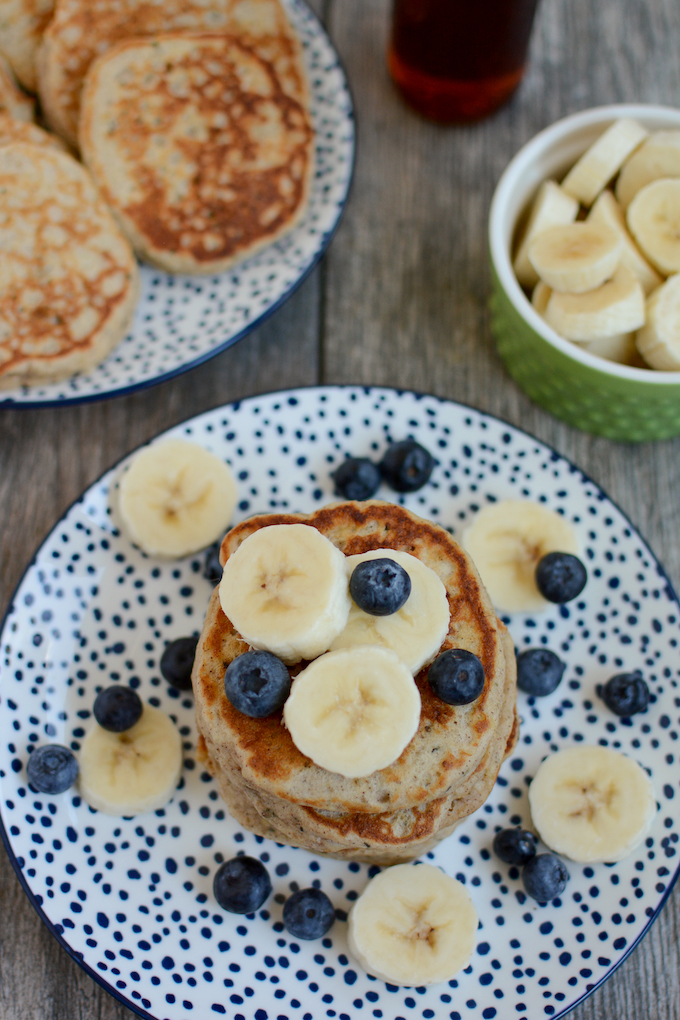
In conclusion, the simple banana pancake has transcended its origins as a basic comfort food to become a sophisticated, nutritionally-conscious breakfast staple. Whether viewed through the lens of biochemistry, nutrition, or culinary history, its longevity in the home kitchen is a testament to the effectiveness of simple, whole-food preparation.
Related posts: