Healthy Sesame Ginger Cabbage Rolls: A Nutrient-Dense Alternative to Traditional Asian-Inspired Cuisine

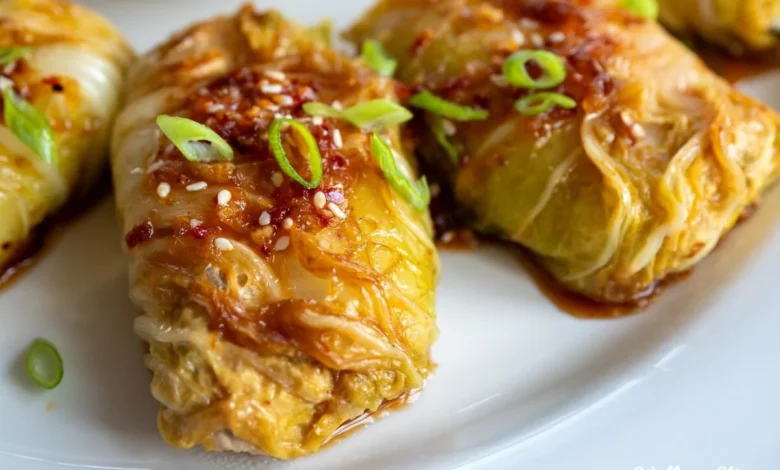
The evolution of modern home cooking has seen a significant shift toward the replication of traditionally processed, takeout-style dishes using whole-food, nutrient-dense ingredients. Among the most recent innovations in this culinary space is the development of the Sesame Ginger Cabbage Roll, a dish designed to emulate the flavor profiles of classic Asian dumplings and potstickers while eliminating the reliance on refined flour wrappers and processed sodium-heavy additives. As health-conscious consumers seek to reduce their intake of ultra-processed foods—a category that contributes significantly to rising global rates of metabolic health issues—recipes that prioritize fresh produce and high-quality proteins have gained prominence in both home kitchens and professional nutritional planning.
The Context of Culinary Innovation in Asian-Inspired Cooking
For decades, the American perception of Asian cuisine was largely dictated by the growth of large-scale fast-food chains, which popularized heavily fried, sauce-drenched, and preservative-laden variations of regional staples. These versions often rely on refined wheat wrappers, high-fructose corn syrup, and monosodium glutamate (MSG) to achieve addictive flavor profiles. In contrast, the current trend toward "clean" cooking seeks to preserve the essential sensory experience of these dishes—specifically the combination of toasted sesame, ginger, garlic, and savory umami—without the deleterious effects of industrial processing.
The Sesame Ginger Cabbage Roll utilizes Napa cabbage as a structural foundation. Unlike standard head cabbage, the Napa variety offers a delicate, fibrous texture that becomes pliable and tender when blanched, providing an ideal, low-carbohydrate vessel for various fillings. By replacing the traditional wonton wrapper with blanched greens, the nutritional profile of the dish shifts from a simple carbohydrate-heavy appetizer to a complex, fiber-rich meal that supports sustained satiety and blood glucose regulation.
Nutritional Analysis and Ingredient Synergy
A comprehensive analysis of the ingredients used in this recipe reveals a strategic approach to macronutrient balancing. The base typically consists of ground poultry—often chicken or turkey—which provides a lean, high-quality protein source. The incorporation of shiitake mushrooms serves a dual purpose: they provide an earthy, deep flavor profile characteristic of traditional Asian cuisine while also acting as a moisture-retaining agent, ensuring the lean meat remains succulent during the steam-cooking process.
Data regarding the nutritional content of a standard cabbage roll reveals a balanced composition. A single serving provides approximately 139 calories, with 9 grams of protein and 5 grams of carbohydrates. The sodium content, when prepared with coconut aminos—a common soy sauce substitute derived from the sap of the coconut palm—is significantly lower than that of traditional commercial sauces. Coconut aminos have become a staple in the health-conscious market due to their lower glycemic index and the absence of soy-based allergens, which are common triggers for systemic inflammation in certain populations.
The inclusion of aromatics like fresh ginger and garlic is not merely for taste. Historically and medicinally, ginger (Zingiber officinale) has been utilized for its anti-inflammatory and digestive properties. When combined with the healthy fats found in toasted sesame oil, these ingredients create a synergistic effect that enhances the bioavailability of certain phytonutrients while providing the signature pungency associated with traditional East Asian culinary arts.
Chronology of the "Clean" Food Movement
The shift toward these types of recipes can be traced back to the broader "real food" movement that gained significant momentum in the early 2010s. This movement, characterized by a rejection of industrial food processing, emphasized the consumption of ingredients in their most recognizable forms.
- 2010–2015: Initial phase focused on identifying "clean" substitutes for common pantry staples, such as almond flour for wheat and coconut aminos for soy sauce.
- 2016–2019: Expansion into professionalized home cooking, where culinary techniques—such as blanching, steaming, and emulsifying—were adapted to simplify complex restaurant-style dishes.
- 2020–Present: The pandemic-era focus on home cooking, coupled with increased health literacy regarding metabolic health, accelerated the adoption of recipes that are both "meal-prep friendly" and nutritionally optimized.
The Sesame Ginger Cabbage Roll represents the maturity of this trend, moving away from purely experimental substitutes toward established, repeatable, and scalable recipes that mirror the convenience of the fast-food items they replace.
Technical Preparation and Culinary Methodology
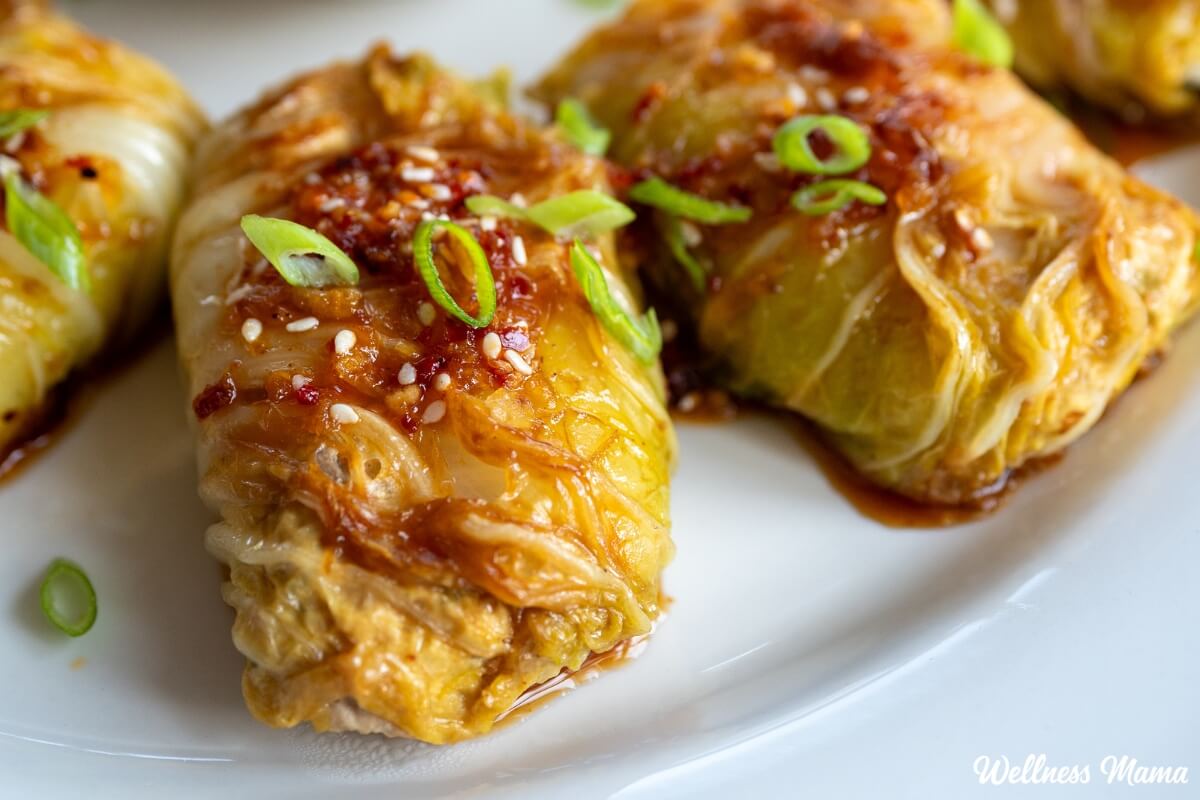
Achieving the desired consistency in cabbage rolls requires adherence to specific culinary techniques that ensure structural integrity. The "blanching" process is the most critical step. By submerging Napa cabbage leaves in boiling water for a short duration, the cellulose structure is softened, allowing the leaves to be rolled without fracturing. Experts note that the removal of the rigid white stem is a necessary procedure for creating a smooth, professional-grade roll that remains intact during the subsequent steaming phase.
The preparation method—browning the bottom of the rolls in a skillet before introducing a small amount of liquid to steam the remainder—is a technique borrowed from the preparation of traditional potstickers. This dual-heat application creates a desirable textural contrast: a slightly crisp, caramelized exterior and a moist, tender interior. This technique also facilitates the integration of flavors, as the steam acts as a carrier for the volatile aromatic compounds within the ginger and sesame oil, infusing them throughout the cabbage and filling.
Broader Implications for Public Health and Home Economics
The rise of nutrient-dense, vegetable-forward recipes has implications that extend beyond personal health; they reflect a growing awareness of the economic and environmental impacts of food choices. By utilizing whole vegetables like cabbage and mushrooms as primary ingredients, consumers are often able to lower the cost per serving of their meals compared to diets reliant on pre-packaged, frozen, or processed alternatives.
Furthermore, the emphasis on meal-prepping and storage—where these rolls can be kept in an airtight container for up to three days—addresses the time-poverty that often drives individuals toward fast food. The ability to reheat the rolls in a skillet with a splash of water, thereby restoring their original texture and moisture, provides a viable alternative to the rapid degradation of quality found in traditional leftovers.
From a public health perspective, the transition to these types of recipes can be seen as a grassroots intervention. As the prevalence of diet-related chronic conditions such as Type 2 diabetes and hypertension continues to rise, the ability of individuals to create satisfying, flavor-rich meals at home becomes a critical component of preventative healthcare. By providing the same savory satisfaction as commercial offerings—but with a focus on whole-food ingredients—these recipes serve as a bridge for consumers who want to improve their health without sacrificing the cultural and culinary experiences they enjoy.
Expert Perspectives and Future Outlook
Nutritionists and culinary experts alike have noted that the success of the Sesame Ginger Cabbage Roll lies in its simplicity and versatility. The capacity to adapt the filling—substituting ground pork or turkey for chicken, or incorporating water chestnuts for additional texture—allows the dish to remain a staple in diverse dietary frameworks, including paleo, gluten-free, and low-carb diets.
Looking forward, the trend toward "health-hacking" traditional recipes is expected to continue. As more consumers prioritize ingredient transparency, the demand for recipes that offer detailed nutritional breakdowns, such as those provided for the Sesame Ginger Cabbage Roll, will likely increase. This transparency allows for more informed decision-making and provides a framework for tracking nutrient intake, which is essential for individuals with specific dietary requirements.
Ultimately, the Sesame Ginger Cabbage Roll is a prime example of the democratization of culinary nutrition. It proves that the "restaurant experience" can be replicated in a home kitchen setting using accessible, affordable, and health-promoting ingredients. As society continues to navigate the complexities of modern food environments, the adoption of such recipes stands as a testament to the enduring power of whole-food preparation in maintaining both physical health and culinary satisfaction.