Home Sweet Homecoming: A Comprehensive Guide to Preparing for Your Newborn’s Arrival


Bringing a newborn home from the hospital serves as the definitive transition from the clinical environment of labor and delivery to the domestic sphere of family life. For expectant parents, this milestone represents a complex logistical undertaking that requires careful planning, adherence to safety regulations, and the strategic acquisition of essential nursery and travel equipment. Preparing for this arrival is not merely a matter of convenience; it is a critical step in establishing a safe and functional environment for a child’s early developmental stages.
The Critical Role of Infant Transportation Safety
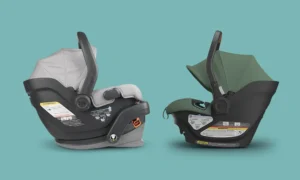
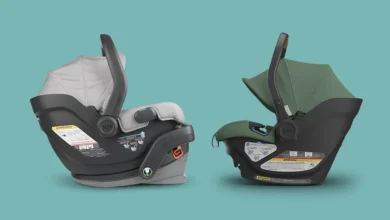
The most immediate requirement for any discharge from a medical facility is a National Highway Traffic Safety Administration (NHTSA) compliant car seat. According to federal safety guidelines, all newborns must be secured in a rear-facing, harness-equipped restraint system. Data from the American Academy of Pediatrics (AAP) suggests that improper installation remains a significant public health concern, with approximately 46% of car seats being used incorrectly.
Experts strongly advise that parents install the car seat base or carrier system well in advance of the estimated due date. Familiarizing oneself with the tension mechanisms, harness height adjustments, and LATCH (Lower Anchors and Tethers for Children) systems prevents the high-stress scenario of learning complex mechanical operations while managing a newborn.
Market leaders have addressed these challenges through technological innovation. Products like the Doona car seat have gained popularity by integrating a mobile carriage system, allowing for a seamless transition from a vehicle seat to a stroller without the need to transfer the infant. For parents prioritizing long-term value, all-in-one convertible seats such as the Maxi Cosi Pria offer multi-stage versatility, transitioning from rear-facing infant modes to forward-facing and booster configurations, providing a functional lifespan that can extend up to a decade.
Wardrobe and Layette Considerations: A Century of Tradition
The selection of a "coming home" outfit is a cultural staple in the birthing experience, often serving as the visual record of a child’s first public appearance. While contemporary parents have shifted toward high-performance synthetic fibers for everyday wear, there remains a strong market preference for heritage-style aesthetics, particularly for the initial hospital departure.
Brands such as Feltman Brothers have maintained a market presence for over a century by focusing on traditional craftsmanship, including hand-embroidery, smocking, and pointelle knits. These items are often treated as heirloom pieces. However, for parents prioritizing tactile comfort and ease of maintenance, premium cotton layettes have become the industry standard. These garments are designed for frequent laundering—a necessity given the realities of newborn care—while maintaining the delicate aesthetic required for commemorative photography.
Logistically, retailers suggest that parents secure these outfits during the third trimester. While gender-neutral palettes—utilizing creams, sage greens, and soft yellows—have seen a surge in popularity, specialized boutique retailers continue to offer comprehensive collections that cater to traditional preferences.
The Infrastructure of the Nursery
The domestic environment must be adapted to accommodate the specific sleep-safety needs of an infant. The primary objective in nursery design is the reduction of SIDS (Sudden Infant Death Syndrome) risks, which the AAP mandates be addressed through a flat, firm sleep surface free of loose blankets, pillows, or plush toys.
For parents who prefer "rooming-in," a practice encouraged by the World Health Organization to facilitate bonding and breastfeeding, the selection of a high-quality bassinet is essential. The Halo BassiNest, for instance, has gained recognition for its 360-degree swivel functionality, which allows parents to bring the infant close to the bedside without compromising the structural integrity of the sleep space.
Beyond sleep, the nursery must be stocked with an inventory of consumables. Based on average infant consumption rates, a newborn may require eight to twelve diaper changes per day. Consequently, an organized, well-stocked nursery is essential to minimize the logistical strain on parents during the initial "fourth trimester" period. Industry analysts note that purchasing supplies in bulk prior to delivery is a standard recommendation to mitigate the frequency of emergency retail trips.
Mobility and Stroller Selection
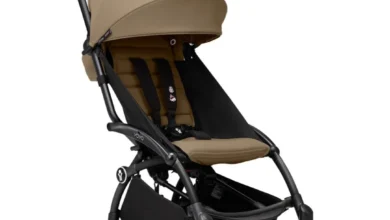
The selection of a stroller is often one of the most significant financial investments for new parents, typically ranging from a few hundred to over a thousand dollars. The decision should be predicated on the family’s environment and lifestyle.
For urban dwellers, the primary criteria are weight, footprint, and maneuverability. The Bugaboo Fox5 is frequently cited in consumer reports for its agility in navigating dense city infrastructure, including public transit and narrow sidewalks. Conversely, for families in suburban or rural settings, a jogging-style stroller—such as the Bumbleride Indie—provides a more robust suspension system, which is critical for traversing uneven terrain.
Industry experts caution against purchasing strollers based solely on aesthetic appeal. A professional evaluation of the folding mechanism, storage capacity, and compatibility with infant car seat adapters is recommended before committing to a specific model.
Professional Guidance and Retail Support
As the complexity of baby gear has increased, so has the demand for specialized retail consultancy. Organizations such as PishPosh Baby have positioned themselves as intermediaries between complex manufacturing specs and consumer needs. Their model focuses on 1-on-1 consultations, aiming to align specific product features—such as weight limits, materials, and safety ratings—with the lifestyle requirements of the parents.
This shift toward expert-led retail is a direct response to the "paradox of choice" that many new parents face. With hundreds of models of strollers, carriers, and monitors available, retail programs that offer personalized guidance and loyalty incentives—such as cash-back rewards or credit toward future purchases—provide tangible value beyond the physical products.
Broader Implications for Parental Preparedness
The act of preparing for a homecoming is more than an exercise in consumerism; it is a psychological transition. Psychologists argue that the preparation process—organizing, cleaning, and equipping the home—allows parents to feel a sense of agency over an inherently unpredictable event.
From a socioeconomic perspective, the "newborn industry" remains a resilient sector. Despite fluctuations in the global economy, spending on infant care and safety equipment remains a top priority for households. Data from recent market reports indicates that parents are increasingly prioritizing safety-certified goods and sustainable materials, reflecting a broader societal trend toward conscientious consumption.
As of August 2024, the market landscape remains characterized by a push toward multi-functional, long-lasting products. Whether it is a convertible car seat that serves a child for ten years or a bassinet that evolves into a portable play space, the trend is toward reducing waste while maximizing functionality.
Conclusion
Successfully navigating the return home with a newborn requires a synthesis of research, financial planning, and structural preparation. By focusing on essential safety equipment, establishing a secure sleep environment, and selecting mobility tools that match their specific lifestyle, parents can mitigate the stress associated with the transition. As the industry continues to evolve with smarter materials and more intuitive designs, the focus remains on the foundational goal: ensuring the safety, health, and comfort of the child. For those embarking on this journey, engaging with experts and investing in quality equipment remains the most effective strategy for a smooth homecoming.