The Ultimate One-Pot Taco Pasta: A Modern Solution for Time-Strapped Households

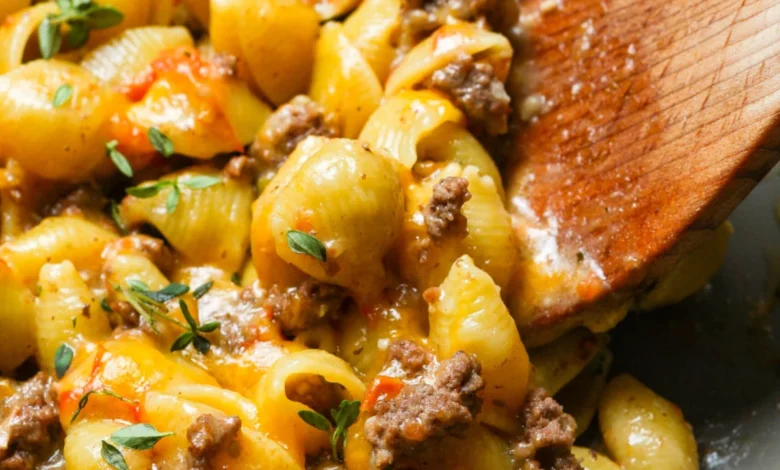
The landscape of modern home cooking is undergoing a significant transformation, characterized by a growing demand for efficiency, nutritional integrity, and reduced cleanup. As contemporary families navigate increasingly busy schedules, the culinary industry has seen a notable pivot toward "one-pot" methodologies. Among the most popular iterations of this trend is the emergence of elevated comfort dishes, with the one-pot taco pasta standing out as a primary example of how home cooks are successfully merging traditional Mexican-inspired flavor profiles with classic Italian comfort food techniques.
The Evolution of One-Pot Culinary Trends
The rise of the one-pot meal is not merely a passing fad; it is a response to changing socioeconomic factors. According to recent surveys on household time-management, the average time spent on meal preparation has declined by approximately 15% over the last decade. This shift has forced a prioritization of streamlined cooking processes. The one-pot taco pasta, which integrates seasoned proteins, complex carbohydrates, and dairy-based sauces into a single cooking vessel, addresses the twin challenges of time constraints and the labor-intensive nature of traditional post-meal cleanup. By utilizing a single skillet, households reduce water consumption and energy expenditure associated with multiple burners and dishwashing cycles, aligning with a broader societal push toward sustainable home management.
Culinary Composition and Flavor Profile
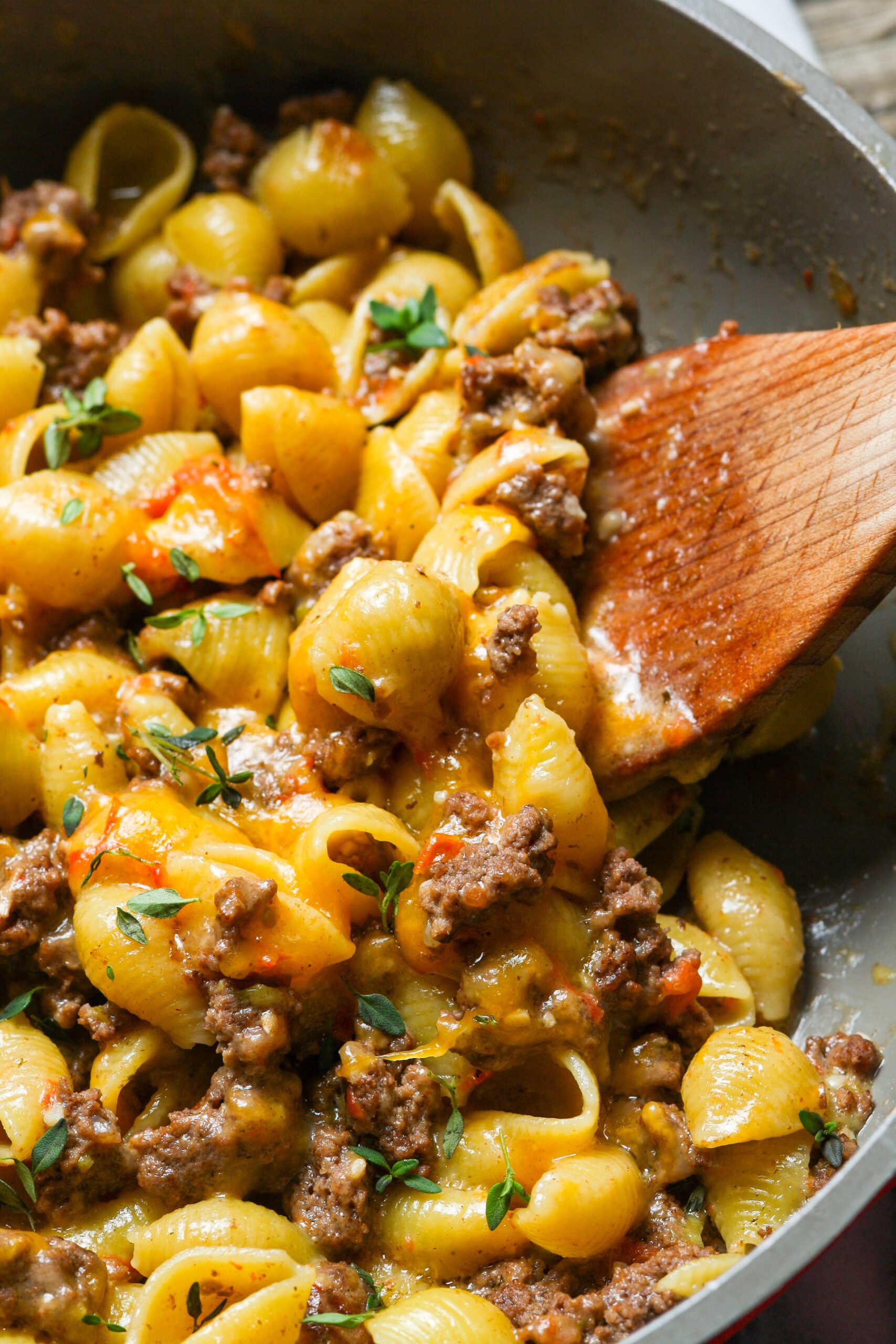
The success of the one-pot taco pasta lies in its precise construction. The dish relies on the foundational elements of taco seasoning—typically a blend of chili powder, cumin, garlic, and onion—to provide a robust, smoky profile. When combined with ground beef, which remains the standard for this dish, the protein undergoes a Maillard reaction that creates a savory depth.
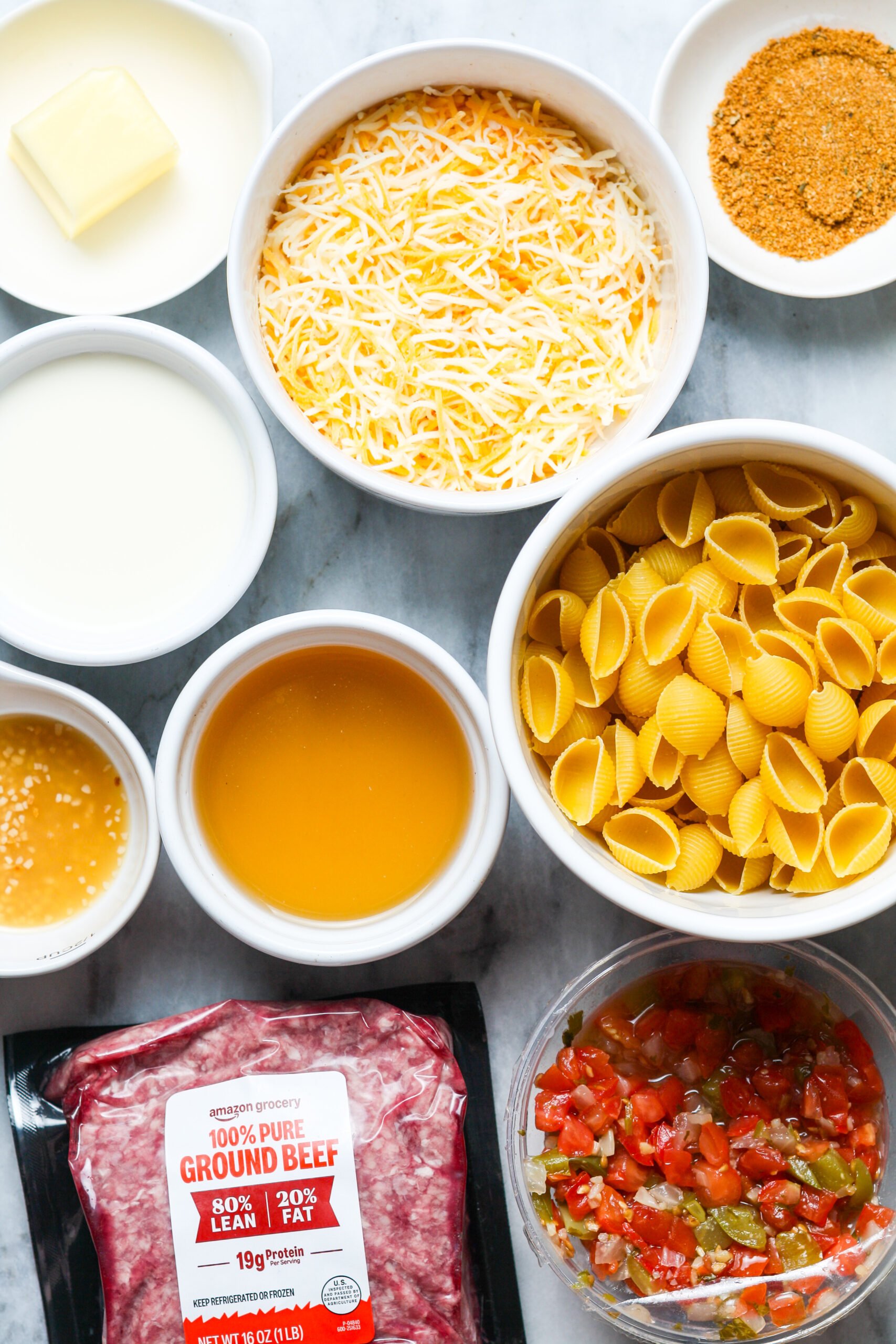
The integration of pasta shells serves a specific functional purpose: the concave structure of the shell acts as a delivery system for the sauce. Unlike long-strand pastas, shells retain the emulsion of chicken broth, milk, and melted cheese, ensuring that each bite maintains a consistent ratio of starch to fat. The inclusion of Rotel tomatoes or green chilies provides the necessary acidity to cut through the richness of the dairy, creating a balanced palate that appeals to a wide demographic, including children and adults alike.
Analytical Breakdown of Ingredient Selection
Nutritional experts often evaluate these recipes based on their ingredient quality. The shift toward whole-food ingredients—such as utilizing taco seasoning devoid of added sugars or artificial thickeners—marks a significant departure from processed, pre-packaged meal kits.
- Protein Selection: While ground beef is the traditional choice, market data shows an increase in the substitution of ground turkey and chicken, driven by consumer interest in leaner protein sources.
- Dairy and Emulsification: The choice between whole milk and half-and-half is critical for the final texture. Using whole milk creates a lighter, starch-bound sauce, whereas half-and-half introduces a higher fat content that stabilizes the sauce against heat, preventing the "breaking" or separation of the cheese.
- Vegetable Integration: Modern adaptations of this dish frequently incorporate bell peppers, black beans, and onions. From a nutritional standpoint, this addition increases the fiber density of the meal, effectively balancing the glycemic load of the pasta.
Chronology of Preparation and Efficiency
The efficiency of this dish is derived from the "simultaneous cooking" method. In a standard multi-pot scenario, the pasta is boiled, drained, and then combined with a separately prepared sauce. In the one-pot method, the starch released by the pasta during the boiling process is not discarded; instead, it is incorporated into the liquid base. This starch acts as a natural thickening agent, which, when combined with shredded cheese, creates a superior, velvety consistency without the need for additional flour-based roux or heavy cream.
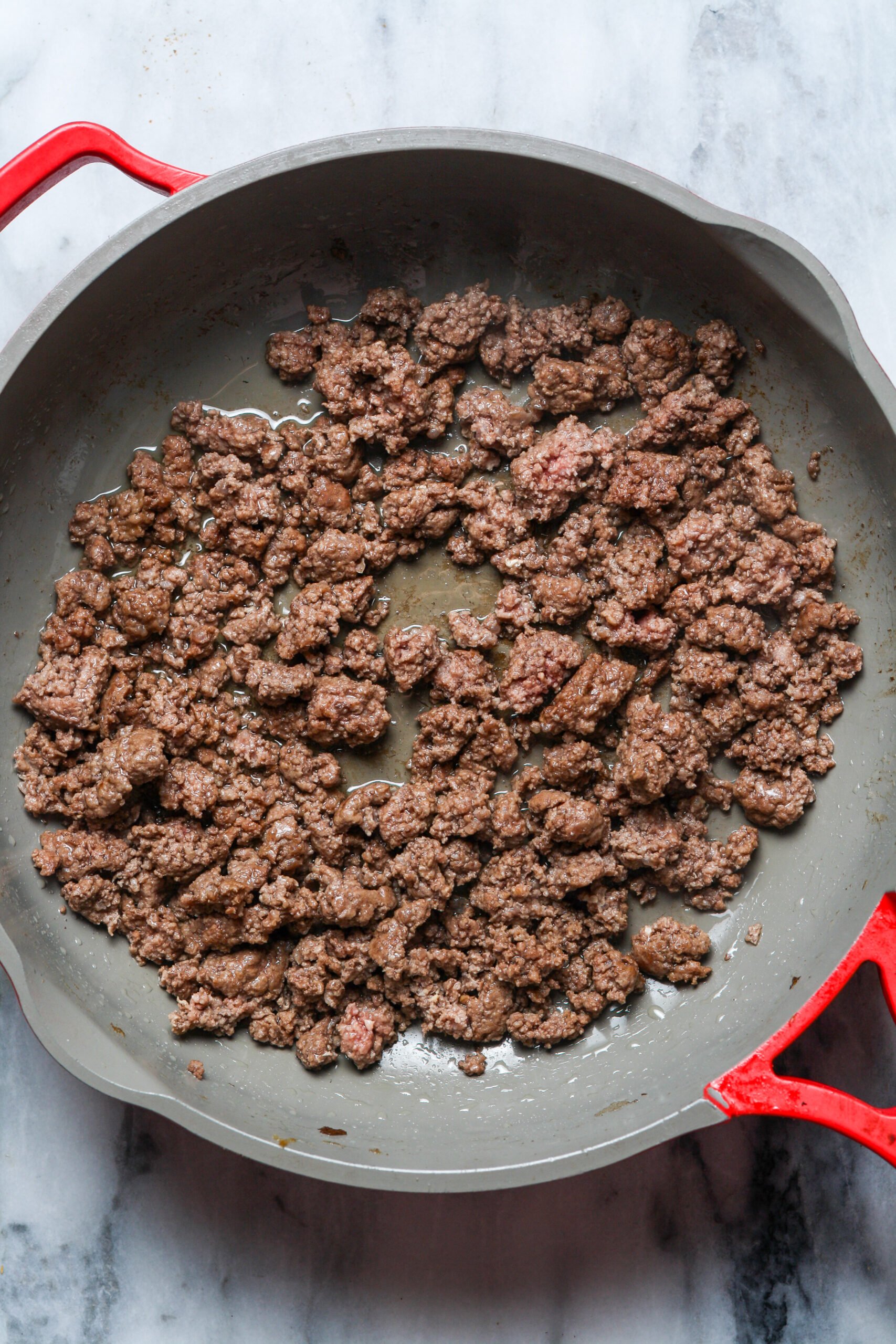
- Phase 1: Protein Searing. The initial browning of the meat occurs over medium-high heat. This is the stage where the foundation of the flavor profile is established.
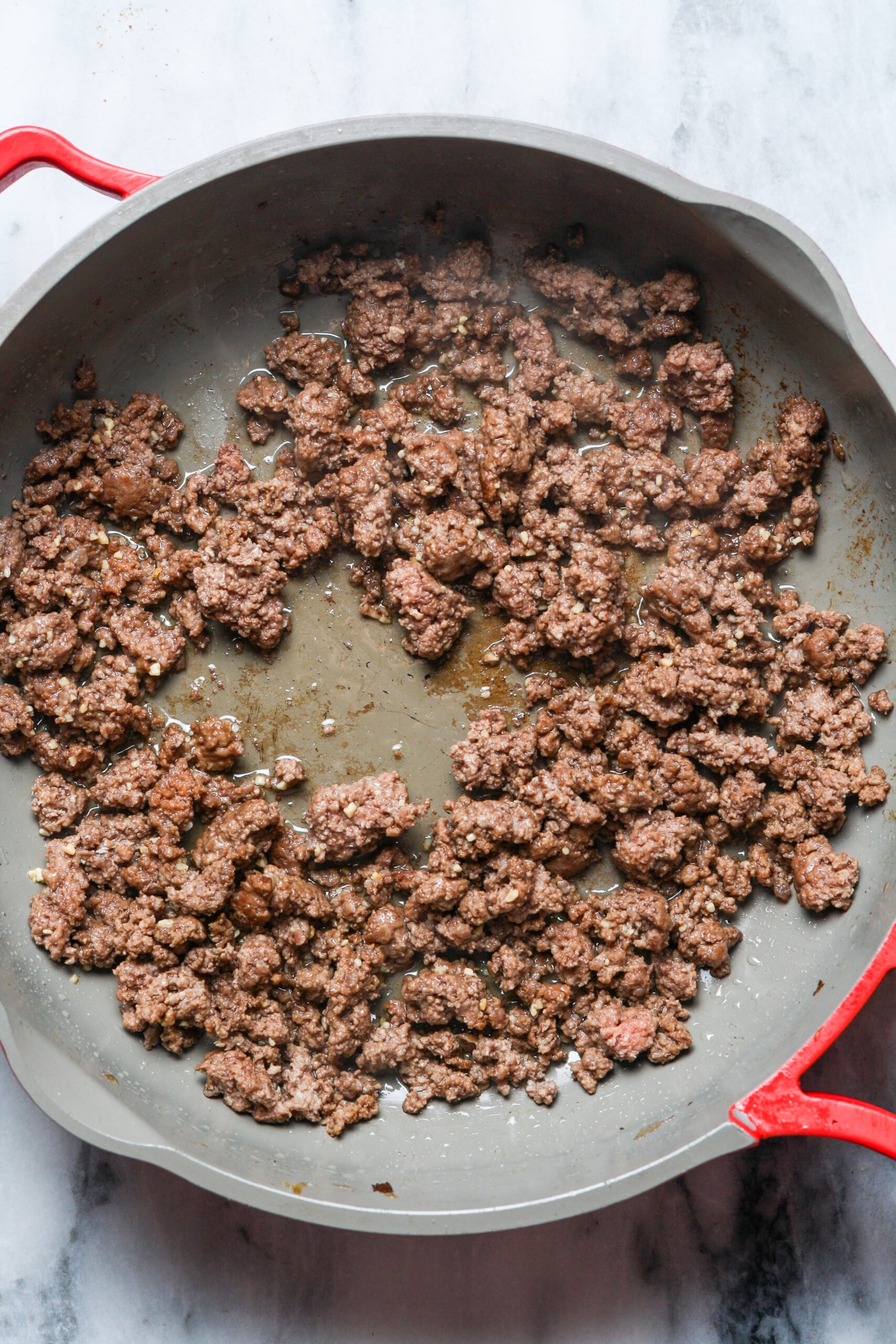
- Phase 2: Aromatic Infusion. The addition of garlic and fats (such as butter or avocado oil) occurs immediately after the meat is drained, ensuring the garlic does not burn but rather infuses the rendered fat.
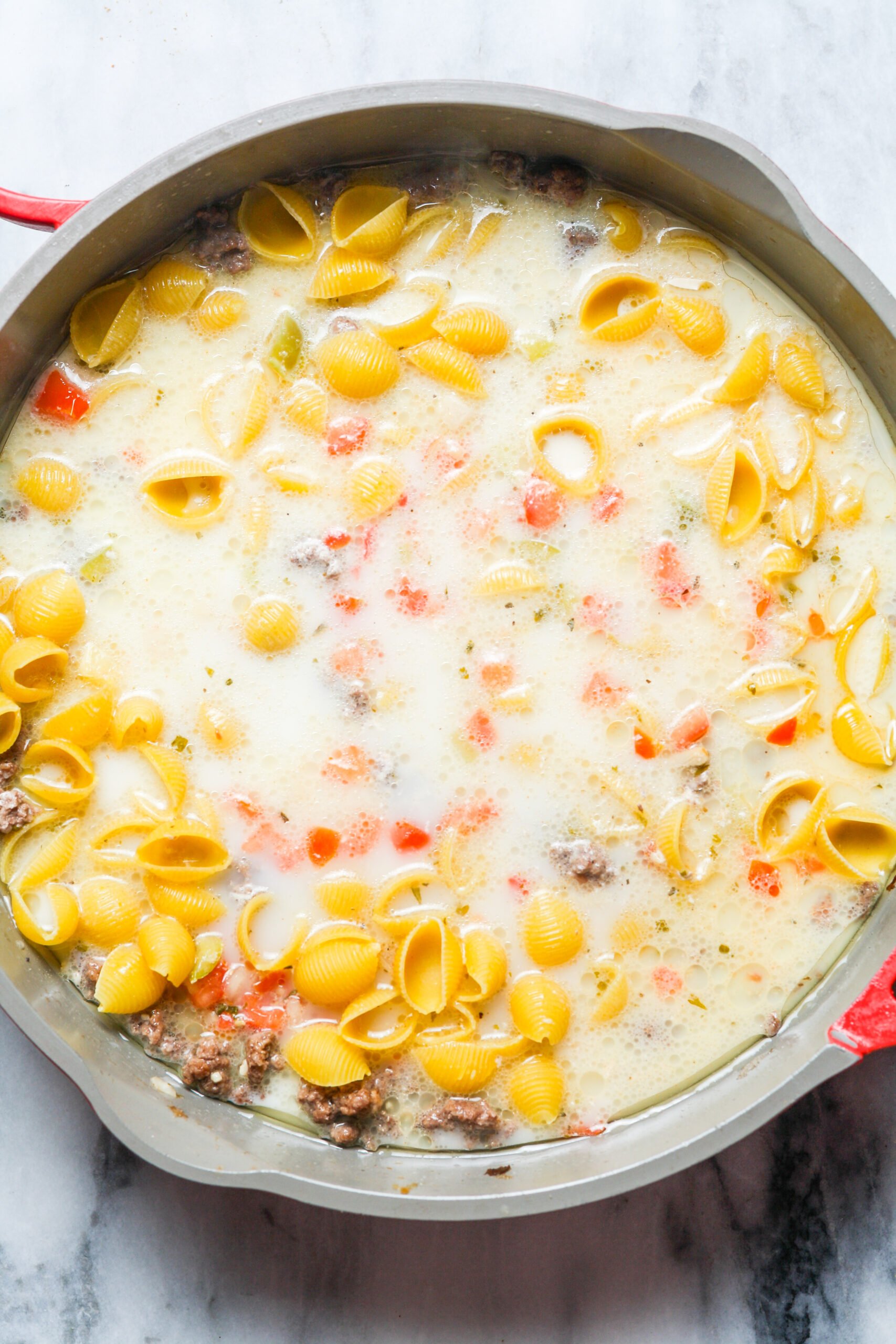
- Phase 3: The Deglazing and Boiling. The introduction of broth, milk, and tomatoes effectively deglazes the pan, lifting the browned bits (fond) from the bottom of the skillet.
- Phase 4: Pasta Integration. The shells are cooked directly in the boiling liquid, absorbing the seasoning as they hydrate.
- Phase 5: The Emulsion. The final stage involves reducing the heat to a minimum and folding in the cheese. This step is critical; if the temperature is too high, the cheese proteins can coagulate, leading to a grainy texture.
Industry and Expert Perspectives
Culinary experts frequently cite the one-pot method as a "gateway technique" for inexperienced cooks. By minimizing the variables—temperature control across multiple burners, timing the boiling of pasta separately from the searing of meat—the risk of error is significantly reduced.
"The democratization of cooking through simplified techniques is a major trend in 2025," notes food industry analyst Julian Thorne. "When a recipe can deliver a high-satisfaction meal with fewer than ten ingredients and one pan, it changes the way families perceive home cooking. It transitions the act of cooking from a chore into a manageable component of a daily routine."
Broader Implications for Household Management
The adoption of such recipes has measurable implications for household budgets. By reducing the number of pots and pans used, the kitchen becomes a more organized environment, and the reliance on pre-packaged, highly processed frozen dinners decreases. The ability to customize this dish—adding vegetables or adjusting the spice levels—allows for a level of dietary flexibility that is rarely found in commercial, pre-prepared meals.
Furthermore, the longevity of the leftovers—which, as noted in culinary storage guidelines, can last up to four days when properly refrigerated—supports the growing movement of "batch cooking." Families are increasingly looking for meals that maintain their texture and flavor profile upon reheating, a requirement that this specific pasta dish meets through the stabilization provided by the dairy-starch emulsion.
Troubleshooting and Technical Mastery
For those seeking to refine the process, common pitfalls include the overcooking of the pasta and the incorrect thickening of the sauce. If the sauce remains too thin, it is often due to an incorrect ratio of liquid to pasta. The starch-to-liquid ratio is the primary variable; as the pasta absorbs the broth and milk, the liquid should reduce at a rate that aligns with the pasta’s al dente threshold.
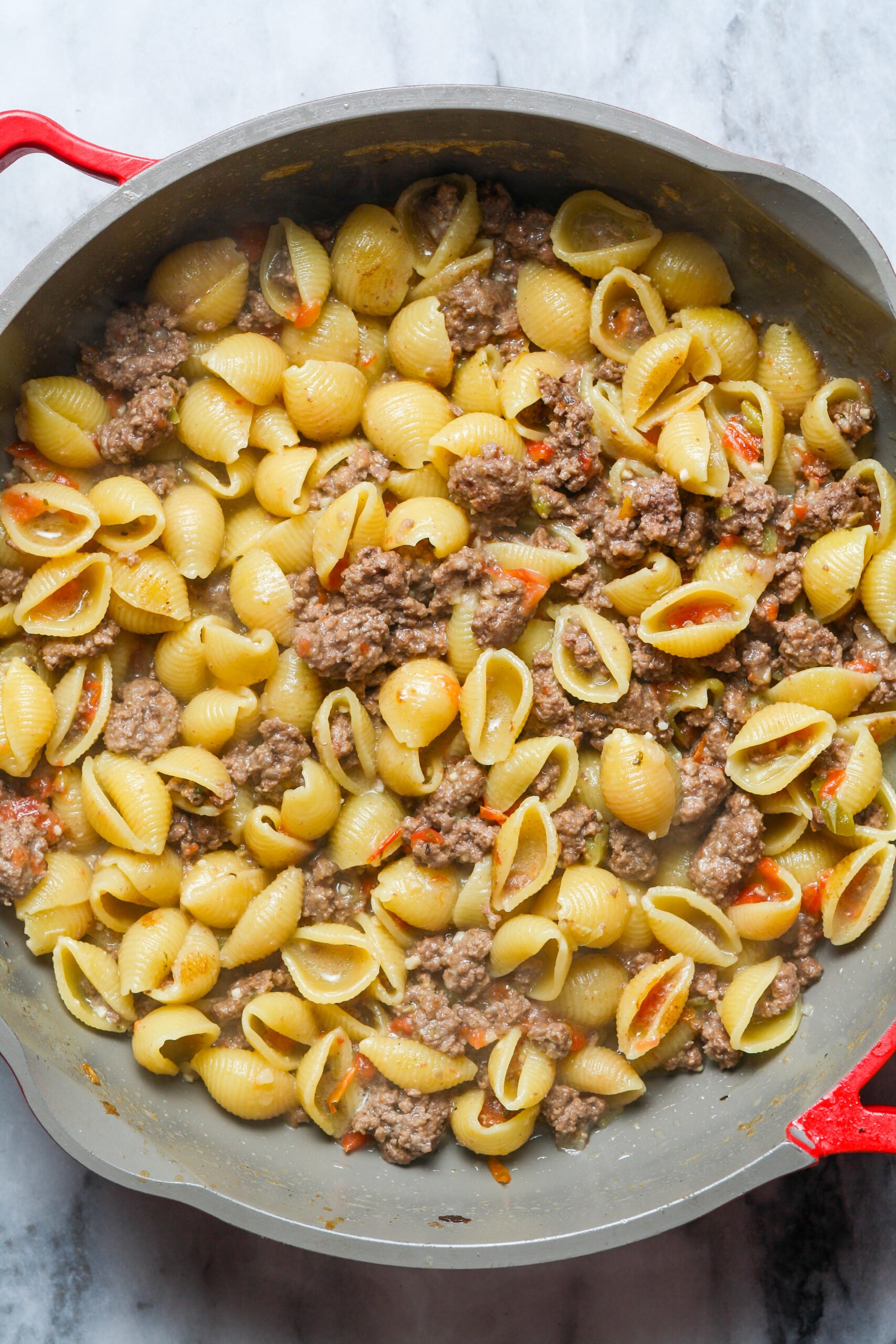
If the sauce is too thick or "clumpy," it is often a result of using pre-shredded cheese, which is coated in potato starch or cellulose to prevent sticking. For the best culinary results, utilizing block cheese and shredding it manually is recommended. The absence of anti-caking agents ensures that the cheese melts uniformly, resulting in the desired creamy consistency.
Conclusion
The one-pot taco pasta represents a synthesis of convenience and tradition. It is a dish that does not sacrifice quality for the sake of speed. As families continue to seek out recipes that are both time-efficient and nutritionally flexible, the reliance on methodologies that maximize the utility of the cooking vessel will likely continue to grow. Whether it is through the substitution of grains, the addition of fresh garden vegetables, or the careful selection of high-quality dairy, the one-pot taco pasta remains a staple of the modern kitchen—a testament to the fact that complex, satisfying meals do not require complex preparation.