How to Set Up a Starting Solids Feeding Schedule for Babies 6+ Months Old


Balancing the demands of infant nutrition—specifically the transition from exclusive breast milk or formula feeding to the introduction of solid foods—represents a significant milestone in early childhood development. As infants approach the six-month mark, their nutritional requirements evolve, necessitating a structured approach to feeding that integrates solid foods while maintaining adequate hydration and caloric intake from milk. Establishing a consistent daily routine is not merely a matter of parental convenience; it is a critical component of healthy growth, skill development, and the eventual transition toward independent eating habits by the age of twelve months.

The physiological shift that occurs between six and twelve months of age is profound. At six months, breast milk or iron-fortified infant formula remains the primary source of essential nutrients. Pediatric guidelines generally recommend that infants consume between 28 and 32 ounces of milk daily during this initial stage. However, as the infant’s digestive system matures and their motor skills—such as head control and the ability to sit upright—develop, the introduction of solids becomes necessary to support increased energy needs and provide essential micronutrients, such as iron and zinc.
Chronology of Feeding Development
The progression of feeding from six to twelve months follows a predictable, albeit flexible, developmental timeline.

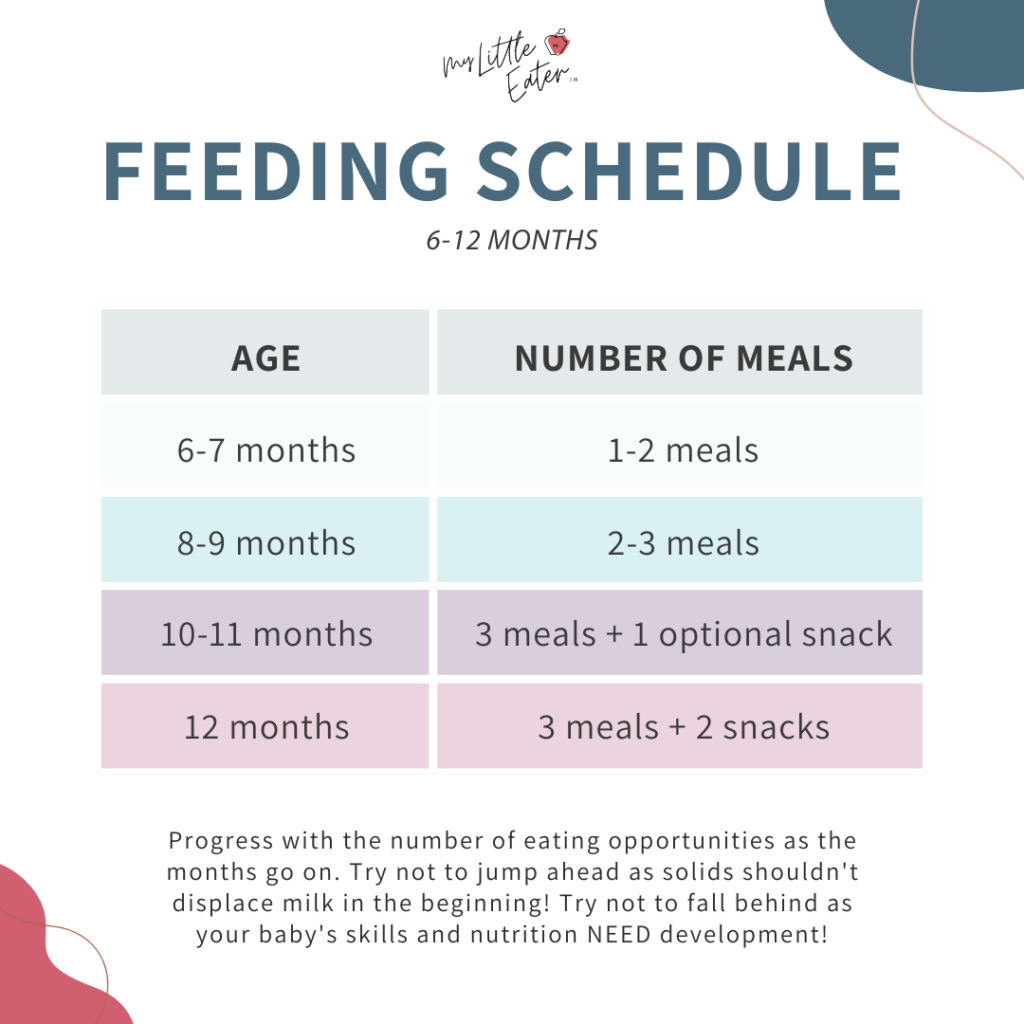
Between six and seven months, the primary objective is the introduction of basic textures. At this stage, most infants thrive on one or two meals of solids per day, typically offered 30 to 90 minutes after a milk feeding. This timing is deliberate; it ensures the infant is not so satiated that they refuse food, nor so hungry that they are unable to focus on the complex task of chewing and swallowing.
By eight to nine months, the frequency of solid meals usually increases to three times per day. This period is crucial for the introduction of varied textures, moving from smooth purees to finger foods, which assists in desensitizing the gag reflex and developing oral motor skills. Milk intake may begin to taper slightly, often dropping to between 24 and 32 ounces per day as the infant becomes more proficient with solids.
As the infant reaches ten to twelve months, the role of solid food expands significantly. By this age, many infants are capable of consuming modified versions of family meals. Milk intake typically decreases to approximately 12 to 24 ounces daily, as food begins to serve as the primary source of daily calories. This period marks the final stage of the weaning transition before the infant officially enters toddlerhood at one year of age.
Data-Driven Nutritional Requirements
The transition away from liquid-exclusive nutrition requires careful monitoring to ensure that infants meet their caloric and nutrient benchmarks. Pediatric nutritionists emphasize that there is no "one-size-fits-all" approach, but there are standard parameters to guide parents.
For a six-month-old, the focus remains on the frequency of milk feedings—typically five to six sessions per day. As the infant progresses to the nine-month mark, these sessions may decrease to four or five. The most critical metric for parents to observe is the infant’s growth curve and interest in solids. If an infant consistently fails to consume the minimum required milk volume, or if they demonstrate a lack of interest in solids, feeding professionals suggest evaluating the "sweet spot"—the window of time between a milk feed and a solid meal.
Data suggests that if solids are offered too soon after a milk feed, the infant remains full and disengaged. Conversely, if the interval exceeds 90 minutes, the infant may become overly fatigued or frustrated, leading to a negative association with mealtime. Adjusting this window in 15-minute increments is often the most effective method for parents to identify the optimal feeding rhythm for their specific child.

Implications of Responsive Feeding
The concept of responsive feeding—where parents observe and act upon an infant’s hunger and fullness cues—is central to long-term dietary health. Research indicates that infants who are fed in response to their natural hunger cues are better equipped to self-regulate their intake, which may serve as a preventative measure against future obesity or disordered eating patterns.
A primary risk of a rigid, non-responsive schedule is the development of "grazing" habits, where an infant is constantly offered food, preventing them from ever feeling true hunger. Conversely, forcing an infant to finish a specific portion size regardless of their satiety signals can override their innate ability to recognize when they are full. Experts advocate for a structured, yet flexible, schedule that provides consistency while remaining adaptable to the infant’s changing needs, such as growth spurts or teething, which are known to cause temporary fluctuations in appetite.

Addressing Common Feeding Obstacles
When an infant refuses solid foods, the initial clinical recommendation is to audit the feeding schedule. In most cases, the refusal stems from the infant not being sufficiently hungry. If an infant is consuming excessive amounts of milk throughout the day, their biological drive to explore new food textures and flavors is diminished.
To address this, some pediatric dietitians recommend offering solids before milk feedings during certain times of the day to ensure the infant is primed for nutrient-dense food. Furthermore, the introduction of highly allergenic foods—such as peanuts, eggs, or dairy—is often recommended during morning meals. This allows parents to monitor the infant for any signs of an allergic reaction during the day, rather than discovering a reaction after the infant has been put to sleep for the night.

Transitioning into Toddlerhood
The transition at the 12-month mark represents a significant physiological change. At this stage, the infant is officially a toddler, and their nutritional dependency shifts entirely to solid foods. The maximum recommended intake of cow’s milk for toddlers is 16 ounces per day. Consuming milk in excess of this amount can interfere with iron absorption and potentially exacerbate picky eating behaviors, as the toddler may fill up on liquid calories rather than the diverse nutrients found in solid meals.
For working parents, maintaining this schedule can be challenging. Experts suggest that consistency can be maintained by involving caregivers in the feeding plan. By providing a clear, written record of feeding times and food preferences, parents can ensure that the infant’s development continues regardless of who is performing the feedings. This continuity is vital, as the window for developing oral motor skills and accepting a wide variety of textures is limited.

Strategic Planning for Future Growth
The long-term implications of a well-managed feeding schedule are significant. By prioritizing the development of eating skills during the 6-to-12-month window, parents are investing in the child’s future relationship with food. The goal of this period is not merely to provide calories, but to foster competence. An infant who learns to manipulate, chew, and swallow a variety of textures is less likely to become a selective eater in the future.
While the administrative burden of tracking milk ounces and solid food meals may seem taxing, it is a temporary, high-impact period. As the child progresses, these structured intervals naturally evolve into the standard three-meal-plus-snack routine characteristic of a healthy toddler diet. Ultimately, the objective is to guide the child toward a sustainable, healthy, and varied diet, utilizing the initial months of solid food introduction as a foundational educational experience for both the parent and the child.

For families struggling to navigate these transitions, the use of simple tracking charts or digital logs can provide clarity and peace of mind. By focusing on consistent, responsive, and nutritionally balanced practices, parents can successfully manage the complex, yet rewarding, evolution of their infant’s dietary needs.