The Revolutionary Flourless Pumpkin-Infused Chocolate Cake Redefines Healthy Dessert Standards

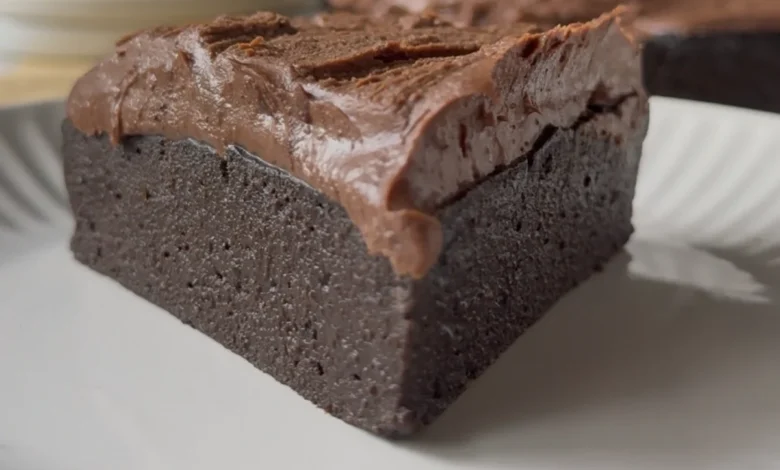
The culinary landscape has experienced a significant shift in recent years, driven by a growing consumer demand for nutrient-dense alternatives to traditional baked goods. A prominent development in this sector is the emergence of a high-performance, flourless chocolate cake that utilizes pumpkin purée as a foundational ingredient. By substituting refined wheat flour, butter, and processed oils with fibrous vegetable matter and natural sweeteners, this recipe represents a broader trend of "functional indulgence"—the practice of reformulating comfort foods to meet modern health guidelines without sacrificing sensory satisfaction.
Scientific Foundations and Structural Innovation
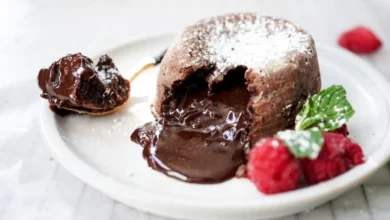
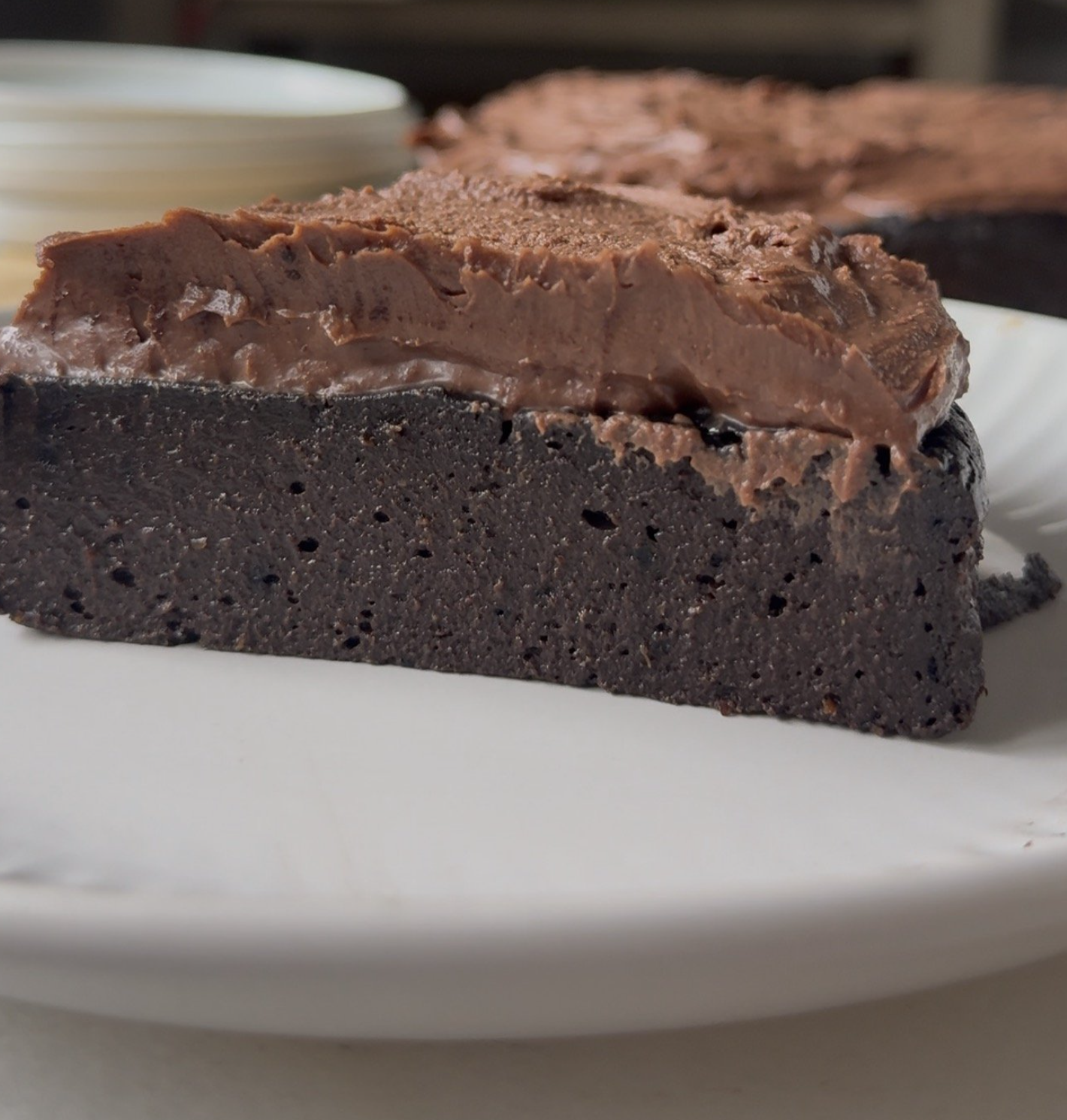
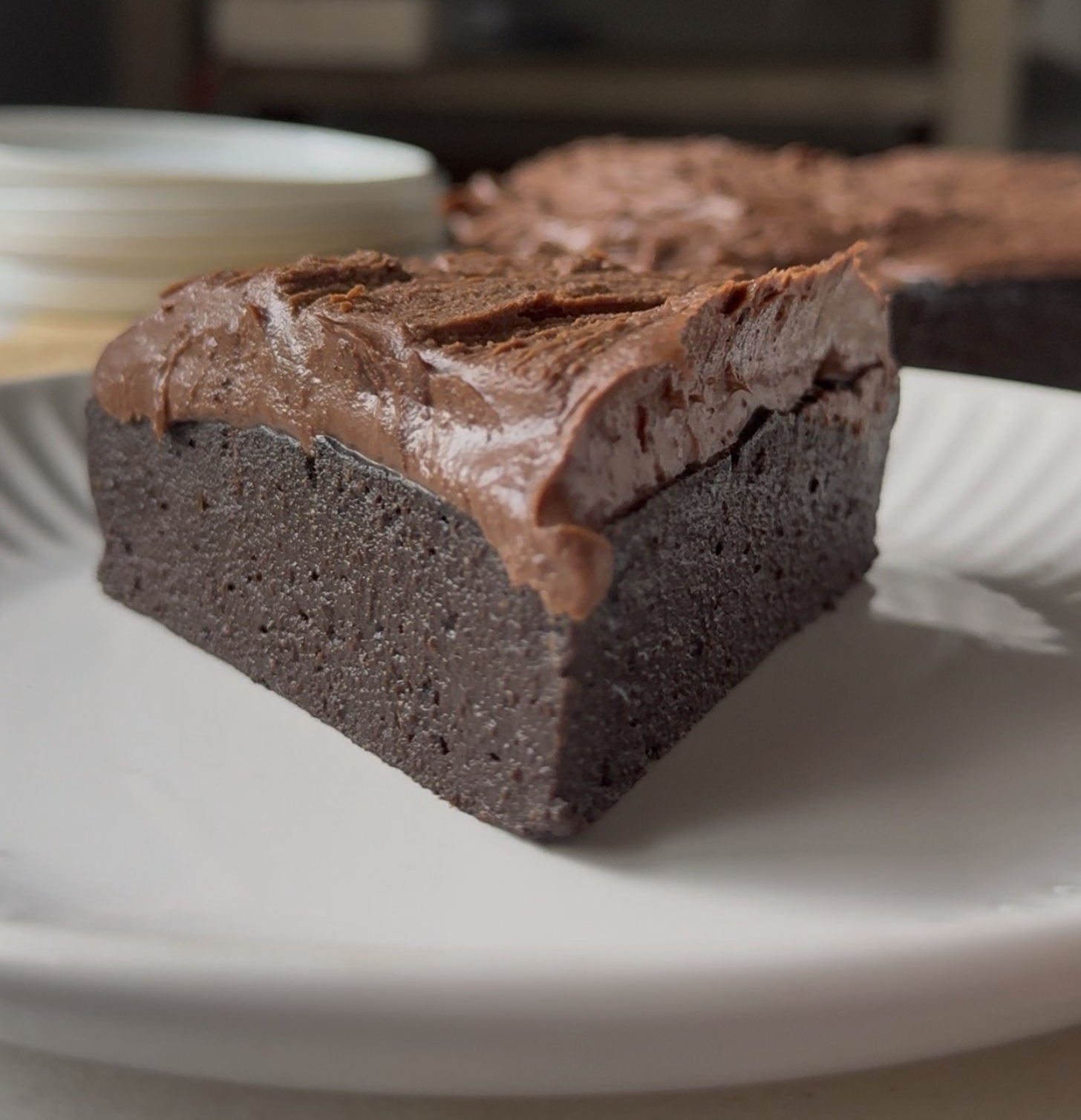
The structural integrity of a traditional cake relies heavily on the starch network created by gluten—a protein found in wheat flour—and the emulsification of fats. In this alternative formulation, pumpkin purée performs the dual function of providing both the necessary moisture and the fibrous matrix required to hold the cake together. When baked, the pumpkin’s natural pectin and fiber, combined with the protein coagulation from eggs, create a dense, brownie-like texture that mimics the mouthfeel of traditional high-fat, high-carbohydrate desserts.
From a nutritional perspective, this substitution significantly lowers the glycemic load of the product. By eliminating refined white flour, the cake avoids the rapid insulin spikes associated with simple carbohydrate digestion. Furthermore, the inclusion of eggs and dark cocoa provides a source of protein and antioxidants, respectively. The use of natural sweeteners such as pure maple syrup or honey provides a more complex sugar profile than refined cane sugar, offering trace minerals alongside the sweetness.
Chronology and Development of the Recipe
The development of vegetable-based baking techniques has evolved over the past decade as food scientists and nutritionists explored ways to reduce the "empty calorie" footprint of common desserts. While the concept of using root vegetables and gourds in baking is not new—historically rooted in war-time rationing and Depression-era resourcefulness—the modern application of these techniques has been refined to prioritize flavor profile and texture consistency.
The specific iteration of this chocolate cake has gained traction through a systematic testing process:
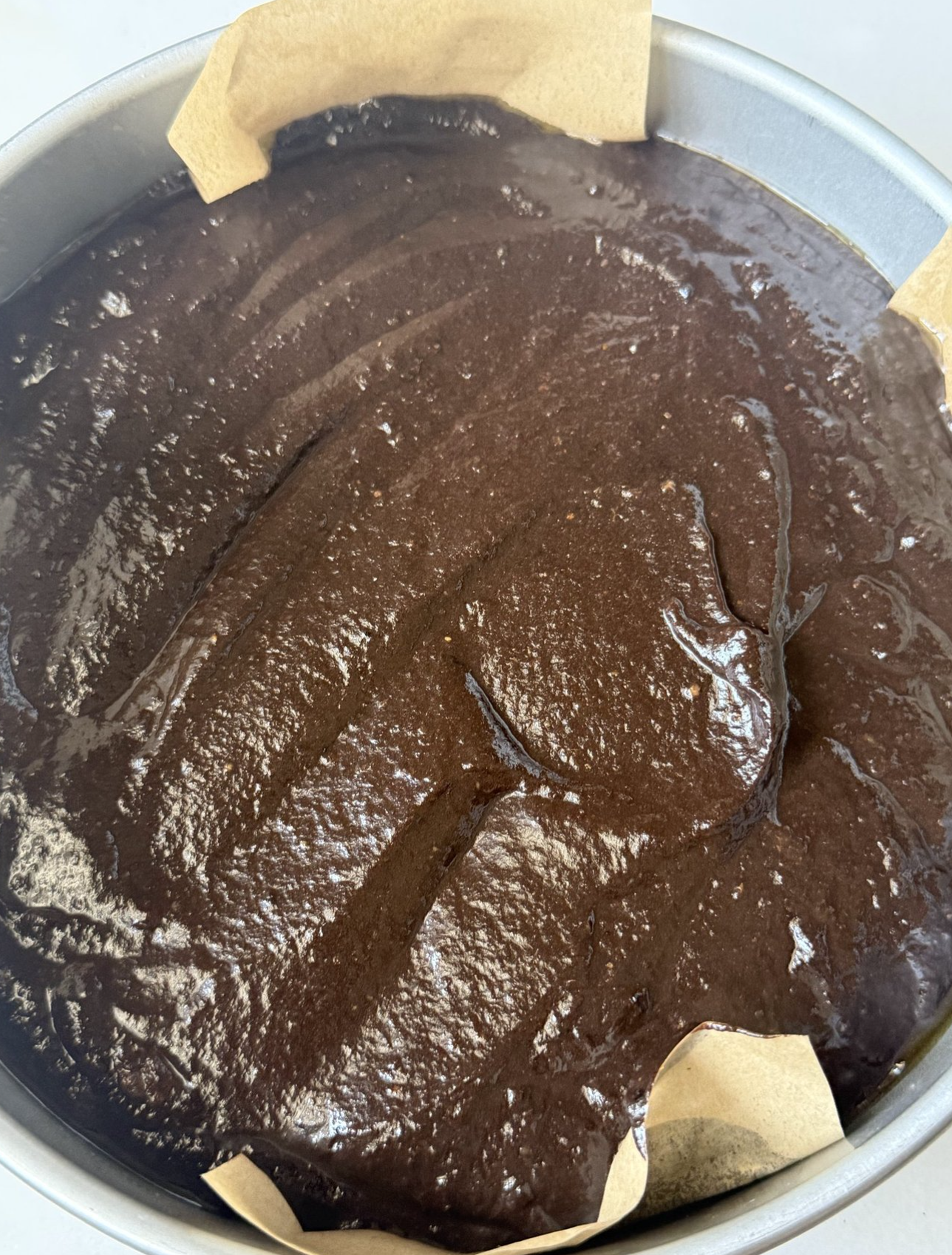
- Phase 1 (Ingredient Selection): Early iterations focused on identifying a neutral-flavored vegetable base that could support high concentrations of cocoa powder. Pumpkin was identified as the ideal candidate due to its high water content and fibrous structure.
- Phase 2 (Binding Optimization): The necessity for a specific ratio of whole eggs to extra yolks was established to compensate for the lack of gluten-derived structure. This provided the necessary lipid content for a smooth, ganache-like texture.
- Phase 3 (Flavor Masking): Researchers determined that high-quality, dark Dutch-process cocoa powder is required to neutralize the natural earthy notes of the pumpkin, ensuring the final product presents as a purely chocolate-based dessert.
- Phase 4 (Thermal Setting): A critical discovery in the development process was the requirement for a prolonged cooling period. Unlike wheat-based cakes, which rely on starch gelatinization during the baking process, this version relies on protein coagulation that continues long after the heat source is removed.
Supporting Data and Nutritional Analysis
The shift toward flourless, vegetable-forward baking is supported by data from the Institute of Food Technologists, which highlights a 14% increase in consumer interest regarding "stealth health" ingredients—foods that incorporate vegetables into non-traditional applications. The following table outlines the comparative nutritional differences between a standard flour-based chocolate cake and this pumpkin-based alternative:
| Nutrient Category | Standard Flour-Based Cake | Pumpkin-Based Flourless Cake |
|---|---|---|
| Carbohydrate Source | Refined Wheat Flour | Pumpkin Fiber / Complex Starch |
| Primary Fat Source | Butter / Vegetable Oil | Egg Yolk (Natural Lipids) |
| Glycemic Index | High | Low-to-Moderate |
| Micronutrient Profile | Minimal | Elevated (Vitamin A, Potassium) |
Professional Perspectives and Culinary Implications
Dietitians and culinary experts have noted that the success of this recipe lies in its simplicity. By reducing the ingredient list to five primary components, the recipe minimizes the complexity of chemical interactions that often lead to baking failure. Dr. Elena Vance, a nutritionist specializing in metabolic health, notes, "The move toward whole-food ingredient lists is not just a trend; it is a necessary evolution in how we view the dessert category. When we replace refined starches with nutrient-dense vegetables, we are fundamentally changing the metabolic impact of the food without stripping away the joy of eating."
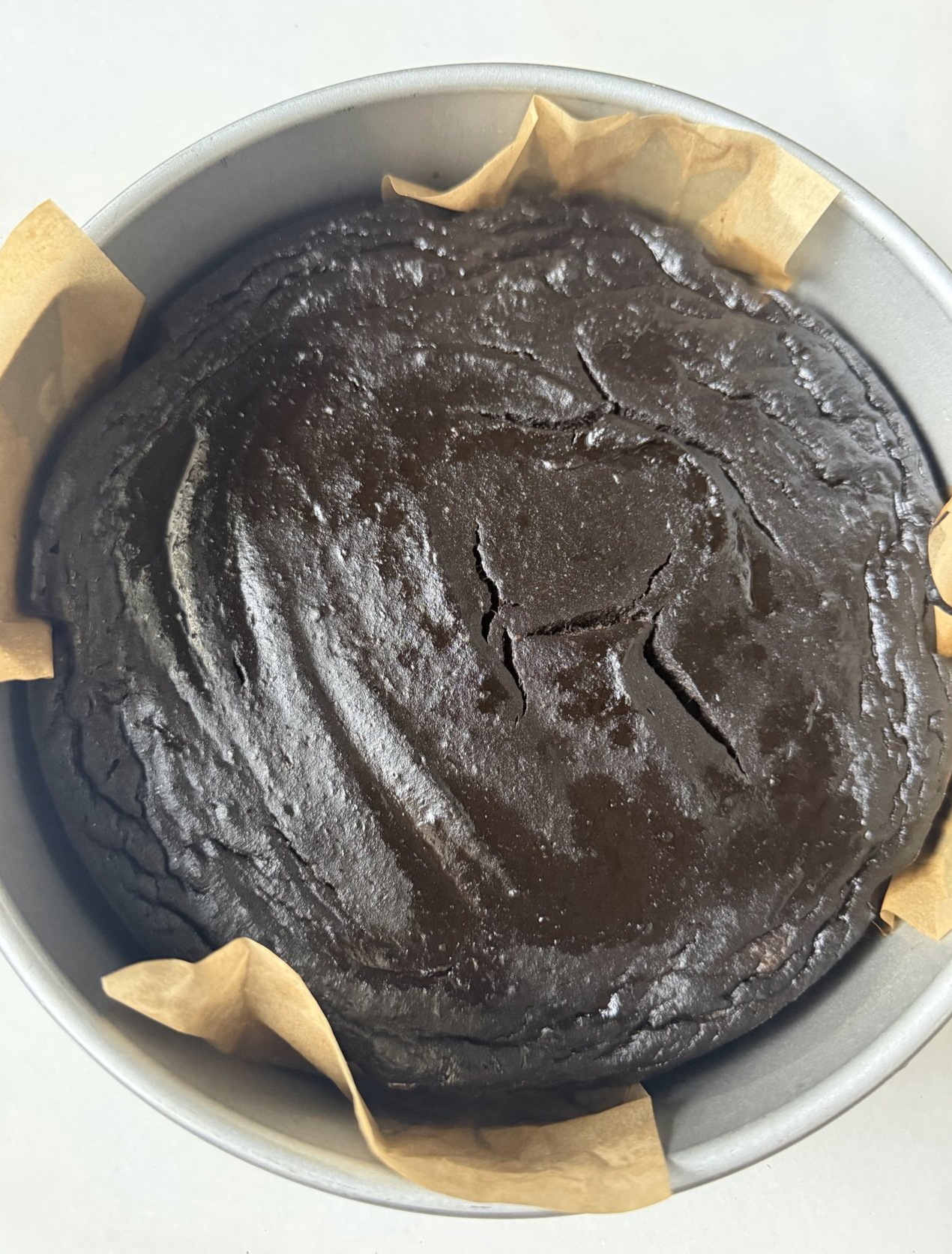
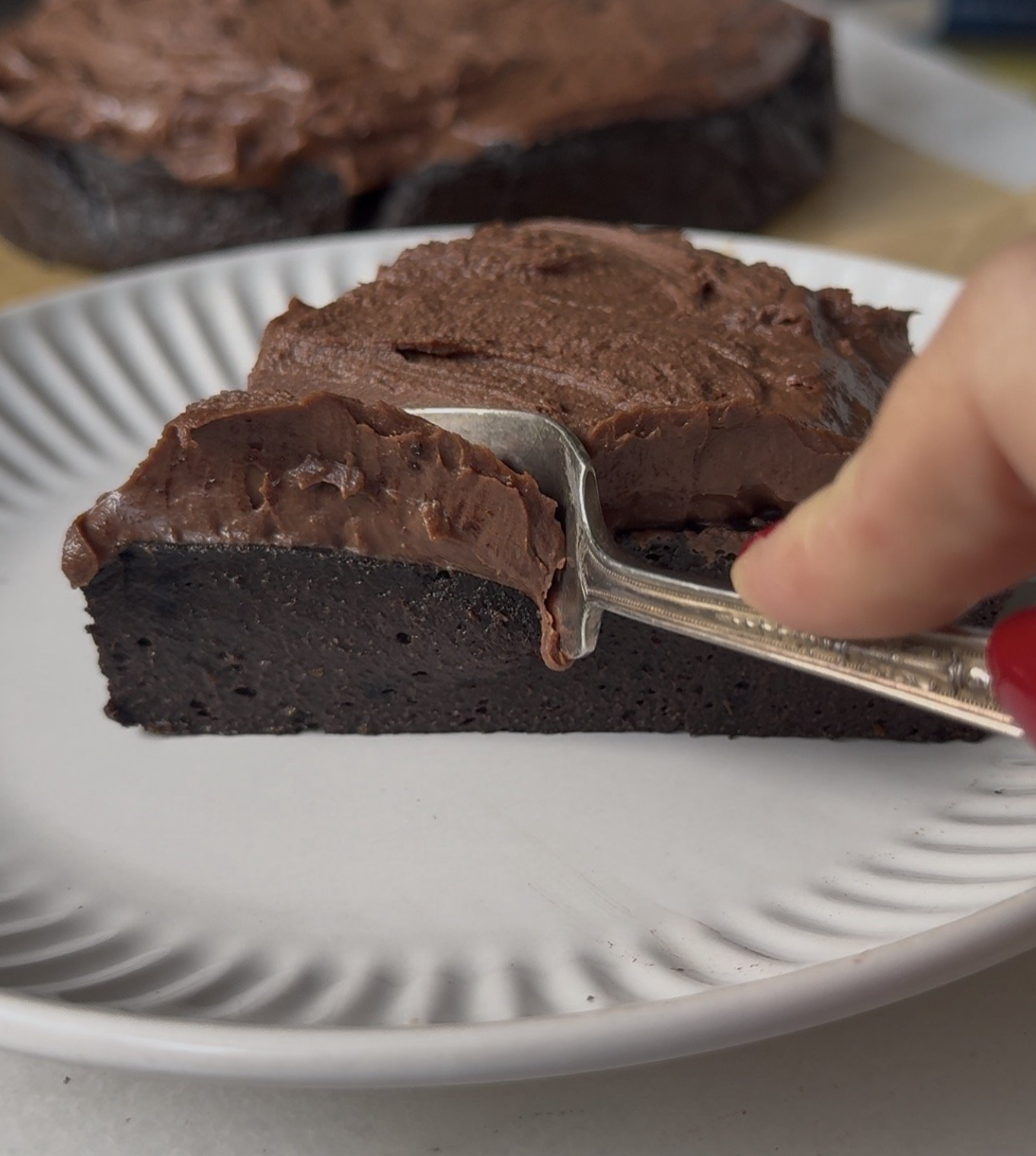
However, the culinary industry cautions that such recipes require a higher level of precision regarding cooling. Because the cake lacks the structural "scaffolding" of gluten, it remains fragile until the internal proteins have fully set. This explains the industry-standard recommendation of a minimum four-hour cooling time—often including two hours of refrigeration—to ensure the cake can be sliced cleanly.
Broader Impact on the Food Industry
The proliferation of recipes like this suggests a potential shift in commercial baking. If mass-market producers can successfully scale the use of vegetable-based structures, it could lead to a reduction in the demand for refined wheat and synthetic fats in the snack and dessert aisle. The implications are far-reaching:
- Supply Chain Diversification: Increased demand for pumpkin and other squash purées would encourage agricultural diversification, moving away from a monoculture of wheat and corn.
- Allergy-Friendly Options: By design, this cake is naturally grain-free and gluten-free, providing a safer, more inclusive option for individuals with Celiac disease or gluten sensitivities, without the need for expensive or heavily processed gluten-free flour blends.
- Sustainable Consumption: Utilizing whole vegetables for their structural properties is a more resource-efficient method of food production than the processing required to mill flour and extract oils.
Technical Challenges and Best Practices
Despite the clear benefits, the implementation of this recipe requires adherence to specific technical protocols. The "watery purée" issue remains a common hurdle for home bakers. High-moisture content in commercial canned pumpkin can interfere with the binding process, leading to a product that fails to firm up. Culinary technicians recommend a "blotting" process using a paper towel or a fine-mesh sieve to ensure the purée meets the density requirements for a successful cake.
Furthermore, the choice of equipment is significant. The use of a springform pan is highly recommended by experts. Because the cake is denser and more delicate than a standard sponge cake, the ability to release the sides of the pan without inverting the cake is essential to maintaining its aesthetic integrity.
Conclusion: The Future of Dessert
The emergence of the flourless pumpkin-based chocolate cake signifies a maturation in the home-baking sector. Consumers are moving past the era of "low-calorie" substitutes—which often relied on chemical additives and artificial sweeteners—and are moving toward "high-density" nutrition. By focusing on the functional properties of whole foods, this recipe succeeds in providing a high-quality, indulgent dessert that aligns with contemporary health requirements. As this trend continues to evolve, it is likely that similar techniques will be applied to other categories of baked goods, further blurring the line between indulgence and nutrition. Whether viewed as a triumph of culinary engineering or a return to simple, whole-food principles, the impact of such recipes on the modern kitchen is both measurable and significant.