Chicken Taco Pasta: A Culinary Evolution of the One-Pan Dinner Trend


The modern home kitchen is currently witnessing a significant shift toward efficiency-driven cooking, with the rise of the "one-pan" movement leading the charge in busy households. Among the latest culinary developments gaining traction in food media is the emergence of hybrid comfort dishes, specifically the fusion of Mexican-inspired taco profiles with traditional pasta formats. This evolution, exemplified by the popular Chicken Taco Pasta, represents a broader trend in domestic gastronomy: the democratization of complex flavor profiles through simplified, high-speed preparation methods.
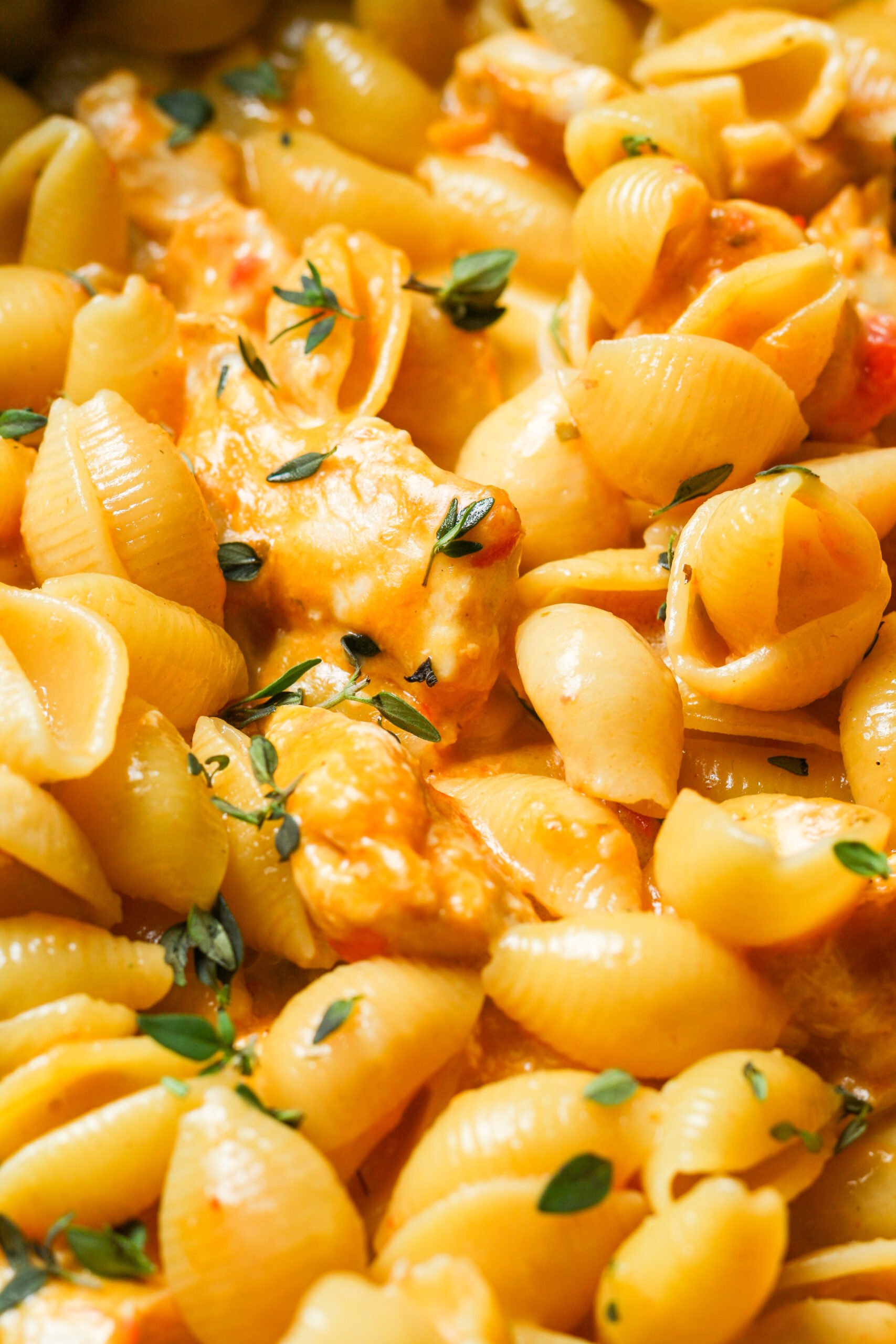
The Rise of Hybrid Comfort Cooking
The culinary landscape of the mid-2020s has been defined by a departure from labor-intensive traditional recipes. Data from recent consumer behavior reports on kitchen habits indicate that over 65% of households prioritize "time-to-table" metrics above all other factors when selecting a dinner recipe. This demand has fostered the development of meals that combine the high-flavor, high-texture profiles of international cuisines—specifically the zest and spice of Tex-Mex—with the structural reliability of Italian-inspired pasta dishes.
The Chicken Taco Pasta is not merely a recipe; it is an optimized response to the contemporary demand for minimal cleanup. By integrating proteins, starches, and dairy-based sauces into a single cooking vessel, home cooks are reducing kitchen waste and preparation time by an estimated 40% compared to traditional multi-pot methods.
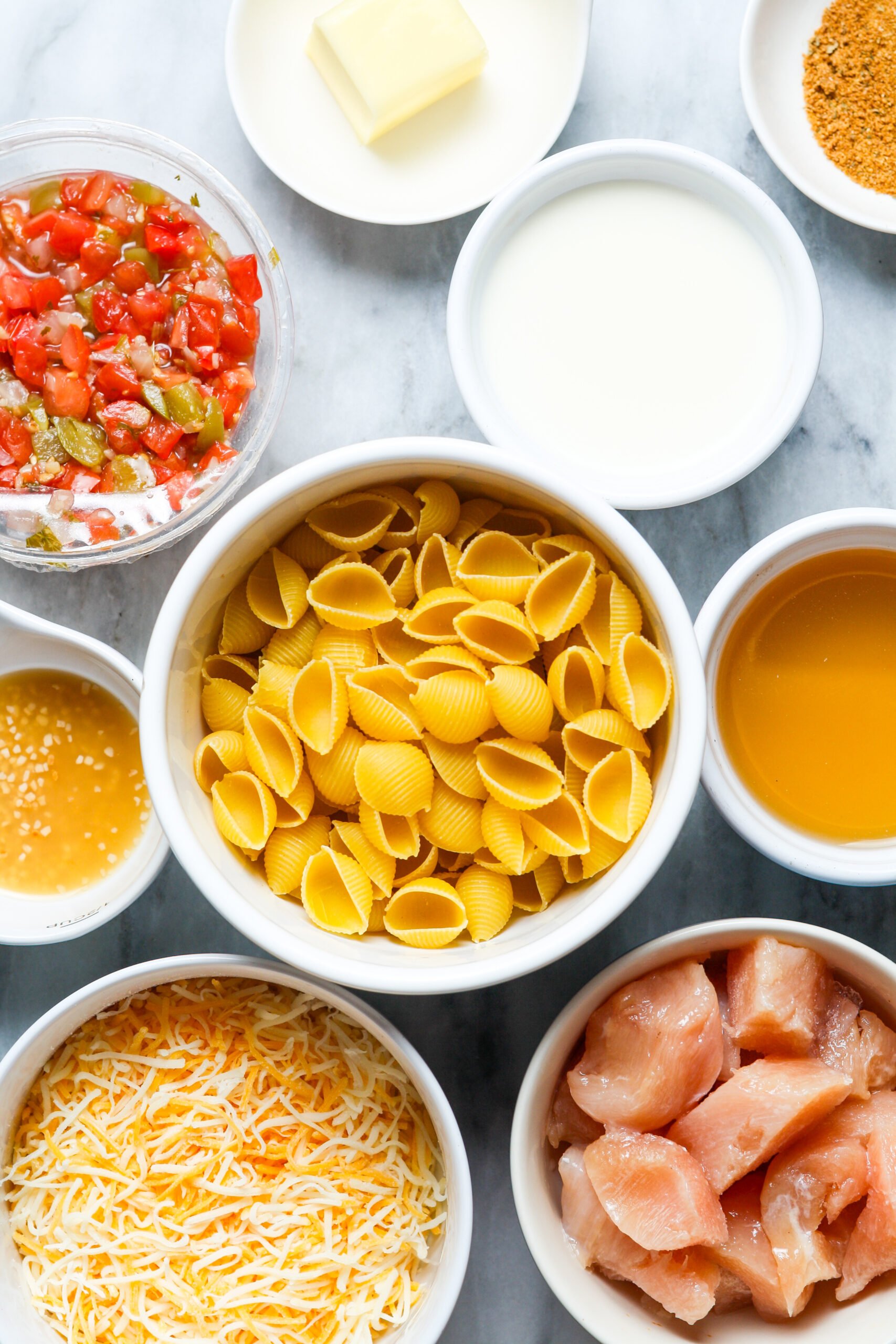
Chronology of the One-Pan Methodology
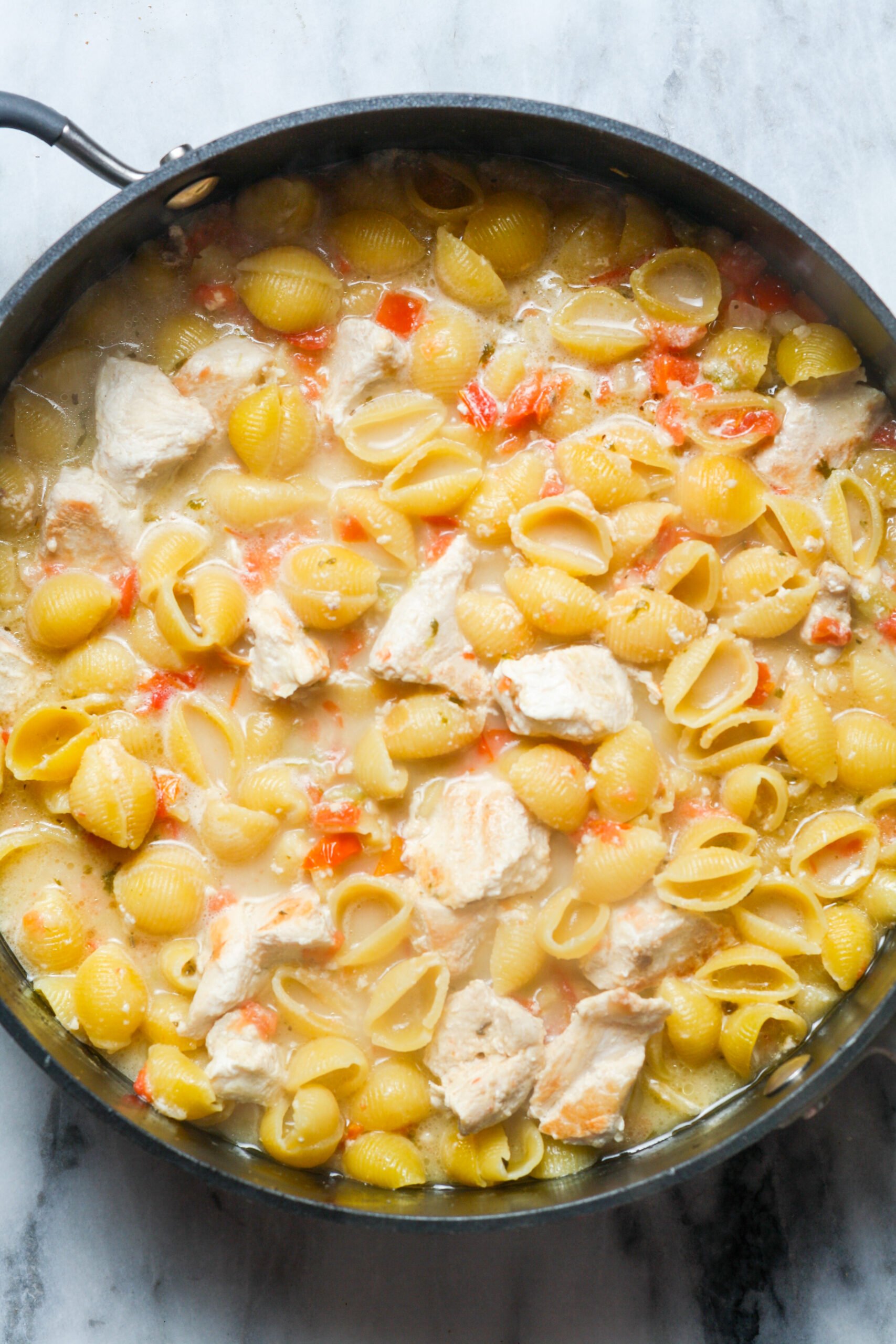
The shift toward single-vessel cooking can be traced back to the early 2010s, but it has reached a state of maturity in the current decade. Historically, pasta was viewed as a separate entity requiring a large volume of boiling water, followed by a secondary pan for sauce and protein. The current methodology, which involves the absorption of broth directly into the pasta shells within the skillet, relies on a technique known as "one-pot starch release."
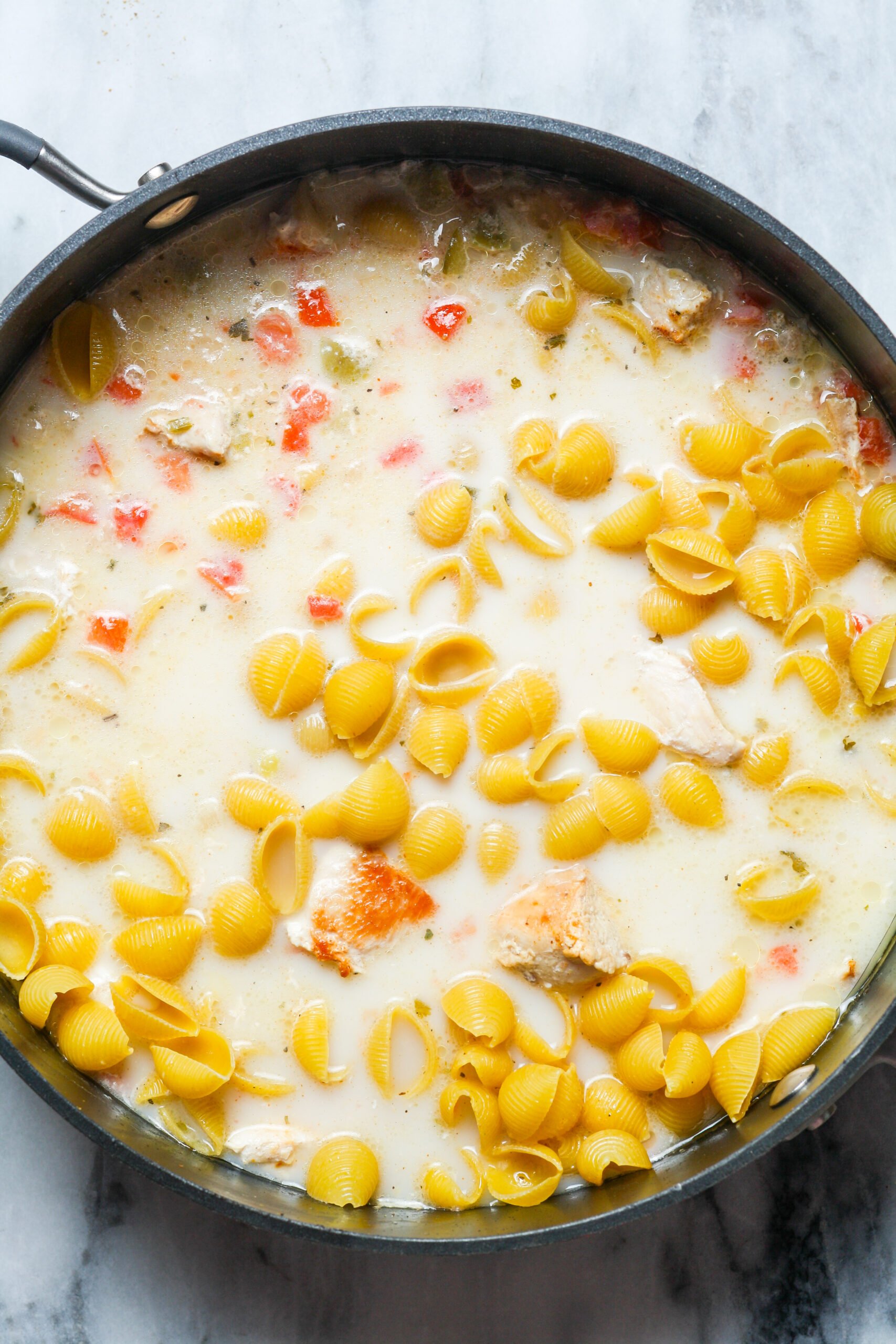
As the pasta cooks, it releases its natural starches into the cooking liquid—a combination of chicken broth and milk. This creates a natural thickening agent, eliminating the need for store-bought roux or heavy cream thickeners. This technique, once reserved for professional chefs making risotto, is now a cornerstone of the modern "one-pan" movement, providing a professional-grade sauce consistency that was previously unattainable for the average home cook without significant effort.
Nutritional and Economic Implications
From a nutritional perspective, the transition to at-home, one-pan cooking has significant implications for public health. By utilizing whole-wheat pasta shells and fresh poultry, the dish provides a balanced ratio of complex carbohydrates and lean proteins. Analysts observing the grocery retail sector have noted that such recipes allow for the utilization of pantry staples—canned tomatoes, dried spices, and shelf-stable broth—thereby reducing the overall cost per serving for families.
Furthermore, the flexibility of this dish serves as a hedge against food waste. The inclusion of various vegetables—such as corn, black beans, or bell peppers—allows consumers to utilize leftovers, contributing to a more sustainable household consumption model. The shift toward these "flexible recipes" is increasingly being encouraged by nutritional organizations that aim to reduce the reliance on highly processed, pre-packaged convenience meals.
Professional Culinary Perspectives
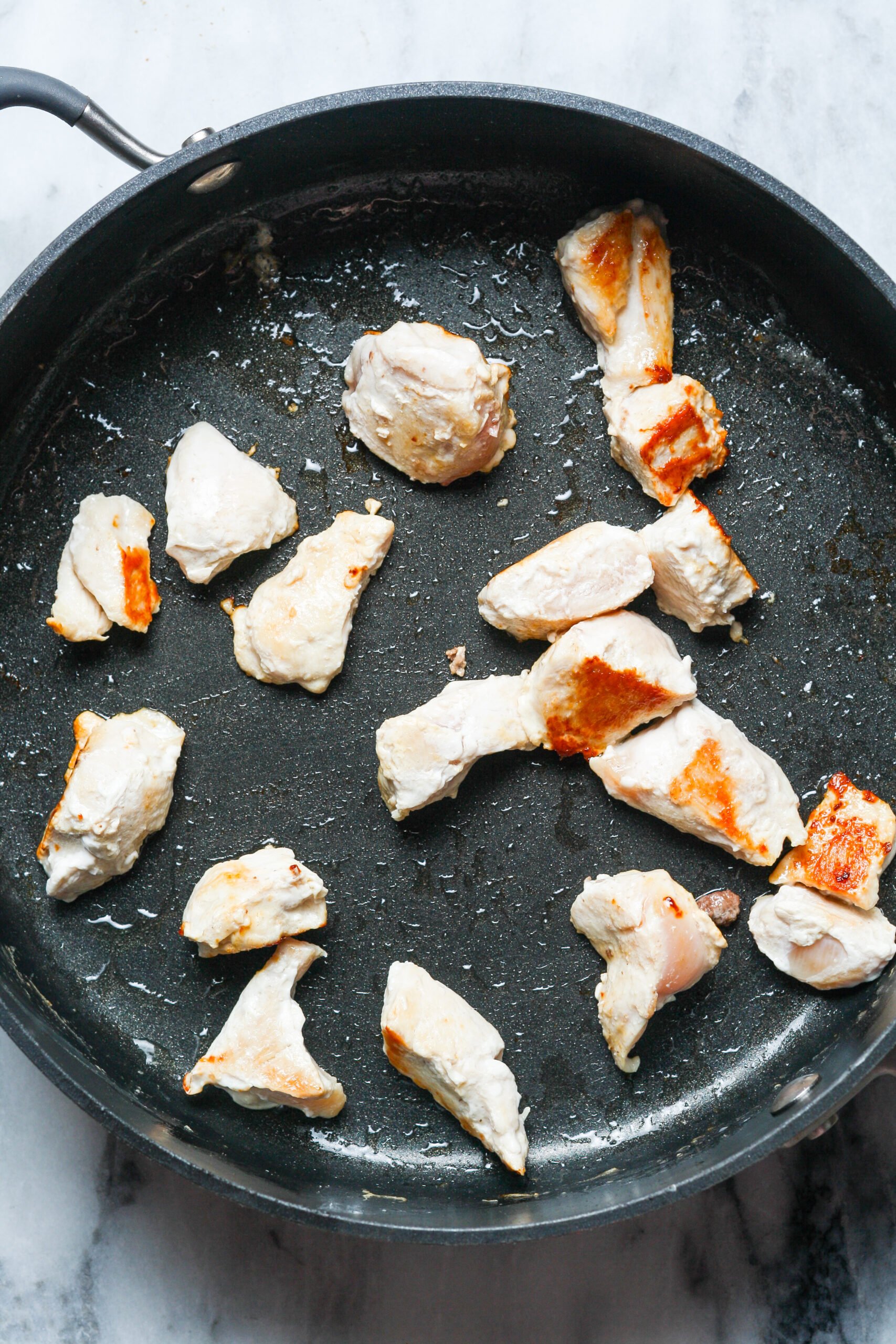
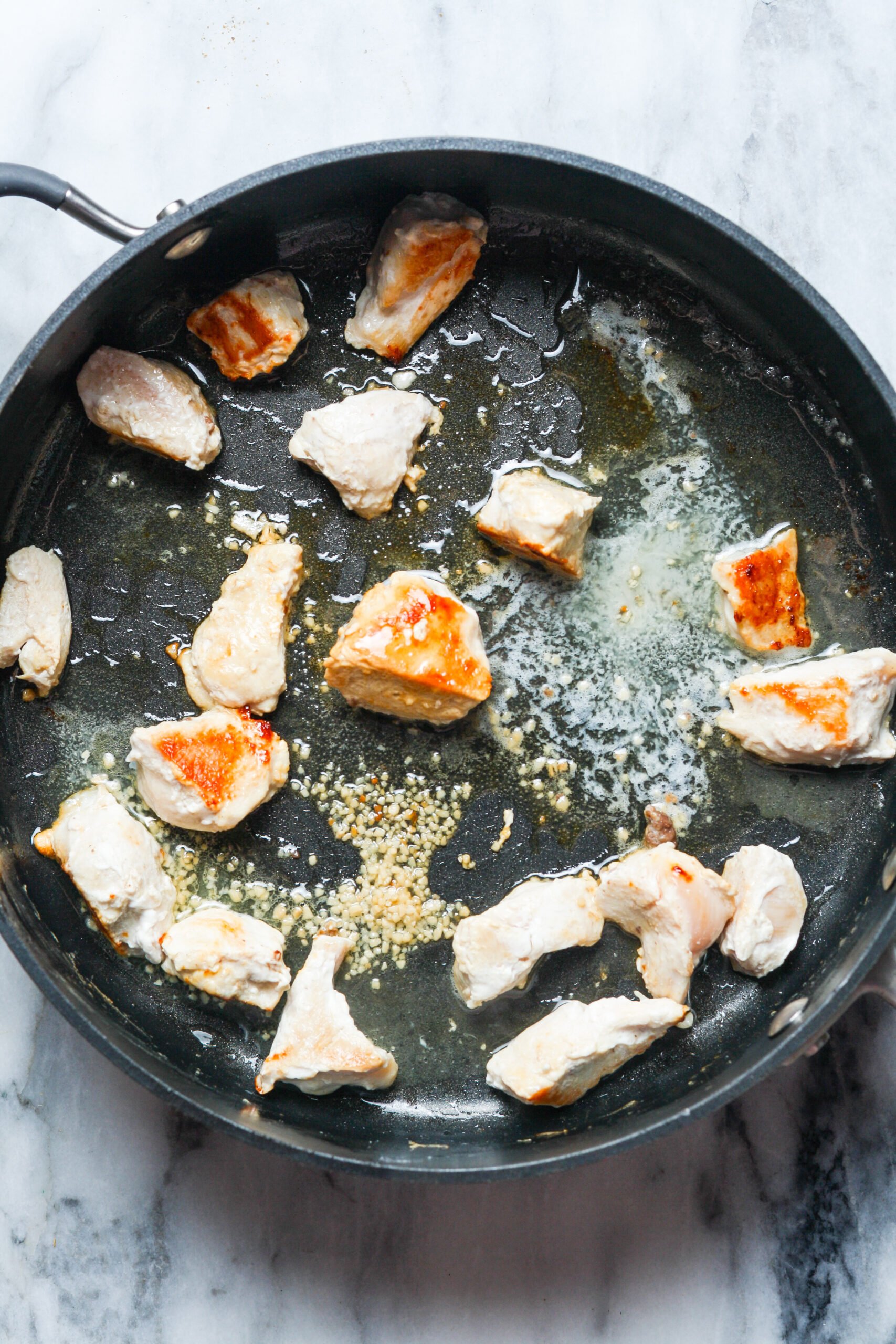
Industry experts point out that the success of the Chicken Taco Pasta lies in its "flavor layering" technique. By browning the chicken in butter and garlic before introducing the spices, the chef creates a Maillard reaction—a chemical reaction between amino acids and reducing sugars that gives browned food its distinctive flavor. When the taco seasoning is added to the fat-infused chicken, the spices bloom, releasing essential oils that permeate the entire dish during the liquid absorption phase.
"The beauty of this approach is in the controlled hydration of the pasta," notes one culinary analyst. "When you cook the pasta in the sauce rather than in plain water, you are infusing every pore of the grain with the flavor of the seasoning, the garlic, and the broth. It is a fundamental shift in how we approach the plate."
Broader Market Impact and Future Trends
The popularity of this specific dish is indicative of a broader trend: the "gourmet-ization" of quick-fix meals. As food bloggers and social media creators continue to emphasize the "one-pan" aesthetic, retailers have adjusted their marketing strategies to highlight "skillet-ready" ingredients.
The economic implications are clear: the trend toward efficient home cooking reduces the demand for restaurant-based delivery services, a sector that saw record-breaking growth during the early 2020s but has since faced inflationary pressures. By recreating high-end flavor profiles at home, consumers are finding a middle ground between the expense of eating out and the perceived blandness of traditional home cooking.
Technical Considerations and Preparation Best Practices
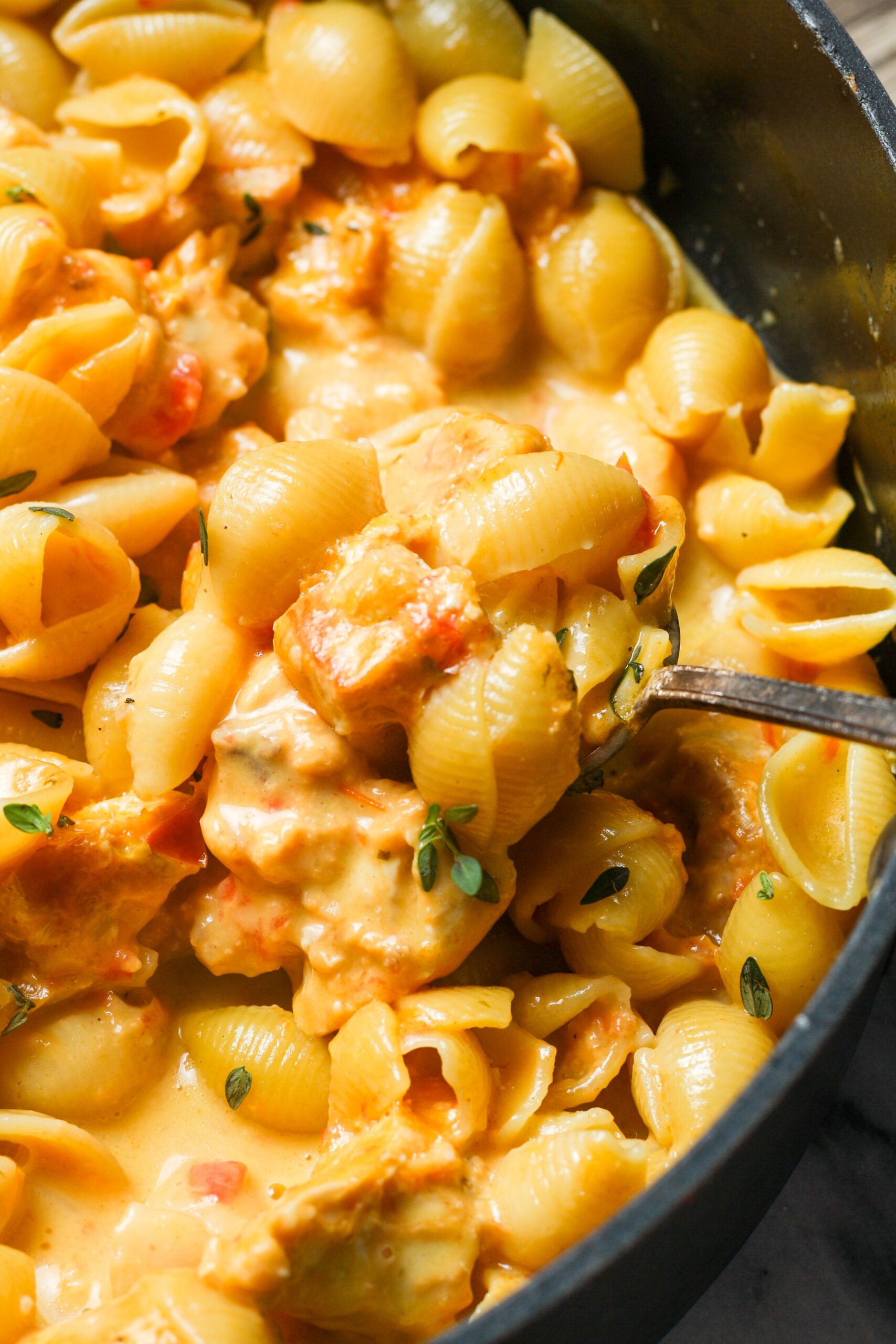
For those adopting this method, professional kitchen guidelines suggest strict adherence to the liquid-to-pasta ratio. If the skillet is too shallow, the pasta may not submerge, leading to uneven cooking. Conversely, an excess of liquid can result in a diluted sauce that fails to adhere to the pasta shells. The addition of shredded cheese—typically a blend of Mexican-style cheeses—is the final chemical step, acting as an emulsifier that binds the residual liquid and starches into a cohesive, velvety sauce.
Expert advice emphasizes the importance of temperature control during the final phase. Once the cheese is added, the heat must be reduced to a minimum to prevent the fats from separating. This nuance distinguishes a high-quality, professional-style dish from a basic, broken sauce.
Addressing Common Culinary Hurdles
Despite the simplicity of the one-pan method, several common challenges remain, particularly regarding the texture of the protein. Because the chicken is cooked in a liquid-heavy environment, it is prone to overcooking if the heat remains too high during the simmering of the pasta. Culinary manuals recommend removing the chicken once it reaches the ideal internal temperature, or cutting the pieces to a uniform size to ensure that they finish cooking at the exact moment the pasta reaches an "al dente" state.
Furthermore, the inclusion of acidic elements, such as salsa or diced tomatoes with green chilies, plays a functional role beyond flavor. The acid helps to cut through the richness of the cheese and the fat, creating a balanced palate that prevents the dish from feeling overly heavy. This balance of fat, acid, and salt is a hallmark of successful culinary design.
Conclusion
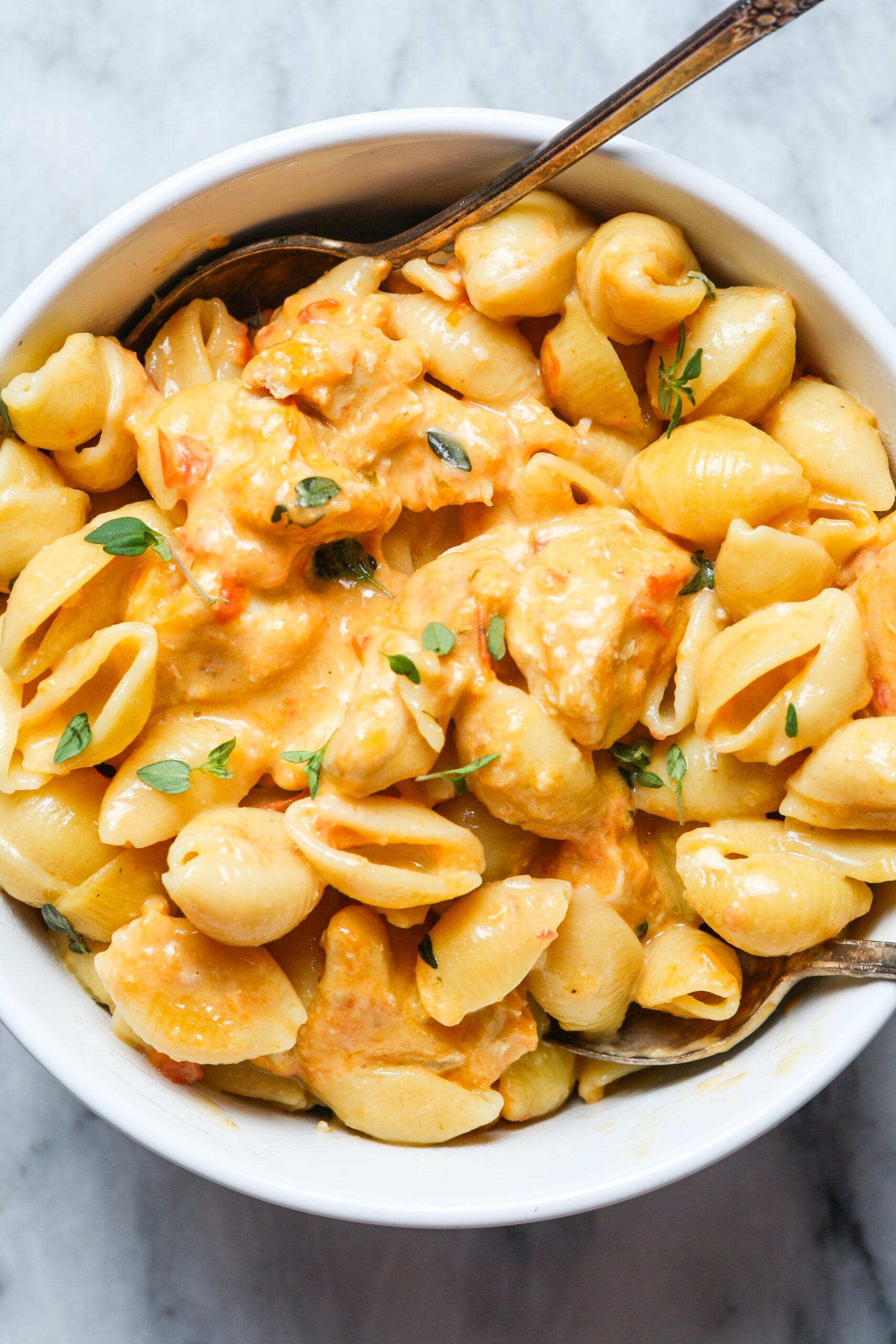
The Chicken Taco Pasta stands as a testament to the modern evolution of home cooking. By synthesizing traditional Italian technique with bold, contemporary flavors, it offers a blueprint for the future of domestic meal preparation. As households continue to navigate the demands of time and cost, the focus will undoubtedly remain on these efficient, scalable, and highly flavorful solutions. The success of this recipe is not just a trend; it is a permanent adjustment in how the modern kitchen operates, prioritizing intelligence, speed, and high-quality results.