The conventional understanding of breakfast in Western diets has long been dominated by carbohydrate-heavy options, such as sugary cereals, refined flour pastries, and processed meats. However, a growing movement in nutritional science is advocating for a shift toward nutrient-dense, fiber-rich morning meals. Pulses—a category of legumes that includes dried beans, chickpeas, lentils, and peas—are increasingly being positioned as a superior alternative for the first meal of the day. By providing a stable source of slow-digesting protein and high-volume fiber, beans offer a metabolic advantage that can sustain energy levels and cognitive focus throughout the morning.
The Nutritional Rationale for Morning Legumes
From a clinical nutrition perspective, the inclusion of legumes in the morning diet addresses several common dietary deficiencies. According to data from the U.S. Department of Agriculture (USDA), a significant portion of the population fails to meet the recommended daily intake of dietary fiber, which is essential for cardiovascular health and glycemic control. Beans are uniquely suited to rectify this, as they are naturally gluten-free and contain a complex matrix of micronutrients, including iron, magnesium, potassium, and folate.

When consumed early in the day, the high fiber content of beans acts as a satiety agent. Unlike simple carbohydrates that cause rapid spikes and subsequent crashes in blood glucose, the complex starches in beans require longer digestion times. This results in a more gradual release of glucose into the bloodstream, which may assist in weight management and appetite regulation. Furthermore, legumes are among the most budget-friendly staples available, making them a viable solution for food insecurity and the rising costs of animal-based proteins.
A Historical Shift in Dietary Habits
The integration of beans into breakfast is not a novel concept globally. In many cultures—most notably in Mexico, the United Kingdom, and various regions across the Middle East—legumes have been a cornerstone of the morning meal for centuries. The British "full breakfast," which traditionally features baked beans, and the Mexican huevos rancheros, which utilizes black or pinto beans as a foundational layer, demonstrate long-standing culinary precedents.
However, the modern North American culinary landscape is currently undergoing a "re-discovery" phase. This shift, which gained momentum in the mid-2010s and has seen a resurgence in 2026, is fueled by a combination of environmental consciousness and a broader interest in plant-forward diets. Legumes are recognized by the United Nations Food and Agriculture Organization (FAO) for having a remarkably low carbon footprint compared to animal-based proteins, requiring significantly less water and land to produce. This environmental efficiency, combined with their nutritional density, aligns with the modern consumer’s preference for sustainable eating.

Culinary Applications: Beyond the Traditional
For those accustomed to sweet breakfasts, the transition to savory, bean-based meals requires creative preparation. Culinary professionals and registered dietitians have developed a variety of methods to integrate these ingredients into conventional routines.

- The Modern Hash: Sheet-pan preparations allow for the mixing of black or white beans with roasted sweet potatoes, peppers, and onions. This can be prepared in bulk, providing a shelf-stable option that requires only minutes to reheat before being topped with a poached or fried egg.
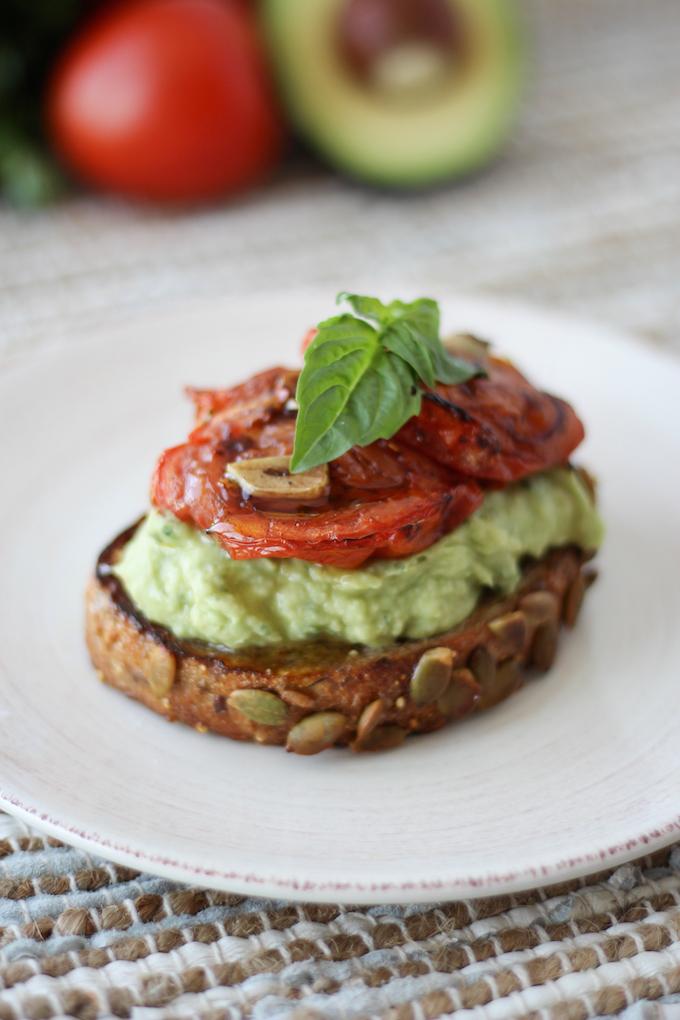
- Elevated Avocado Toast: By incorporating mashed white beans into the traditional avocado spread, the protein content of the meal is effectively doubled. This simple adjustment transforms a popular "superfood" trend into a nutritionally balanced, long-lasting breakfast.
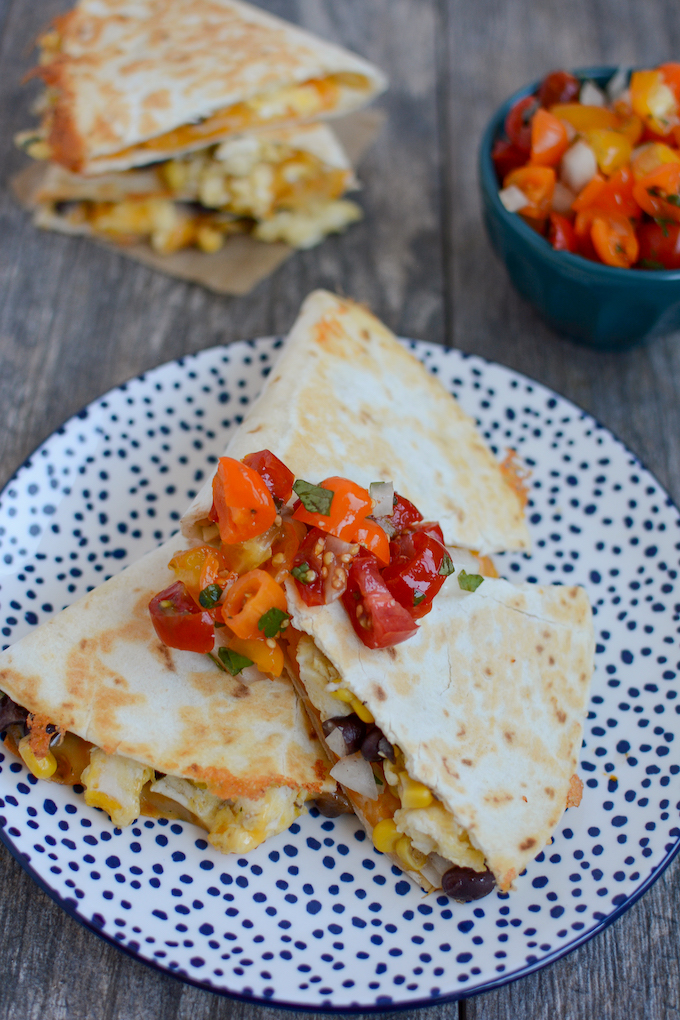
- Breakfast Quesadillas and Tacos: Using corn tortillas as a base, black beans can be combined with scrambled eggs or tofu and frozen for later use. The air-fryer has become an essential tool for reheating these, ensuring a crispy texture that mimics fresh preparation.
- Shakshuka Variations: While traditionally a tomato-based egg dish, the addition of chickpeas or white beans adds texture and substance. This dish serves as an ideal winter breakfast due to its heat-retention properties and savory depth.
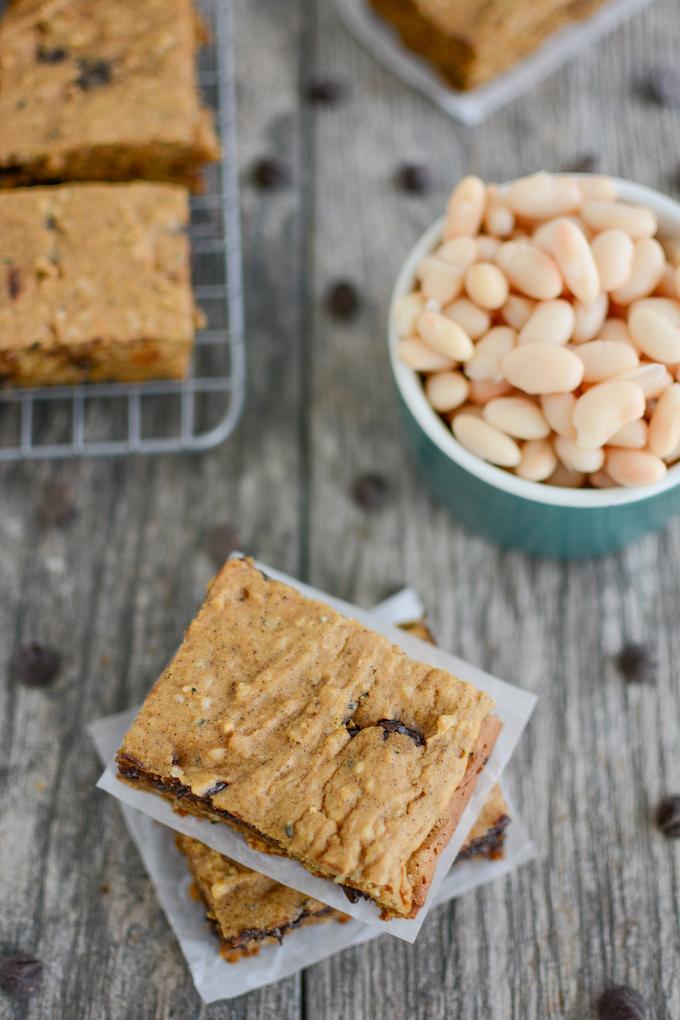
- Legume-Infused Baked Goods: For those who prefer a grab-and-go breakfast, white beans can be pureed and incorporated into muffin or blondie batters. Because of the neutral flavor profile of white beans, they can be used to replace some of the flour in recipes, significantly increasing the fiber content without compromising the texture of the pastry.
- Breakfast Casseroles: Utilizing beans in an egg-based breakfast burrito casserole allows for an efficient way to prepare multiple portions for the week. This approach is widely favored by working professionals seeking to minimize morning prep time.
- Huevos Rancheros Tostadas: A fast-casual approach to the classic Mexican dish, using pre-made tostadas topped with beans and fresh salsa provides a quick, protein-rich alternative to processed breakfast bars.
- Breakfast Sandwiches: Substituting a spread of seasoned beans for high-fat condiments in breakfast sandwiches adds a nutritional layer that keeps the sandwich moist while providing necessary plant-based nutrients.
- Lentil-Banana Muffins: Integrating cooked lentils into fruit-based baked goods introduces iron and protein into what is traditionally a sugar-heavy meal.
- Customizable Bowls: Utilizing a base of pre-cooked beans allows for a "build-your-own" breakfast bowl, where users can add greens, seeds, and various dressings to create a personalized, high-fiber meal.
Broader Implications and Analysis
The push for bean-based breakfasts represents a wider trend in health and sustainability. Public health initiatives, including those supported by the World Health Organization, consistently highlight the need for a transition toward plant-based proteins to combat the global rise in non-communicable diseases, such as type 2 diabetes and hypertension.

From an economic standpoint, the "legume-for-breakfast" movement offers a hedge against inflation. While the price of eggs and meat fluctuates due to supply chain disruptions, the price of dry and canned beans remains relatively stable and accessible. Food policy analysts suggest that normalizing legumes as an anytime-food—rather than strictly a dinner ingredient—could lead to more resilient household food budgets.

However, the transition is not without challenges. Culinary education remains a barrier; many consumers are unfamiliar with the preparation techniques required to make beans palatable for breakfast. There is also the matter of digestive adaptation. Nutritionists note that individuals who do not typically consume high amounts of fiber may experience gastrointestinal discomfort if they abruptly switch to a high-fiber breakfast. The consensus among experts is that a gradual introduction, paired with adequate hydration, is the most effective approach for long-term dietary success.

Future Outlook
As food technology continues to evolve, the development of legume-based products is expected to expand. We are already seeing the emergence of bean-based flour alternatives and high-protein breakfast mixes that leverage the nutritional profile of the pulse family. For the average consumer, the shift is simple: by reconsidering the pantry staples often relegated to the back of the shelf, one can transform the most important meal of the day into a powerhouse of health, sustainability, and efficiency. Whether through a quick, pre-made breakfast burrito or a sophisticated shakshuka, the evidence suggests that the breakfast plate of the future will be significantly greener and more legume-centric.