The Ultimate Guide to Baking Tender Pumpkin Scones with Maple Drizzle at Home

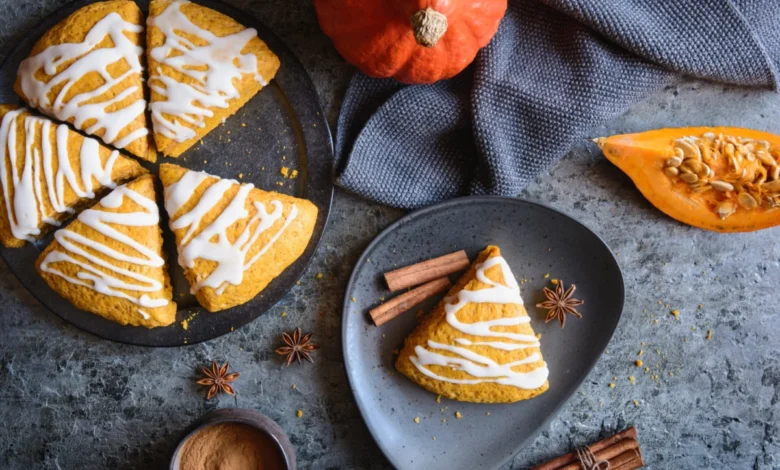
As the autumn season settles in, home bakeries and commercial kitchens alike experience a notable shift in consumer demand toward comforting, warm-spiced baked goods. Among the seasonal favorites making a prominent return is the autumn squash pastry, specifically highlighted this year by the rising popularity of pumpkin scones accented with a rich maple glaze. Culinary experts and home baking enthusiasts have increasingly turned their attention to this specific recipe format, which balances the naturally moist properties of cucurbita-based purees with the delicate, flaky texture characteristic of traditional British-style bakery items.
The culinary appeal of pumpkin-infused baked goods lies deeply rooted in agricultural history and seasonal shifts in consumer palate preferences. When autumn temperatures begin to drop, demand for spices such as cinnamon, nutmeg, ginger, and cloves spikes significantly across grocery supply chains. According to agricultural data tracking seasonal commodity usage, canned pumpkin puree sales typically surge by over 200 percent between the months of September and November. Pastry chefs utilize this high-moisture ingredient not only for its distinct autumnal flavor profile but also for its natural chemical properties, which help retain moisture in baked goods without requiring excessive quantities of added fats or oils.
Culinary Chronology and Development of the Recipe
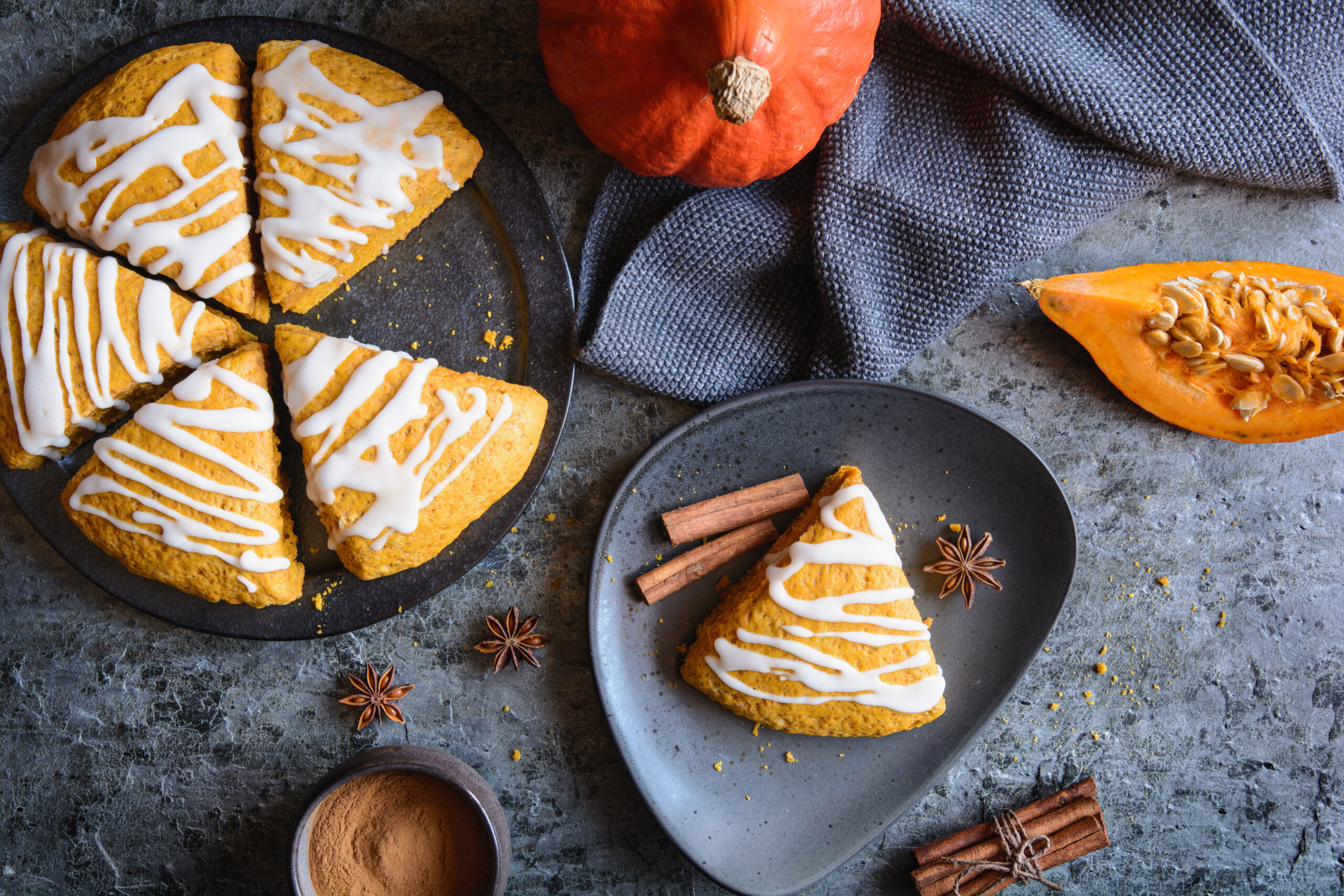
The historical evolution of the scone traces back to early Scottish quick breads, which were traditionally baked on griddles using oats. Over centuries, the recipe migrated across the United Kingdom and into North America, transforming from a dense, flat griddle cake into the oven-baked, wedge-shaped pastry commonly found in modern cafes and home kitchens today. The integration of American autumn produce into traditional European baking templates represents a modern fusion of culinary traditions.
The timeline for preparing these specialized autumn scones is designed for efficiency, making it accessible for both professional kitchens and weekend home cooks. Standard preparation requires approximately fifteen minutes of active engagement, followed by twenty-two minutes of thermal processing in the oven, bringing the total production timeline to roughly thirty-dart minutes.
Chronological Breakdown of Production:
- Preparation and Miseen Place (Minutes 0–5): Gathering cold fats, flour, spices, and pureed squash while ensuring ingredients remain at optimal low temperatures to prevent premature melting of butter pockets.
- Dough Integration (Minutes 5–10): Gently cutting fat into dry ingredients and folding in the liquid base just until combined, strictly avoiding over-mixing to preserve structural tenderness.
- Shaping and Cutting (Minutes 10–15): Pressing the dough into a cohesive disk, slicing into equal wedges, and transferring the portions to a chilled baking sheet.
- Baking Phase (Minutes 15–37): Subjecting the pastries to high convective heat to achieve a golden exterior while keeping the interior soft and moist, concluded by a cooling period prior to glaze application.
Technical Analysis and Professional Baking Principles
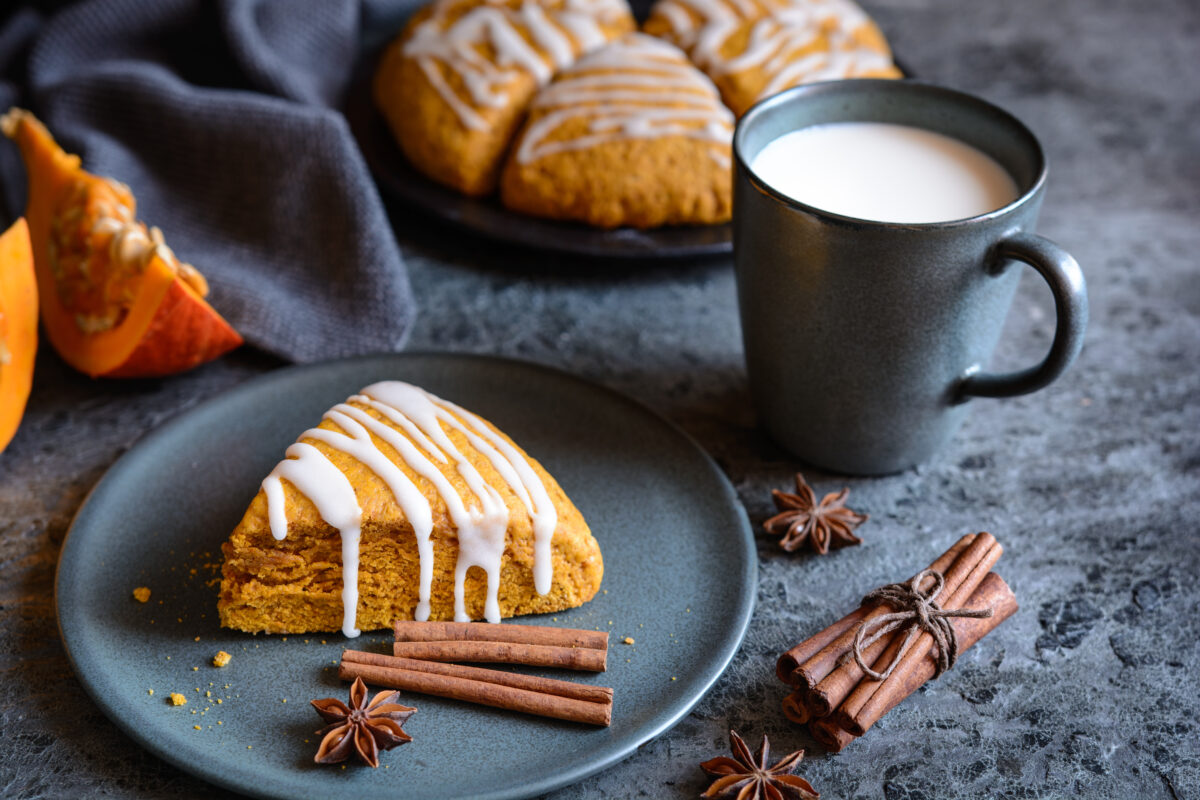
Achieving a superior pastry texture requires strict adherence to scientific principles of baking chemistry. Culinary technicians emphasize that the single most critical factor in creating flaky layers is the temperature of the butter. When cold butter pieces melt inside a hot oven, they release water vapor, creating pockets of steam that push the surrounding flour layers apart, resulting in a light and tender crumb structure.
Furthermore, professional bakers highlight the distinction between pure canned squash and pre-sweetened pie fillings. Standard culinary formulas rely on 100 percent pure pumpkin puree to maintain precise control over sugar levels, moisture content, and spice distribution. Introducing pre-mixed fillings into a scratch recipe can disrupt the chemical balance, leading to structural density or excessive spreading during the baking cycle.
To ensure optimal structural integrity and flavor delivery, culinary specialists recommend several foundational techniques:
- Temperature Control: Keeping fats refrigerated until the exact moment of incorporation prevents the lipid bonds from breaking down prematurely.
- Gluten Management: Minimizing mechanical agitation during the mixing phase restricts the development of gluten strands, ensuring the final product remains tender rather than tough.
- Viscosity Regulation: Monitoring the moisture level of the dough prevents the incorporation of excess flour, which is a primary culprit behind dry or crumbly pastries.
- Thermal Monitoring: Removing the pastries from the heat source immediately upon reaching a golden exterior preserves internal hydration levels.
Customization and Flavor Variations
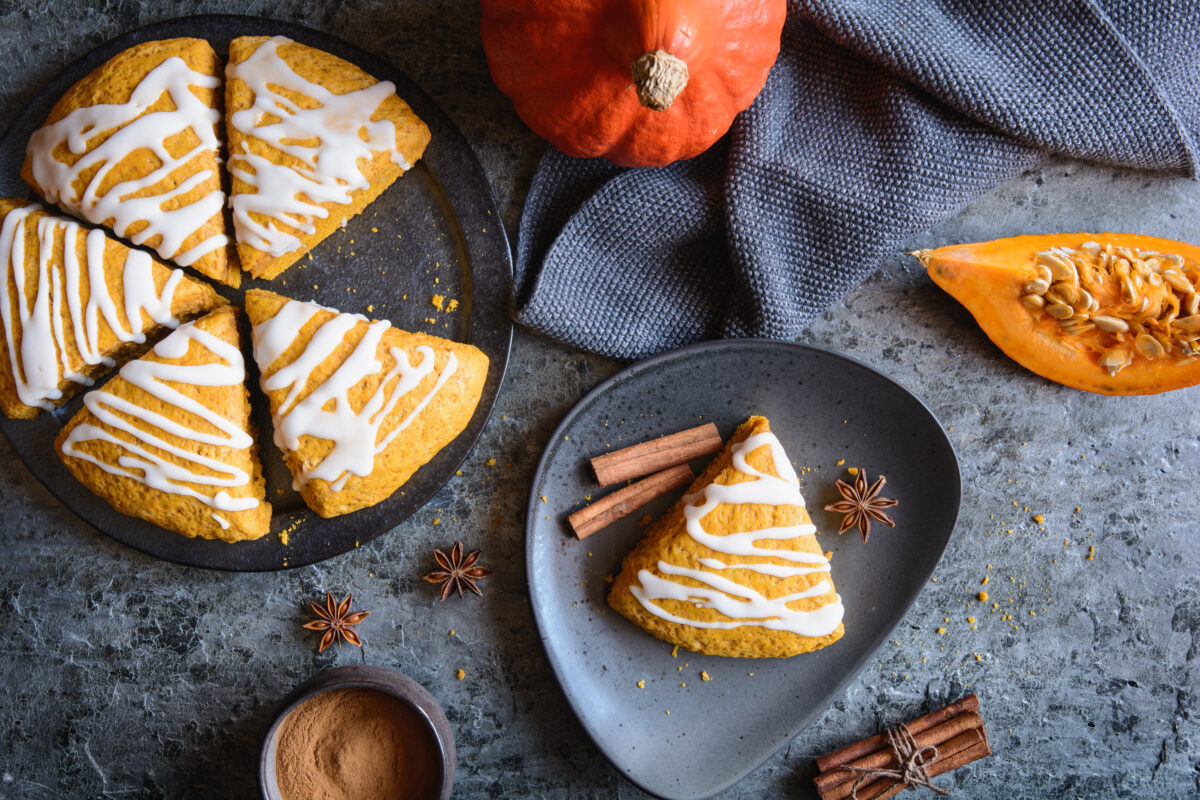
Market analysis of modern bakery trends indicates a growing consumer preference for customizable comfort foods. The base formula for autumn spiced pastries lends itself well to numerous flavor adaptations designed to cater to diverse dietary preferences and regional tastes.
Common variations currently trending in home and commercial test kitchens include:
- Textural Additions: Incorporating toasted pecans, walnuts, or pepitas into the dry mixture to introduce a contrasting crunch.
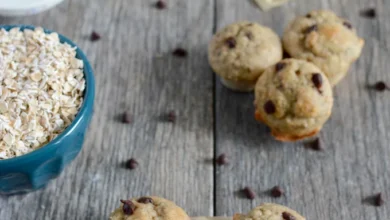
- Confectionery Inclusions: Folding semi-sweet or dark chocolate chips into the dough to appeal to younger demographics and dessert enthusiasts.
- Fruit Elements: Adding dried cranberries or tart cherries to provide a bright, acidic contrast to the warm, earthy spices.
- Citrus Infusions: Integrating fresh orange zest into the dough base and citrus juice into the glaze to brighten the overall flavor profile.
Storage, Preservation, and Commercial Implications
As food waste reduction becomes an increasingly vital consideration for both households and food service providers, proper storage methodologies are essential. Fully baked pastries maintain optimal texture for up to forty-eight hours when stored in sealed containers at ambient room temperature, and up to five days under refrigeration.
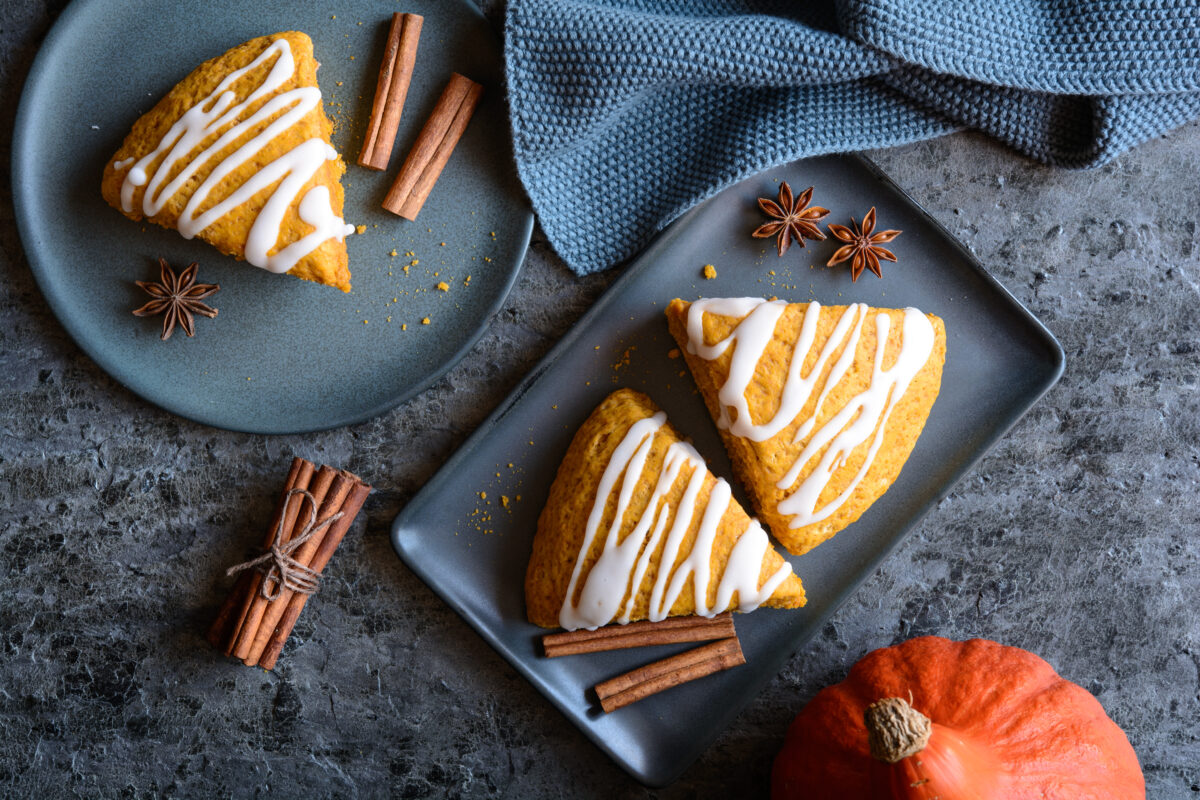
For longer preservation intervals, freezing techniques offer significant utility. Unbaked, shaped wedges can be flash-frozen on sheet pans and stored in airtight bags for up to three months, allowing kitchens to bake fresh items on demand directly from a frozen state with minor adjustments to the thermal cooking time. Alternatively, fully baked items can be frozen prior to the application of the maple glaze, ensuring the exterior coating retains its visual appeal and structural integrity upon thawing and reheating.
Industry experts project that the demand for seasonal, scratch-baked comfort foods will continue to experience strong annual growth, driven by consumer desires for authenticity, warmth, and culinary tradition during the colder months of the year.