The Solo-Shopping Paradox: How Parents of Multiples Turn Everyday Errands into High-Stakes Operations

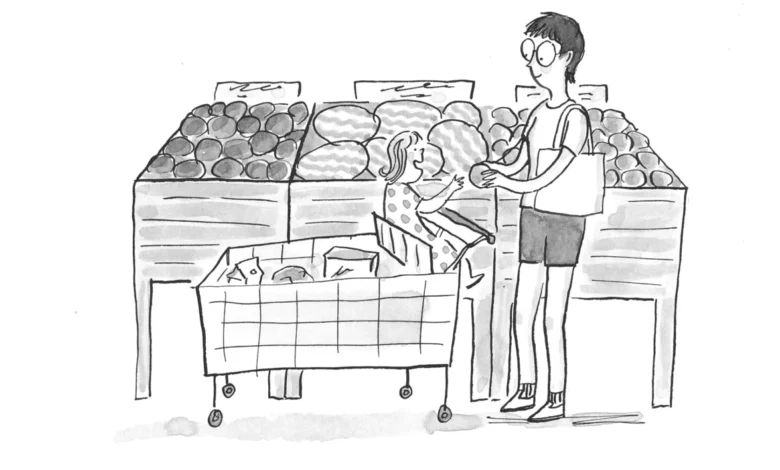
Navigating public spaces with young children is widely recognized as a test of patience, endurance, and logistical planning. However, for parents raising multiples—twins, triplets, and higher-order multiples—routine tasks such as grocery shopping transcend ordinary parenting challenges, often escalating into complex, high-stakes logistical operations. Recent discussions within online parenting communities and anecdotal logs from mothers and fathers of multiples have highlighted a distinct sociological phenomenon: the stark contrast between managing multi-child outings and experiencing the unexpected, relative tranquility of solo-child excursions.
To understand the weight of these experiences, one must examine the daily realities faced by families with multiples. According to data from the Centers for Disease Control and Prevention (CDC) National Center for Health Statistics, twin births represent roughly 32 out of every 1,000 live births in the United States, while triplets and higher-order multiples occur at a significantly lower rate of approximately 90 per 100,000 births. Though statistically rare as a collective group, these families navigate a unique set of infrastructural and psychological hurdles that standard public spaces are rarely designed to accommodate.
Logistical Nightmares in the Produce Aisle
For many parents of twins and triplets, the early developmental years are characterized by a hyper-vigilant adherence to survival mode. Simple errands like purchasing household provisions require military-grade precision. Parents frequently report relying on two separate shopping carts—one designated entirely for secure child containment and another for groceries—or executing complex tag-team maneuvers with partners.
Consider the mechanics described by parents of triplets and twins: six grasping hands reaching for merchandise, synchronized crying spells, and the physical impossibility of pushing a single standard shopping cart while keeping mobile toddlers secure. In extreme instances, public meltdowns necessitate partial evacuations, where one parent removes the children while the other finishes checking out under the watchful, often unsympathetic gaze of onlookers.
As a result, many families with multiples initially bypass traditional grocery store trips entirely. Curbside pickup, delivery services, and strategic division of labor—where parents split up on weekends, each taking a single child to complete separate errands—become standard operating procedure. This deliberate avoidance of public outings can persist until children reach toddlerhood or preschool age, reshaping how these families interact with their communities during the foundational years of early childhood development.
The Psychological Shift: The Illusion of the "Vacation"
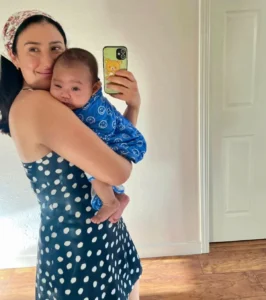
One of the most striking recurring themes among parents of multiples is the psychological recalibration that occurs when they venture into public with only one child. Parents who regularly manage the chaotic symphony of two or three children simultaneously report that taking a single child out for an errand feels akin to a luxury vacation.
Psychologists point out that this perception is rooted in cognitive load theory. Managing the working memory demands of multiple dependents simultaneously exhausts executive functioning. When the variable count drops to a single child, the cognitive load plummets, creating a subjective sense of profound ease and freedom.
Paradoxically, this sudden reduction in stress can sometimes trigger unexpected emotional responses. Some parents experience intense separation anxiety or a sense of disorientation when separated from their children, even for brief periods. Postpartum health specialists note that anxiety surrounding separation is common among primary caregivers, particularly those experiencing sleep deprivation or the acute pressures of raising multiples. While societal narratives frequently focus on postpartum depression, clinicians emphasize that performance anxiety and hyper-vigilance are equally valid manifestations of the immense physiological and emotional investment required in early parenthood.
Furthermore, parents of multiples frequently report a compulsive need to identify themselves to strangers when out with a single child. Whether casually mentioning that the child "has a twin at home" or referencing birth weights years after the fact, parents often grapple with a desire to claim credit for their veteran status in the trenches of child-rearing. This behavior reflects a broader psychological need for validation in a society that often minimizes the invisible labor of managing high-demand family structures.
Infrastructure and Community Response
Public infrastructure plays a critical role in shaping the daily experiences of parents navigating the world with multiples. Standard grocery store carts, which typically feature a single fold-down child seat, present an immediate physical barrier for parents of twins. Navigating aisles with an infant car seat balanced precariously on top of a basket alongside a mobile toddler requires exceptional spatial dexterity.
Certain retail chains have earned high praise from the parenting community for inadvertently or intentionally accommodating larger families. Wholesale clubs like Costco, for instance, frequently offer specialized flatbed carts or oversized baskets featuring dual child-seating configurations. Furthermore, the layout of wholesale checkout lanes provides wider berths and ample space, mitigating the claustrophobia and stress often experienced in narrow supermarket checkouts where impulse-buy candy displays trigger inevitable toddler negotiations.
Community reactions also play a profound role in shaping the emotional landscape of public parenting. While negative encounters with impatient shoppers occasionally occur, parents overwhelmingly report instances of grace and solidarity from strangers. Acknowledgment from older generations—often referred to affectionately by parents as the "oh honey" demographic—offering words of empathy and reassurance can fundamentally alter a parent’s day. Similarly, kind gestures from younger patrons or accommodating retail staff validate the immense effort required to keep multi-child households functioning smoothly in public spheres.
Developmental Implications for Children
Beyond the immediate stress relief for parents, public outings serve a vital developmental purpose for young children. Child development specialists emphasize that exposing children to community spaces—grocery stores, public transit, and civic environments—fosters observational learning and social awareness.
When children are shielded from public spaces entirely through reliance on delivery apps or strict isolation, they miss opportunities to observe community interactions, monetary exchanges, and diverse social behaviors. Navigating a grocery store allows children to witness the origin of household provisions, observe community norms, and practice interpersonal communication. Even the spontaneous, unfiltered commentary typical of toddlers—ranging from loudly critiquing a stranger’s demeanor to narrating mundane aisle events—provides valuable conversational scaffolding for language acquisition.
Conclusion: A Temporary Phase of High-Intensity Parenting
As families transition past the toddler years and into middle childhood, the mechanics of daily life shift dramatically. Parents of older multiples often look back on the era of double carts and public meltdowns with a mixture of disbelief and nostalgia. The acute intensity of managing high-order multiples eventually softens into routine, replaced by school schedules, extracurricular activities, and a new phase of parenting dynamics.
Ultimately, the collective experiences of parents raising multiples underscore a universal truth of caregiving: the intensity of the early years is matched only by its impermanence. Whether viewed through the lens of logistical triumph, psychological adaptation, or community interaction, the humble grocery store run remains a micro-cosmic reflection of the resilience required to raise the next generation.