Healthy Pumpkin Muffins: Integrating Plant-Based Proteins into Nutritional Baking


The landscape of domestic nutrition has shifted significantly as home cooks and professional dietitians alike seek innovative methods to enhance the fiber and protein content of traditional baked goods. A notable development in this space is the strategic incorporation of legumes, specifically red lentils, into dessert-style staples such as pumpkin muffins. This culinary technique, which prioritizes nutrient density without compromising sensory profiles, addresses a common nutritional deficit in the average Western diet: inadequate intake of plant-based fiber and high-quality protein.
The Nutritional Evolution of the Muffin
Historically, the pumpkin muffin has been categorized as a confectionary item, often characterized by high glycemic loads and minimal micronutrient density. Traditional recipes frequently rely on refined wheat flours and elevated sugar concentrations. However, recent advancements in home baking science have demonstrated that the integration of non-traditional ingredients—such as red lentils, ground flaxseed, and whole-grain flours—can transform these items into functional foods.
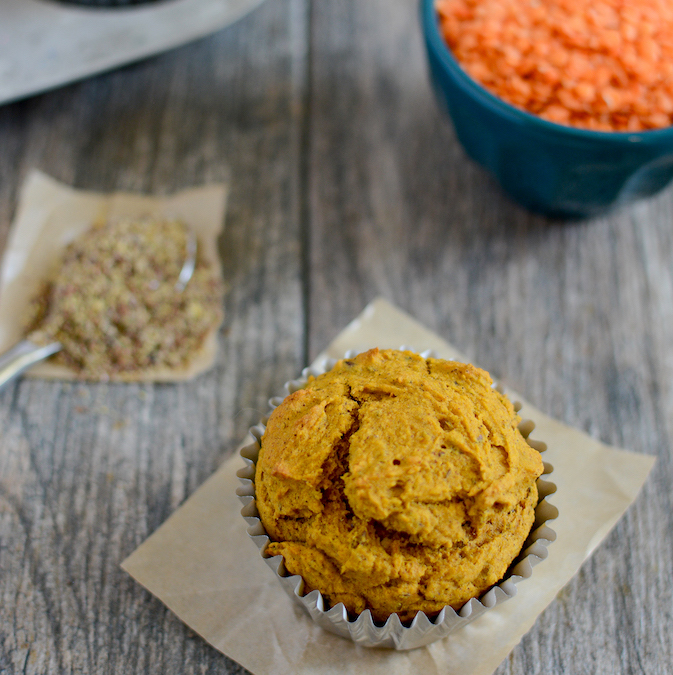
From a physiological standpoint, this transition is significant. By incorporating one cup of cooked red lentils into a standard batch of muffins, a baker can increase the total protein yield by approximately 18 grams and the fiber content by 15 grams. This approach aligns with broader nutritional guidelines recommended by organizations like the American Heart Association and the Academy of Nutrition and Dietetics, which emphasize the importance of fiber in regulating blood glucose levels and supporting digestive health.
Chronology of Culinary Innovation
The adoption of legumes in baking is not a singular event but rather a culmination of a decade-long trend toward "stealth health." The practice gained traction in the early 2010s as food bloggers and registered dietitians began experimenting with pureed beans, such as black beans in brownies or chickpeas in blondies.
The specific application to pumpkin muffins emerged as a response to the seasonal demand for pumpkin-based products. Throughout the mid-2020s, culinary experts conducted iterative testing to determine the ideal ratio of lentils to flour. The objective was to maintain the structural integrity and texture of the muffin while ensuring the flavor profile remained dominated by pumpkin spices—cinnamon, ginger, cloves, and nutmeg. By pulverizing cooked lentils in a high-speed blender or food processor, the legume loses its distinct grainy texture, becoming an imperceptible component of the wet batter. This allows the muffin to retain moisture and binding properties, effectively replacing some of the lipid-heavy ingredients usually required for texture.
Supporting Data: Fiber and Protein Metrics
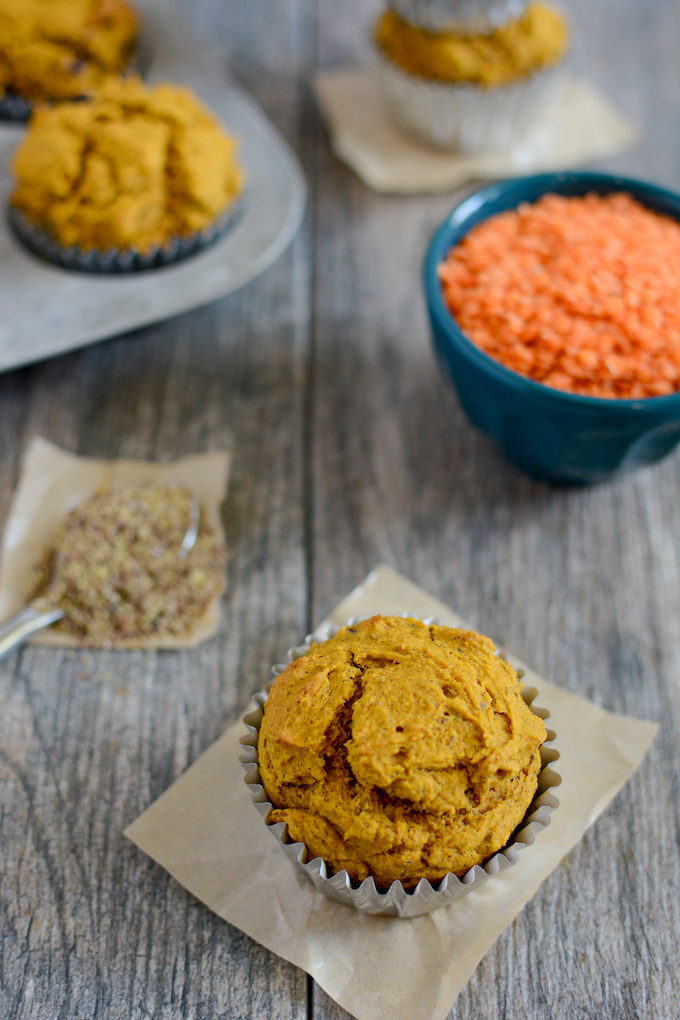
A standard, unrefined pumpkin muffin typically offers approximately 2 to 3 grams of fiber and 2 grams of protein. In contrast, the reformulated version, bolstered by the addition of lentils and flaxseed, yields approximately 6 grams of protein and 5 grams of fiber per individual muffin.
This increase is attributed to three primary sources:
- Red Lentils: These are an excellent source of plant-based protein and prebiotic fiber. They possess a mild flavor profile that is easily masked by the assertive spices found in pumpkin-based recipes.
- Ground Flaxseed: Beyond fiber, flaxseed provides essential omega-3 fatty acids. Its mucilaginous properties act as an effective egg substitute or binder, further enhancing the crumb structure of the muffin.
- Whole Grains: By substituting or supplementing refined flour with oat flour or whole-wheat pastry flour, the recipe achieves a more complex carbohydrate profile, which facilitates slower glucose absorption.
Professional Perspectives and Expert Analysis
Registered dietitians have noted that these modifications serve as a practical intervention for families struggling to meet daily fiber recommendations. For children, who often resist high-fiber legumes in their whole form, the "hidden" delivery method provided by muffins offers a non-confrontational way to bridge the nutritional gap.

"The challenge in modern nutrition is not just caloric intake, but the quality of that intake," says Lindsay Livingston, a Registered Dietitian who has analyzed the efficacy of these ingredients. "When we integrate legumes into a format that is universally palatable, such as a muffin, we are effectively increasing the accessibility of plant-based proteins to populations that might otherwise avoid them."
However, nutritionists caution that these modifications do not negate the presence of added sugars. While the fiber and protein help mitigate the glycemic impact of the sugar, these muffins remain energy-dense foods. The recommendation remains to consume them as part of a balanced meal—perhaps paired with a source of healthy fats or additional protein, such as nuts or Greek yogurt—rather than as a standalone snack.
Technical Considerations for Optimal Baking
The transition to a "high-fiber" recipe requires minor technical adjustments to prevent common baking failures. Dense or "gummy" textures often occur when moisture content is not properly balanced with the absorbent properties of fiber-rich additions.

- Blending Technique: The lentils must be cooked until soft and processed until completely smooth. Any remaining solid particles can alter the desired texture and alert the palate to the presence of the legume.
- The Flour-to-Lentil Ratio: While oat flour is a popular substitute, it lacks the gluten structure of wheat flour. Substituting more than 50% of the flour with oat flour may result in a muffin that struggles to rise or hold its shape.
- Sugar Reduction: Replacing granulated sugar with natural alternatives like mashed banana or maple syrup can alter the chemical reaction of the bake. Bananas contribute additional moisture, which may require a reduction in other liquid ingredients.
Broader Implications for Food Policy and Consumer Behavior
The shift toward nutrient-dense baking reflects a growing consumer desire for transparency and health-consciousness in home-prepared foods. As consumers become more informed about the long-term health benefits of high-fiber diets, the demand for recipes that offer "stealth health" benefits is expected to rise.
Furthermore, the environmental impact of such a shift is noteworthy. Legumes, including red lentils, are a low-input crop that requires significantly less water and fertilizer than animal-based protein sources. By prioritizing plant-based proteins in the kitchen, home cooks are inadvertently participating in a more sustainable food system.
Conclusion
The integration of red lentils into pumpkin muffins serves as a prime example of how traditional recipes can be adapted to meet contemporary health needs. By focusing on the synergy between legumes, fiber-rich seeds, and seasonal produce, home cooks can produce high-quality, shelf-stable, and nutritionally dense options that cater to both the palate and the body. As this practice continues to gain popularity, it serves as a reminder that the most effective health interventions are often those that seamlessly integrate into existing lifestyle habits rather than those that require radical departures from familiar comfort foods. Whether prepared for school lunches or as a weekend breakfast staple, these muffins represent a significant step forward in the quest for improved domestic nutrition.